

Alcohol and anxiety can influence each other in ways that are easy to miss at first. A drink may temporarily reduce tension or make it easier to unwind, but anxiety can increase again as alcohol wears off. Sleep disruption, changes in brain chemistry, dehydration, and repeated reliance on alcohol for relief can all contribute to this cycle. Understanding how alcohol affects the brain and body can make it easier to recognize when occasional coping is becoming a larger concern.
The vicious circle of alcohol and anxiety
Many individuals may notice that a drink initially feels like a genuine relief from daily stress. You might turn to alcohol to self-medicate after navigating a long day at work. The relationship between alcohol and anxiety comes down to your complex brain chemistry. When you consume alcohol, it stimulates a calming neurotransmitter known as GABA. It also triggers a dopamine rush. This creates a powerful, temporary feeling of pleasure and relaxation.
However, this soothing effect is remarkably short-lived. As the alcohol leaves your central nervous system, your dopamine levels dip sharply. The artificial calming effects are quickly depleted. This causes a harsh rebound effect. You are often left dealing with a baseline anxiety that is significantly worse than before you started drinking.
This frustrating cycle is incredibly common among adults seeking relief. In fact, research shows that about 20 percent of people diagnosed with a substance use disorder also suffer from an independent mood or anxiety disorder. If you are caught in this painful loop, seeking professional dual diagnosis treatment in Atlanta can help you safely break free.
Initial effects of alcohol
When you first take a sip, the initial high slows down your central nervous system. This quickly dampens your body’s natural fight-or-flight response. Your overall brain activity slows down, creating a deep sense of quiet. We understand exactly why this temporary peace is so deeply appealing. If you suffer from chronic stress, finding a fleeting moment to just breathe feels absolutely vital.
Sadly, the relief simply cannot last. The brain quickly registers this artificial calm and tries hard to restore normal balance. It decreases your natural calming chemicals while rapidly increasing excitatory signals. Once the alcohol wears off completely, your nervous system is left totally overactive. This leaves you feeling intensely jittery, nervous, and emotionally overwhelmed. It can result in a powerful, dangerous urge to drink again just to find temporary relief.
How tolerance deepens the cycle
Each time you drink to calm down, your brain adapts a little more. It learns to expect the flood of GABA and dopamine, so it dials back its own production of these calming chemicals to compensate. Over weeks and months, that adjustment means you need more alcohol to reach the same sense of ease, while your unmedicated baseline drifts steadily higher into tension and unease.
This is how a nightly glass to unwind can quietly become a daily requirement just to feel normal. The anxiety you are trying to escape grows stronger in the background, and the amount of alcohol needed to silence it keeps climbing. Recognizing this pattern early, before it hardens into physical dependence, gives you a real advantage in breaking it.
Symptoms of hangxiety and alcohol withdrawal
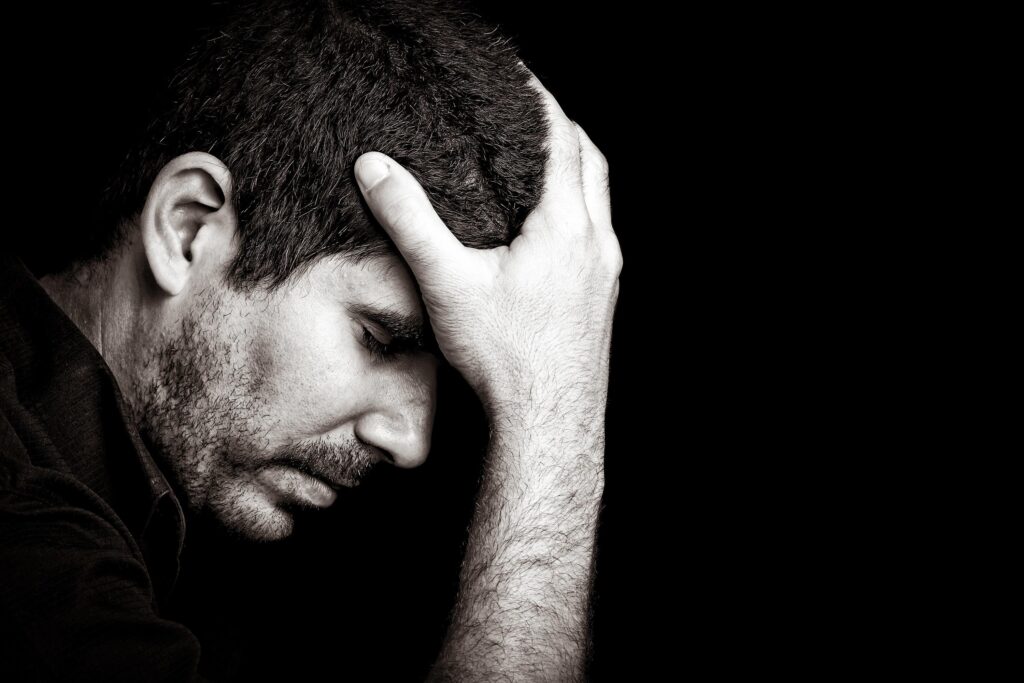
Hangxiety refers to the challenging emotional and physical symptoms that arise the day after drinking. It is essentially a difficult blend of a typical hangover and intense morning anxiety.
The difference between hangxiety and true withdrawal comes down to how far the body has adapted to alcohol. Occasional heavy drinking tends to produce hangxiety, an unpleasant but self-limiting wave of next-day nerves. Regular, heavy use can push the nervous system into genuine withdrawal, where the same rebound becomes severe enough to require medical care. Knowing where you fall on that spectrum matters for your safety.
For many people, the worst of the next-day anxiety peaks within the first several hours of waking and eases as the body rehydrates and blood sugar stabilizes. When drinking has been heavy or prolonged, though, symptoms can build rather than fade over the following day or two. That escalation is a signal to get medical eyes on the situation rather than waiting it out alone at home.
| Symptom Category | Hangxiety (Mild to Moderate) | Alcohol Withdrawal (Severe) |
|---|---|---|
| Emotional Impact | Feelings of guilt and dread | Intense panic and confusion |
| Physical Signs | Slight jitters and racing heart | Tremors and profuse sweating |
| Duration | Lasts a few hours to one day | Can last several days or more |
Common symptoms of hangxiety include feelings of dread, deep guilt, a racing heart, and excessive sweating. You might wake up worrying endlessly about what you said or did the night before. These uncomfortable symptoms happen because your brain is dramatically overcompensating for the depressant effects of alcohol. While hangxiety is highly uncomfortable, long-term chronic drinking can lead to a much more dangerous condition known as true alcohol withdrawal.
During clinical alcohol withdrawal, the physical and emotional symptoms become far more severe. As the body forcefully begs for the artificial calmness of alcohol, severe tension and sudden panic attacks can easily manifest. Your central nervous system becomes highly overstimulated. This is a very clear sign of physical alcohol dependence. It requires prompt, proper medical attention. In the United States alone, over 40 million Americans suffer from a baseline anxiety condition. It is deeply important to know that alcohol heavily exacerbates this existing anxiety. It regularly turns mild worries into intense physical distress.
If you experience these severe withdrawal symptoms, reaching out for professional medically supervised detox in Atlanta is absolutely critical for your personal safety.
Recognizing the symptoms
- Pay very close attention to psychological symptoms like intense dread the next morning.
- Notice if your heart is racing or if you feel a sudden sense of impending doom.
- Understand clearly that these morning-after worries are a chemical misfire, not a personal failure.
- Recognize that your brain chemistry is simply trying hard to rebalance itself without alcohol.
- Identify honestly whether you feel you need another drink just to calm these nervous feelings.
Why anxiety makes withdrawal harder
People who already live with anxiety often have a harder time in the days after drinking. Their nervous systems tend to run closer to overdrive at baseline, so the rebound spike from alcohol lands on an already sensitive system. This is one reason the alcohol and anxiety connection can feel so relentless, and it is also why treating the two together, rather than one at a time, produces far better and more durable results.
Managing alcohol-induced anxiety
If you are currently experiencing mild to moderate rebound anxiety, there are hopeful, actionable steps you can take today. Establishing proper coping mechanisms can significantly help ease your immediate physical and emotional discomfort. First, focus on the basics: rehydration and rest. Drinking plenty of fresh water helps flush out toxins and quickly restores your body’s vital fluid balance.
Eating a nutritious, easy-to-digest meal is also absolutely crucial to stabilize your blood sugar. When your blood sugar drops sharply after drinking, it easily triggers physical jitters that perfectly mimic a panic attack. Addressing these basic physical needs can quickly lower your overall stress levels. However, it is vital to clearly remember the true connection between anxiety and alcohol. Separating the two entirely is the smartest, safest choice for your long-term mental health.
Sleep is another piece people overlook. Alcohol fragments your sleep even when it helps you fall asleep faster, and poor sleep is one of the most reliable triggers for next-day anxiety. Prioritizing a full night of rest, keeping your bedroom cool and dark, and giving your body a few alcohol-free evenings each week all help your nervous system reset.
Practical Steps to Take
- Pace your consumption strictly by alternating any alcoholic drinks with large glasses of water.
- Practice slow, focused deep breathing exercises to actively calm your highly overstimulated nervous system.
- Use simple, proven relaxation techniques, such as light morning stretching or resting quietly in a dark room.
- Avoid consuming coffee or caffeine completely, as it actively mimics the severe physical symptoms of a panic attack.
- Eat a highly balanced meal before you start drinking to naturally slow down the rapid absorption of alcohol.
While these gentle lifestyle changes offer meaningful, temporary relief, they are not a cure. If your symptoms persist, worsen, or start affecting your work, sleep, or relationships, it is time to seek a proper professional evaluation. Our admissions team at Lanier Recovery Center can talk through what you are experiencing, confidentially and without judgment, and help you understand what level of support makes sense.
Seeking professional treatment and support
Relying on alcohol to cope with your daily stress is a primary indicator of a potential substance use issue. If you find yourself trapped in this cycle, it is time to take action. Lanier Recovery Center serves as a serene, suburban sanctuary right here in North Atlanta. Our facility is close enough to home for active family involvement. Yet, it remains removed enough from urban stressors to allow for true, focused healing.
We specialize in treating complex dual-diagnosis conditions. This means our expert clinicians treat both the underlying anxiety and the alcohol use disorder simultaneously. Using proven, evidence-based treatments, we help you uncover the root causes of your distress. You do not have to fight this painful battle alone. Our dedicated support team is ready to guide you toward a healthier, more balanced life. Reach out today for a confidential assessment. To learn more about our specific programs, explore our alcohol treatment in Atlanta services. You can also review the facts about co-occurring disorders and other health conditions to understand your situation better.
Outpatient programs built around your life
Because Lanier focuses on flexible, outpatient care, treatment can fit around work, school, and family instead of pulling you away from them. A PHP in Atlanta offers the most structure for those who need daily clinical support, while our IOP in Atlanta steps that down to a few focused sessions each week. As you stabilize, our outpatient rehab in Atlanta keeps you connected to care with a lighter weekly commitment.
Within these programs, evidence-based therapies do the real work of untangling alcohol from anxiety. You learn to notice the thoughts and situations that send you reaching for a drink, build calmer ways to respond, and repair the sleep and daily routines that heavy drinking erodes. Treating the anxiety and the drinking in the same place, with the same team, is what finally lets the cycle loosen its grip.
Reclaiming calm without alcohol
Breaking the cycle of alcohol and anxiety is rarely easy, but it is entirely possible. Your morning-after worries are a chemical response, not a reflection of your worth. You deserve a life where you do not have to drink to feel at peace. If you are tired of waking up with a racing heart and feelings of dread, our team is ready to help you heal.
Please call us at (470) 470-5697 to speak with someone who truly understands what you are going through. You can also visit Lanier Recovery Center to explore our flexible outpatient programs. Let us help you find the tools you need to build a calm, sober, and fulfilling life.