Request a call to speak with an admissions specialist. We are here to help you.

"*" indicates required fields

EMDR Therapist Atlanta

EMDR therapy Atlanta can help people process traumatic memories, intrusive thoughts, anxiety, and emotional pain that may not improve through traditional talk therapy alone. Eye movement desensitization and reprocessing is a structured trauma treatment that pairs brief attention to distressing memories with bilateral stimulation.
Free Insurance Check

Free & Confidential | HIPAA Compliant | No Obligation

"*" indicates required fields

1
2
3
4
This field is for validation purposes and should be left unchanged.
EMDR Therapy Atlanta

What is EMDR therapy Atlanta?

EMDR stands for Eye Movement Desensitization and Reprocessing. It is a structured form of trauma therapy Atlanta commonly used for PTSD and other trauma-related symptoms. EMDR may be incorporated into individual therapy Atlanta when it fits the clientโ€™s symptoms and treatment plan. Unlike traditional talk therapy, EMDR does not always require someone to describe every detail of a painful memory at length.

During an EMDR session, the therapist asks the client to focus briefly on part of a traumatic memory while following alternating eye movements, sounds, or taps. This process is called bilateral stimulation. The goal is to reduce the emotional charge connected to the memory so it feels more like a past experience and less like an immediate threat.

EMDR is recognized as an evidence-based treatment for PTSD by organizations including the U.S. Department of Veterans Affairs. Treatment length and outcomes vary, so a trained clinician should determine whether this approach fits the personโ€™s symptoms, stability, and treatment goals.
Table of Contents

The eight phases of an EMDR session

EMDR therapy follows eight structured phases. The amount of time spent in each phase depends on the personโ€™s history, symptoms, and readiness for trauma processing.

  • History taking. The therapist learns about current symptoms, past experiences, safety concerns, and treatment goals.
  • Preparation. The client learns grounding and emotional-regulation techniques before processing difficult memories.
  • Assessment. The client identifies a target memory, negative belief, preferred positive belief, emotions, and body sensations.
  • Desensitization. The client briefly recalls the memory while engaging in bilateral stimulation.
  • Installation. The therapist helps strengthen a more adaptive or positive belief.
  • Body scan. The client notices remaining physical tension or uncomfortable sensations connected to the memory.
  • Closure. The session ends with grounding and attention to emotional stability.
  • Reevaluation. A later session reviews what changed and whether further work is needed.

These phases provide structure, but they are not always completed in a single appointment. History taking and preparation may take several sessions before direct work with traumatic memories begins.

Mental health, trauma, and substance use

Trauma may affect sleep, trust, physical tension, emotional regulation, and the way a person responds to reminders of the past. Intrusive thoughts, painful memories, or a persistent sense of danger can make alcohol or drugs feel like temporary relief.

When trauma and addiction occur together, dual diagnosis treatment Atlanta can address mental health symptoms and substance use within one coordinated outpatient plan. Treatment may focus on emotional regulation, relapse prevention, relationships, negative beliefs, and healthier ways to respond when distress returns.

EMDR may be considered for some people with PTSD or complex trauma, but it is not a standalone cure for addiction. Physical dependence, cravings, daily routines, other mental health conditions, and the effects of substance use still require appropriate treatment.

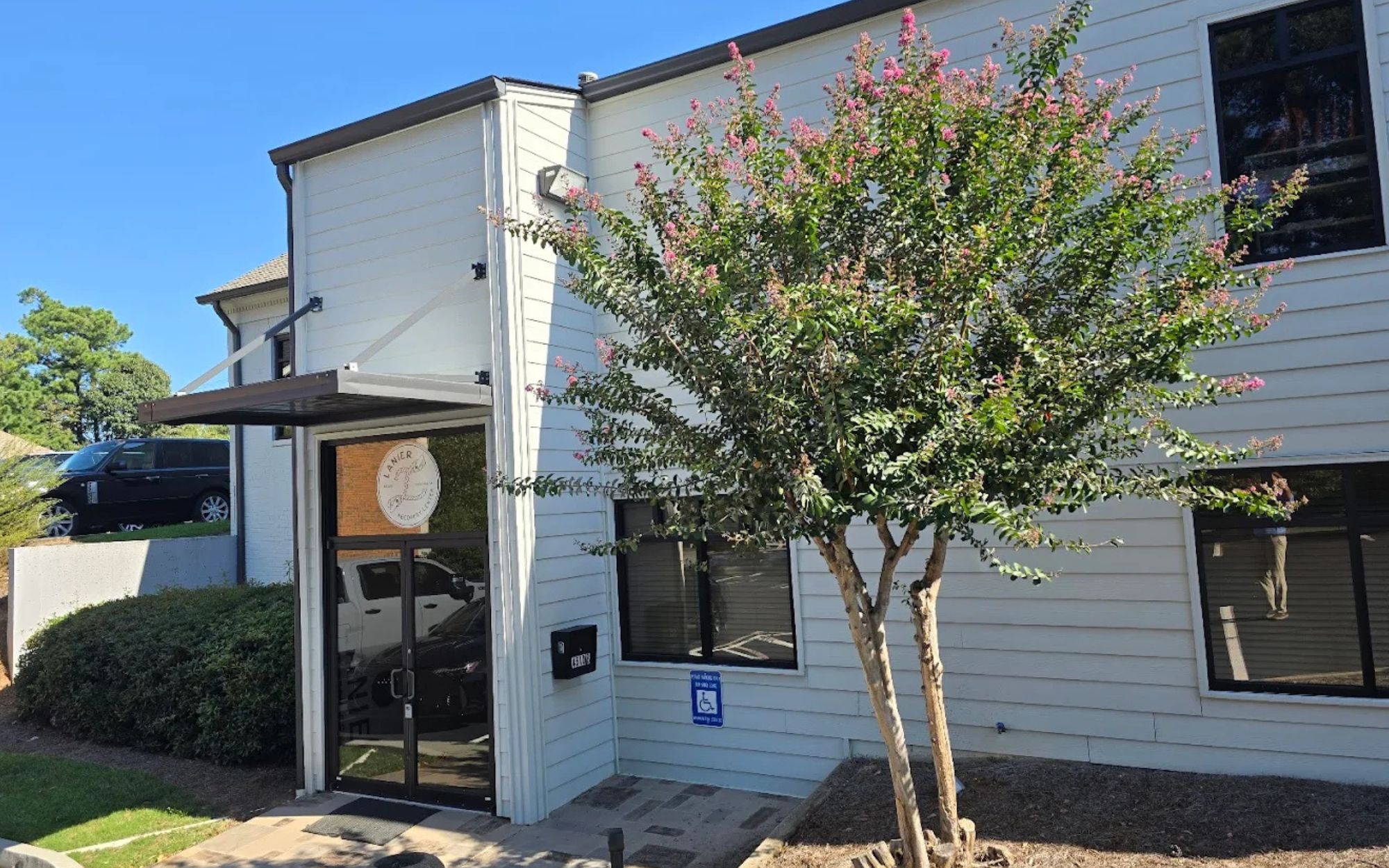
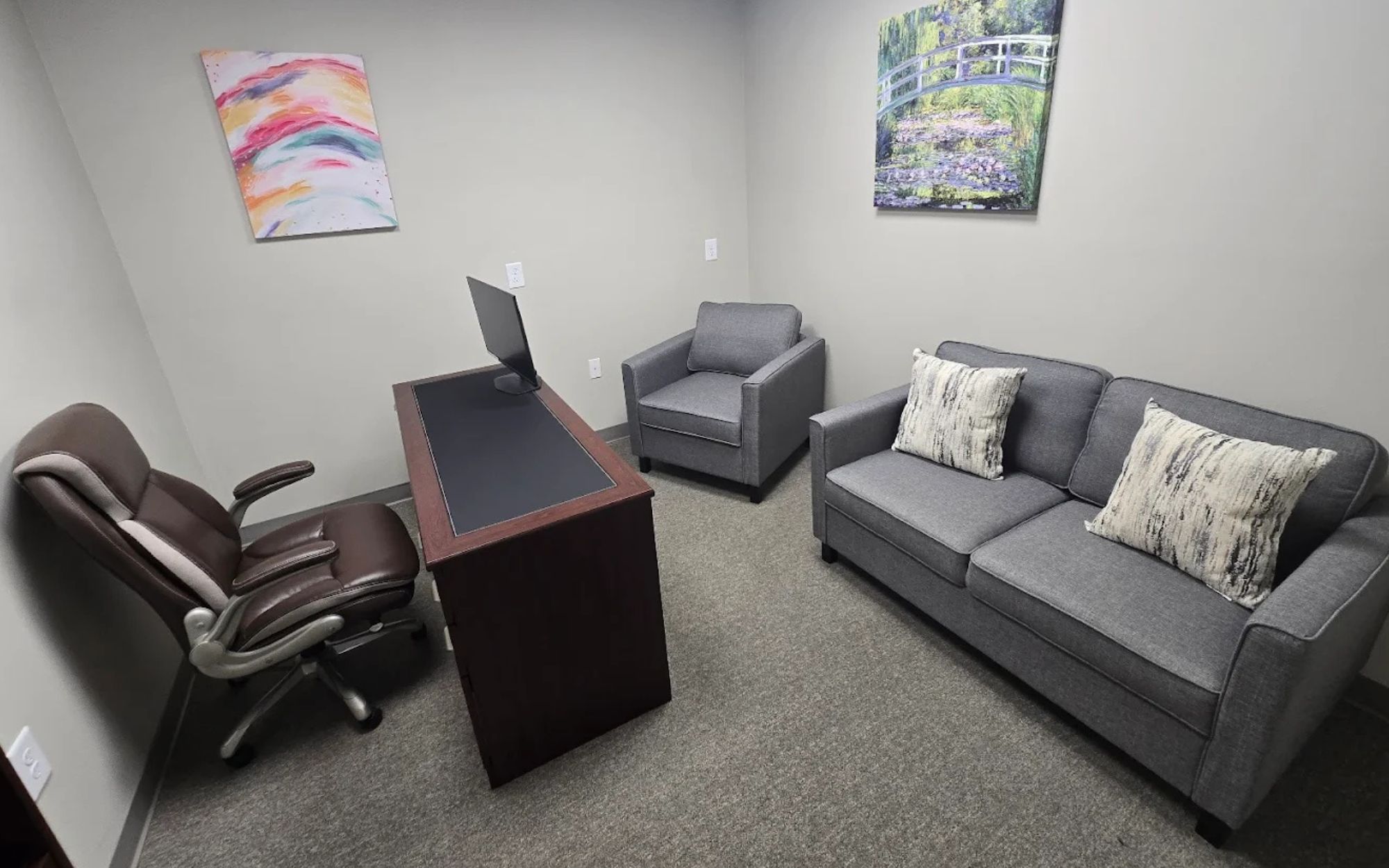
Check out our facility in Atlanta, GA

Discover why our programs are top rated today. Talk with our admissions team about the right treatment plan to bring lasting recovery.

How EMDR therapy differs from other forms of therapy

EMDR, cognitive behavioral therapy, and traditional talk therapy may all support trauma recovery, but they approach difficult memories differently. The right method depends on the personโ€™s symptoms, preferences, diagnosis, and readiness.

Approach Primary focus What a session may involve
EMDR therapy Reducing distress associated with traumatic memories Brief memory recall with bilateral stimulation
Cognitive behavioral therapy Examining thoughts, beliefs, and behaviors Discussion, skill building, and practicing new responses
Traditional talk therapy Exploring emotions, relationships, and past experiences Conversation, reflection, and developing insight
Trauma-informed therapy Creating safety across the treatment process Grounding, collaboration, choice, and careful pacing

EMDR may involve less detailed verbal description than some other forms of trauma therapy. Cognitive behavioral therapy focuses more directly on current beliefs and behaviors, while talk therapy may explore a wider range of emotional and relationship concerns.

No approach is automatically best for everyone. Some people benefit from one primary method, while others combine trauma work with cognitive behavioral therapy Atlanta, recovery skills, and ongoing mental health support.

Trauma therapy in Atlanta and your healing journey

Finding the right support may begin with identifying what you want to change. Some people are primarily seeking relief from intrusive thoughts or physical sensations connected to trauma. Others need support for anxiety, substance use, relationships, or several concerns at once.

Our trauma therapy Atlanta approach provides a compassionate space to explore how past experiences continue to affect present-day recovery. Treatment is paced according to each clientโ€™s stability, symptoms, and goals, without requiring them to revisit difficult memories before they are ready.

If EMDR is being considered, ask whether the available therapist has specific EMDR training and whether the method fits the broader treatment plan. A clinical assessment can also identify when another trauma-informed approach may be more appropriate.

the help you need is here

Recovery starts here

If you or someone you love is struggling with substance use or other mental health issues, Lanier Recovery Center can help. Request a callback below to receive care and support you can trust.

"*" indicates required fields

Outpatient trauma and mental health treatment at Lanier

At Lanier Recovery Center, we provide outpatient care for addiction, trauma-related symptoms, and co-occurring mental health concerns. Treatment can help clients develop coping skills, recognize triggers, strengthen emotional regulation, and understand how trauma may influence substance use.

Depending on clinical needs, care may include PHP Atlanta, IOP Atlanta, or outpatient rehab Atlanta GA. These levels provide different amounts of structure while allowing clients to remain connected to their homes and communities.

Treatment methods depend on the individual plan and available clinicians. Confirm EMDR availability directly rather than assuming it based on the general trauma-informed services described on this page.

What to expect from EMDR therapy in person

In-person EMDR provides a private setting where you and your therapist can work through trauma processing at an appropriate pace. Your therapist can observe changes in body language, pause when needed, and help you return to grounding if emotions or physical sensations become overwhelming.

Practical details also matter. If you are traveling from Sandy Springs or another part of Metro Atlanta, consider appointment length, transportation, and how much time you may need before returning to work or family responsibilities. Planning ahead can help you arrive feeling less rushed and leave with time to settle after the session.

Are EMDR intensives different from weekly sessions?

EMDR intensives involve longer sessions or several sessions scheduled close together rather than the traditional weekly format. This concentrated structure may allow more time for preparation and trauma processing without stopping at the end of a standard appointment.

Some people experience a significant decrease in distress within a few sessions, but responses vary, and no specific timeline can be guaranteed. EMDR is commonly delivered over several weeks, and some clients need additional time because of complex trauma, dissociation, active substance use, or co-occurring mental health symptoms. The American Psychological Association notes that EMDR is often provided over 6 to 12 sessions, although some people benefit from fewer sessions and sessions may occur on consecutive days.

EMDR intensives are not automatically better than weekly therapy. The appropriate schedule depends on emotional stability, treatment goals, outside support, and the therapistโ€™s clinical assessment.

Georgia addiction treatment center

How to begin your recovery journey

We know beginning treatment can feel intimidating, so weโ€™ve made the process simple and stress-free.

1

Get in touch
with us

Call or complete our contact form to connect with an admissions specialist who takes the time to listen and understand your situation.

2

Complete an assessment
& insurance review

Our team will review your history, discuss your needs, and confirm insurance coverage or explore self-pay options to make things easy.
3

Start your
treatment

Begin a personalized program built around your goals, supported by evidence-based care and a compassionate clinical team.

Choosing an eye movement desensitization and reprocessing therapist

The relationship with your therapist matters during trauma processing. Before beginning eye movement desensitization and reprocessing, you should feel comfortable asking about the clinicianโ€™s training, experience with your type of trauma, and approach to emotional safety.

Treatment methods depend on the individual plan, clinical needs, and available therapists. Our team can determine how EMDR may fit alongside therapy, relapse-prevention planning, and other forms of outpatient support. Preparation may include building trust, practicing grounding skills, and identifying how trauma, addiction, anxiety, or depression affect one another.

EMDR training and certification represent different levels of professional development. A trained clinician has completed formal EMDR training, while an EMDR-certified therapist has completed additional consultation, clinical experience, and continuing education. Certification is voluntary and is not required for a properly trained, licensed clinician to provide EMDR therapy.

What sets lanier recovery center apart

Our approach to addiction and mental health treatment is built on comprehensive care, compassionate support, and individualized recovery paths that lead to lasting change.

Depth

We go beyond surface-level treatment to address the root causes of addiction and mental health challenges for lasting healing.

Support

Our compassionate team provides steady guidance, encouragement, and care at every stage of the recovery journey.

Strength

Through personalized therapy and skill-building, we help individuals rediscover confidence and inner resilience.

Accountability

We create structured support systems that promote responsibility, consistency, and long-term recovery success.

Aftercare

Our aftercare planning and alumni support ensure continued connection and stability long after treatment ends.

Flexibility

We offer adaptable treatment options that fit real-life responsibilities while maintaining consistent, high-quality care.

Paying for EMDR therapy and outpatient care

Insurance coverage for mental health and substance use treatment depends on the plan, network, medical-necessity requirements, deductible, and specific service. Coverage for EMDR may also depend on the providerโ€™s credentials and how the session is billed.

Our admissions team can review available benefit information and help verify coverage for outpatient services at Lanier Recovery Center. EMDR coverage depends on the individual plan, network, medical-necessity requirements, and provider credentials.

Lanier Recovery Center can help you
We understand that getting help for addiction can be challenging. Start with a free addiction assessment today.

Frequently asked questions

EMDR is best known as a treatment for PTSD, but a therapist may also consider it when distressing experiences contribute to anxiety, negative beliefs, physical tension, or recurring emotional reactions. A formal PTSD diagnosis is not always required, although a clinical assessment should determine whether EMDR fits your symptoms and treatment goals.

Many therapists offer EMDR virtually using guided eye movements, alternating sounds, or self-tapping. Virtual sessions require privacy, reliable technology, and a plan for managing distress between appointments. Because providing EMDR does not automatically mean offering it through telehealth, confirm virtual availability and insurance coverage before beginning care.

EMDR may support recovery when trauma, emotional pain, or intrusive thoughts contribute to alcohol or drug use. Processing those experiences can reduce the emotional charge associated with certain triggers. At Lanier Recovery Center, EMDR can be incorporated into outpatient addiction and dual diagnosis treatment alongside coping skills, relapse-prevention planning, and mental health support.

No. EMDR does not erase memories or change what happened. The goal is to help the brain process distressing experiences so they feel less immediate and overwhelming. Clients may still remember the event while experiencing less fear, shame, anger, physical tension, or emotional distress when the memory returns.

Readiness depends on current stability, emotional-regulation skills, substance use, safety, and the ability to remain present while discussing difficult experiences. You don’t need to feel completely healed to start, but you should have enough support to manage strong emotions between sessions. Your therapist may begin with history taking, grounding, and preparation before moving into direct trauma processing.

Lanier Recovery Centerโ€™s top values

Every treatment will be uniquely tailored to you, because youโ€™re unique.

Sober living

Our team is 100% sober, including from Alcohol. We help our clients achieve sobriety and stick to it through thick and thin, because sobriety is the foundation of a fulfilling life.

Integrity

Our team is 100% sober, including from Alcohol. We help our clients achieve sobriety and stick to it through thick and thin, because sobriety is the foundation of a fulfilling life.

Everyone belongs

Our team is 100% sober, including from Alcohol. We help our clients achieve sobriety and stick to it through thick and thin, because sobriety is the foundation of a fulfilling life.

Limitless potential

Our team is 100% sober, including from Alcohol. We help our clients achieve sobriety and stick to it through thick and thin, because sobriety is the foundation of a fulfilling life.

Begin trauma recovery with the right support

>Healing does not require you to forget what happened or force yourself through painful memories before you are ready. With the right support, trauma treatment can help you understand difficult emotions, respond differently to triggers, and find relief from patterns that have felt impossible to change. Lanier Recovery Center provides compassionate outpatient addiction and dual diagnosis treatment in Suwanee, Georgia. To discuss your treatment options, contact us by calling (470) 470-5697.

If youโ€™re looking for more information, connect with our team by phone, email, or through our online form. Weโ€™re here to answer your questions, talk through your options, and support you as you begin your path toward lasting recovery.

Sources

National Center for Biotechnology Information. (November 4, 2022). Traumatic experiences and PTSD symptoms in substance use disorders. PMC.

National Center for Biotechnology Information. (June 18, 2020). Traumatic Events and Substance Use Disorders in Adolescents. PMC.

U.S. Department of Veterans Affairs. (August 10, 2018). Eye Movement Desensitization and Reprocessing (EMDR) for PTSD. National Center for PTSD.

National Center for Biotechnology Information. (March 16, 2017). Effectiveness of EMDR in patients with substance use disorder and comorbid PTSD. PMC.

we are here for you

Get the help you need today.

Together, we can help you build a brighter future of wellness.

Free & easy insurance check

alliant
care source
multiplan
united healthcare
cigna
beacon
bluecross
tricare

Request a confidential call

"*" indicates required fields

This field is for validation purposes and should be left unchanged.
Preferred method*
Get Treatment For All Your Healthcare Needs

Other how we treat

Request A Confidential Call

Request a call and a Lanier Recovery Center team member will be in touch.

"*" indicates required fields