Request a call to speak with an admissions specialist. We are here to help you.

"*" indicates required fields

Mood disorder treatment centers

Mood disorder treatment starts with understanding that it’s more than a difficult day or a change in mood. Depression, periods of unusually elevated energy, and substance use can affect sleep, relationships, and the ability to manage everyday responsibilities. When these concerns overlap, you deserve care that considers how they influence one another.
Free Insurance Check

Free & Confidential | HIPAA Compliant | No Obligation

"*" indicates required fields

1
2
3
4
This field is for validation purposes and should be left unchanged.
Mood Disorder Treatment

Understanding mood disorders and substance use

Our dual diagnosis treatment Atlanta approach considers a substance use disorder alongside a co-occurring mental health condition when both are present. Mood symptoms and substance use can affect one another, but neither automatically proves the other exists. Assessment helps clarify what needs attention.

Mood disorders, sometimes called affective disorders, involve significant disturbances in mood and related changes in energy, thinking, or daily functioning. The term commonly includes depressive disorders and bipolar disorders. These conditions differ in their symptoms, course, and treatment needs.

Table of Contents

How mood disorders affect everyday life

Mood disorders affect more than a personโ€™s emotional state. You may notice changes in sleep, appetite, concentration, motivation, or judgment. Someone experiencing depression may struggle to complete familiar tasks, while someone experiencing mania may feel unusually energized despite sleeping very little.

Mood swings alone do not establish a diagnosis. Mental health professionals consider the pattern, duration, severity, and effect of symptoms over time, including periods when you felt well.

Depressive disorders and persistent symptoms

Major depressive disorder involves depressed mood or loss of interest, together with other symptoms, for at least two weeks. Major depression can affect work, relationships, and basic routines; it is not simply a lack of motivation.

Persistent depressive disorder, previously called dysthymia, involves a longer pattern of depressive symptoms lasting at least two years in adults. Symptoms may fluctuate, and a person can also experience more severe depressive episodes. Long-lasting symptoms still deserve attention, even when they feel familiar.

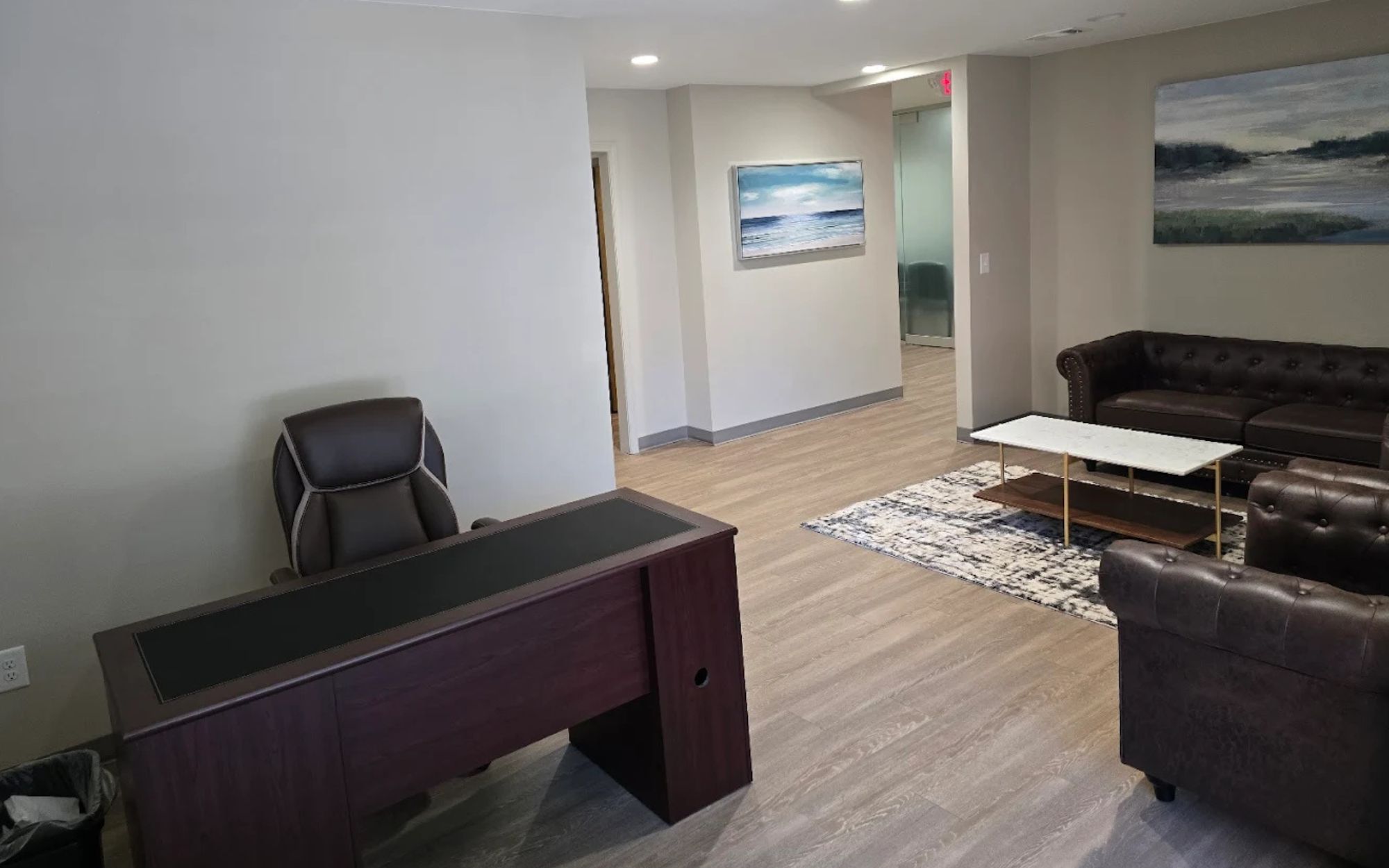
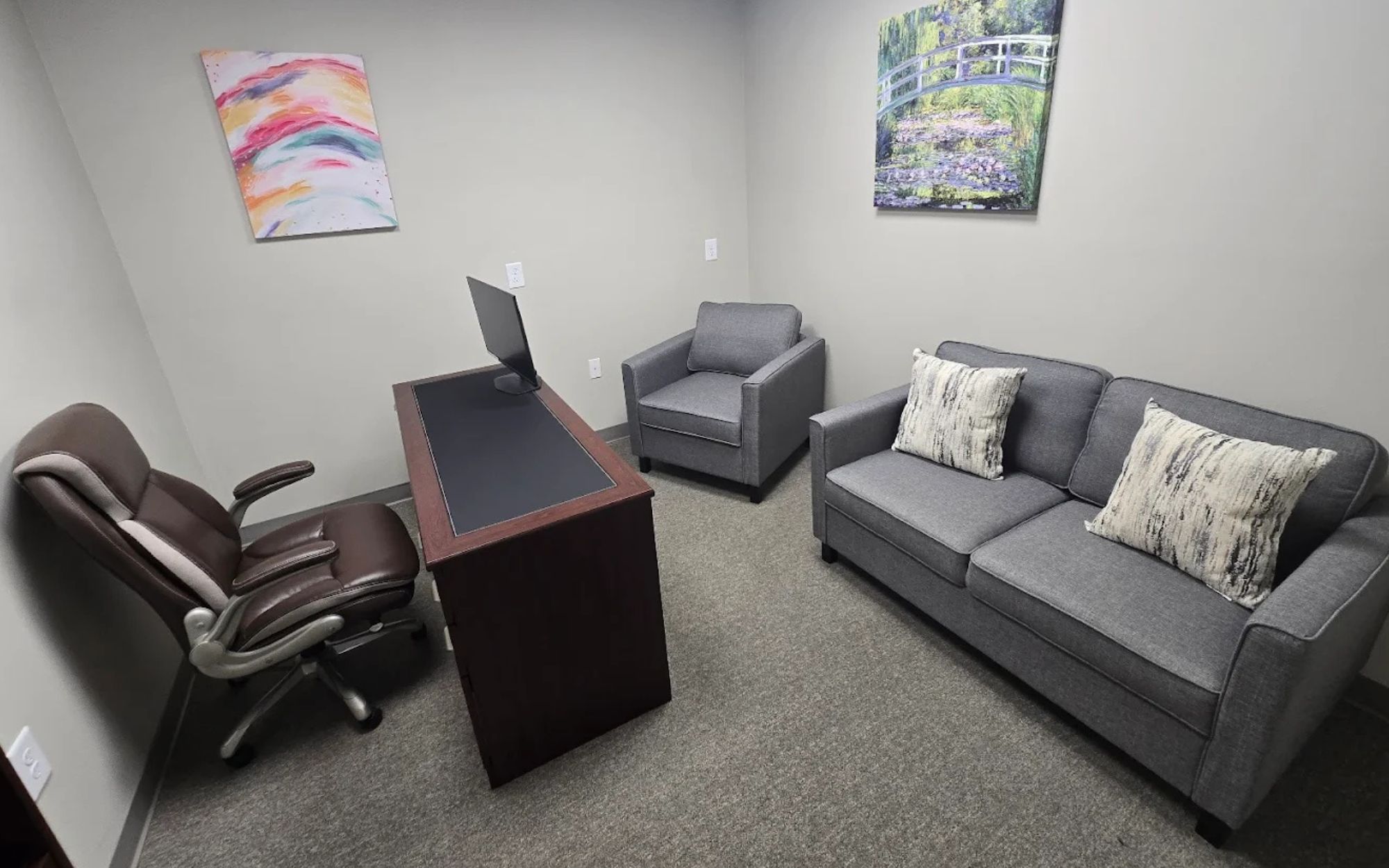
Check out our facility in Atlanta, GA

Discover why our programs are top rated today. Talk with our admissions team about the right treatment plan to bring lasting recovery.

Bipolar disorder and changes in energy

Bipolar I disorder involves at least one manic episode. Depressive episodes commonly occur but are not required for the diagnosis. Bipolar II disorder involves hypomanic episodes and major depressive episodes, without a history of mania. Hypomania is less severe than mania, but bipolar II disorder can still cause substantial difficulties.

Cyclothymic disorder involves recurring hypomanic and depressive symptoms that do not meet the full criteria for those episodes. Other specified or unspecified bipolar and related disorder diagnoses may apply when symptoms do not fit these patterns. An assessment considers the full history, not just how someone feels during one appointment.

Other mood disorders and related presentations

Some depressive symptoms follow a particular timing pattern or occur in a specific context. These distinctions can help guide assessment and treatment.

Condition or presentation Important distinction
Seasonal affective disorder Depression with a recurring seasonal pattern, usually beginning in fall or winter, although summer patterns also occur.
Postpartum depression Depression after childbirth; perinatal depression also includes episodes beginning during pregnancy.
Premenstrual dysphoric disorder Significant mood symptoms linked to the menstrual cycle that disrupt functioning and are more severe than typical premenstrual syndrome.
Disruptive mood dysregulation disorder A childhood condition involving persistent irritability and frequent, severe anger outbursts.
Substance- or medication-induced mood symptoms Mood changes associated with the effects of a substance, medication, or withdrawal that require careful assessment.

These descriptions are starting points for understanding, not a way to diagnose yourself. Similar symptoms can have different explanations, and timing matters when deciding what care is appropriate.

the help you need is here

Recovery starts here

If you or someone you love is struggling with substance use or other mental health issues, Lanier Recovery Center can help. Request a callback below to receive care and support you can trust.

"*" indicates required fields

Risk factors for mood disorders

Genetic factors, family history, chronic stress, and traumatic events can contribute to the risk of developing mood disorders. Childhood adversity may also be relevant. Having a risk factor does not mean a condition is inevitable, and there is rarely one underlying cause.

Physical health, sleep disruption, medications, and substance use can also influence mood. A useful assessment considers these factors without assuming that every symptom is psychological or that a person is responsible for becoming unwell.

How a mood disorder diagnosis is made

A mood disorder diagnosis usually involves reviewing symptoms, medical and family history, previous treatment, and how concerns affect daily life. A physical examination and appropriate laboratory tests may help identify medical contributors, such as thyroid problems. Clinicians use criteria from the Diagnostic and Statistical Manual of Mental Disorders and clinical judgment.

Anxiety disorders, including panic disorder, can occur alongside depression and bipolar disorder. Obsessive-compulsive disorder, personality disorders, and psychotic disorders are distinct diagnostic groups, although some symptoms can overlap. Careful assessment helps avoid treating every mood change as the same condition.

When alcohol or drugs are involved, the timeline becomes especially important. Symptoms before substance use, during intoxication or withdrawal, and during periods of reduced use can help clarify the diagnosis. Treatment and support can begin while that understanding develops.

Georgia addiction treatment center

How to begin your recovery journey

We know beginning treatment can feel intimidating, so weโ€™ve made the process simple and stress-free.

1

Get in touch
with us

Call or complete our contact form to connect with an admissions specialist who takes the time to listen and understand your situation.

2

Complete an assessment
& insurance review

Our team will review your history, discuss your needs, and confirm insurance coverage or explore self-pay options to make things easy.
3

Start your
treatment

Begin a personalized program built around your goals, supported by evidence-based care and a compassionate clinical team.

Medication in mood disorder treatment

Medication may be one part of a treatment plan, depending on the diagnosis, symptom severity, medical history, and your preferences. Different medications serve different purposes. The choice should reflect whether treatment is addressing depression, mania, prevention of future episodes, or another concern.

Medication management includes reviewing benefits, side effects, interactions, and changes in symptoms. It should also give you room to ask questions about what to expect and when to contact the prescriber.

Antidepressants for depressive disorders

>Selective serotonin reuptake inhibitors, or SSRIs, are commonly prescribed to treat depression. Other antidepressant classes may also be appropriate. For some people with mild depression, talk therapy may be an initial option; more severe symptoms may call for medication and psychotherapy together.

Antidepressants usually take several weeks to work. The National Institute of Mental Health notes that benefits often develop over four to eight weeks, with sleep, appetite, or concentration sometimes improving before mood. Early follow-up helps assess tolerability and emerging concerns

Mood stabilizers and bipolar disorder

Mood stabilizers and certain atypical antipsychotic medications are commonly used in bipolar disorder treatment. The medication chosen for an acute manic episode may differ from the approach used for bipolar depression or ongoing prevention.

Antidepressants alone can trigger mania or mood instability in some people with bipolar disorder, particularly bipolar I disorder. Tell your prescriber about previous periods of unusually elevated mood, impulsive behavior, or reduced need for sleep, even if those periods felt productive.

Medication safety when substance use is involved

Alcohol, other drugs, supplements, and prescribed medications can interact in ways that affect alertness, judgment, or physical health. Risks depend on the specific combination. Some anti-anxiety medications also carry dependence and withdrawal risks that need consideration when substance use is part of the history.

Keep your prescriber informed about everything you take and report side effects or sudden changes in mood. Do not stop or adjust medication on your own. Some treatments require blood tests or other monitoring, and the prescriber should explain why those checks matter.

Therapy for depression and bipolar disorder

Talk therapy can help you understand patterns in thoughts, behavior, relationships, and substance use. It can also provide practical ways to manage symptoms and recognize changes that deserve attention. The approach should match the diagnosis and your treatment goals.

For bipolar disorder, psychotherapy commonly works alongside medication. For depressive disorders, the combination depends on severity, previous response, and individual needs.

Cognitive behavioral therapy and daily coping

Our cognitive behavioral therapy Atlanta approach can help you examine connections between thoughts, feelings, and actions. You might explore an assumption such as โ€œOne difficult day means I am failingโ€ and practice a more balanced response.

Cognitive behavioral therapy (CBT) doesn’t require pretending real problems are easy. Sessions can focus on manageable actions, problem-solving, and responses to cravings or low motivation. Progress may involve using a skill sooner rather than struggling again.

Relationships, routines, and communication

Interpersonal therapy focuses on relationships and life events that affect mood. For bipolar disorder, interpersonal and social rhythm therapy also considers the regularity of daily routines. These approaches illustrate why treatment may address both emotional symptoms and the circumstances surrounding them.

Through individual therapy Atlanta, personal concerns can be discussed privately. Group therapy Atlanta may provide opportunities to learn from others and practice communication when group participation fits the treatment plan.

Family involvement and support

Our family therapy Atlanta approach may help loved ones discuss boundaries, expectations, and ways to support recovery. Participation should reflect your circumstances, preferences, and safety, not be treated as a requirement for everyone.

Family-focused therapy is a structured approach used in bipolar disorder care that combines education, communication skills, and problem-solving. General family therapy and a formal family-focused treatment program are not necessarily the same service.

What sets lanier recovery center apart

Our approach to addiction and mental health treatment is built on comprehensive care, compassionate support, and individualized recovery paths that lead to lasting change.

Depth

We go beyond surface-level treatment to address the root causes of addiction and mental health challenges for lasting healing.

Support

Our compassionate team provides steady guidance, encouragement, and care at every stage of the recovery journey.

Strength

Through personalized therapy and skill-building, we help individuals rediscover confidence and inner resilience.

Accountability

We create structured support systems that promote responsibility, consistency, and long-term recovery success.

Aftercare

Our aftercare planning and alumni support ensure continued connection and stability long after treatment ends.

Flexibility

We offer adaptable treatment options that fit real-life responsibilities while maintaining consistent, high-quality care.

Severe depression and other treatments

If symptoms remain difficult despite treatment, the next step is a careful review. A clinician may reconsider the diagnosis, medication dose and duration, side effects, substance use, sleep, and other medical or mental health concerns. Limited improvement does not automatically mean every standard treatment has failed.

Treatment-resistant depression generally refers to depression that has not improved after adequate trials of at least two antidepressants. Decisions about further treatment depend on the details of those trials and the personโ€™s current needs.

Brain stimulation therapy

Brain stimulation therapy may be considered when other treatments have not provided enough benefit. Repetitive transcranial magnetic stimulation uses magnetic pulses, while electroconvulsive therapy is performed under anesthesia with medical monitoring. These procedures differ in indications, benefits, and risks.

Electroconvulsive therapy may also be considered earlier when severe depression requires a rapid response, including some life-threatening situations. Specialized treatments require their own assessment and should not be assumed to be included in a general outpatient program.

Seasonal affective disorder and light therapy

Seasonal affective disorder (SAD) involves depressive episodes with a recurring seasonal pattern. Bright light therapy is one treatment used for winter-pattern SAD, sometimes alongside psychotherapy or medication.

Discuss light therapy with a clinician before beginning, particularly if you have bipolar disorder, eye conditions, or take medications that increase light sensitivity. Timing and monitoring matter; a light device is not a substitute for assessment.

Supporting mental health between appointments

Daily routines can support mood disorder treatment, but they do not replace clinical care. Start with changes that fit your energy, health, and responsibilities. Helpful areas to discuss with your treatment team include:

  • Keeping sleep and wake times as consistent as possible.
  • Building in manageable physical activity.
  • Eating regular meals and staying hydrated.
  • Tracking meaningful changes in mood, energy, sleep, and substance use.
  • Staying connected with supportive people.
  • Following a medically appropriate plan for reducing or stopping substance use.

You do not have to change every habit at once. If physical dependence is possible, ask about withdrawal risks before abruptly stopping alcohol or certain drugs. Treatment should help you approach change safely.

Signs it may be time for additional support

You may need to review your care when symptoms begin interfering more with everyday life. Concerns worth discussing include the following.

  • Depression or loss of interest that makes usual responsibilities difficult.
  • Sleeping much less while feeling unusually energized or irritable.
  • Increasing impulsivity, spending, or other risky behavior.
  • Relying more heavily on alcohol or drugs to manage mood.
  • Difficulty following the treatment plan because of side effects or practical barriers.

These patterns are reasons to seek assessment, not proof of a particular diagnosis. You can ask for help before symptoms affect every part of your life.

Outpatient support for co-occurring concerns

At Lanier Recovery Center in Suwanee, Georgia, our outpatient addiction services consider co-occurring mental health concerns as part of the treatment conversation. An assessment helps determine whether the available care matches your current needs.

You can ask about the recommended schedule, the goals of treatment, and how care would fit around work or family responsibilities. A useful plan should reflect both clinical needs and the practical realities of attending.

Choosing an outpatient level of care

Our PHP Atlanta program provides a more intensive daytime outpatient structure. Our IOP Atlanta program offers structured care with fewer treatment hours than PHP. The recommendation depends on assessment rather than the diagnosis alone.

Outpatient rehab Atlanta GA may be appropriate when less frequent support meets your needs. You don’t have to move through every program in a fixed order, and you can reconsider treatment intensity as circumstances change.

When higher levels of care are required

When higher levels of care are required, outpatient treatment may not provide enough support. Severe manic episodes, psychosis, significant withdrawal risk, or depression that prevents basic self-care may require urgent assessment and a more intensive setting.

If there is immediate danger, a suspected overdose, or an inability to stay safe, seek emergency medical care. An admissions conversation should not delay urgent evaluation.

Lanier Recovery Center can help you
We understand that getting help for addiction can be challenging. Start with a free addiction assessment today.

Frequently asked questions

Yes. Symptoms of mood disorders can include irritability, loss of interest, low energy, or difficulty concentrating rather than obvious sadness. Frequent anger outbursts deserve discussion but do not establish a diagnosis on their own. Describe changes from your usual behavior, how long they last, and what else happens alongside them. Depression occurs differently across individuals, so another personโ€™s experience may not look like yours.

Yes. Certain medical conditions, including thyroid disorders, can cause symptoms that resemble depression or other mood disorder symptoms. Medications, sleep problems, and substance use may also contribute. A clinician may recommend a physical examination or targeted testing based on your history. Mood changes alone do not mean you have brain tumors or require brain imaging, and routine brain scans cannot establish a mood disorder diagnosis.

Tell your clinician about periods when you felt unusually energized, needed much less sleep, or made decisions that were out of characterโ€”even if those periods felt positive. Recognizing manic and depressive episodes helps distinguish bipolar disorder from major depression and other depressive disorders. You can bring notes or, with your permission, observations from someone you trust. The full pattern can influence which treatments are appropriate.

Report changes such as dizziness, weight gain, sleep disruption, or difficulty concentrating to your prescriber. Side effects vary by medication, and an adjustment may help, but do not stop or change the dose independently. The aim is to alleviate symptoms while keeping treatment tolerable and safe. Ask which effects require prompt attention and what monitoring is needed. Decisions about medications used to treat mood disorders should also consider alcohol, other drugs, and supplements.

Yes. When involvement is appropriate, sessions can help loved ones understand symptoms, communicate concerns, and agree on practical support. Family-focused therapy is a structured approach used alongside medication in bipolar disorder care; general family involvement is not necessarily the same treatment. Psychotherapy often combines with medication to treat mood disorders, while the role of family support depends on your preferences, relationships, and clinical needs.

Lanier Recovery Centerโ€™s top values

Every treatment will be uniquely tailored to you, because youโ€™re unique.

Sober living

Our team is 100% sober, including from Alcohol. We help our clients achieve sobriety and stick to it through thick and thin, because sobriety is the foundation of a fulfilling life.

Integrity

Our team is 100% sober, including from Alcohol. We help our clients achieve sobriety and stick to it through thick and thin, because sobriety is the foundation of a fulfilling life.

Everyone belongs

Our team is 100% sober, including from Alcohol. We help our clients achieve sobriety and stick to it through thick and thin, because sobriety is the foundation of a fulfilling life.

Limitless potential

Our team is 100% sober, including from Alcohol. We help our clients achieve sobriety and stick to it through thick and thin, because sobriety is the foundation of a fulfilling life.

Take the next step toward steadier days

If mood symptoms and substance use are making everyday life harder, you do not have to sort through every question alone. Our team at Lanier Recovery Center can discuss your concerns, explain our outpatient services, and help you understand whether they fit your needs. Contact us by calling (470) 470-5697 to learn more.

If youโ€™re looking for more information, connect with our team by phone, email, or through our online form. Weโ€™re here to answer your questions, talk through your options, and support you as you begin your path toward lasting recovery.

Sources

National Institute on Drug Abuse. (2019). Chapter 4โ€”Mental and Substance-Related Disorders. National Institute on Drug Abuse.

Grant, B. F., et al. (2020). Prevalence of comorbid substance use in major depressive disorder. PubMed.

Brady, K. T., & Sinha, R. (2005). Mood Disorders and Substance Use Disorder: A Complex Comorbidity. National Institutes of Health.

National Institute of Mental Health. (n.d.). Finding Help for Co-Occurring Substance Use and Mental Disorders. National Institute of Mental Health.

Centers for Disease Control and Prevention. (2025). Drinking Alcohol While Using Other Drugs Can Be Deadly. Centers for Disease Control and Prevention.

Centers for Medicare & Medicaid Services. (n.d.). Mental health & substance use disorders. Medicare.

we are here for you

Get the help you need today.

Together, we can help you build a brighter future of wellness.

Free & easy insurance check

alliant
care source
multiplan
united healthcare
cigna
beacon
bluecross
tricare

Request a confidential call

"*" indicates required fields

This field is for validation purposes and should be left unchanged.
Preferred method*
Get Treatment For All Your Healthcare Needs

Other Mental health treatments

Request A Confidential Call

Request a call and a Lanier Recovery Center team member will be in touch.

"*" indicates required fields