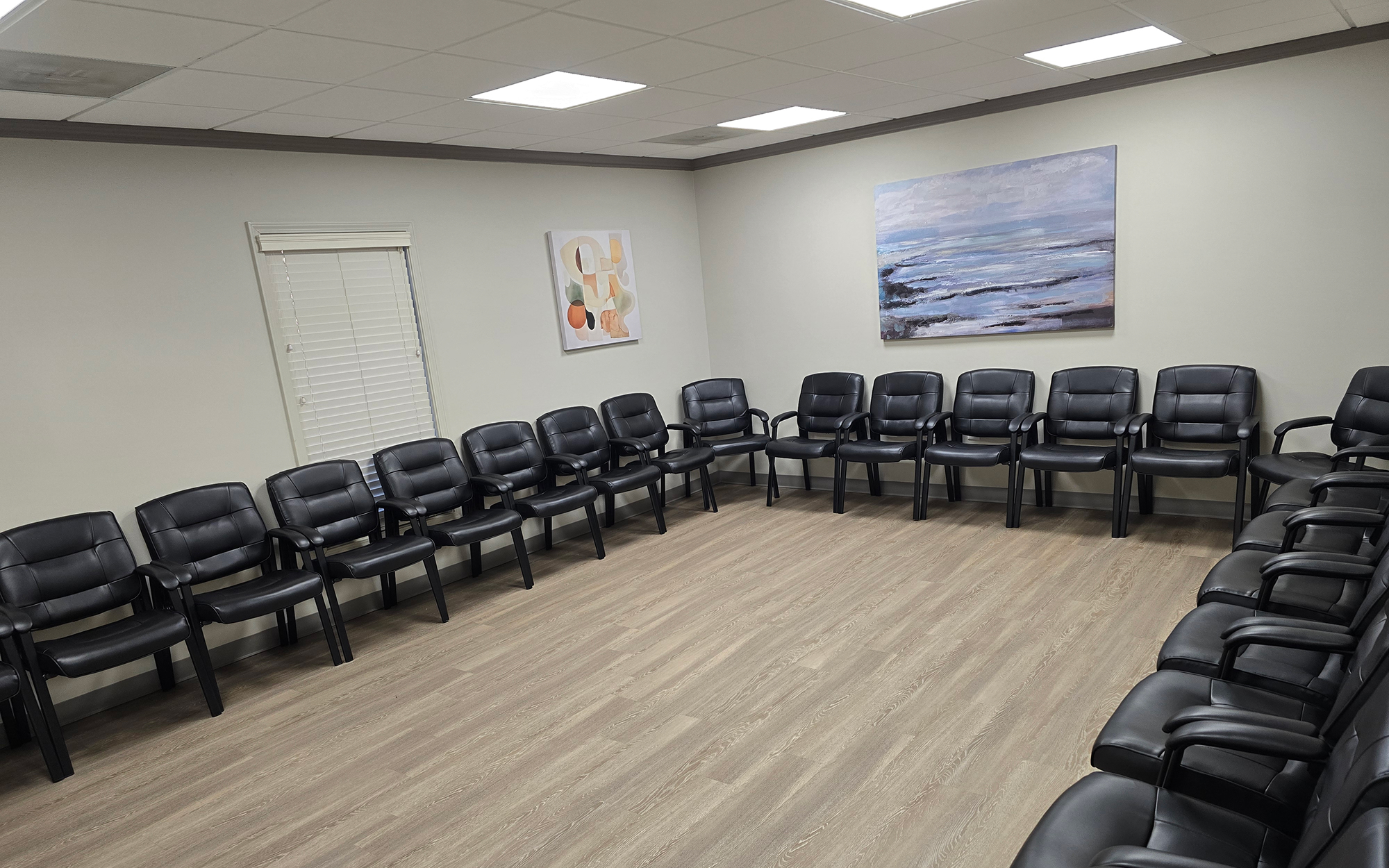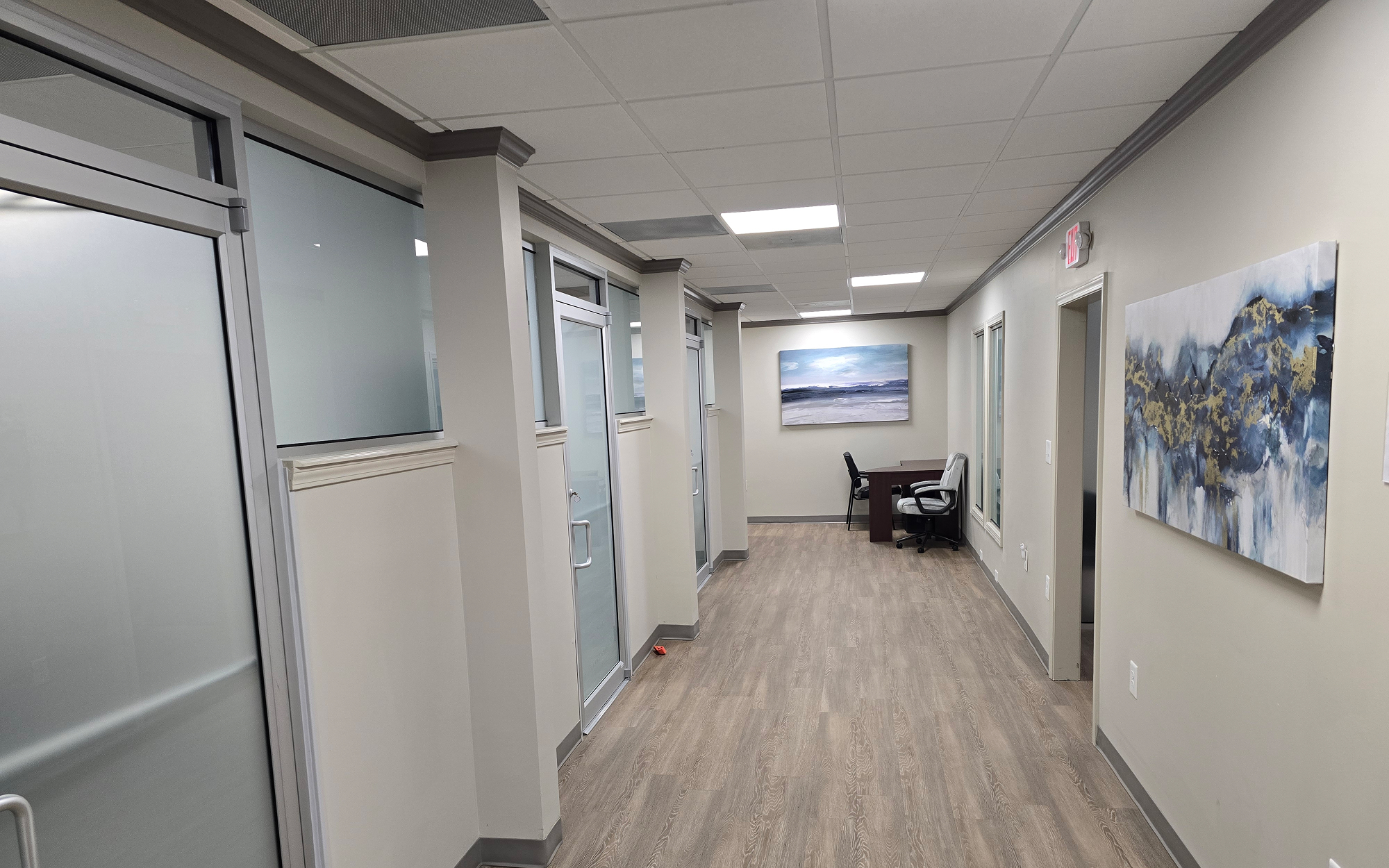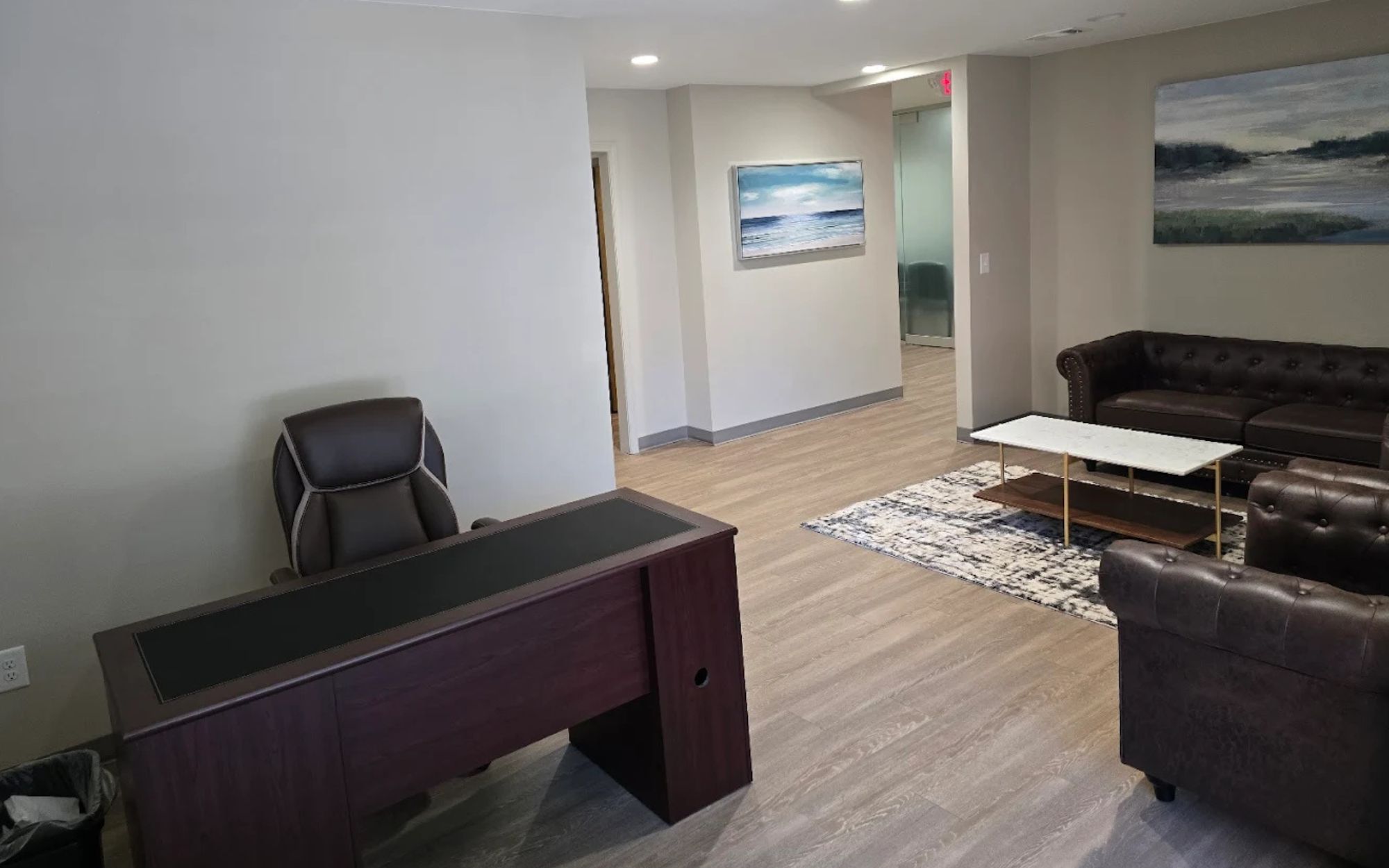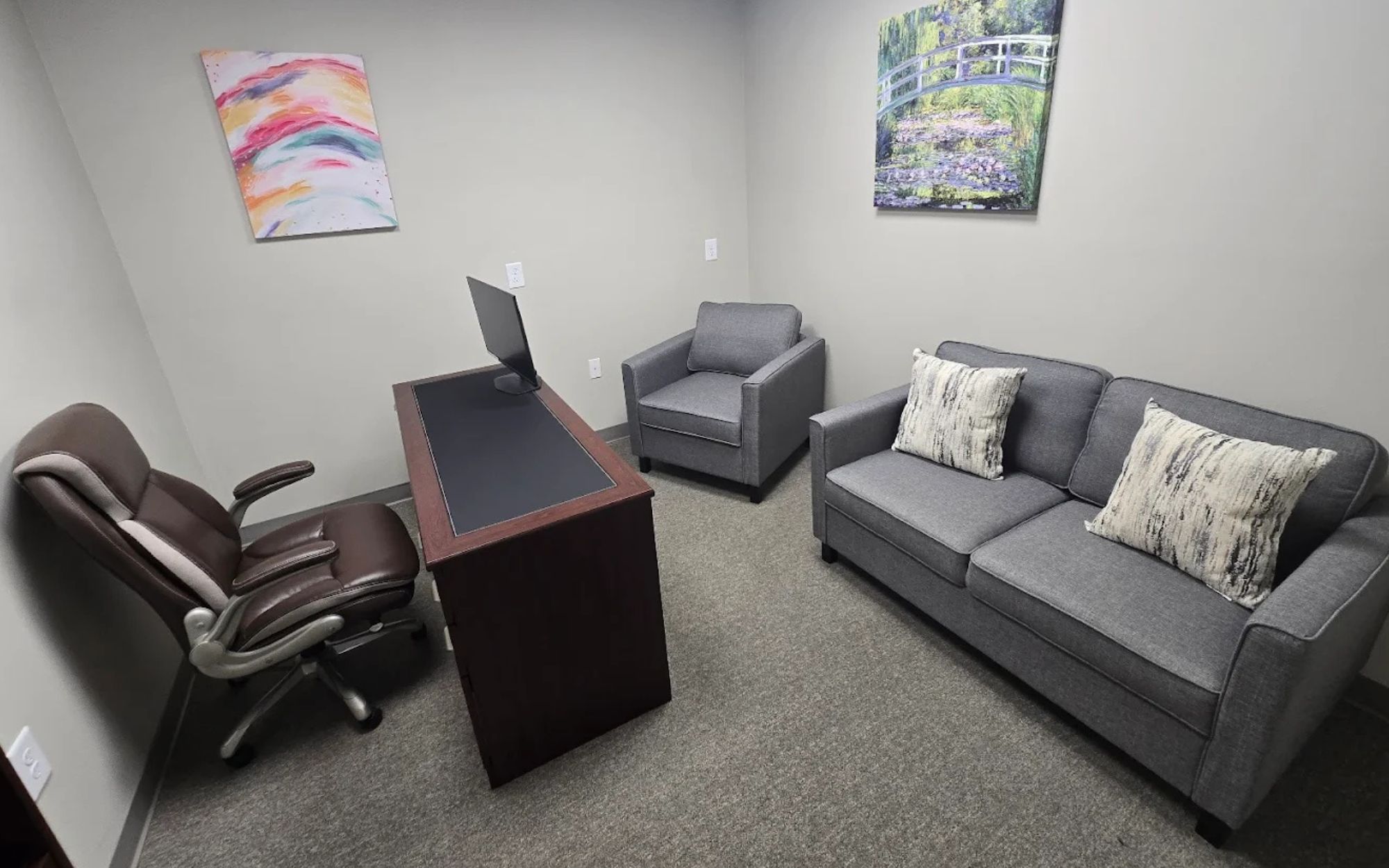
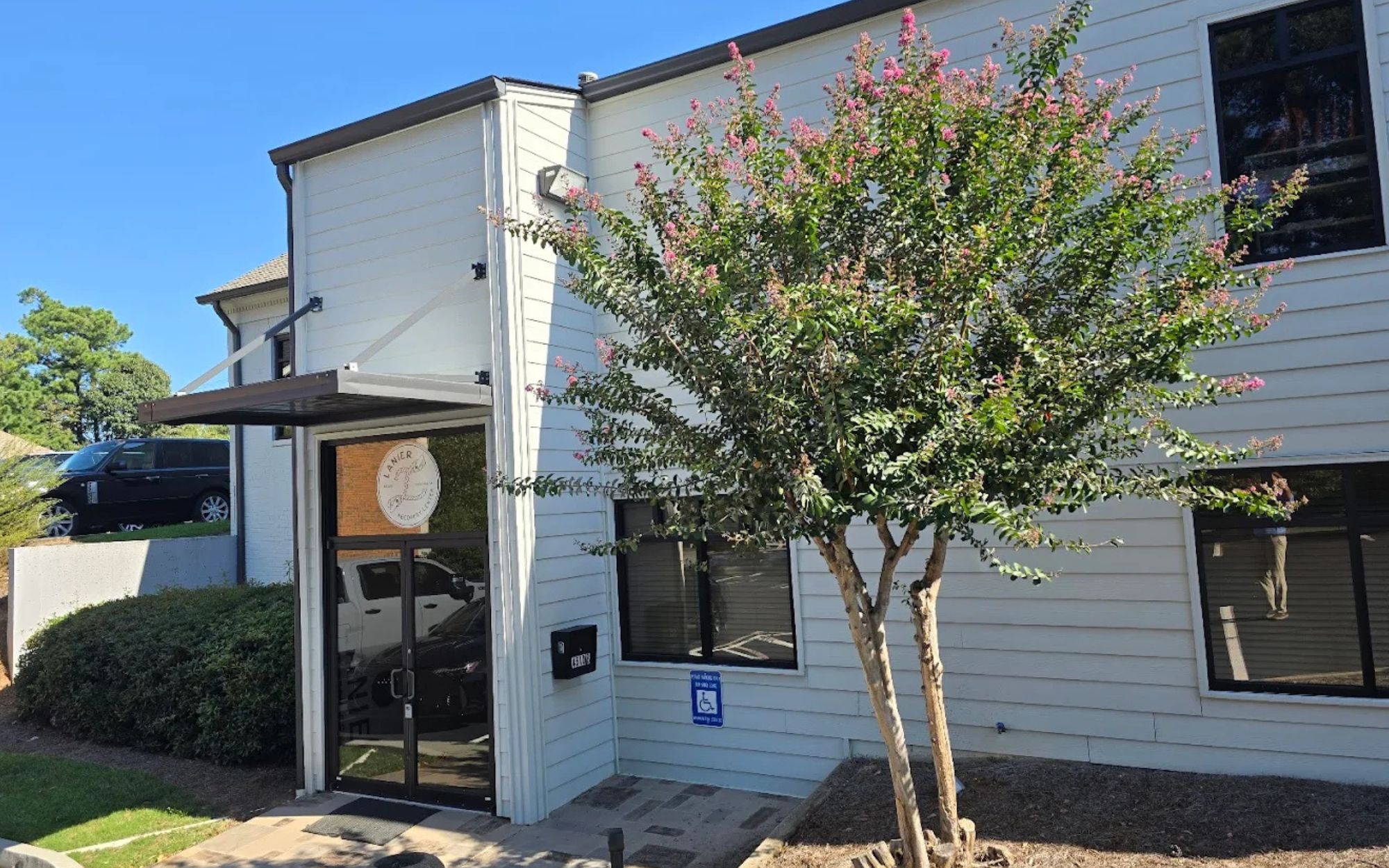
Our Location

4510 Nelson Brogdon Blvd, Sugar Hill, GA 30518

Call Us

(470) 470-5697

Outpatient Therapy for Obsessions, Compulsions, and Lasting Relief

Obsessive-Compulsive Disorder (OCD) is a mental health condition marked by persistent, unwanted thoughts (obsessions) and repetitive behaviors or rituals (compulsions) performed to reduce anxiety. While it’s often minimized in popular culture, OCD can be deeply distressing and interfere with daily functioning.

At Lanier Recovery Center, we provide specialized outpatient treatment for OCD in Atlanta. Our approach addresses both the obsessive thought patterns and the compulsive behaviors through clinically proven therapies like Cognitive Behavioral Therapy (CBT) and Exposure and Response Prevention (ERP). We offer PHP, IOP, and OP levels of care, each tailored to meet your needs with flexibility and support.
What Is OCD?

OCD is classified as an anxiety disorder, but it involves more than just feeling nervous or worried. It is characterized by:

  • Obsessions: intrusive, distressing, and unwanted thoughts, images, or urges

  • Compulsions: repeated behaviors or mental rituals performed to neutralize the anxiety caused by obsessions

OCD affects about 2–3% of the U.S. population. It is a chronic condition, but with the right treatment, most people experience significant relief from symptoms and can regain control over their lives.

Examples of Common OCD Symptoms

Obsessions may include:

  • Fear of contamination from germs or dirt

  • Intrusive thoughts of harming oneself or others

  • Fear of causing something terrible by being careless (e.g., leaving the stove on)

  • Unwanted religious or sexual thoughts

  • Needing things to be symmetrical or “just right”

Compulsions may include:

  • Excessive hand washing or cleaning

  • Checking locks, appliances, or safety repeatedly

  • Counting, tapping, or repeating phrases silently

  • Rearranging items until they feel “perfect”

  • Seeking constant reassurance from others

While these behaviors may seem irrational to outsiders, they feel urgent and necessary to the person experiencing them.

Daily Challenges of Living with OCD

OCD can disrupt every aspect of life, from getting out the door in the morning to maintaining relationships or holding down a job. Common struggles include:

  • Spending hours a day performing rituals or avoiding triggers

  • Missing work, school, or appointments due to compulsive behaviors

  • Feeling exhausted from constant mental repetition and fear

  • Avoiding loved ones out of fear of contaminating or harming them

  • Experiencing shame or embarrassment about symptoms

  • Difficulty explaining the condition to others or being misunderstood as “quirky” or “particular”

These challenges can isolate individuals and increase the risk of co-occurring conditions like depression, anxiety, or substance misuse. At Lanier Recovery Center, we address the full scope of your experience with compassion and expertise.

How We Treat OCD at Lanier Recovery Center

Our OCD treatment programs are built around evidence-based approaches that target both obsessions and compulsions. We understand that breaking the cycle of OCD requires structured, gradual exposure and consistent support.

Core elements of our treatment approach include:

  • Exposure and Response Prevention (ERP): The gold-standard therapy for OCD. ERP involves gradually exposing clients to feared thoughts or situations and helping them resist the urge to perform compulsions.

  • Cognitive Behavioral Therapy (CBT): Helps clients recognize and restructure distorted thoughts that maintain obsessive thinking

  • Mindfulness-Based Strategies: Teach clients how to observe their thoughts without reacting to them or engaging in compulsive responses

  • Individual Therapy: One-on-one support to understand the roots of OCD and build coping strategies

  • Group Therapy: Peer support and shared insight to reduce isolation and shame

  • Family Education and Support: Helps loved ones avoid enabling compulsions and encourages supportive, healthy boundaries

  • Medication Support (as needed): SSRIs and other medications can help reduce intrusive thoughts and anxiety

Levels of Care

We offer three levels of outpatient treatment to accommodate different levels of symptom severity:

Partial Hospitalization Program (PHP)

Structured five-day-per-week care for individuals needing intensive daily support without 24-hour supervision.

Intensive Outpatient Program (IOP)

Offers treatment three to five days per week with flexible scheduling to allow for work, school, or home responsibilities.

Outpatient Program (OP)

For clients with milder symptoms or those transitioning from IOP or PHP. OP focuses on maintaining progress with regular check-ins and support.

Each program is customized to your needs and goals, ensuring that you receive the right level of care at every stage of your recovery.

Why Choose Lanier Recovery Center for OCD Treatment?

  • Specialized ERP and CBT Expertise: Our clinicians are trained in the most effective OCD treatment protocols

  • Trauma-Informed Environment: Many people with OCD have a history of trauma. We ensure care is safe, respectful, and emotionally supportive

  • Whole-Person Approach: We address co-occurring conditions, including anxiety, depression, and substance use

  • Flexible Outpatient Options: Treatment fits into your life, not the other way around

  • Compassionate, Experienced Team: We understand the intensity of OCD and offer care that is both structured and deeply empathetic

Frequently Asked Questions

How is OCD diagnosed?
OCD is diagnosed through a psychological evaluation based on symptoms, severity, and impact on functioning. Our team conducts a comprehensive assessment at intake.

Is medication required to treat OCD?
Medication is not always required but can be beneficial, especially when combined with therapy. SSRIs are commonly prescribed and can reduce the frequency and intensity of obsessive thoughts.

How long does OCD treatment take?
Recovery timelines vary. Some clients see improvement in a few months with ERP and CBT, while others benefit from longer-term support.

Will I have to face my fears right away in ERP?
ERP is gradual and done at your pace. You’ll work with your therapist to develop a hierarchy of fears and build confidence step by step.

Can OCD come back after treatment?
OCD is a chronic condition, but treatment helps reduce symptoms and teaches long-term management strategies. Periodic check-ins or booster sessions may be helpful.

Start OCD Treatment in Atlanta Today

If you’re struggling with unwanted thoughts and compulsive behaviors, you’re not alone—and you don’t have to manage it on your own. At Lanier Recovery Center, our OCD outpatient programs provide the guidance, structure, and compassion you need to regain control and reduce anxiety.

Contact us today to begin your OCD treatment in Atlanta and take the first step toward a healthier, freer life.

Our Services

Get Started On Your Journey

Call Us

(470) 470-5697

Our Location

4510 Nelson Brogdon Blvd, Sugar Hill, GA 30518

Email us

admin@lanierrecoverycenter.com