Request a call to speak with an admissions specialist. We are here to help you.

"*" indicates required fields

Gaming addiction rehab in Georgia

Video game addiction treatment can help individuals rebuild healthy routines, improve mental health, and regain balance after excessive gaming begins affecting daily life. Professional support may help teens, young adults, and families address gaming addiction, social withdrawal, anxiety, depression, and other underlying issues connected to compulsive online behavior. You might notice that gaming, once a way to unwind, has started quietly nudging out time with friends or creeping into work hours. The good news is video game addiction is a real and treatable condition, and there are recovery options that respect your need to stay connected to your loved ones and your job.
Free Insurance Check

Free & Confidential | HIPPA Compliant | No Obligation

"*" indicates required fields

1
2
3
4
This field is for validation purposes and should be left unchanged.
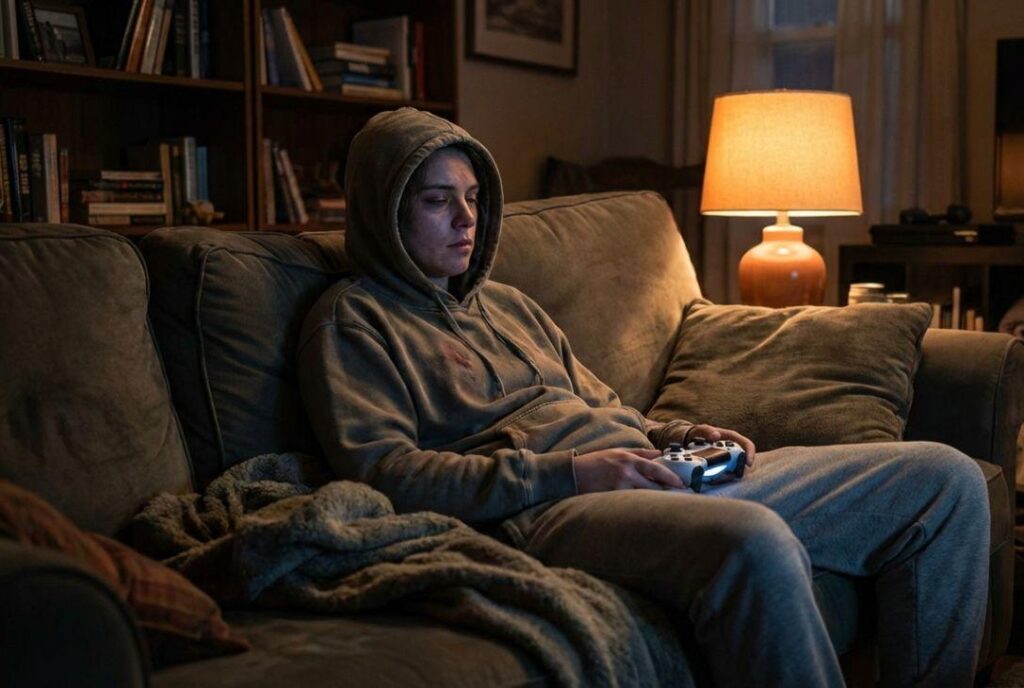
Relaxed young woman in hoodie using smartphone on sofa at home during evening.

Gaming addiction help

Gaming addiction can affect relationships, school performance, work responsibilities, physical health, and emotional well-being when playing video games becomes difficult to control. Many gaming addicts experience anxiety, depression, social anxiety, irritability, withdrawal symptoms, and a growing inability to step away from online video games or other pleasurable activities. The World Health Organization classifies internet gaming disorder as a serious mental health concern that may require professional treatment and long-term support. Gaming addiction treatment often focuses on identifying underlying issues. Learn more about the addictions and mental health conditions we treat.

Table of Contents

What is video game addiction?

Video game addiction happens when playing games shifts from a harmless hobby to a compulsive need. For most people, gaming is a fun way to relax after a long day.

However, for a small percentage of adults, it becomes an overwhelming drive that takes over daily life. When a person cannot stop playing despite negative consequences at work or home, it points to a deeper issue that requires professional support.

The clinical term for this condition is internet gaming disorder. It is recognized by the DSM-5-TR as a condition for further study. This means mental health professionals are actively researching its effects and establishing standardized care guidelines.

Current data from the Rutgers Addiction Research Center suggests that prevalence in the general population ranges from 0.3% to 1.0%. While this percentage might seem small, it represents millions of people who need dedicated mental health support.

Gaming addiction shares many similarities with other behavioral addictions. When a person plays a highly engaging video game, their brain releases dopamine. Dopamine is a chemical messenger that creates feelings of pleasure and reward.

Over time, the brain begins to rely on this intense stimulation just to feel normal. The individual must play more frequently to achieve the same feeling.

Because this condition hijacks the brain’s natural reward system, it often overlaps with other mental health challenges. Finding a comprehensive dual diagnosis treatment Atlanta program can help individuals address both the behavioral compulsion and any underlying mood concerns at the same time.

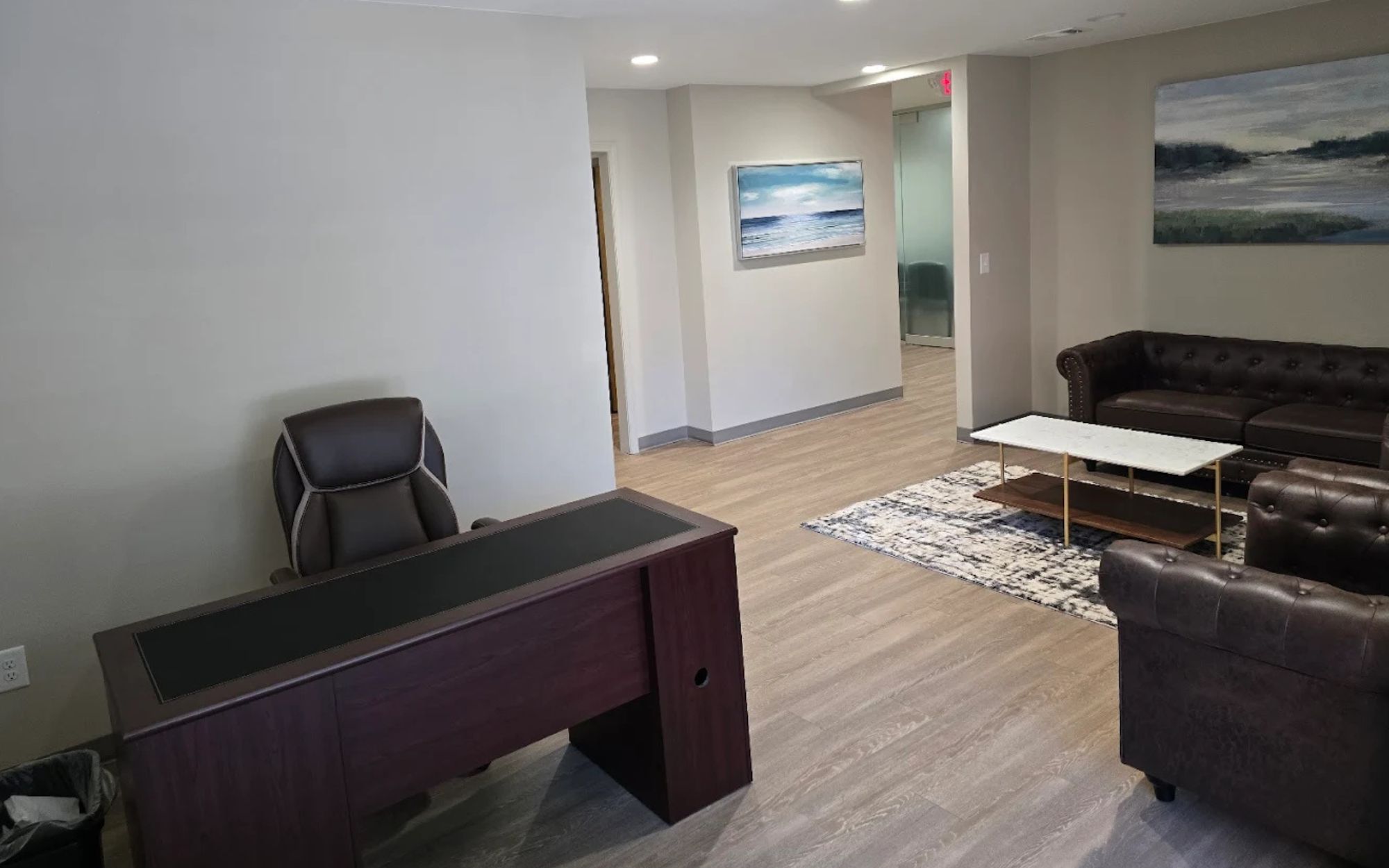
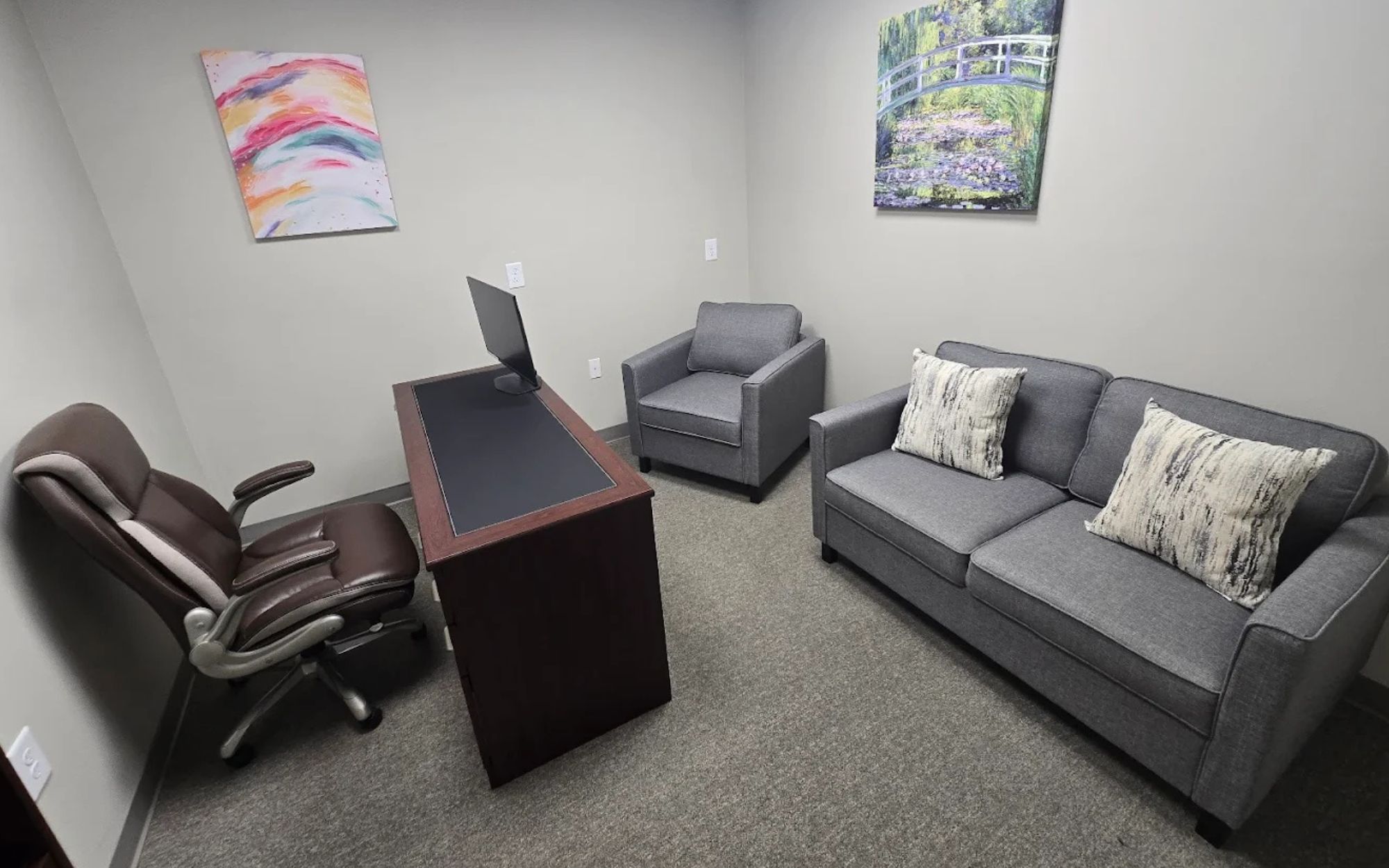
Check out our facility in Atlanta, GA

Discover why our programs are top rated today. Talk with our admissions team about the right treatment plan to bring lasting recovery.

What are the signs and symptoms of video game addiction?

It can be difficult to tell the difference between heavy gaming habits and a true addiction. The DSM-5 outlines specific criteria to help professionals identify internet gaming disorder.

A formal diagnosis typically requires a person to experience at least five of these emotional and behavioral symptoms within a 12-month period.

Key emotional and behavioral symptoms:

  • Preoccupation. Thinking about gaming constantly, even when focused on other important tasks.
  • Withdrawal. Feeling restless, irritable, or deeply sad when gaming is not possible.
  • Tolerance. Needing to play for much longer periods to feel satisfied.
  • Loss of control. Trying to cut back on screen time but failing repeatedly.
  • Loss of interest. Giving up previous hobbies, social events, or outside activities to play games.
  • Continued overuse. Playing excessively despite knowing it is causing relationship or career problems.
  • Deception. Lying to family members or loved ones about how much time is spent playing.
  • Mood regulation. Using games as the only way to escape anxiety, guilt, or negative feelings.
  • Jeopardizing life goals. Risking or losing a significant job, relationship, or educational opportunity due to gaming habits.

In addition to these emotional signs, prolonged play causes noticeable physical symptoms. A report from Harvard Health Publishing highlights that excessive gaming often leads to severe digital eye strain, chronic back pain, and repetitive stress injuries like carpal tunnel syndrome.

Individuals may also experience malnourishment from skipping meals and severe sleep deprivation from playing late into the night.

You cannot diagnose yourself with internet gaming disorder. However, honestly recognizing these signs is the essential first step toward getting meaningful gaming addiction help.

Social isolation and physical pain do not have to be permanent parts of your life.

What causes video game addiction and its risks?

The root causes of video game addiction are complex and rarely tied to a single issue. For many adults, online gaming begins as a simple coping mechanism. It provides an accessible way to escape real-life stressors, work pressure, or relationship conflicts. When the digital world feels safer or more rewarding than reality, the desire to stay logged in grows stronger.

Modern game design also plays a massive role in building compulsive habits. Many games feature in-game purchases, loot boxes, and endless content updates.

These elements are designed to act much like gambling. They provide randomized rewards that keep players hooked and chasing the next rare item. The constant feedback loop makes it incredibly difficult to log off.

Underlying mental health issues are another major contributing factor. Co-occurring disorders, such as untreated anxiety, depression, or ADHD, often drive individuals toward excessive gaming. The structured rules and immediate rewards of a game can temporarily soothe a mind struggling with emotional distress.

Over time, the long-term effects of this condition become severe. Players often face intense social isolation as their digital friends replace their real-world connections.

Career impact is also common, with missed deadlines and chronic fatigue leading to job loss. Furthermore, declining physical health from a sedentary lifestyle creates compounding medical problems.

It is important to remember that not everyone who plays games will develop a problem. The defining line is a complete loss of control. If you are researching how to stop gaming addiction, mental health professionals can help you break the cycle.

the help you need is here

Recovery starts here

If you or someone you love is struggling with substance use or other mental health issues, Lanier Recovery Center can help. Request a callback below to receive care and support you can trust.

"*" indicates required fields

How is video game addiction treated?

The treatment landscape for behavioral addictions has grown significantly in recent years. While clinical research is always ongoing, evidence shows that many traditional addiction therapies are highly effective for internet gaming disorder.

Professional gaming addiction treatment focuses on rewiring the brain’s reward system, building healthy coping skills, and treating any underlying mood disorders.

There is no single path to recovery. Most successful plans blend individual counseling, group support, and family involvement. By addressing the psychological roots of the compulsion, individuals can rebuild a life that does not revolve around a screen.

Therapy type Focus area Expected outcome
Cognitive-behavioral therapy Identifying negative thought patterns and triggers that lead to compulsive gaming. Developing practical coping skills to manage stress without relying on digital escapes.
Group therapy Breaking social isolation by connecting with peers facing similar behavioral addictions. Building a real-world support network and improving interpersonal communication skills.
Family counseling Educating loved ones and addressing strained dynamics caused by the addiction. Rebuilding trust, setting healthy boundaries, and creating a supportive home environment.

Outpatient vs. residential rehab for gaming addiction

When looking for rehab centers, you will generally choose between outpatient and residential levels of care. The right choice depends heavily on the severity of the addiction and any co-occurring mental health factors.

Inpatient rehab Atlanta provides a 24-hour structured environment at a trusted partner facility. It requires the individual to live at the facility for a set period. This immersive care is ideal for severe cases where the person needs complete separation from their gaming equipment and daily triggers.

On the other hand, an outpatient rehab Atlanta GA program allows individuals to live at home while attending therapy sessions several times a week.

Partial hospitalization program (PHP Atlanta) provides structured support for individuals whose gaming addiction symptoms are interfering with school, work, family responsibilities, and emotional stability. Patients in an intensive outpatient program (IOP Atlanta) often attend therapy sessions several days each week while continuing to live at home and practice recovery skills in real world settings.

What therapies are used to treat gaming addiction?

Cognitive behavioral therapy Atlanta programs can help gaming addicts identify unhealthy thought patterns, emotional triggers, and compulsive behaviors connected to gaming addiction and internet gaming disorder.

DBT therapy Atlanta, also called dialectical behavior therapy, may improve emotional regulation, distress tolerance, and impulse control for individuals struggling with anxiety, depression, substance abuse, or social isolation tied to excessive gaming.

Many alcohol and drug rehab Atlanta GA programs also integrate individual therapy Atlanta and group therapy Atlanta to help patients build communication skills, process shame, and strengthen support systems during recovery.

Georgia addiction treatment center

How to begin your recovery journey

We know beginning treatment can feel intimidating, so we’ve made the process simple and stress-free.

1

Get in touch
with us

Call or complete our contact form to connect with an admissions specialist who takes the time to listen and understand your situation.

2

Complete an assessment
& insurance review

Our team will review your history, discuss your needs, and confirm insurance coverage or explore self-pay options to make things easy.
3

Start your
treatment

Begin a personalized program built around your goals, supported by evidence-based care and a compassionate clinical team.

What sets lanier recovery center apart

Our approach to addiction and mental health treatment is built on comprehensive care, compassionate support, and individualized recovery paths that lead to lasting change.

Depth

We go beyond surface-level treatment to address the root causes of addiction and mental health challenges for lasting healing.

Support

Our compassionate team provides steady guidance, encouragement, and care at every stage of the recovery journey.

Strength

Through personalized therapy and skill-building, we help individuals rediscover confidence and inner resilience.

Accountability

We create structured support systems that promote responsibility, consistency, and long-term recovery success.

Aftercare

Our aftercare planning and alumni support ensure continued connection and stability long after treatment ends.

Flexibility

We offer adaptable treatment options that fit real-life responsibilities while maintaining consistent, high-quality care.

Lanier Recovery Center can help you
We understand that getting help for addiction can be challenging. Start with a free addiction assessment today.

Frequently asked questions

Signs of gaming addiction may include spending excessive hours playing video games, neglecting personal hygiene, withdrawing from friends or family, and losing interest in other activities. Some gaming addicts experience anxiety, depression, irritability, withdrawal symptoms, or difficulty controlling the desire to play online video games or use a computer for gaming. Internet gaming disorder may also impact school performance, relationships, work responsibilities, sleep, and physical health over time.

Video game addiction treatment often includes group therapy, individual counseling, behavioral therapies, and support focused on reducing excessive gaming behaviors. Cognitive behavioral therapy Atlanta and DBT therapy Atlanta may help patients identify emotional triggers, compulsive habits, and unhealthy coping patterns linked to gaming addiction and mental health symptoms. Treatment programs may also address social anxiety, depression, substance abuse, gambling behaviors, and other underlying issues contributing to addiction.

Yes, gaming addiction can contribute to anxiety, depression, social isolation, emotional dysregulation, and other mental health concerns. Excessive gaming may overstimulate the brain’s reward centre, making it harder for individuals to enjoy normal daily activities, relationships, school, or work responsibilities at the same level as before. Some patients also experience shame, stress, sleep issues, and strained family relationships connected to compulsive online behavior.

Yes, many gaming addiction rehab programs work with teens, young adults, and families impacted by internet gaming disorder and compulsive online activity. Young adult addiction treatment programs may help individuals improve social skills, communication, emotional regulation, and healthier daily structure while reducing dependence on video games. Family support, group therapy, and experiential therapy Atlanta can also help loved ones rebuild trust and improve communication during recovery.

Gaming addiction sometimes occurs alongside substance abuse, gambling addiction, anxiety disorders, or depression, especially when individuals use gaming as a way to avoid emotional stress or difficult life experiences. Dual diagnosis treatment Atlanta programs can help patients address both addiction and mental health symptoms through a personalized treatment plan that supports long term recovery. Some individuals may also need referrals for alcohol and drug detox Atlanta services or inpatient rehab Atlanta when symptoms become severe or difficult to manage safely.

Lanier Recovery Center’s top values

Every treatment will be uniquely tailored to you, because you’re unique.

Sober living

Our team is 100% sober, including from Alcohol. We help our clients achieve sobriety and stick to it through thick and thin, because sobriety is the foundation of a fulfilling life.

Integrity

Our team is 100% sober, including from Alcohol. We help our clients achieve sobriety and stick to it through thick and thin, because sobriety is the foundation of a fulfilling life.

Everyone belongs

Our team is 100% sober, including from Alcohol. We help our clients achieve sobriety and stick to it through thick and thin, because sobriety is the foundation of a fulfilling life.

Limitless potential

Our team is 100% sober, including from Alcohol. We help our clients achieve sobriety and stick to it through thick and thin, because sobriety is the foundation of a fulfilling life.

Seeking help and treatment for video game addiction near Atlanta

Admitting that a gaming habit has evolved into an addiction takes courage. Seeking a professional clinical evaluation is the safest and most effective way to understand what you are facing. A licensed mental health professional can assess your symptoms, identify any co-occurring disorders, and recommend a personalized plan for recovery.

Finding the right environment for treatment is crucial. Located near the quiet natural setting of Lake Lanier, Lanier Recovery Center provides a warm, community-rooted atmosphere.

As a premier drug rehab Suwanee provider, the center offers the perfect balance of accessibility and separation. You get the benefit of stepping away from the daily stressors of urban Atlanta while remaining close enough to maintain important family connections.

If gaming is disrupting your career, your health, or your relationships, a clinical evaluation can provide clarity and a practical path forward. Contact us or call (470) 470-5697 to discuss our outpatient treatment options and schedule an assessment. You can also visit our Google Business page for more insights. Taking action now allows you to address the root causes of your screen habits and begin making measurable changes to your daily routine.

If you’re looking for more information, connect with our team by phone, email, or through our online form. We’re here to answer your questions, talk through your options, and support you as you begin your path toward lasting recovery.

Sources

U.S. National Library of Medicine. (September 23, 2015). Prevalence and Predictors of Video Game Addiction: A Study Based …. PubMed Central.

Rutgers University. (June 3, 2024). Gaming – Rutgers Addiction Research Center (RARC). Rutgers Addiction Research Center.

U.S. National Library of Medicine. (August 18, 2020). (Internet) Gaming Disorder in DSM-5 and ICD-11 – PMC – NIH. PubMed Central.

U.S. National Library of Medicine. (January 5, 2022). Diagnostic Contribution of the DSM-5 Criteria for Internet Gaming …. PubMed Central.

Harvard University. (December 22, 2020). The health effects of too much gaming. Harvard Health Publishing.

U.S. National Library of Medicine. (October 29, 2022). An Evaluation of the Factors Related to Internet Gaming Disorder in …. PubMed Central.

U.S. National Library of Medicine. (October 22, 2021). Prevalence and risk factors associated with Internet gaming disorder. PubMed Central.

U.S. National Library of Medicine. (January 10, 2024). The relationship of game genres, in-game purchases, and playing …. PubMed Central.

U.S. National Library of Medicine. (September 18, 2017). Treatments for Internet Gaming Disorder and Internet Addiction – PMC. PubMed Central.

U.S. National Library of Medicine. (September 26, 2019). Treatments of internet gaming disorder: a systematic review of the …. PubMed Central.

National Center for Biotechnology Information. (November 7, 2017). Summary of Evidence – Inpatient and Outpatient Treatment … – NCBI. National Center for Biotechnology Information.

Substance Abuse and Mental Health Services Administration (SAMHSA). (June 9, 2023). National Helpline for Mental Health, Drug, Alcohol Issues – SAMHSA. SAMHSA.

U.S. National Library of Medicine. (March 8, 2024). Rural–urban differences in out‐of‐network treatment initiation and …. PubMed Central.

U.S. National Library of Medicine. (March 10, 2014). Barriers to Substance Abuse Treatment in Rural and Urban … – PMC. PubMed Central.

University of Maryland. (n.d.). Engaging Family and Others in Recovery | Research Corner – IRIS. University of Maryland School of Social Work.

U.S. National Library of Medicine. (April 14, 2021). Family Involvement in Treatment and Recovery for Substance Use …. PubMed Central.

we are here for you

Get the help you need today.

Together, we can help you build a brighter future of wellness.

Free & easy insurance check

alliant
care source
multiplan
united healthcare
cigna
beacon
bluecross
tricare

Request a confidential call

"*" indicates required fields

This field is for validation purposes and should be left unchanged.
Preferred method*
Get Treatment For All Your Healthcare Needs

Other what we treat

Request A Confidential Call

Request a call and a Lanier Recovery Center team member will be in touch.

"*" indicates required fields