Request a call to speak with an admissions specialist. We are here to help you.

"*" indicates required fields

Group Therapy in Atlanta

Group therapy Atlanta gives people recovering from addiction a structured place to connect with others facing similar challenges. At Lanier Recovery Center, trained clinicians lead our group therapy services and help clients build coping strategies, strengthen communication, and practice practical tools for relapse prevention and emotional resilience. The group dynamic adds something individual sessions cannot always provide: shared understanding, constructive feedback, and peer support from people working through many of the same challenges. Over time, that combination of professional guidance and mutual support can help reduce isolation, strengthen self-esteem, and support a more sustainable healing journey.
Free Insurance Check

Free & Confidential | HIPAA Compliant | No Obligation

"*" indicates required fields

1
2
3
4
This field is for validation purposes and should be left unchanged.
Group therapy Atlanta services can elevate personal growth while you develop coping strategies, boundary setting, and recovery goals.

How does group therapy work in addiction treatment?

Within our broader alcohol and drug rehab Atlanta GA approach, group therapy gives clients a safe environment to work through substance use, mental health concerns, family dynamics, and interpersonal challenges with licensed mental health professionals. A group therapist or other trained clinician guides the discussion, keeps the session focused, and helps foster open communication so each person can participate without the conversation becoming unstructured.

Table of Contents

Group therapy sessions may include guided discussions, cognitive-behavioral exercises, mindfulness techniques, role-play, journaling, or other structured activities. Depending on the group, sessions may focus on:

  • Relapse prevention and coping strategies.
  • Emotional regulation and managing symptoms.
  • Social skills and interpersonal effectiveness.
  • Family dynamics and relationship patterns.
  • Self-esteem, personal development, and life transitions.
  • Sharing personal experiences and learning from other group members.

One of the key benefits of group therapy is normalization. Hearing someone else describe similar challenges can reduce shame and create a stronger sense of connection. Research on group psychotherapy also supports its use as an evidence-based therapeutic approach that can improve interpersonal learning, accountability, and emotional support.

The American Society of Addiction Medicineโ€™s ASAM Criteria provide a framework for matching people with the appropriate level of care based on clinical needs. In our IOP Atlanta program, group therapy can serve as a core part of the weekly treatment schedule, helping clients practice new skills while balancing recovery with work, school, or family responsibilities.

Open and closed group formats

Group therapy can be organized in different ways depending on the purpose of the session. Open groups allow new members to join over time, while closed groups begin with the same participants and continue for a defined period. Closed groups can support deeper trust and continuity, while open groups may provide greater flexibility and ongoing access to peer support.

Regardless of format, the goal is the same: create an inclusive environment where participants can exchange feedback, build practical skills, and learn from one another under the guidance of trained therapists.

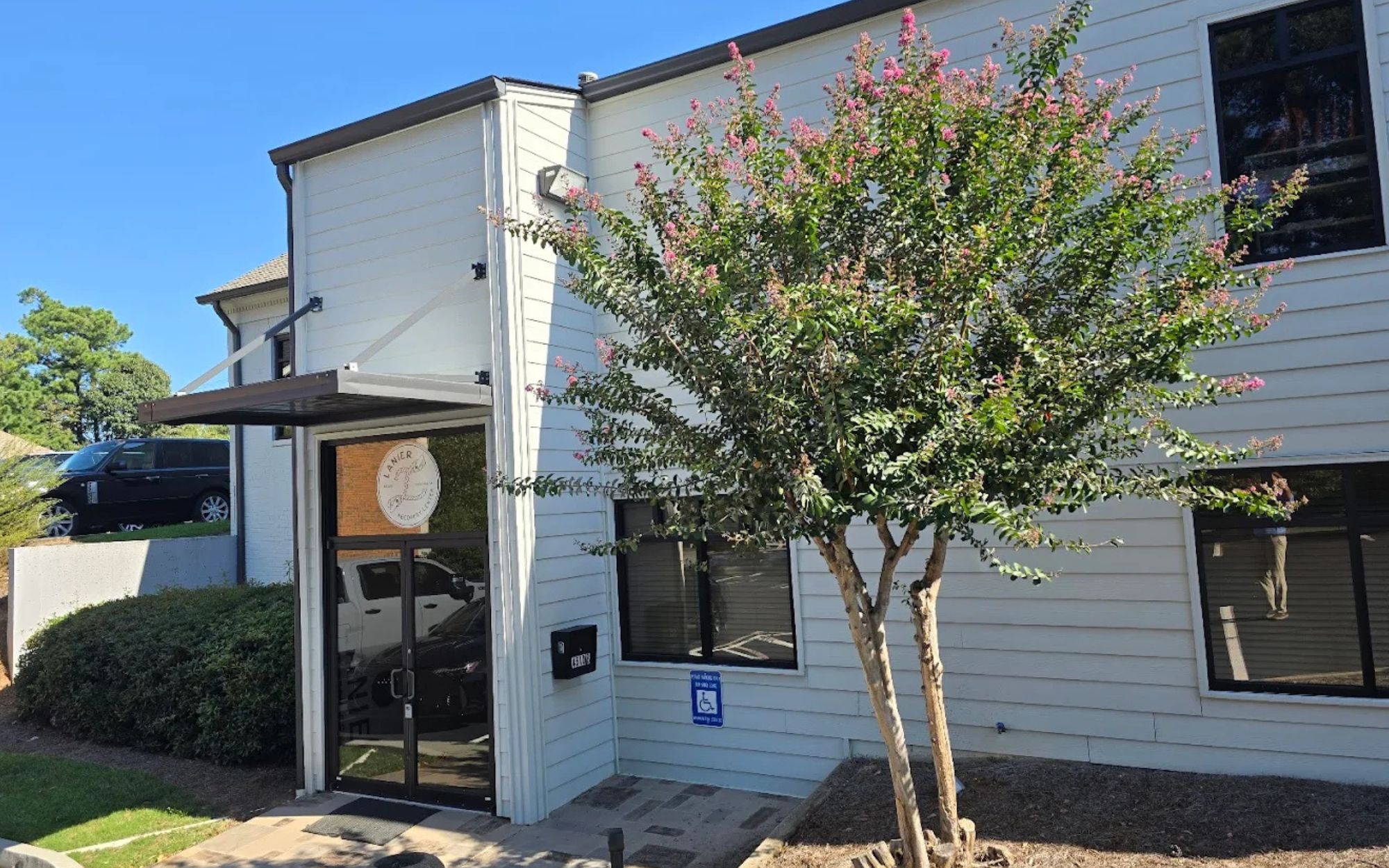
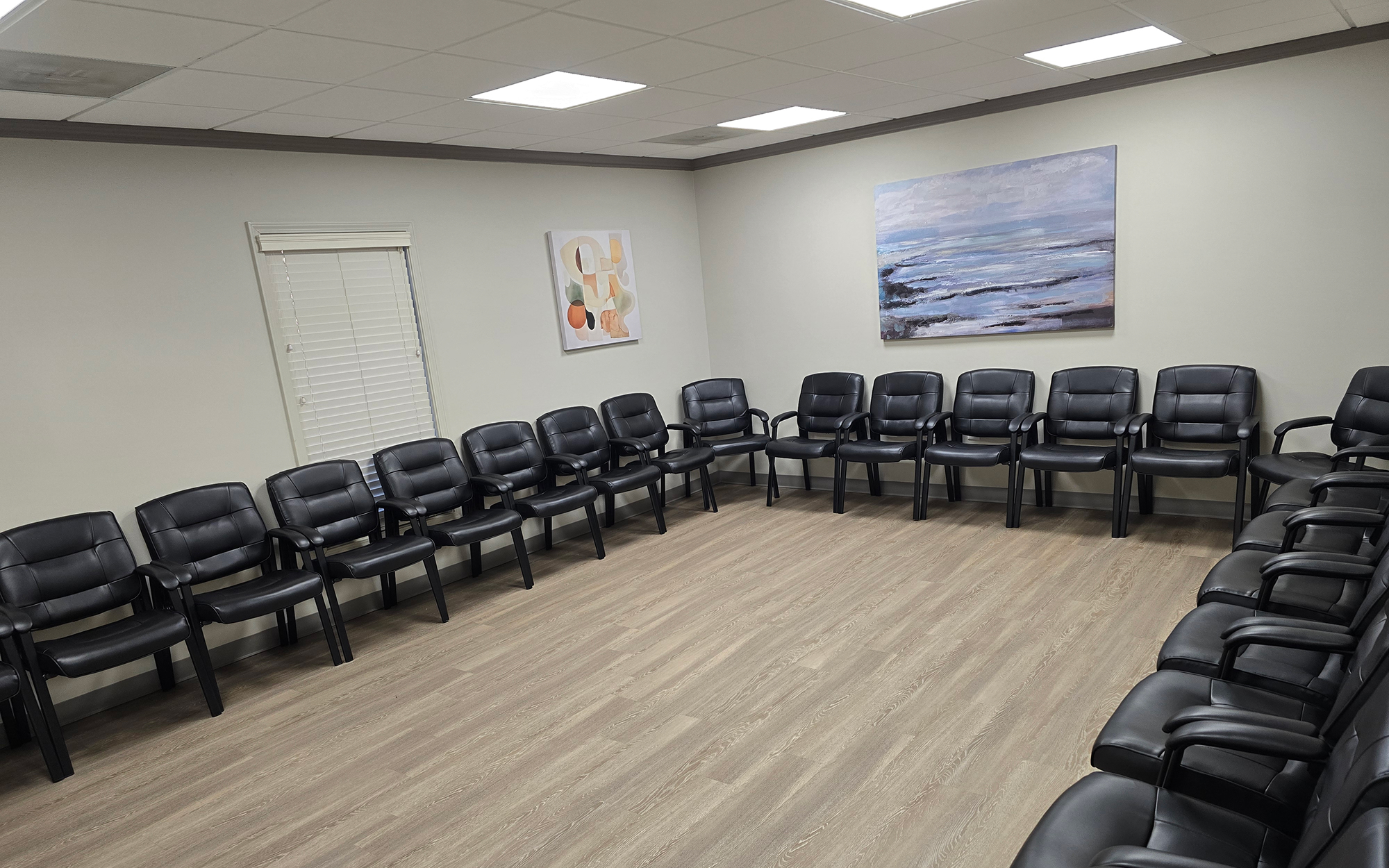
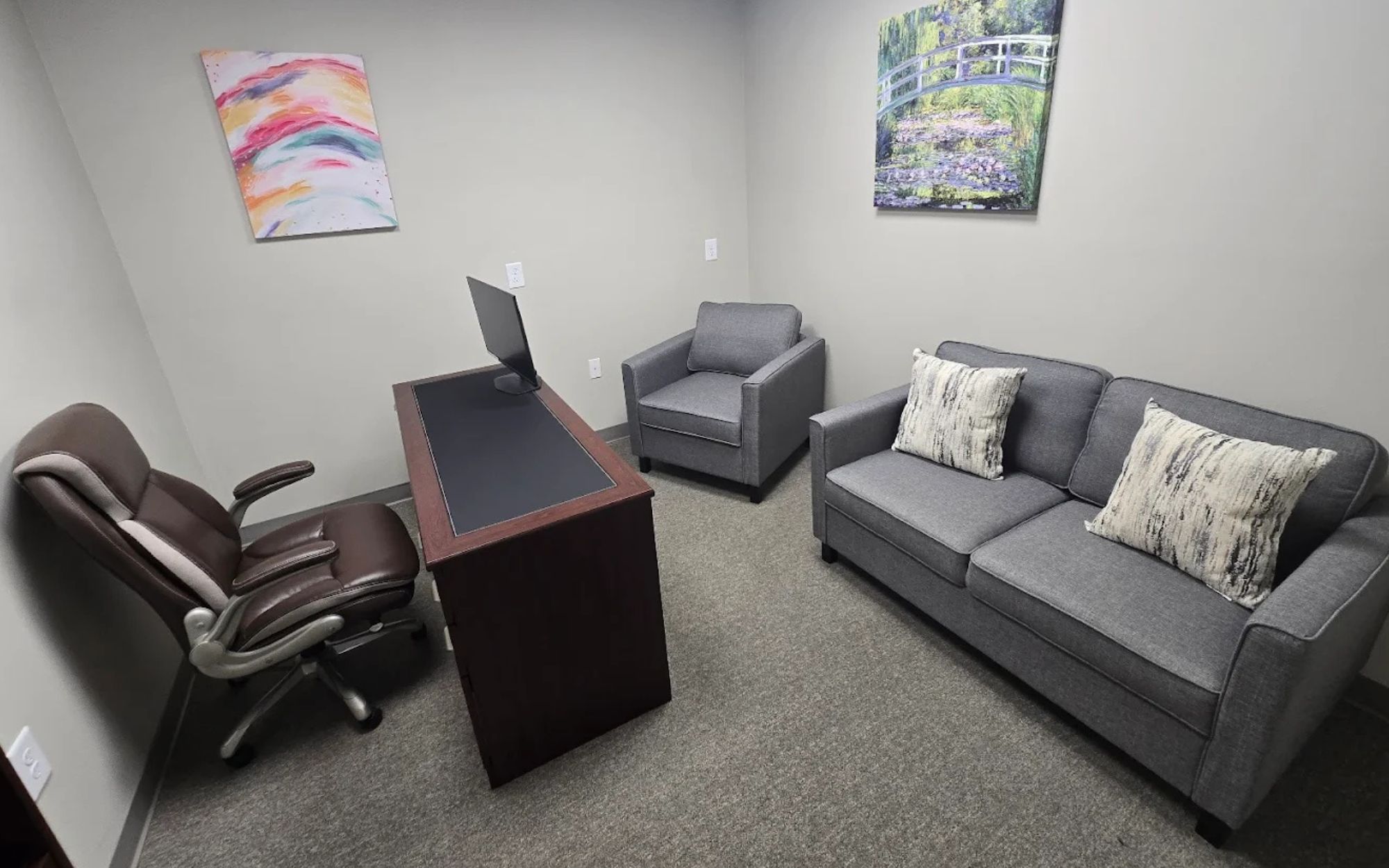
Check out our facility in Atlanta, GA

Discover why our programs are top rated today. Talk with our admissions team about the right treatment plan to bring lasting recovery.

What makes group therapy different from individual therapy?

It is common to wonder how sitting with a group of peers compares to working one-on-one with a counselor. Both approaches are essential to comprehensive mental health care, but they serve different purposes. Understanding these differences can help you feel more prepared and confident as you step into your recovery plan.

Modality Led by Primary focus Best for
Individual therapy Licensed therapist Deep personal trauma and cognitive restructuring Highly personalized care and severe mental health symptoms
Clinical group therapy Licensed therapist Community accountability and real-world relationship dynamics Practicing dialectical behavior therapy skills and building connection
Self-help support groups Peer facilitators Shared experiences and mutual encouragement Ongoing daily maintenance and accessible community support

Our individual therapy Atlanta program provides a deeply private space. In these one-on-one sessions, you focus on personal trauma, complex co-occurring conditions, and individualized cognitive restructuring. The therapist tailors every moment to your specific history and pacing. If you are dealing with severe mental health symptoms or sensitive family secrets, individual therapy offers the intense, focused attention necessary for early stabilization.

Clinical group therapy is different because it mirrors the real world. Led by licensed professionals, these groups focus heavily on building community accountability. You practice vital interpersonal skills, such as setting boundaries and communicating your needs, with real people in real time. Clinical groups often utilize structured frameworks like dialectical behavior therapy to teach you distress tolerance and emotion regulation. You can test these new skills immediately and receive constructive feedback from both the therapist and your peers.

Clinical groups vs support groups

Finally, it is helpful to distinguish clinical group therapy from standard support groups. Self-help support groups, like 12-step programs, are typically led by peers rather than licensed clinicians. They are excellent for mutual encouragement and shared empathy, but they do not provide formal psychological treatment. Clinical group therapy actively treats mental health and substance use disorders through targeted, evidence-based interventions. Both are valuable, but clinical groups offer a higher level of professional oversight for profound, lasting healing.

the help you need is here

Recovery starts here

If you or someone you love is struggling with substance use or other mental health issues, Lanier Recovery Center can help. Request a callback below to receive care and support you can trust.

"*" indicates required fields

What are the benefits of group therapy?

Substance use thrives in isolation. It convinces you that no one else understands your pain or your struggles. One of the most profound benefits of group therapy is how quickly it shatters that illusion. When you hear another person articulate the exact fears you have been hiding, the relief is immediate. This shared healing creates a powerful bond, proving that you are not walking this path alone.

Group therapy also offers the unique advantage of learning from your peers’ successes and setbacks. When a group member shares how they successfully navigated a high-risk trigger, you gain a practical strategy you can try yourself. Conversely, when someone discusses a relapse or a difficult moment, the group works together to understand what went wrong without judgment. This creates a highly supportive environment where you can practice interpersonal relationships safely. You learn how to express empathy, set healthy boundaries, and ask for help, all of which are essential for long-term recovery.

For working professionals and families in the North Atlanta suburban communities, this peer connection is incredibly relevant. Managing demanding careers, family expectations, and daily stressors can feel overwhelming. Recovering alongside people from similar backgrounds helps you realize that addiction does not discriminate. You build a network of peers who understand the specific pressures of your daily life, adding practical, relatable support.

Types of group therapy

Group therapy is not a single format. Different groups support different parts of addiction treatment, and our clinicians may use several approaches depending on each clientโ€™s needs, stage of recovery, and treatment goals.

Common formats can include:

  • Psychoeducational groups.ย These sessions explain how substance use affects the brain and body, how cravings develop, and what can increase relapse risk.
  • Process groups.ย Clients talk through emotions, relationships, and current challenges while learning from feedback and shared experiences.
  • Skills groups.ย These focus on practical tools for managing stress, triggers, conflict, and difficult emotions. They may draw from cognitive behavioral therapy Atlanta and DBT Atlanta techniques.
  • Relapse-prevention groups.ย Clients identify high-risk situations, strengthen coping strategies, and build plans for responding to cravings before they escalate.
  • Family-focused groups.ย When appropriate, family therapy Atlanta can help address communication patterns, boundaries, trust, and the ways addiction has affected the family system.

Group work can also reinforce what clients are learning in individual therapy Atlanta, giving them a chance to practice new skills with other people in real time.

Together, these formats help clients leave treatment with more than insight. They build practical strategies, stronger communication, and a deeper understanding of how their thoughts, emotions, relationships, and substance use patterns connect.

Who can benefit from group therapy?

Almost anyone participating in an intensive outpatient or partial hospitalization program can benefit significantly from this modality. It is especially helpful for individuals who need to rebuild trust and communication skills after periods of isolation.

Group therapy is also highly effective for individuals struggling with co-occurring mental health conditions. If you experience anxiety alongside addiction, anxiety treatment Atlanta professionals can help you use the group setting as a safe exposure tool. Mental health professionals gently guide participants to face their social fears in small, manageable steps. By practicing communication in a structured setting, participants learn to manage their challenges, reduce their anxiety, and build lasting self-confidence.

Georgia addiction treatment center

How to begin your recovery journey

We know beginning treatment can feel intimidating, so weโ€™ve made the process simple and stress-free.

1

Get in touch
with us

Call or complete our contact form to connect with an admissions specialist who takes the time to listen and understand your situation.

2

Complete an assessment
& insurance review

Our team will review your history, discuss your needs, and confirm insurance coverage or explore self-pay options to make things easy.
3

Start your
treatment

Begin a personalized program built around your goals, supported by evidence-based care and a compassionate clinical team.

What to expect from therapy groups at Lanier Recovery Center

Knowing the general rhythm of therapy groups can make the first session feel less uncertain. At Lanier Recovery Center, our group therapy is structured, clinician-led, and designed to provide a safe space for people working through addiction and related mental health struggles.

A typical group may include:

  • A brief check-in about current challenges.
  • A focused topic or skill, such as cravings, boundaries, or emotional regulation.
  • Guided discussion or practice with other group members.
  • Reflection on what was learned and how to use it outside treatment.

Group length and frequency depend on the treatment plan and level of care. Within an intensive outpatient program, clients may attend groups several times each week while continuing to manage work, family, or other responsibilities.

Our Suwanee location serves clients throughout Atlanta, GA, including nearby Lawrenceville and Cumming communities. Before treatment begins, our team can also review insurance coverage and help clarify how group therapy may fit within an insurance providerโ€™s benefits.

Getting comfortable in a small group

Feeling nervous about opening up around other people is common, especially at the beginning. Unlike individual therapy, group work asks you to listen, respond, and practice new skills with people who may be facing similar challenges.

Our trained clinicians use specialized training to guide participation without forcing disclosure. Clients can begin by listening, observing the group dynamic, and sharing more as trust develops. The goal is to create a respectful environment where seeking support feels manageable rather than overwhelming.

What sets lanier recovery center apart

Our approach to addiction and mental health treatment is built on comprehensive care, compassionate support, and individualized recovery paths that lead to lasting change.

Depth

We go beyond surface-level treatment to address the root causes of addiction and mental health challenges for lasting healing.

Support

Our compassionate team provides steady guidance, encouragement, and care at every stage of the recovery journey.

Strength

Through personalized therapy and skill-building, we help individuals rediscover confidence and inner resilience.

Accountability

We create structured support systems that promote responsibility, consistency, and long-term recovery success.

Aftercare

Our aftercare planning and alumni support ensure continued connection and stability long after treatment ends.

Flexibility

We offer adaptable treatment options that fit real-life responsibilities while maintaining consistent, high-quality care.

How group therapy fits into a broader treatment plan

Group therapy is most effective when it complements other forms of mental health treatment rather than standing alone. At Lanier Recovery Center, our group work can reinforce what clients are learning through individual counseling, family therapy Atlanta, and dual diagnosis treatment Atlanta when substance use and mental health concerns overlap.

For some clients, the small-group setting provides something individual sessions cannot: immediate feedback, peer accountability, and opportunities to practice communication and coping skills in real time. That combination can make therapy groups a practical part of building confidence, emotional resilience, and healthier relationships throughout recovery.

Insurance coverage for group therapy

Insurance coverage can make it easier to access group therapy as part of a broader addiction or mental health treatment plan. Many plans include behavioral health benefits, but the exact level of coverage depends on the insurance provider, medical necessity, network status, deductible, copays, and the specific level of care.

At Lanier Recovery Center, our admissions team can review your benefits before treatment begins and explain what your plan may cover. Group therapy may be included within our PHP, IOP, or standard outpatient services rather than billed as a completely separate form of care. Understanding insurance coverage early can make the treatment process feel more manageable and reduce surprises later.

Lanier Recovery Center can help you
We understand that getting help for addiction can be challenging. Start with a free addiction assessment today.

Frequently asked questions

Get answers to commonly asked questions.

Group therapy Atlanta GA provides structured treatment led by a licensed clinician rather than an informal peer conversation. Group therapy offers opportunities to discuss your own challenges, hear different perspectives, and practice coping and communication skills with others in recovery. Group size, frequency, and duration vary by program, clinical goals, and level of care rather than following one universal schedule.

Group therapy sessions commonly last anywhere from about 45 minutes to two hours, depending on the therapeutic approach and purpose of the group. Some programs use shorter, focused skills sessions, while process-oriented groups may allow more time for guided discussion. Groups can also be short-term, long-term, or ongoing depending on treatment needs and progress.

Behavioral health group therapy services can address substance use, anxiety, depression, trauma, relationship difficulties, relapse prevention, and other concerns. Common group offerings include psychoeducational, process, and skills-based groups. Some may incorporate cognitive behavioral techniques, mindfulness, or dialectical behavior therapy skills to help participants strengthen emotional regulation, distress tolerance, and interpersonal effectiveness.

A group therapist creates structure, facilitates discussion, and helps members give and receive feedback constructively. The clinician also watches the group dynamic and helps maintain appropriate boundaries so participants can explore difficult experiences in a supportive therapeutic setting. Before joining a clinical group, an assessment may also be used to determine whether the particular group and level of care are appropriate for the individual.

Group offerings provide something different from one-on-one treatment: opportunities to practice skills and relationships with other people in real time. Individual therapy can provide more private attention to personal concerns, while family therapy may address communication, trust, boundaries, and family dynamics. A family therapist can work directly with loved ones, while group treatment adds peer perspectives and shared learning. Together, these approaches can address different parts of the recovery process without requiring one therapy format to do everything.

Lanier Recovery Centerโ€™s top values

Every treatment will be uniquely tailored to you, because youโ€™re unique.

Sober living

Our team is 100% sober, including from Alcohol. We help our clients achieve sobriety and stick to it through thick and thin, because sobriety is the foundation of a fulfilling life.

Integrity

Our team is 100% sober, including from Alcohol. We help our clients achieve sobriety and stick to it through thick and thin, because sobriety is the foundation of a fulfilling life.

Everyone belongs

Our team is 100% sober, including from Alcohol. We help our clients achieve sobriety and stick to it through thick and thin, because sobriety is the foundation of a fulfilling life.

Limitless potential

Our team is 100% sober, including from Alcohol. We help our clients achieve sobriety and stick to it through thick and thin, because sobriety is the foundation of a fulfilling life.

Start building stronger support in recovery

Group therapy can give you more than a place to talk. It can help you practice coping skills, strengthen communication, build accountability, and connect with people who understand recovery firsthand. At Lanier Recovery Center, our group therapy is integrated into a broader outpatient treatment plan so those skills can reinforce the progress you make in individual and family work. If you are ready to learn how our outpatient services may fit your needs, contact us by calling (470) 470-5697. Our team can answer your questions, review your insurance coverage, and help you understand the next steps toward treatment.

If youโ€™re looking for more information, connect with our team by phone, email, or through our online form. Weโ€™re here to answer your questions, talk through your options, and support you as you begin your path toward lasting recovery.

we are here for you

Get the help you need today.

Together, we can help you build a brighter future of wellness.

Free & easy insurance check

alliant
care source
multiplan
united healthcare
cigna
beacon
bluecross
tricare

Request a confidential call

"*" indicates required fields

This field is for validation purposes and should be left unchanged.
Preferred method*
Get Treatment For All Your Healthcare Needs

Other how we treat

Request A Confidential Call

Request a call and a Lanier Recovery Center team member will be in touch.

"*" indicates required fields