
Request a call to speak with an admissions specialist. We are here to help you.

"*" indicates required fields

Treatment for methadone addiction

Methadone addiction treatment can help people manage opioid withdrawal, reduce cravings, and move away from heroin, oxycodone, and other opioids. Although methadone is itself an opioid medication, taking the correct dose through a certified opioid treatment program can provide stability without the rapid cycle of intoxication and withdrawal associated with shorter-acting opioids. Medication is only one part of recovery. Alcohol dependence, trauma, anxiety, depression, and other substance use may continue to affect a person even after opioid cravings become more manageable.
Free Insurance Check

Free & Confidential | HIPAA Compliant | No Obligation

"*" indicates required fields

1
2
3
4
This field is for validation purposes and should be left unchanged.
methadone addiction treatment

What is methadone used for in opioid addiction?

Methadone is a long-acting synthetic opioid agonist used to treat opioid use disorder and, in other medical contexts, severe pain. When used for opioid addiction, it acts on the same opioid receptors as heroin, morphine, and prescription opioid medications, but its effects begin more gradually and last longer.

An appropriate methadone dose can reduce cravings and withdrawal symptoms while limiting the disruptive highs and lows associated with shorter-acting opioids. This stability can make it easier to participate in therapy, repair relationships, return to daily responsibilities, and work toward longer-term treatment goals.

Methadone is one of three medications approved for opioid use disorder, along with buprenorphine and naltrexone. Medication from a qualified provider can be combined with counseling and behavioral support through MAT programs in Georgia.
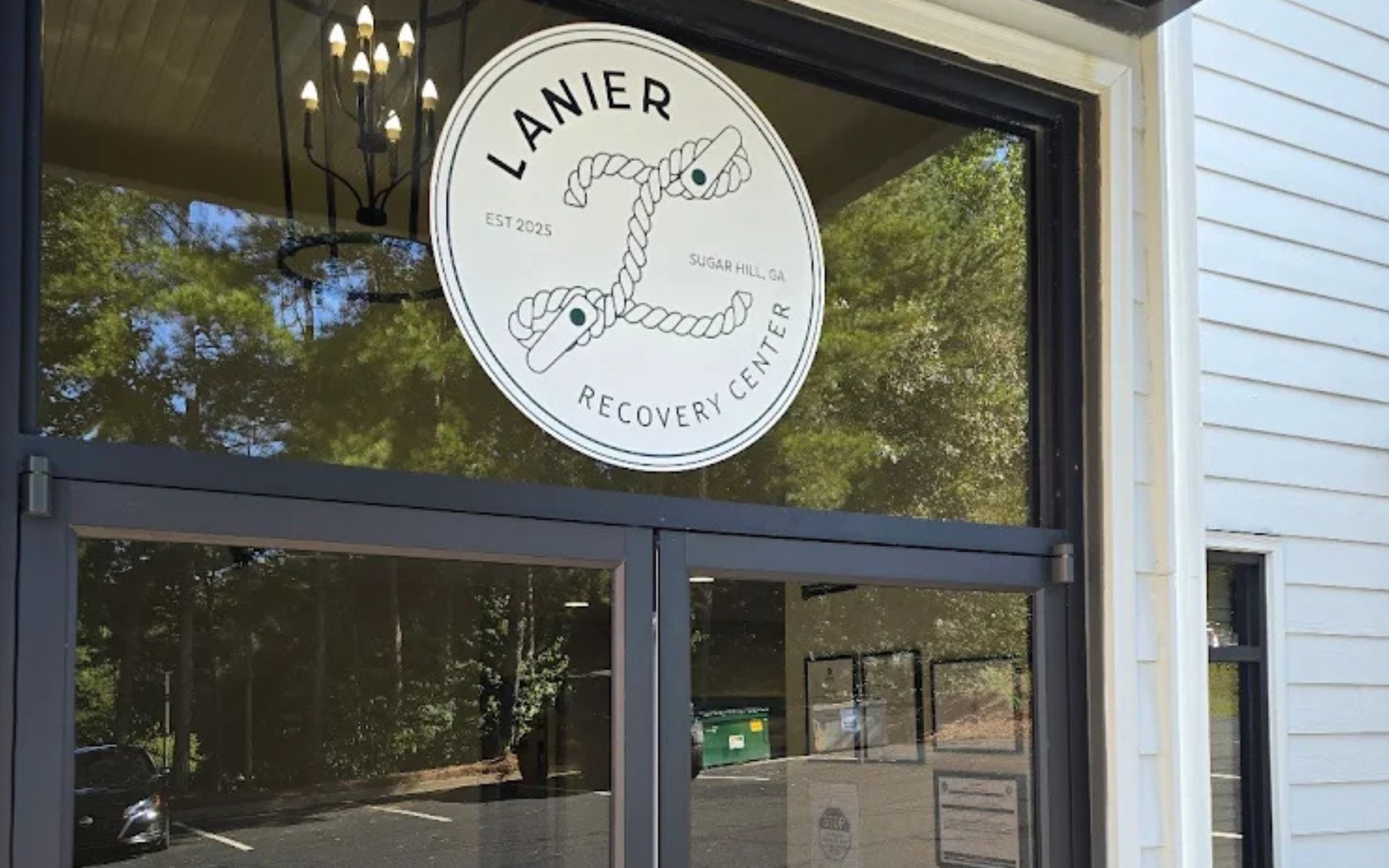
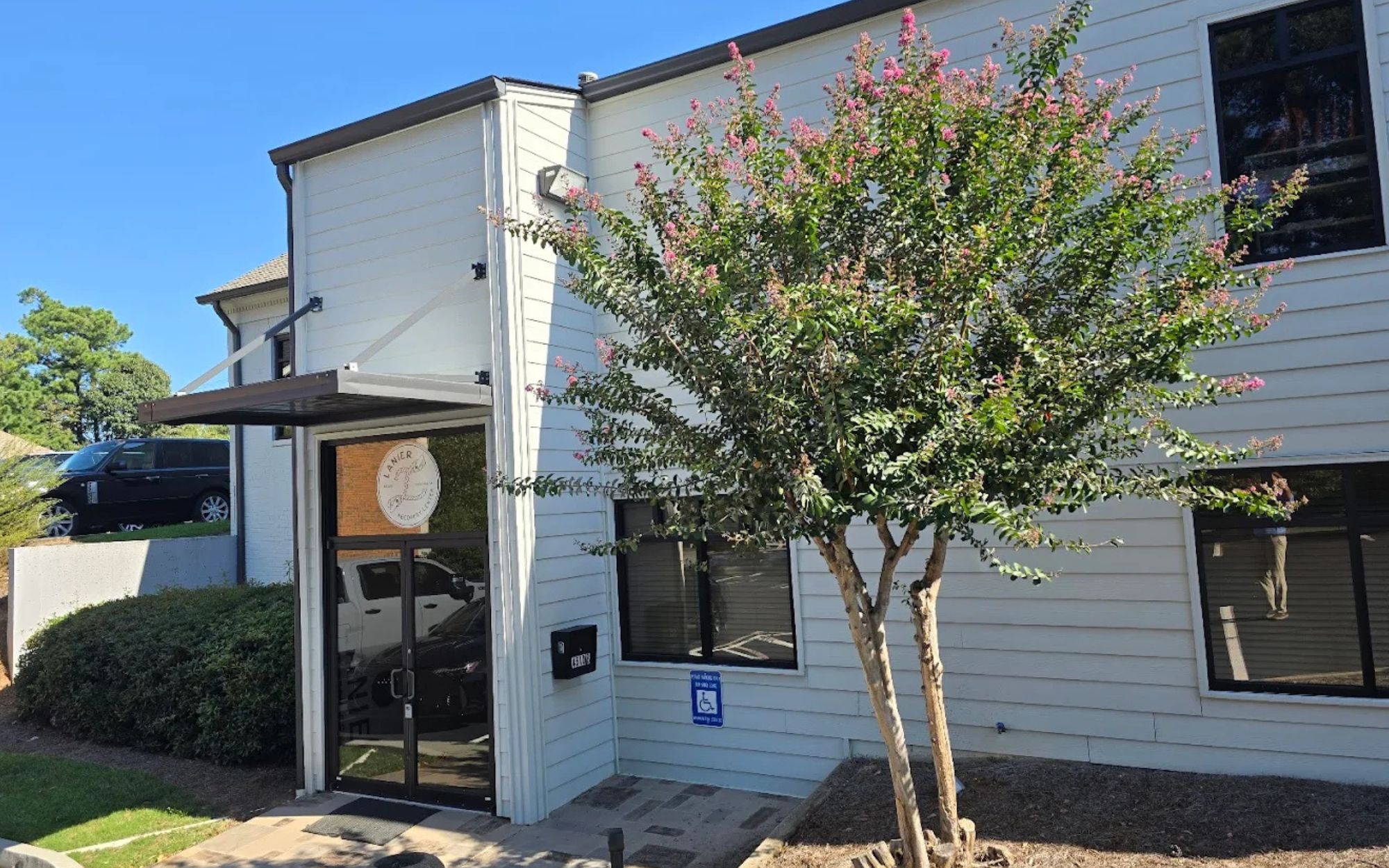
Table of Contents

How does methadone treatment work?

Federal regulations require methadone used for opioid use disorder to be dispensed through a certified opioid treatment program. Treatment begins with an assessment of opioid use, physical health, other medications, and other substances that could affect safety. The provider then selects a starting dose and monitors the personโ€™s response.

Attendance and take-home arrangements depend on clinical needs, progress, safety, and current program requirements. Some people begin with frequent visits, while eligible patients may receive take-home medication as treatment progresses. Methadone is commonly taken orally as a liquid, tablet, or dissolvable preparation.

Methadone received through a certified opioid treatment program can be complemented by outpatient therapy, dual diagnosis care, and recovery support at Lanier Recovery Center.

Check out our facility in Atlanta, GA

Discover why our programs are top rated today. Talk with our admissions team about the right treatment plan to bring lasting recovery.

Methadone doses and clinical guidelines

Methadone doses must be individualized. A prescribing clinician considers opioid tolerance, withdrawal symptoms, other medications, physical health, alcohol use, and the risk of respiratory depression. The first dose is generally conservative because too much methadone can accumulate before its full effects are apparent.

Clinical guidelines support gradual adjustments based on symptoms, safety, and response rather than applying the same dose to every person. Some people need higher doses to control withdrawal and reduce cravings, but more methadone is not automatically safer or more effective. The correct dose is the lowest amount that controls symptoms without causing sedation or other signs of toxicity.

Methadone maintenance treatment may continue for months or years. No single endpoint applies to everyone. Long-term treatment may remain appropriate when the medication is beneficial, used as prescribed, and regularly reviewed.

Methadone maintenance treatment within a treatment program

Methadone maintenance is intended to create enough physical stability for someone to engage more fully in recovery. Medication can reduce cravings, withdrawal, and the pull toward illegal opioids, while counseling addresses the experiences and behaviors that medication cannot resolve on its own.

A coordinated treatment program may include behavioral therapy, motivational support, physical and mental health care, recovery planning, and monitoring for interactions with other medications. Treatment should adapt as stability, health, and personal responsibilities change.

Methadone has been used to treat opioid dependence for decades and is included on the World Health Organizationโ€™s List of Essential Medicines. Its value does not mean it is appropriate for everyone, but it remains an established treatment option for opioid use disorder.

the help you need is here

Recovery starts here

If you or someone you love is struggling with substance use or other mental health issues, Lanier Recovery Center can help. Request a callback below to receive care and support you can trust.

"*" indicates required fields

Methadone side effects, other drugs, and overdose risks

Methadone can cause physical dependence and carries a risk of overdose. That risk is particularly important during treatment initiation, after a dose increase, following missed doses, or when methadone is combined with alcohol, benzodiazepines, or other substances that suppress the central nervous system.

Side effects and warning signs may include:

  • Constipation, dry mouth, nausea, sweating, sleep changes, or weight gain.
  • Feeling tired, dizzy, or unusually sedated.
  • Slow or shallow breathing, confusion, blue or pale skin, or difficulty waking.
  • Increased sedation after taking an extra dose or combining methadone with other drugs.
  • Withdrawal symptoms after missed doses or an abrupt attempt to stop methadone treatment.

Severe sleepiness or respiratory depression can indicate a methadone overdose. Naloxone can temporarily reverse an opioid overdose, but emergency medical care is still required because methadone may remain active longer than naloxone.

Methadone treatment during pregnancy

Pregnant women with opioid use disorder should not stop methadone suddenly without medical direction. Methadone and buprenorphine are recommended treatment options during pregnancy, but medication decisions require coordinated care from qualified health professionals.

Treatment may involve changes in monitoring or dosing as pregnancy progresses. Prenatal care, substance use treatment, and mental health support should work together to protect both the pregnant patient and the developing baby.

Alcohol dependence and other substance use

Combining methadone with alcohol, benzodiazepines, illicit drugs, or other sedating medications can increase the risk of respiratory depression and opioid overdose. A prescribing doctor needs an accurate list of every medication and substance you use to identify potentially dangerous interactions.

When opioid addiction occurs alongside alcohol dependence, trauma, anxiety, depression, or another mental health concern, dual diagnosis treatment Atlanta can address the overlapping patterns within one outpatient plan. Methadone can treat opioid dependence, but it does not replace treatment for alcohol misuse or co-occurring mental health symptoms.

Methadone and other medications for opioid addiction

Methadone and buprenorphine can both treat opioid addiction, but their effects, risks, and access requirements differ. Neither medication is automatically better for every person.

Consideration Methadone Buprenorphine
Medication action Full opioid agonist Partial opioid agonist
Access for opioid use disorder Certified opioid treatment program Qualified prescribers and treatment settings
Effect on opioid receptors Fully activates receptors Activates receptors less strongly
Overdose considerations Greater risk of respiratory depression and accumulation Ceiling effect lowers but does not eliminate risk
Treatment structure May begin with frequent program contact Often allows greater scheduling flexibility
Common forms Oral liquid, tablet, or dissolvable form Sublingual, buccal, injectable, or implant formulations

Methadone may be appropriate for people who benefit from greater structure or who have not responded to other medications. Buprenorphine may offer more flexibility and a lower risk of respiratory depression, although it still requires medical oversight.

Naltrexone is another option. Unlike methadone and buprenorphine, it is an opioid antagonist that blocks opioid receptors. A person must complete opioid withdrawal before starting it. Medication selection should be made with a qualified clinician based on opioid use, previous treatment, health history, access, and personal treatment goals.

Georgia addiction treatment center

How to begin your recovery journey

We know beginning treatment can feel intimidating, so weโ€™ve made the process simple and stress-free.

1

Get in touch
with us

Call or complete our contact form to connect with an admissions specialist who takes the time to listen and understand your situation.

2

Complete an assessment
& insurance review

Our team will review your history, discuss your needs, and confirm insurance coverage or explore self-pay options to make things easy.
3

Start your
treatment

Begin a personalized program built around your goals, supported by evidence-based care and a compassionate clinical team.

Clinical guidelines for methadone in closed settings

Closed settings may include hospitals, correctional facilities, or other environments where movement and medication access are controlled. Abruptly interrupting methadone in these settings can cause withdrawal and may increase the risk of returning to opioid use after release.

Continuity planning should begin before a person enters or leaves a closed setting. Health professionals can coordinate medication records, confirm current doses, and arrange continued care so treatment is not suddenly disrupted.

Outpatient treatment alongside methadone maintenance

Methadone can reduce physical withdrawal and cravings, but it cannot resolve every part of addiction. Therapy can help clients understand triggers, strengthen coping skills, address relationship strain, and work through co-occurring mental health symptoms.

Lanier Recovery Center provides outpatient treatment in Suwanee for people who can participate safely while living at home. Depending on clinical needs, care may include PHP Atlanta, IOP Atlanta, or outpatient rehab Atlanta GA.

These services do not replace the certified opioid treatment program responsible for prescribing and dispensing methadone. Instead, Lanierโ€™s outpatient team can work closely with the client to support therapy, recovery planning, mental health, family relationships, and continued engagement in care.

Therapy within an opioid addiction treatment plan

Recovery often becomes more sustainable when medication and behavioral support address different parts of the same problem. Opiate addiction treatment can help clients examine opioid use, cravings, relapse patterns, and the negative consequences that have developed around drug dependence.

Individual, group, and family therapy may also help clients rebuild trust, communicate more openly, and create routines that support recovery. When mental health symptoms are present, integrated care keeps those concerns from being treated as unrelated to substance use.

What sets lanier recovery center apart

Our approach to addiction and mental health treatment is built on comprehensive care, compassionate support, and individualized recovery paths that lead to lasting change.

Depth

We go beyond surface-level treatment to address the root causes of addiction and mental health challenges for lasting healing.

Support

Our compassionate team provides steady guidance, encouragement, and care at every stage of the recovery journey.

Strength

Through personalized therapy and skill-building, we help individuals rediscover confidence and inner resilience.

Accountability

We create structured support systems that promote responsibility, consistency, and long-term recovery success.

Aftercare

Our aftercare planning and alumni support ensure continued connection and stability long after treatment ends.

Flexibility

We offer adaptable treatment options that fit real-life responsibilities while maintaining consistent, high-quality care.

Planning for outpatient treatment and insurance coverage

Insurance may cover outpatient addiction treatment, therapy, psychiatric services, and dual diagnosis care. Coverage for methadone itself may be administered separately through an opioid treatment program, pharmacy benefit, Medicaid plan, or other medical benefit.

Lanier Recovery Centerโ€™s admissions team can review available benefit information for services provided at Lanier. Coverage, prior authorization, network requirements, and medication access is confirmed for each person before treatment begins.

Withdrawal management when stopping methadone

People may eventually want to reduce or stop methadone because their treatment goals have changed, side effects have become difficult, or they have developed concerns about medication dependence. Methadone should not be stopped abruptly without direction from the prescribing provider.

A gradual reduction may take several weeks or longer, depending on the current dose, length of treatment, withdrawal symptoms, physical health, and response to each adjustment. When higher levels of care are required, medical withdrawal support can provide stabilization before a person transitions into or returns to outpatient treatment.

Needing more support during a taper does not mean treatment has failed. The plan can be slowed, revised, or continued according to the personโ€™s safety and recovery needs.

Lanier Recovery Center can help you
We understand that getting help for addiction can be challenging. Start with a free addiction assessment today.

Frequently asked questions

Methadone addiction treatment reduces withdrawal symptoms and cravings by acting on opioid receptors more gradually than heroin and other shorter-acting opioids. When the dose is stable, methadone can limit euphoric effects from other opioids and make it easier to remain engaged in treatment. It may also reduce illegal opioid use, overdose risk, and behaviors associated with HIV transmission. Medication-assisted treatment works best when medication is combined with counseling and behavioral support.

Yes. Drug dependence can develop when the body adapts to methadone, but physical dependence is not automatically addiction. Someone taking methadone as prescribed may experience withdrawal if it is stopped abruptly without showing compulsive or harmful use. Long-term side effects may include constipation, sweating, weight changes, sleep disruption, or sexual dysfunction. Drug and alcohol dependence, medication misuse, and other health concerns should be discussed openly with the treatment team.

Methadone used for opioid use disorder must be dispensed through a certified opioid treatment program under current federal requirements. A qualified physician or other authorized clinician evaluates the person, determines the starting dose, and adjusts treatment based on withdrawal symptoms and safety.

Treatment length varies. Many people benefit from at least 12 months, while others remain in methadone maintenance for several years or longer. Methadone has been used to treat opioid dependence for decades, and there is no universal point when someone must stop. Continued treatment should be closely monitored and based on cravings, stability, health, other substance use, and personal treatment goals. Do not discontinue medication solely because a preset deadline has been reached.

The increased risk of overdose is especially important during the first weeks of treatment, after a dose increase, following missed doses, or when methadone is combined with alcohol, benzodiazepines, or other sedating substances. Methadoneโ€™s effects can build gradually, so an overdose may not be immediately obvious. Severe drowsiness, confusion, slowed breathing, or difficulty waking require emergency medical attention. Careful dosing and continued monitoring help reduce these risks.

Lanier Recovery Centerโ€™s top values

Every treatment will be uniquely tailored to you, because youโ€™re unique.

Sober living

Our team is 100% sober, including from Alcohol. We help our clients achieve sobriety and stick to it through thick and thin, because sobriety is the foundation of a fulfilling life.

Integrity

Our team is 100% sober, including from Alcohol. We help our clients achieve sobriety and stick to it through thick and thin, because sobriety is the foundation of a fulfilling life.

Everyone belongs

Our team is 100% sober, including from Alcohol. We help our clients achieve sobriety and stick to it through thick and thin, because sobriety is the foundation of a fulfilling life.

Limitless potential

Our team is 100% sober, including from Alcohol. We help our clients achieve sobriety and stick to it through thick and thin, because sobriety is the foundation of a fulfilling life.

Begin methadone addiction recovery in North Atlanta

Recovery from opioid addiction involves more than controlling withdrawal symptoms. Medication can provide physical stability, while outpatient therapy can address mental health, relationships, coping skills, and the experiences that continue to affect drug use. Lanier Recovery Center provides compassionate outpatient addiction and dual diagnosis treatment in Suwanee, Georgia. To discuss available outpatient options, contact us by calling (470) 470-5697.

If youโ€™re looking for more information, connect with our team by phone, email, or through our online form. Weโ€™re here to answer your questions, talk through your options, and support you as you begin your path toward lasting recovery.

Sources

Centers for Disease Control and Prevention. (May 2025). Treatment of Opioid Use Disorder Before, During, and After Pregnancy. Centers for Disease Control and Prevention.

MedlinePlus. (October 15, 2025). Methadone: MedlinePlus Drug Information. MedlinePlus.

National Institute on Drug Abuse. (March 20, 2025). Medications for Opioid Use Disorder. National Institute on Drug Abuse.

Substance Abuse and Mental Health Services Administration. (December 22, 2025). What is Methadone? Side Effects, Treatment & Use. Substance Abuse and Mental Health Services Administration.

we are here for you

Get the help you need today.

Together, we can help you build a brighter future of wellness.

Free & easy insurance check

alliant
care source
multiplan
united healthcare
cigna
beacon
bluecross
tricare

Request a confidential call

"*" indicates required fields

This field is for validation purposes and should be left unchanged.
Preferred method*
Get Treatment For All Your Healthcare Needs

Other what we treat

Request A Confidential Call

Request a call and a Lanier Recovery Center team member will be in touch.

"*" indicates required fields