Request a call to speak with an admissions specialist. We are here to help you.

"*" indicates required fields

Treatment for ketamine addiction

One moment, you’re reading about ketamine offering new hope in therapy rooms, and the next, you’re hit with stories about its risks and party scenes gone wrong. If you’ve been searching for ketamine addiction treatment, you’re likely trying to understand what’s really going on and how to find a way forward that actually works. Ketamine is often talked about for its medical uses, but when it’s misused, it can quickly lead to dependency that affects both mental and physical health. The good news is that effective, evidence-based treatment options are available. With the right support, structure, and care, recovery is not only possible but also something you can begin today.
Free Insurance Check

Free & Confidential | HIPPA Compliant | No Obligation

"*" indicates required fields

1
2
3
4
This field is for validation purposes and should be left unchanged.
ketamine addiction treatment

Ketamine addiction treatment and recovery options

Ketamine has a complicated place in public conversation. In a medical setting, it can serve a legitimate purpose as an anesthetic and, in some cases, as part of closely supervised care for treatment-resistant depression. Outside of that setting, though, ketamine use can become risky very quickly. Recreational use, repeated misuse, and combining ketamine with other substances can lead to physical harm, psychological dependence, and a growing pattern of substance use that becomes difficult to control. Ketamine is a Schedule III controlled substance in the United States, which reflects both its accepted medical uses and its misuse potential.

For people who are struggling, the issue is not just whether ketamine can be used medically. The more urgent question is whether current use has crossed into a harmful pattern. If ketamine is affecting daily life, relationships, mental health, judgment, or physical safety, it may be time to consider ketamine addiction treatment or outpatient rehab Atlanta GA. Recovery does not begin with panic or shame. It begins with a clear look at what ketamine is, how ketamine addiction develops, what the risks actually are, and what treatment can do to help.

Table of Contents

What is ketamine?

Ketamine is a dissociative anesthetic. In controlled medical environments, it may be used to induce anesthesia or manage pain, and esketamine, a related product, has FDA approval for certain adults with treatment-resistant depression under strict supervision. That medical context matters because it is very different from unsupervised ketamine use. Medical administration is structured, monitored, and dose-controlled. Recreational ketamine use is not.

Outside a medical setting, ketamine is often used for its hallucinogenic and dissociative effects. The DEA notes that ketamine can distort perception, alter sight and sound, and leave a person feeling disconnected and not in control. Those effects are part of why some people use ketamine recreationally, often under street names like Special K. The same effects are also part of what makes ketamine use dangerous, especially when someone is taking ketamine in unpredictable doses, using it alongside alcohol or other drugs, or relying on it repeatedly to cope with stress, depression, or emotional pain.

Ketamine addiction does not always look like a traditional physical dependence at first. In many cases, the psychological pull becomes stronger before the physical symptoms become obvious. Regular ketamine use can affect brain reward pathways, reinforce cravings, and gradually make it harder to stop. Over time, the person may need more ketamine to get the same effect, spend increasing time obtaining or using the drug, and continue despite dangerous consequences. That pattern is one reason recognizing ketamine use disorder early is so important.

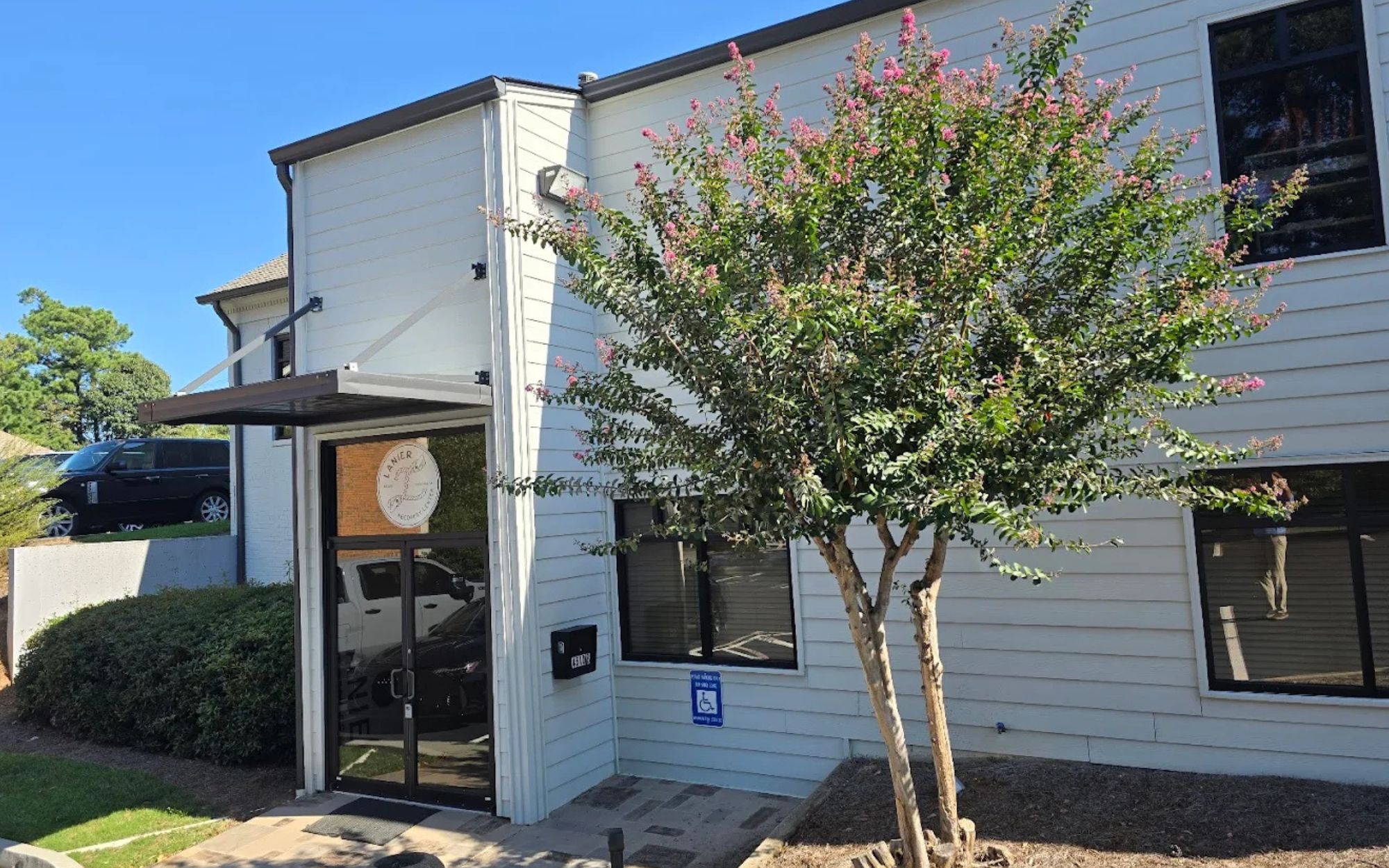
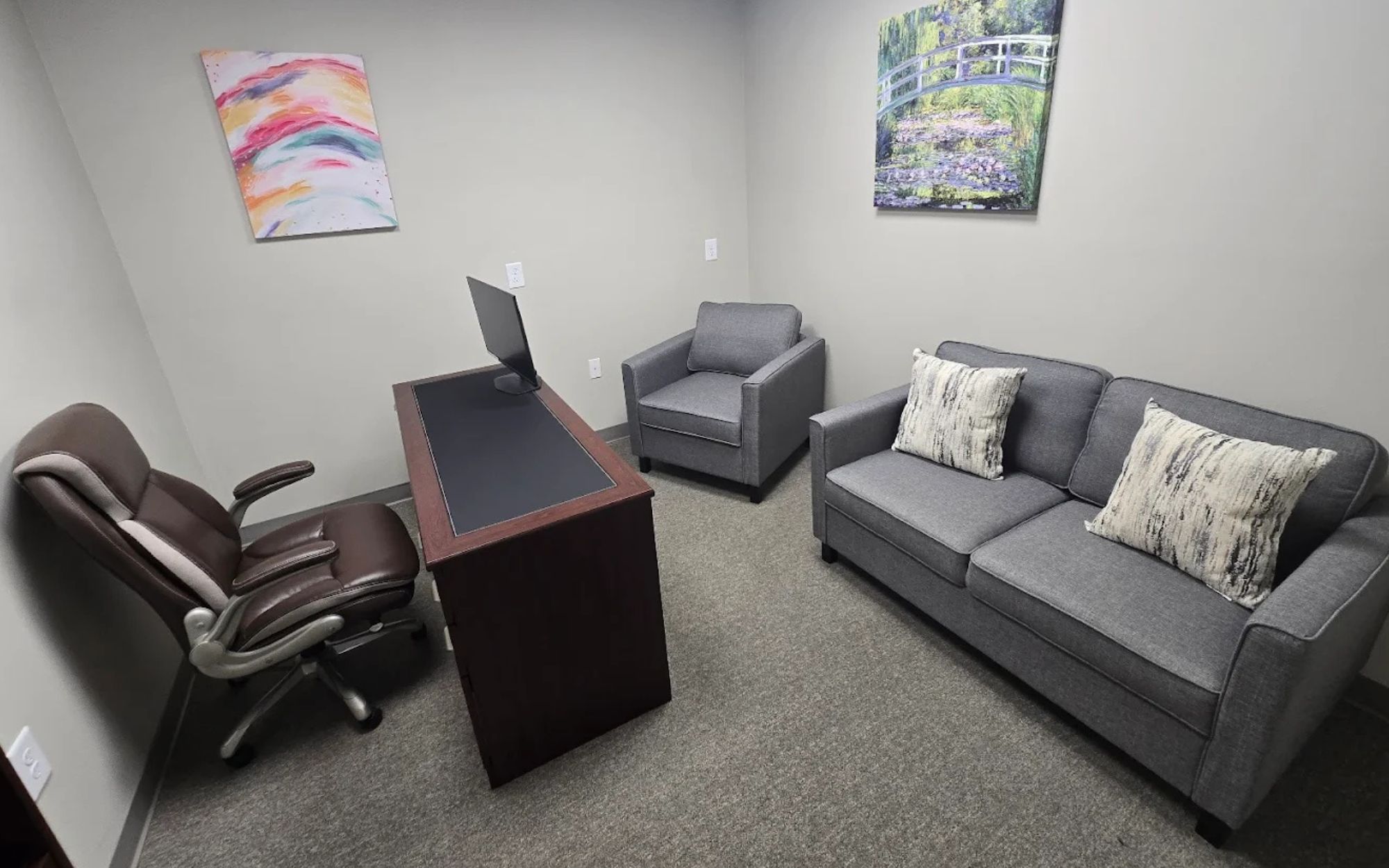
Check out our facility in Atlanta, GA

Discover why our programs are top rated today. Talk with our admissions team about the right treatment plan to bring lasting recovery.

The connection between ketamine addiction and mental health conditions

A growing ketamine problem often intersects with mental health. Some people begin using ketamine recreationally in party settings. Others are drawn to it while struggling with depressive symptoms, anxiety, trauma, or other mental health disorders. Because ketamine has received attention for treatment-resistant depression, some people mistakenly assume that recreational or unsupervised ketamine use carries the same therapeutic value as medically supervised treatment. It does not. The presence of legitimate psychiatric research around ketamine does not make recreational ketamine treatment safe, effective, or medically appropriate.

That distinction matters in recovery. Someone may be misusing ketamine while also dealing with depression, anxiety, or other mental health conditions. In those cases, addiction treatment needs to address both the substance use and the underlying emotional or psychiatric concerns. This is one reason integrated care and dual diagnosis treatment Atlanta can be such an important part of the recovery process when ketamine addiction is tied to broader mental health struggles.

the help you need is here

Recovery starts here

If you or someone you love is struggling with substance use or other mental health issues, Lanier Recovery Center can help. Request a callback below to receive care and support you can trust.

"*" indicates required fields

Signs of ketamine addiction and substance use

The signs of ketamine addiction can show up gradually, which is why they are often missed in the early stages. What may begin as occasional use can slowly turn into something that feels harder to control. Over time, ketamine use can start to affect how a person thinks, feels, and functions in everyday life.

Increasing focus on ketamine use

One of the earliest signs is a growing mental focus on the drug. A person may start thinking about ketamine more often, planning their day around using it, or feeling like they cannot fully relax without it.

This shift can feel subtle at first, but it often marks the beginning of a deeper pattern. The drug becomes less of a choice and more of a priority.

Loss of control over use

As ketamine use progresses, many people begin to lose control over how much or how often they use. They may take more than they intended or find themselves using in situations they normally would avoid.

Even when they recognize the impact, stopping can feel incredibly difficult. This is a key sign that use may be moving into a substance use disorder.

Behavioral and lifestyle changes

Addiction often starts to show up in daily life. A person may begin withdrawing socially, missing work, or neglecting responsibilities at home.

Hobbies and relationships that once mattered can take a back seat. More time is spent obtaining, using, or recovering from ketamine. These changes can happen gradually, which is why they are sometimes hard to recognize right away.

Physical and cognitive symptoms

Ketamine use can lead to noticeable physical and mental changes. These may include poor coordination, slurred speech, confusion, and difficulty concentrating.

Because ketamine is a dissociative substance, people may also feel disconnected from their body or surroundings. This sense of detachment can affect memory, awareness, and overall mental clarity.

Emotional and mood changes

Mood shifts are also common. Some people experience irritability, anxiety, or sudden emotional highs and lows. Others may feel numb or detached from their emotions.

These changes can make it harder to maintain relationships and can increase feelings of isolation over time.

Building tolerance and increasing risk

Another major warning sign is tolerance. Over time, the same amount of ketamine may not produce the same effects, leading someone to use larger amounts or use more often.

This increases the risk of accidents, reckless behavior, and serious health complications. It also reinforces the cycle of ketamine use, as the brain begins to rely on the drug during stress, boredom, or emotional discomfort.

Georgia addiction treatment center

How to begin your recovery journey

We know beginning treatment can feel intimidating, so we’ve made the process simple and stress-free.

1

Get in touch
with us

Call or complete our contact form to connect with an admissions specialist who takes the time to listen and understand your situation.

2

Complete an assessment
& insurance review

Our team will review your history, discuss your needs, and confirm insurance coverage or explore self-pay options to make things easy.
3

Start your
treatment

Begin a personalized program built around your goals, supported by evidence-based care and a compassionate clinical team.

Short- and long-term effects of ketamine addiction

Ketamine affects the brain and body in very different ways depending on how often and how long it’s used. In the moment, the effects can feel intense and disorienting. Over time, those effects can turn into more serious and lasting health concerns that go far beyond the initial experience.

Short-term effects of ketamine use

The short-term effects of ketamine can feel unpredictable because the drug heavily alters perception and awareness. Many people describe feeling detached, floaty, or disconnected from their surroundings.

You might notice:

  • Difficulty speaking clearly
  • Trouble walking or maintaining balance
  • Slowed reaction time
  • Confusion or disorientation

These effects can make even simple situations risky, especially in social or unfamiliar environments.

Dissociation and the “K-hole”

One of the most intense short-term effects is dissociation. In some cases, a person may enter what is often called a K-hole.

During this state, someone can feel completely disconnected from their body, their environment, and even their sense of time. They may be unable to respond to others or function normally. While some people seek out this experience, it can quickly become overwhelming and dangerous, especially at higher doses.

Cognitive and mental health changes over time

With repeated use, ketamine can begin to affect how the brain functions long term. Research has linked chronic use to memory issues, difficulty concentrating, and changes in how a person processes information.

Mental health can also be impacted. Some people experience increased anxiety, mood instability, or worsening depression over time. These changes can make it harder to function day to day and can deepen the cycle of substance use.

Physical health risks and organ damage

Long-term ketamine misuse can affect more than just the brain. It has been linked to complications in multiple organ systems.

One of the most well-known issues is urinary tract damage. Frequent use can irritate and inflame the bladder, leading to ongoing discomfort and other complications.

Ketamine-induced cystitis and bladder damage

A serious condition associated with long-term use is ketamine-induced cystitis, sometimes referred to as ketamine bladder syndrome.

This can involve:

  • Pain during urination
  • Frequent or urgent need to urinate
  • Inflammation of the bladder
  • Long-term damage in severe cases

In some situations, the damage can become severe enough to require ongoing medical treatment. The good news is that stopping ketamine use often helps improve symptoms, especially when caught early.

Why early treatment matters

These risks are a big part of why ketamine addiction treatment should not be delayed once use is clearly affecting health or daily life.

The longer ketamine use continues, the more likely it is to impact not just mood and behavior, but cognitive function, physical health, and long-term well-being. Early support can help prevent these effects from becoming more serious and give the body and brain a chance to recover.

What sets lanier recovery center apart

Our approach to addiction and mental health treatment is built on comprehensive care, compassionate support, and individualized recovery paths that lead to lasting change.

Depth

We go beyond surface-level treatment to address the root causes of addiction and mental health challenges for lasting healing.

Support

Our compassionate team provides steady guidance, encouragement, and care at every stage of the recovery journey.

Strength

Through personalized therapy and skill-building, we help individuals rediscover confidence and inner resilience.

Accountability

We create structured support systems that promote responsibility, consistency, and long-term recovery success.

Aftercare

Our aftercare planning and alumni support ensure continued connection and stability long after treatment ends.

Flexibility

We offer adaptable treatment options that fit real-life responsibilities while maintaining consistent, high-quality care.

Frequently asked questions

Ketamine addiction treatment focuses on helping someone safely stop using ketamine while also addressing the underlying mental health conditions that may be driving use. Treatment usually includes a combination of medical care, individual therapy, and group therapy. Programs may offer inpatient treatment for more intensive support or outpatient treatment for those who need flexibility. The goal is not just to stop ketamine use, but to treat the full substance use disorder and support long-term recovery.

Yes, ketamine can be addictive. While it is sometimes administered in a controlled medical setting for treatment resistant depression or as a pain reliever, misusing ketamine or using it recreationally increases the risk of dependence. The dissociative and hallucinogenic effects can lead people to keep using more ketamine to feel the same effect. Over time, this pattern can develop into ketamine addiction and substance misuse.

Ketamine withdrawal symptoms are often more psychological than physical, but they can still be very difficult to manage. Common symptoms include anxiety, depressive symptoms, cravings, and trouble sleeping. Some people may also experience mood swings or feel detached even after stopping. Because these symptoms can overlap with mental health disorders, professional support during treatment is important.

There are several forms of ketamine treatment depending on the severity of use. Inpatient treatment provides 24/7 support in a structured environment, while outpatient treatment allows patients to continue daily responsibilities. Treatment often includes therapy approaches like individual therapy and group therapy, along with support groups. In some cases, medications such as selective serotonin reuptake inhibitors or norepinephrine reuptake inhibitors may be used to help manage depression or anxiety during recovery.

Many insurance providers offer coverage for addiction treatment, including care for ketamine addiction. Coverage can vary based on your plan, but it may include inpatient treatment, outpatient services, and therapy. It’s always a good idea to verify your benefits with a treatment facility or speak with a medical professional to understand what options are available to you.

Lanier Recovery Center’s top values

Every treatment will be uniquely tailored to you, because you’re unique.

Sober living

Our team is 100% sober, including from Alcohol. We help our clients achieve sobriety and stick to it through thick and thin, because sobriety is the foundation of a fulfilling life.

Integrity

Our team is 100% sober, including from Alcohol. We help our clients achieve sobriety and stick to it through thick and thin, because sobriety is the foundation of a fulfilling life.

Everyone belongs

Our team is 100% sober, including from Alcohol. We help our clients achieve sobriety and stick to it through thick and thin, because sobriety is the foundation of a fulfilling life.

Limitless potential

Our team is 100% sober, including from Alcohol. We help our clients achieve sobriety and stick to it through thick and thin, because sobriety is the foundation of a fulfilling life.

Ketamine addiction treatment in Atlanta, Georgia

Ketamine misuse can become dangerous faster than many people expect. The drug’s medical reputation can blur the fact that unsupervised ketamine use still carries real addiction risk, especially when it becomes regular, secretive, or tied to emotional coping. Ketamine can affect perception, judgment, physical safety, bladder health, and long-term mental well-being. It can also pull a person into a pattern where cravings, dissociation, and repeated use begin to shape daily life more than they realize.

If you are seeking ketamine addiction treatment in the North Atlanta corridor, Lanier Recovery Center offers the evidence-based therapies and warm community you need to rebuild your life. Call (470) 470-5697 to discuss your specific situation with our admissions team. You do not have to wait for the perfect moment to ask for help. Contact us today.

If you’re looking for more information, connect with our team by phone, email, or through our online form. We’re here to answer your questions, talk through your options, and support you as you begin your path toward lasting recovery.

Sources

U.S. Department of Justice. Ketamine Fast Facts. U.S. Department of Justice.

Drug Enforcement Administration. Drug Fact Sheet: Ketamine. Drug Enforcement Administration.

Drug Enforcement Administration. Ketalar, Ketaset, Ketajet, Ketavet, Vetamine, Vetaket, and Ketamine. Drug Enforcement Administration.

Drug Enforcement Administration. Drug Scheduling. Drug Enforcement Administration.

Drug Enforcement Administration. (July 13, 1999). Schedules of Controlled Substances: Placement of Ketamine into Schedule III. Federal Register.

Johns Hopkins Bloomberg School of Public Health. (January 26, 2024). What to Know About Ketamine. Johns Hopkins Bloomberg School of Public Health.

National Center for Biotechnology Information. (April 2020). A Review of Nonanesthetic Uses of Ketamine. National Center for Biotechnology Information.

National Center for Biotechnology Information. (January 30, 2024). Ketamine. StatPearls.

National Center for Biotechnology Information. (September 21, 2021). Test-retest reliability and cross-cultural applicability of DSM-5 ketamine use disorder diagnostic criteria. National Center for Biotechnology Information.

Substance Abuse and Mental Health Services Administration. (June 9, 2023). National Helpline for Mental Health, Drug, Alcohol Issues. Substance Abuse and Mental Health Services Administration.

Los Angeles County Department of Public Health. DSM-5 Substance Use Diagnosis Examples ICD-10 Code. Los Angeles County Department of Public Health.

National Center for Biotechnology Information. (January 27, 2023). Ketamine misuse: an update for primary care. National Center for Biotechnology Information.

National Center for Biotechnology Information. (January 17, 2022). Clinical and behavior characteristics of individuals who used ketamine. National Center for Biotechnology Information.

National Center for Biotechnology Information. (March 18, 2022). Brain Changes Associated With Long-Term Ketamine Abuse. National Center for Biotechnology Information.

National Center for Biotechnology Information. Multiorgan dysfunction related to chronic ketamine abuse. National Center for Biotechnology Information.

National Library of Medicine. (June 2008). Journey through the K-hole: phenomenological aspects of ketamine use. PubMed.

National Center for Biotechnology Information. (August 30, 2024). Ketamine – An Imperfect Wonder Drug?. National Center for Biotechnology Information.

National Library of Medicine. (May 26, 2001). A comparison of the acute and residual effects of ketamine. PubMed.

National Center for Biotechnology Information. (September 15, 2022). Ketamine-Induced Cystitis: A Comprehensive Review of the Urologic Complications of Illicit Use of Ketamine. National Center for Biotechnology Information.

National Center for Biotechnology Information. (October 30, 2012). Illicit ketamine and its bladder consequences: is it irreversible?. National Center for Biotechnology Information.

National Center for Biotechnology Information. (December 4, 2014). Long-Term Heavy Ketamine Use is Associated with Spatial Memory Impairment and Altered Hippocampal Functional Connectivity. National Center for Biotechnology Information.

National Center for Biotechnology Information. (December 2, 2021). Ketamine: A Potential Adjunct for Severe Benzodiazepine Withdrawal?. National Center for Biotechnology Information.

National Center for Biotechnology Information. (July 24, 2018). Efficacy of Ketamine in the Treatment of Substance Use Disorders: A Systematic Review. National Center for Biotechnology Information.

National Center for Biotechnology Information. (June 10, 2020). Extended Duration Ketamine Infusions in Critically Ill Children. National Center for Biotechnology Information.

National Center for Biotechnology Information. Providing Crisis-oriented and Recovery-based Treatment in Partial Hospitalization Programs for Persons with Severe Mental Illness. National Center for Biotechnology Information.

National Center for Biotechnology Information. Dialectical Behavior Therapy for Substance Abusers. National Center for Biotechnology Information.

National Center for Biotechnology Information. (December 31, 2016). Adapting Dialectical Behavior Therapy for the Treatment of Dissociative Symptoms. National Center for Biotechnology Information.

Old Dominion University. Group Treatment Effectiveness for Substance Use Disorders. Old Dominion University.

National Center for Biotechnology Information. (July 31, 2015). A family-oriented treatment program for youths with ketamine abuse or dependence. National Center for Biotechnology Information.

University of Washington. BH Crisis Management Guidance Clinical Practice Behavioral Health. University of Washington.

National Center for Biotechnology Information. (April 24, 2023). Crisis Intervention. StatPearls.

Centers for Medicare & Medicaid Services. (September 5, 2025). SHO #25-004. Centers for Medicare & Medicaid Services.

National Center for Biotechnology Information. (January 1, 2000). Chapter 5. Treatment Entry and Engagement. National Center for Biotechnology Information.

we are here for you

Get the help you need today.

Together, we can help you build a brighter future of wellness.

Free & easy insurance check

alliant
care source
multiplan
united healthcare
cigna
beacon
bluecross
tricare

Request a confidential call

"*" indicates required fields

This field is for validation purposes and should be left unchanged.
Preferred method*
Get Treatment For All Your Healthcare Needs

Other what we treat

Request A Confidential Call

Request a call and a Lanier Recovery Center team member will be in touch.

"*" indicates required fields