Request a call to speak with an admissions specialist. We are here to help you.

"*" indicates required fields

Psychiatric treatment Atlanta

Living with both a substance use disorder and a mental health condition means every day can feel heavier than the people around you realize. Psychiatric services Atlanta that treat both conditions together, rather than in separate pieces, give you one coordinated path instead of two competing ones. This is the heart of integrated care: addiction recovery and mental health treatment managed by a single team, so the link between the two is never missed. Addressing both together can make it easier to understand how mental health symptoms and substance use reinforce one another and build a more coordinated recovery plan.
Free Insurance Check

Free & Confidential | HIPAA Compliant | No Obligation

"*" indicates required fields

1
2
3
4
This field is for validation purposes and should be left unchanged.
Psychiatric services Atlanta

Psychiatric services Atlanta for co-occurring addiction and mental health

Psychiatric services Atlanta can be especially important when substance use and mental health challenges occur at the same time. Within our dual diagnosis treatment Atlanta approach, psychiatric care works alongside addiction treatment so symptoms, substance use patterns, and recovery goals can be considered together rather than treated as unrelated problems.

The National Institute of Mental Health explains that substance use disorders frequently occur alongside mental illnesses. Depression, anxiety, post-traumatic stress disorder, bipolar disorder, and other psychiatric conditions can influence substance use, while alcohol or drug use can make existing mental health problems harder to manage.

Integrated care looks at the whole picture, including:

  • Current mental health symptoms and psychiatric conditions.
  • Substance use patterns and relapse risk.
  • Family history, previous diagnoses, and treatment.
  • Current medications and possible side effects.
  • Sleep, stress, relationships, and daily functioning.
  • Individual needs, goals, and previous treatment experiences.

This whole-person approach can help mental health professionals understand how a personโ€™s mental health and substance use affect one another before deciding which treatment options are most appropriate.

Table of Contents

Mental health needs that may overlap with addiction

Co-occurring mental health issues can look very different from one person to another. Some clients may be managing persistent anxiety or severe depression, while others are working through trauma, mood instability, obsessive thoughts, or other symptoms that make recovery more difficult.

Mental health care may address concerns such as:

  • Depression and mood disorders.
  • Anxiety and panic symptoms.
  • Post-traumatic stress disorder.
  • Bipolar disorder.
  • Obsessive-compulsive symptoms.
  • Trauma-related emotional and behavioral patterns.
  • Sleep problems and chronic stress.
  • Other mental health concerns identified during evaluation.

A diagnosis does not automatically determine treatment length or level of care. Thorough evaluations help licensed professionals understand the specific issues affecting each client and build a plan around those needs.

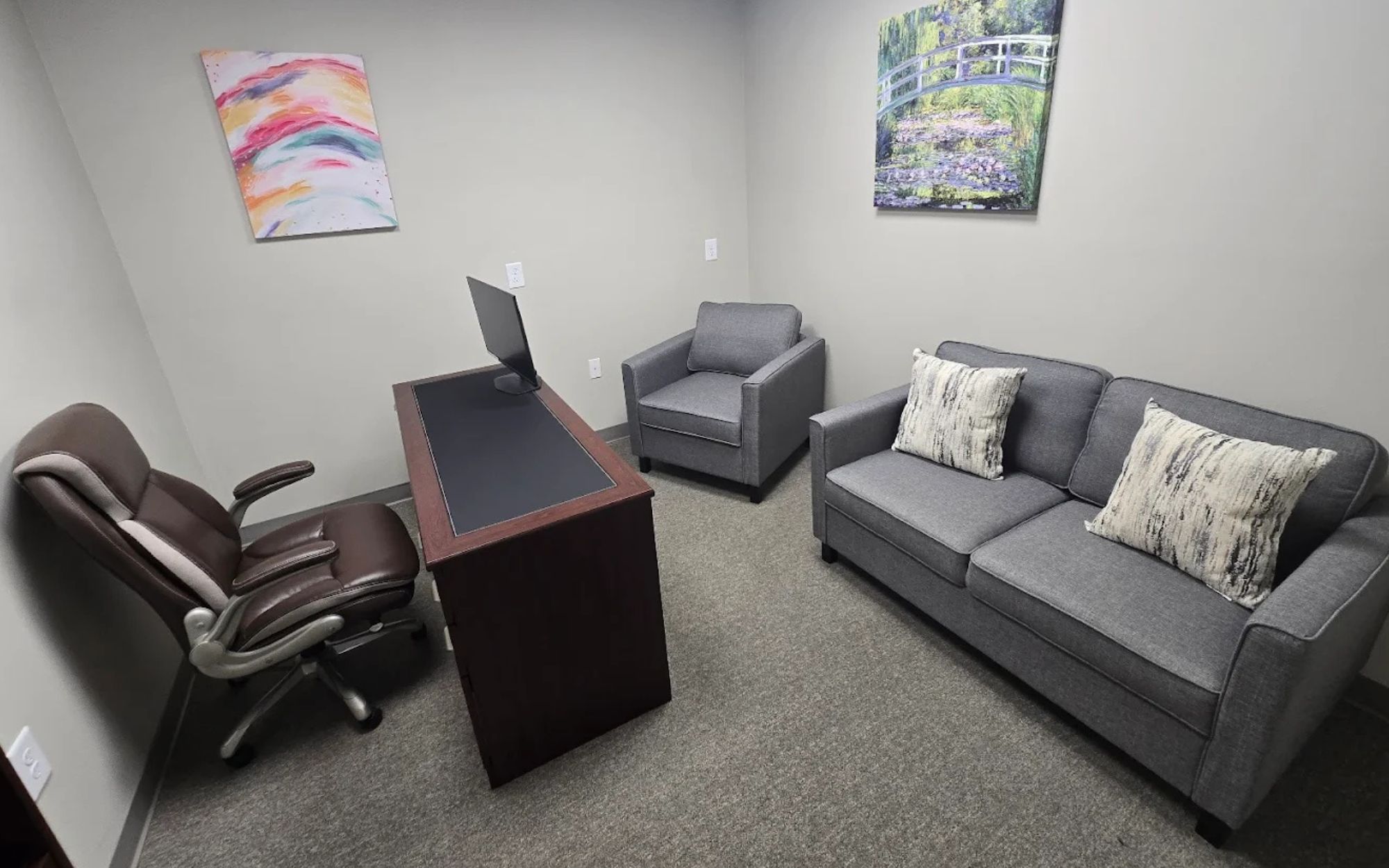
Check out our facility in Atlanta, GA

Discover why our programs are top rated today. Talk with our admissions team about the right treatment plan to bring lasting recovery.

Diagnosis and treatment begin with a thorough evaluation

Psychiatric diagnosis and treatment start with understanding the full clinical picture. During an evaluation, mental health professionals may review current symptoms, medical history, family history, substance abuse patterns, previous treatment, medications, sleep, lifestyle, and major stressors. This helps distinguish between symptoms caused by substance use and those connected to separate mental disorders.

A thorough evaluation may also consider how symptoms affect work, relationships, self-care, and daily functioning. Depending on the situation, a psychiatrist or other qualified medical professional may recommend additional medical assessment or testing to rule out physical conditions that could be affecting a personโ€™s mental health.

The evaluation is not simply about attaching a diagnosis to a list of symptoms. It helps care providers determine what needs attention first, whether co-occurring psychiatric conditions are present, and which level of support is appropriate.

For some people, concerns may include depression, anxiety, obsessive-compulsive disorder, trauma-related symptoms, personality disorders, or other psychiatric conditions. A primary care doctor may also be involved before specialty treatment begins, particularly when physical health concerns or medication interactions need to be considered.

The result should be a treatment plan grounded in the personโ€™s current needs, not a generic sequence of services.

the help you need is here

Recovery starts here

If you or someone you love is struggling with substance use or other mental health issues, Lanier Recovery Center can help. Request a callback below to receive care and support you can trust.

"*" indicates required fields

The role of different mental health professionals

Mental health care is often collaborative because different licensed professionals bring different areas of training to treatment. Understanding those roles can also make psychiatric services feel less confusing.

  • Psychiatrists are medical doctors with specialized training in psychiatry and can diagnose psychiatric disorders and prescribe medication.
  • Psychiatric nurse practitioners are advanced-practice nurses who may evaluate, diagnose, and prescribe medication within their scope of practice.
  • Clinical psychologists typically provide psychotherapy, assessment, and psychological testing rather than medication prescribing.
  • Licensed professional counselors and social workers may provide individual, group, or family therapy and help clients develop practical behavioral and coping skills.
  • Other credentialed care providers may contribute to treatment depending on the client’s clinical needs.

Within coordinated care, these roles can complement rather than compete with one another. Communication among providers helps keep psychiatric symptoms, therapy goals, medication response, and substance use recovery connected to the same treatment plan.

How medication management and therapy work together

Medication management is one part of psychiatric care, not the entire treatment plan. It generally involves psychiatric evaluation, reviewing current medications, considering whether psychiatric medications may be appropriate, and monitoring response, side effects, and changes in symptoms over time.

Medication and talk therapy can complement one another because they address different needs. Depending on the treatment plan, therapy sessions may draw from approaches such as:

  • Cognitive behavioral therapy for thoughts and behavior patterns.
  • Dialectical behavior therapy for emotional regulation and distress tolerance.
  • Trauma-informed therapy for post-traumatic stress and past experiences.
  • Individual psychotherapy for specific mental health or recovery concerns.
  • Group-based therapy for peer support, communication, and skill practice.

Medication may help manage certain psychiatric symptoms, while therapy can help clients build coping skills, understand behavioral patterns, and make lifestyle changes that support ongoing care.

Why ongoing psychiatric care matters

Mental health needs can change during addiction recovery. Sleep may improve, anxiety may shift, mood symptoms may become easier to recognize, or medication side effects may require attention. Ongoing care gives providers opportunities to review those changes rather than treating the original plan as permanent.

That can include monitoring symptoms, discussing medication response, reviewing new mental health challenges, and adjusting the broader treatment plan when appropriate. The goal is coordinated care that remains responsive as recovery progresses.

Georgia addiction treatment center

How to begin your recovery journey

We know beginning treatment can feel intimidating, so weโ€™ve made the process simple and stress-free.

1

Get in touch
with us

Call or complete our contact form to connect with an admissions specialist who takes the time to listen and understand your situation.

2

Complete an assessment
& insurance review

Our team will review your history, discuss your needs, and confirm insurance coverage or explore self-pay options to make things easy.
3

Start your
treatment

Begin a personalized program built around your goals, supported by evidence-based care and a compassionate clinical team.

Matching psychiatric care to specific mental health needs

Once the clinical picture is clearer, treatment can be matched to the symptoms, diagnosis, and goals involved. Psychiatric care may combine therapy, medication management, and ongoing monitoring rather than relying on a single intervention.

Cognitive behavioral therapy

Our cognitive behavioral therapy Atlanta approach can help clients identify unhelpful thought patterns, understand how those thoughts influence behavior, and practice healthier responses. CBT can be especially useful when anxiety, depression, stress, or substance use patterns reinforce one another.

Trauma and post-traumatic stress support

When past experiences continue to affect present-day functioning, PTSD treatment Atlanta may help clients work through trauma-related symptoms in a structured, clinically appropriate way. Treatment can focus on emotional regulation, triggers, coping skills, and the connection between trauma and substance use.

Anxiety and depression treatment

Our anxiety treatment Atlanta and depression treatment Atlanta services can support clients whose mood or anxiety symptoms complicate recovery. Depending on individual needs, care may involve psychotherapy, medication management, or a combination of approaches.

The goal is not to use every available treatment. It is to choose the combination of therapy, psychiatric support, and ongoing care that best fits the personโ€™s diagnosis, symptoms, and response over time.

When mental health needs require a different level of care

The right level of care depends on symptom severity, safety, daily functioning, and how much structure someone needs. Outpatient psychiatric care allows many people to receive treatment while continuing to live at home, while PHP offers more daytime structure and IOP provides greater flexibility.

Inpatient mental health treatment serves a different purpose. When someone is experiencing an acute psychiatric crisis or requires 24-hour monitoring and stabilization, inpatient care may be appropriate. Once outpatient treatment is clinically appropriate, care can transition into a less restrictive setting.

What sets lanier recovery center apart

Our approach to addiction and mental health treatment is built on comprehensive care, compassionate support, and individualized recovery paths that lead to lasting change.

Depth

We go beyond surface-level treatment to address the root causes of addiction and mental health challenges for lasting healing.

Support

Our compassionate team provides steady guidance, encouragement, and care at every stage of the recovery journey.

Strength

Through personalized therapy and skill-building, we help individuals rediscover confidence and inner resilience.

Accountability

We create structured support systems that promote responsibility, consistency, and long-term recovery success.

Aftercare

Our aftercare planning and alumni support ensure continued connection and stability long after treatment ends.

Flexibility

We offer adaptable treatment options that fit real-life responsibilities while maintaining consistent, high-quality care.

How psychiatric care fits into our outpatient services

At Lanier Recovery Center, mental health support can be integrated with our outpatient services so mental health care and addiction treatment reinforce one another. Clients who need greater daytime structure may participate in our PHP Atlanta, while our IOP Atlanta provides structured treatment with more flexibility for work, school, and family responsibilities. Our outpatient rehab Atlanta GA services can provide continued support as stability grows.

Level of care General role of psychiatric support
PHP More structured daytime treatment with frequent clinical support
IOP Ongoing therapy and mental health support while maintaining more daily responsibilities
Outpatient Continued monitoring, therapy, and recovery support with greater independence

Because these are outpatient services, clients return home or to another supportive living environment outside treatment hours. That allows new coping strategies, medication routines, and behavioral changes to be practiced in daily life while treatment continues.

Accessing psychiatric and mental health care

Finding appropriate mental health care can feel complicated when addiction, insurance, scheduling, and psychiatric symptoms are all competing for attention. Cost, provider availability, transportation, and confusion about insurance benefits can all make it harder to seek psychiatric care.

Our admissions team can help clients understand how behavioral health and addiction treatment benefits may apply to our outpatient services. Coverage varies by insurer and plan and may depend on factors such as:

  • Medical necessity.
  • Network status.
  • Deductibles and copays.
  • Prior authorization requirements.
  • Covered psychiatric and therapy services.

Getting clear information early can make the process more manageable. The goal is not to promise that every barrier disappears, but to help clients understand their options, insurance coverage, and appropriate next steps before treatment begins.

Lanier Recovery Center can help you
We understand that getting help for addiction can be challenging. Start with a free addiction assessment today.

Frequently asked questions

Get answers to commonly asked questions.

Mental health providers can have different responsibilities depending on their education, licensure, and psychiatric training. Psychiatrists are medical doctors with extensive training in psychiatry and can diagnose conditions and prescribe medications such as antidepressants or mood stabilizers. Psychiatric nurse practitioners and appropriately credentialed physician assistants may also provide certain psychiatric services within their scope of practice.

Clinical psychologists typically hold an advanced or doctoral degree and focus on psychotherapy, behavioral assessment, and psychological testing. Psychiatrists attend medical school and complete specialized psychiatric training, allowing them to diagnose psychiatric conditions and prescribe medication. Both can play important roles within coordinated mental health care.

Care providers consider symptoms, diagnosis, substance use, previous treatment, and individual goals. A broad range of psychotherapy approaches may be appropriate. CBT can address unhelpful thought and behavior patterns, DBT emphasizes emotional regulation and distress tolerance, and exposure and response prevention is commonly associated with obsessive-compulsive and certain anxiety disorders.

Yes. When mental health symptoms and substance use occur together, care can address how the two affect one another rather than treating each concern separately. A coordinated plan may combine psychotherapy, medication management when clinically appropriate, and addiction treatment based on the patientโ€™s individual needs. At Lanier Recovery Center, this integrated approach helps keep mental health needs and recovery goals connected throughout outpatient treatment.

The appropriate level of care depends on safety, symptom severity, and clinical needs. Some people may require hospital-based or other short-term care during an acute psychiatric crisis before outpatient treatment is appropriate. Lanier Recovery Center focuses on outpatient services, including PHP, IOP, and standard outpatient care.

Lanier Recovery Centerโ€™s top values

Every treatment will be uniquely tailored to you, because youโ€™re unique.

Sober living

Our team is 100% sober, including from Alcohol. We help our clients achieve sobriety and stick to it through thick and thin, because sobriety is the foundation of a fulfilling life.

Integrity

Our team is 100% sober, including from Alcohol. We help our clients achieve sobriety and stick to it through thick and thin, because sobriety is the foundation of a fulfilling life.

Everyone belongs

Our team is 100% sober, including from Alcohol. We help our clients achieve sobriety and stick to it through thick and thin, because sobriety is the foundation of a fulfilling life.

Limitless potential

Our team is 100% sober, including from Alcohol. We help our clients achieve sobriety and stick to it through thick and thin, because sobriety is the foundation of a fulfilling life.

Explore integrated treatment with Lanier Recovery Center

When substance use and mental health concerns occur together, coordinated treatment can help address both within the same recovery plan. At Lanier Recovery Center, our outpatient services are designed to support clients as their needs change over time.

If you have questions about our outpatient programs, mental health support, or insurance coverage, contact us by calling (470) 470-5697. Our admissions team can help you understand the next steps toward treatment.

If youโ€™re looking for more information, connect with our team by phone, email, or through our online form. Weโ€™re here to answer your questions, talk through your options, and support you as you begin your path toward lasting recovery.

Sources

National Institute of Mental Health. Finding Help for Co-Occurring Substance Use and Mental Disorders. National Institute of Mental Health.

National Institute on Drug Abuse. (April 20, 2020). Common Comorbidities with Substance Use Disorders Research Report. National Institute on Drug Abuse.

Columbia University Irving Medical Center. (September 27, 2023). Substance Use Disorder and Mental Illness Often Go Hand in Hand. Columbia University Irving Medical Center.

we are here for you

Get the help you need today.

Together, we can help you build a brighter future of wellness.

Free & easy insurance check

alliant
care source
multiplan
united healthcare
cigna
beacon
bluecross
tricare

Request a confidential call

"*" indicates required fields

This field is for validation purposes and should be left unchanged.
Preferred method*
Get Treatment For All Your Healthcare Needs

Other how we treat

Request A Confidential Call

Request a call and a Lanier Recovery Center team member will be in touch.

"*" indicates required fields