Request a call to speak with an admissions specialist. We are here to help you.

"*" indicates required fields

Ambien addiction treatment

Ambien can take hold faster than most people expect, turning a short-term sleep prescription into a nightly reliance within just a few weeks. If you now need the pill to fall asleep, take more than you once did, or dread the nights without it, that pattern points to physical dependence. Ambien addiction treatment gives your brain a safe way to relearn natural sleep without the drug, and it works. Understanding how zolpidem changes your brain, why stopping on your own is so hard, and what structured outpatient care in the Atlanta area can do makes it far easier to take that first step toward regaining control.
Free Insurance Check

Free & Confidential | HIPAA Compliant | No Obligation

"*" indicates required fields

1
2
3
4
This field is for validation purposes and should be left unchanged.
ambien addiction treatment

What is Ambien and how does dependence develop?

When you first seek help for chronic insomnia, doctors often prescribe a medication like zolpidem. This drug is a sedative-hypnotic designed strictly for short-term sleep induction. The medication works rapidly to calm your central nervous system. It enhances the activity of GABA receptors in your brain. This chemical shift quiets your racing thoughts and gently moves your body into a state of sleep.

Your brain quickly adapts to this artificial calming effect. This adaptation is known as tolerance. Over time, the original dose stops working, and you may find yourself taking more just to fall asleep. Physical dependence forms rapidly as your brain forgets how to initiate sleep without the drug. The answer to whether you can become dependent on Ambien is an absolute yes.

Table of Contents

This issue is common across the country. In 2022, data showed that nearly 5 million people over the age of 12 engaged in prescription sedative misuse. Many individuals never intend to misuse their medication. In fact, a 2018 study by Moore and Mattison found that 68% of users were prescribed higher-than-recommended doses. These high doses accelerate the rate at which your brain becomes dependent.

Once dependence takes hold, trying to stop on your own can feel terrifying. The lost sleep returns worse than before. This rebound effect drives many people to seek structured care to break the cycle. Lanier Recovery Center offers outpatient rehab in Atlanta, GA that helps you reverse this tolerance while staying connected to work and family. Over time, you can retrain your brain to sleep naturally without relying on a chemical crutch.

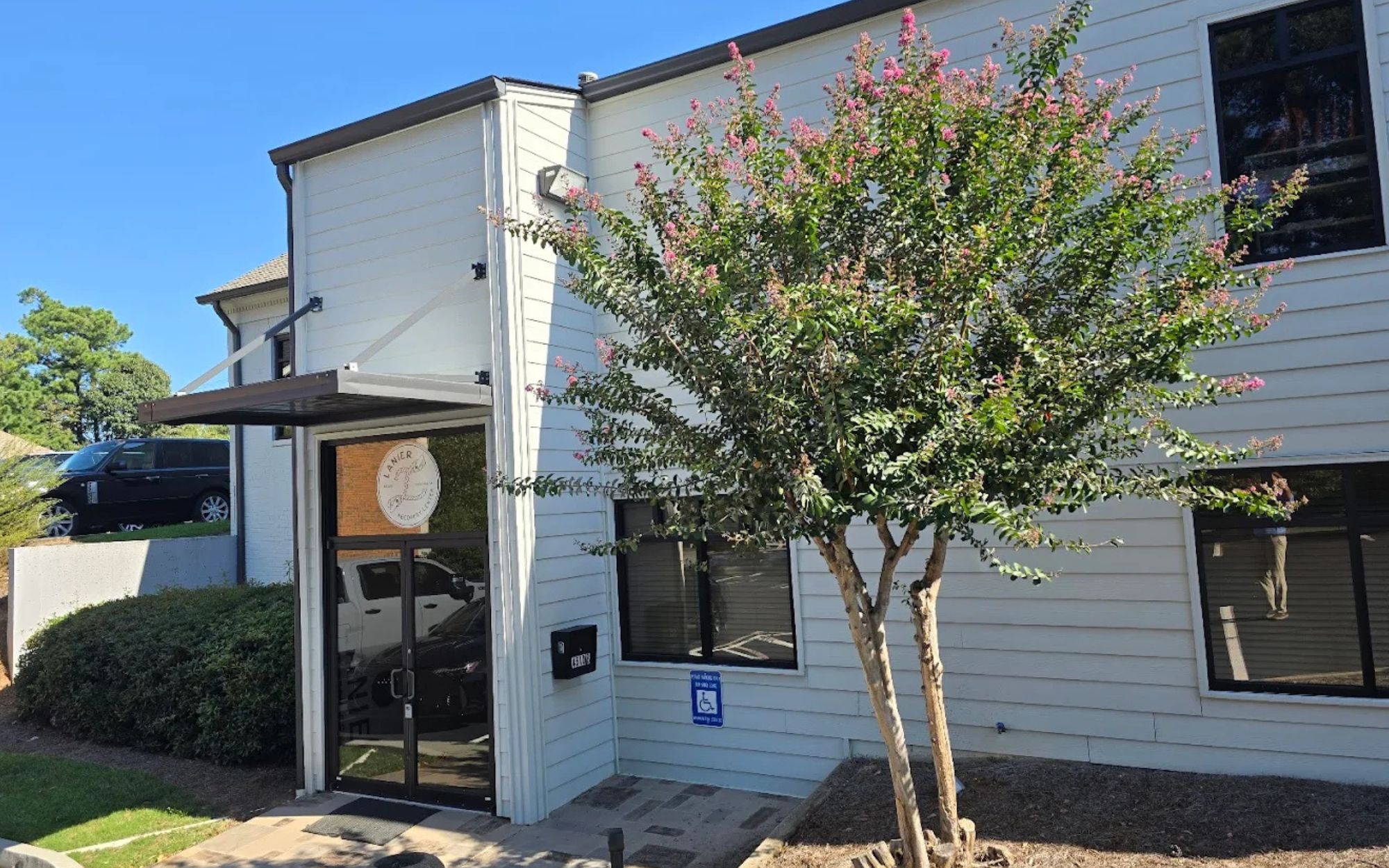
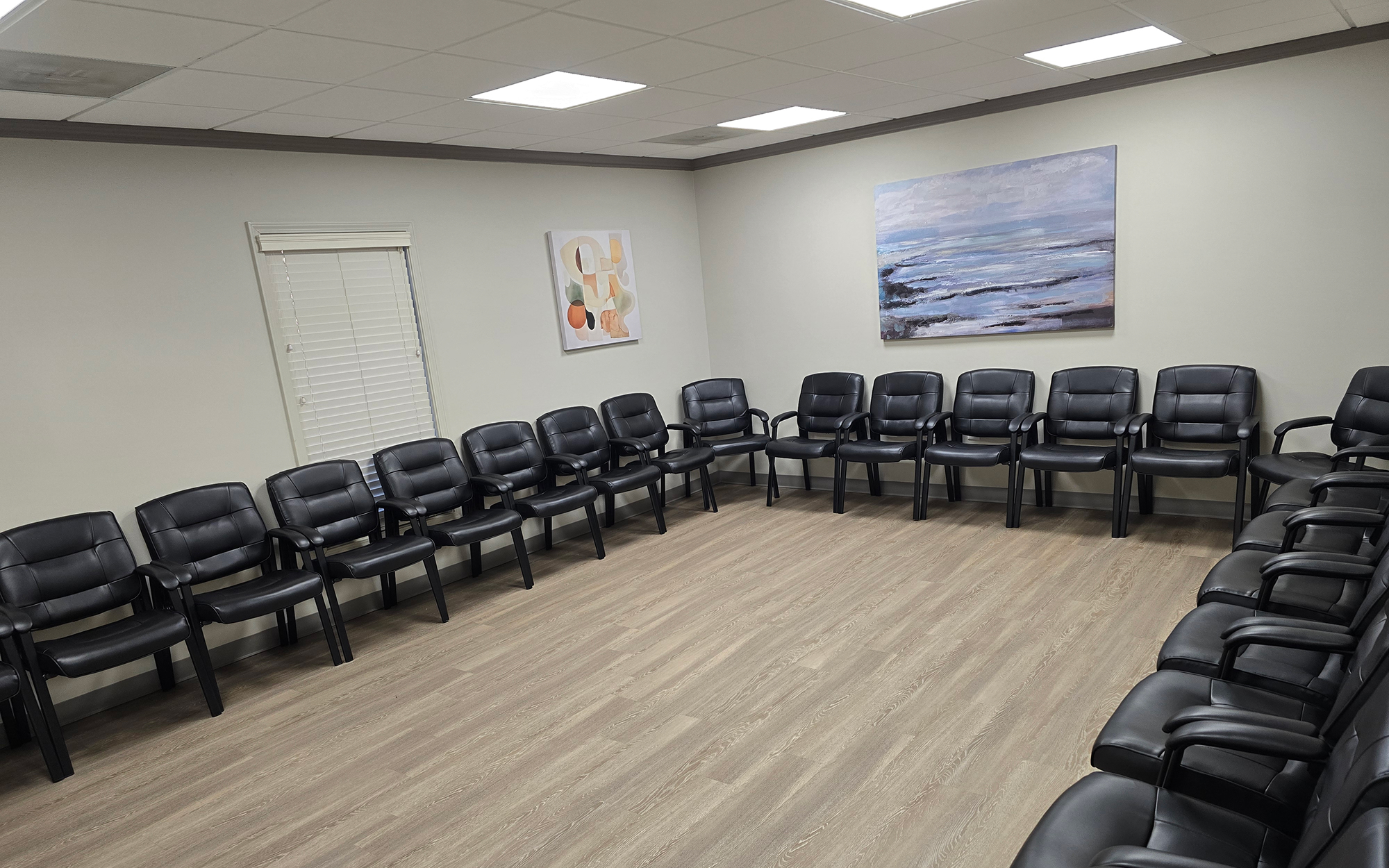
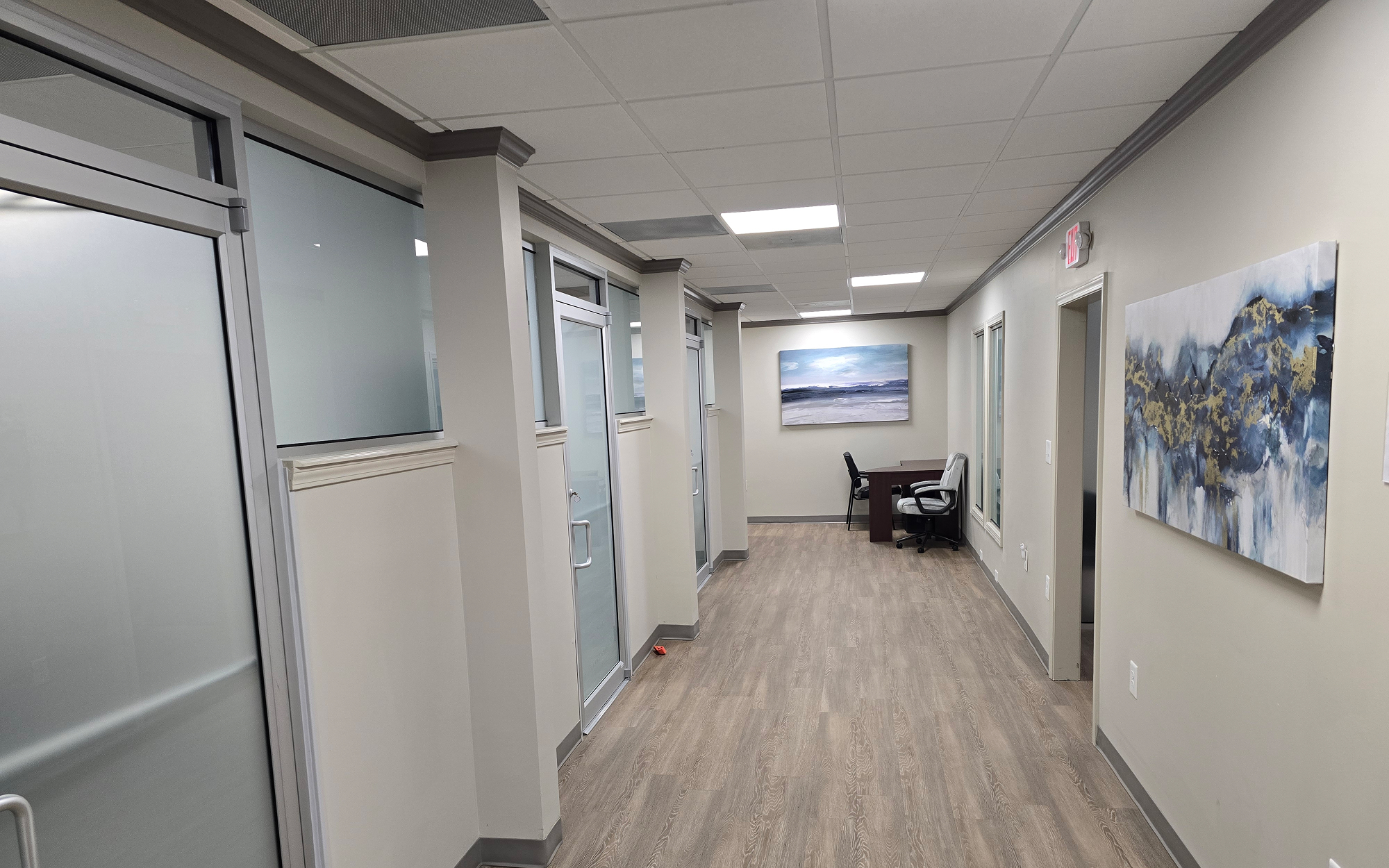
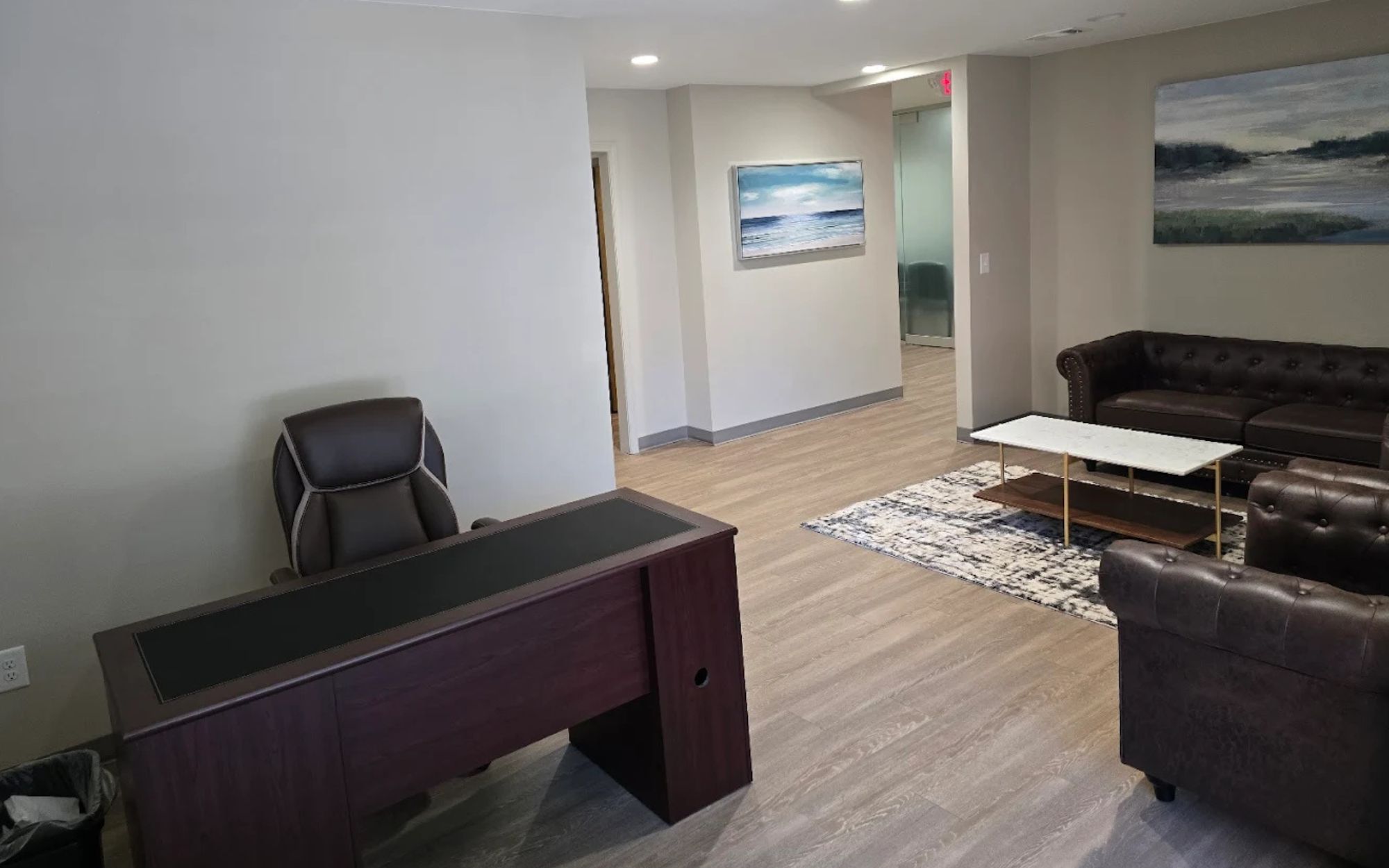
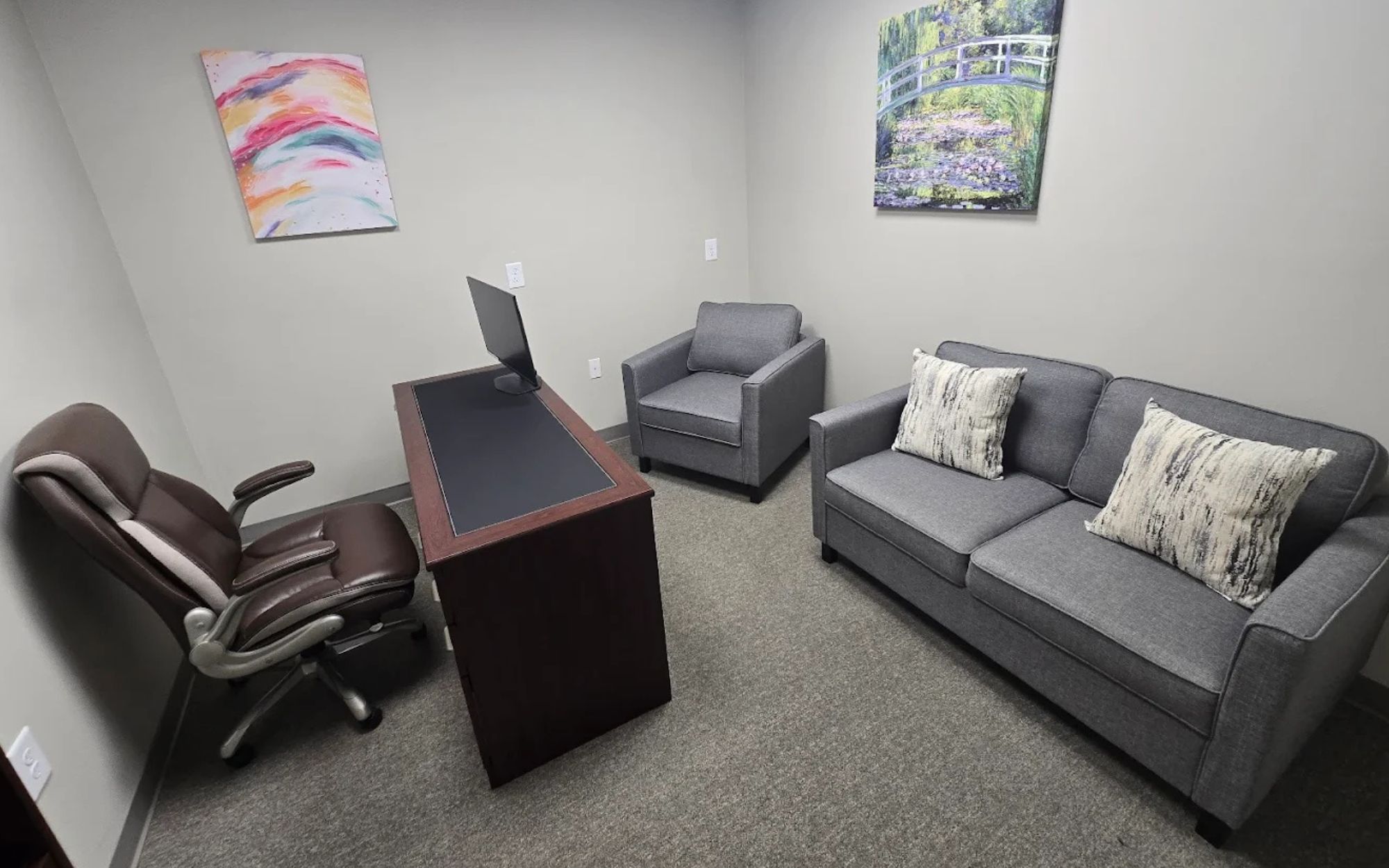
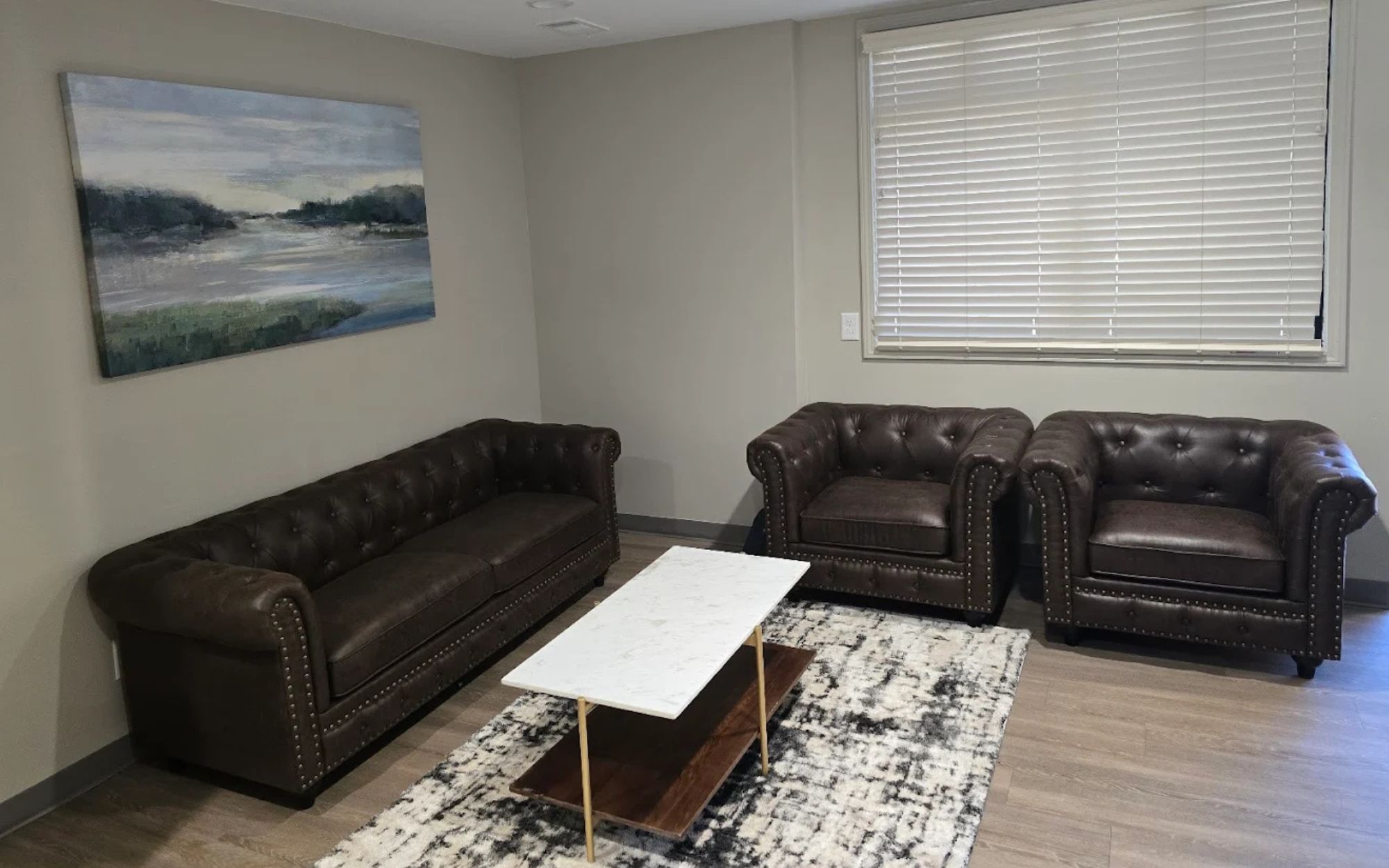
Check out our facility in Atlanta, GA

Discover why our programs are top rated today. Talk with our admissions team about the right treatment plan to bring lasting recovery.

Signs of Ambien addiction

Crossing the line from prescribed use into an active substance use disorder rarely happens overnight. It usually begins with subtle lifestyle shifts. You might start taking the medication earlier in the evening to relax. Eventually, these small choices snowball into a full reliance on the drug for basic daily functioning. Recognizing the signs early is vital for seeking effective Ambien abuse treatment.

One major red flag is engaging in doctor shopping. This happens when a person visits multiple physicians to secure extra prescriptions. You might also find yourself taking ultra-high doses just to feel normal. These behaviors indicate that the medication has hijacked your brain reward center. The physical and emotional signs of Ambien addiction often spill over into every area of your life.

Behavioral and emotional changes

The emotional toll of relying on sleep aids can be exhausting. Many individuals begin hiding their pill bottles from family members. Some may even resort to forging prescriptions or taking medication from loved ones. These actions are driven by a deep fear of facing the night without chemical help.

Emotional triggers play a major role in this cycle. Stressful days at work or family arguments can intensify the urge to misuse the medication. You might start taking it during the day just to cope with anxiety. Addressing these triggers requires professional behavioral therapies to heal properly. Structured programs built around cognitive behavioral therapy in Atlanta can help you manage these difficult emotions.

Physical and cognitive effects

The physical toll of chronic zolpidem misuse is profound. Many people wake up experiencing a severe Ambien hangover. This leaves them feeling groggy, confused, and physically sluggish throughout the next day. Other common physical symptoms include:

  • Severe dizziness and loss of coordination.
  • Nystagmus, which is an involuntary eye movement.
  • A persistent, dull headache that will not go away.
  • A severe drop in overall cognitive function.

When your brain is overloaded with these sedatives, it struggles to process even basic information correctly. You may lose track of conversations, forget recent events, or feel mentally foggy for hours. You also face serious risks of engaging in complex behaviors while fully asleep. People have been known to drive cars, cook meals, and leave their homes with zero memory of the event.

the help you need is here

Recovery starts here

If you or someone you love is struggling with substance use or other mental health issues, Lanier Recovery Center can help. Request a callback below to receive care and support you can trust.

"*" indicates required fields

Short- and long-term risks of abusing Ambien

Using zolpidem exactly as prescribed carries its own set of risks. However, combining it with other substances creates a life-threatening scenario. Polysubstance abuse involves mixing Ambien with other CNS depressants like alcohol or pain medications. This combination drastically amplifies the dangerous effects on your body. The risk of a fatal overdose increases exponentially when these drugs interact.

Risk category Associated symptoms and dangers Care and interventions needed
Short-term misuse risks Severe dizziness, memory blackouts, sleep-driving, and next-day cognitive fog. Medical evaluation and supervised dose reduction.
Long-term dependency consequences Chronic insomnia, heightened anxiety, liver strain, and severe rebound withdrawal symptoms. Comprehensive outpatient rehabilitation, behavioral therapy, and aftercare planning.
Concurrent use (polysubstance) risks Respiratory failure, coma, fatal overdose, and compounded central nervous system depression. Coordinated medically supervised tapering, close monitoring, and dual diagnosis care.

Statistics highlight just how common and dangerous these combinations truly are. Concurrent use with opioids increases addiction risk by 22%, while mixing it with benzodiazepines increases the risk by 23%. Both combinations severely depress your respiratory system. Your breathing can become so shallow during sleep that it simply stops altogether. This overlap is one reason many people also need benzodiazepine addiction treatment alongside care for Ambien.

The public health impact of this drug is significant. Federal data recorded a 220% rise in emergency department visits involving zolpidem between 2005 and 2010. Many of these emergencies stemmed from respiratory issues or dangerous sleepwalking accidents. Patients often wake up in the hospital with no idea how they got there.

Mental health also plays a major role in this crisis. According to a study by Schifano et al., nearly 50% of individuals misusing Ambien have co-occurring psychiatric disorders. Anxiety and depression often fuel the desire to escape through sleep. This is why seeking dual diagnosis treatment in Atlanta is so critical for achieving true, lasting wellness.

Georgia addiction treatment center

How to begin your recovery journey

We know beginning treatment can feel intimidating, so weโ€™ve made the process simple and stress-free.

1

Get in touch
with us

Call or complete our contact form to connect with an admissions specialist who takes the time to listen and understand your situation.

2

Complete an assessment
& insurance review

Our team will review your history, discuss your needs, and confirm insurance coverage or explore self-pay options to make things easy.
3

Start your
treatment

Begin a personalized program built around your goals, supported by evidence-based care and a compassionate clinical team.

The challenge of Ambien withdrawal

When you take a sedative every single night, your brain chemically adjusts to its presence. Your nervous system turns down its natural calming mechanisms because the drug is doing the work. If you suddenly remove that drug, your brain is left unprotected against stress and overstimulation. This abrupt shift in brain chemistry is what causes severe Ambien withdrawal symptoms.

Why stopping Ambien suddenly can be dangerous

Many people ask whether zolpidem can be stopped abruptly. The answer is a firm no. Sudden cessation can push your nervous system into a dangerous state of hyperexcitability. This can trigger seizure-like withdrawal symptoms, extreme panic attacks, and severe hallucinations. You will also face a crushing wave of rebound insomnia that can keep you awake for days.

Because withdrawal symptoms can escalate quickly, medical monitoring is strongly recommended for anyone stopping regular Ambien use. Attempting to quit cold turkey at home is both painful and physically dangerous. A clinical team can oversee a tapering protocol that slowly weans your brain off the medication and keeps you safe throughout the process.

The importance of a medically supervised taper

A gradual, medically supervised taper provides the safety and comfort you need during this vulnerable time. Because zolpidem withdrawal can be serious, this early stabilization is best handled under medical oversight, which Lanier Recovery Center helps coordinate and can refer you to when a supervised taper or detox is needed.

Continuing recovery after Ambien withdrawal

Once your body is stable, Lanier steps in with outpatient care that keeps your recovery moving forward while protecting your heart, your mind, and your future.

What sets lanier recovery center apart

Our approach to addiction and mental health treatment is built on comprehensive care, compassionate support, and individualized recovery paths that lead to lasting change.

Depth

We go beyond surface-level treatment to address the root causes of addiction and mental health challenges for lasting healing.

Support

Our compassionate team provides steady guidance, encouragement, and care at every stage of the recovery journey.

Strength

Through personalized therapy and skill-building, we help individuals rediscover confidence and inner resilience.

Accountability

We create structured support systems that promote responsibility, consistency, and long-term recovery success.

Aftercare

Our aftercare planning and alumni support ensure continued connection and stability long after treatment ends.

Flexibility

We offer adaptable treatment options that fit real-life responsibilities while maintaining consistent, high-quality care.

Ambien addiction treatment options

Overcoming a sedative-hypnotic use disorder requires much more than simply stopping the medication. True healing involves a comprehensive continuum of care that addresses your mind, body, and environment. A high-quality treatment program guides you through the specific stages of recovery. This structured approach helps transition you from the pain of withdrawal into a proactive, hopeful phase of Ambien rehab.

Your path to Ambien recovery does not have to be a lonely struggle. At Lanier Recovery Center, expert clinicians build a personalized plan for your unique needs. They understand the intense grip these sleep aids can have on working professionals. Every step is designed to restore your natural sleep cycles and rebuild your confidence through Ambien addiction rehab that fits your daily life.

Medical stabilization and medication support

The first step in recovery is physical stabilization. Because Ambien withdrawal can be dangerous, this stage may call for a medically supervised taper or detox. Lanier coordinates this level of care and refers you to appropriate medical providers so the drug leaves your system safely and your discomfort is minimized.

During stabilization, clinicians often use a slow tapering schedule rather than an abrupt stop. A longer-acting medication may be used as a bridge to safely step down your dependence and prevent dangerous spikes in anxiety and heart rate. This steady process protects your brain from withdrawal shock and prepares you for the therapeutic work ahead in outpatient treatment.

Cognitive behavioral therapy

Once your body is stabilized, the focus shifts to your mind. Cognitive behavioral therapy Atlanta addresses the root causes of your insomnia and your psychological reliance on the pill. You will learn how to challenge the catastrophic thoughts that keep you awake at night.

The National Institute on Drug Abuse notes that behavioral therapies are key to treating addiction to central nervous system depressants. CBT teaches you strict sleep hygiene and natural relaxation techniques. Over time, you will break the mental association that connects a pill to a good night of sleep. Working alongside group therapy in Atlanta, this work helps you rebuild confidence with the support of others in recovery.

Outpatient programs that fit your life

For many people, the best way to heal is with a structured program that still lets them keep up with work and family. Lanier Recovery Center provides a full outpatient continuum, including a partial hospitalization program, an intensive outpatient program, and regular outpatient care. Each level offers structured clinical support while you continue living at home.

You will work regularly with a dedicated treatment team who understands your struggles. Outpatient care incorporates group counseling, trauma support, family involvement, and holistic sleep hygiene education. This model lets you apply new coping skills in real life while staying connected to the people and routines that support your recovery.

Lanier Recovery Center can help you
We understand that getting help for addiction can be challenging. Start with a free addiction assessment today.

Choosing the right Ambien addiction treatment center

Selecting the right treatment facility is a deeply personal choice that impacts your entire future. You need a program that fits your specific lifestyle, career demands, and family needs. An outpatient setting close to home often provides the ideal balance for working professionals. It offers real clinical structure without forcing you to travel across the country or step away from your responsibilities.

Lanier Recovery Center in Suwanee provides these benefits for residents across the North Atlanta area. The facility is close enough to Atlanta for meaningful family involvement and an easy transition back to work. At the same time, it offers a calm, focused environment for genuine healing near the lake. You do not have to choose between clinical excellence and a comfortable, relatable setting.

If you are ready to break free from the cycle of sleeplessness and medication, take the first step today. Reaching out for outpatient rehab in Atlanta, GA is an act of real courage. Verify your insurance or contact admissions to begin your journey to lasting wellness.

Frequently asked questions

Ambien addiction treatment addresses both the physical and psychological dependence that can develop with ongoing Ambien use. Treatment options may include medical detox, individual and group therapy, treatment for co-occurring mental health disorders, and ongoing support. After completing detox, outpatient treatment can help patients address the reasons behind Ambien misuse, develop healthier coping strategies, and maintain sobriety.

Hallmark signs of Ambien addiction can include taking Ambien in higher doses or for extended periods, developing tolerance, doctor shopping, misusing Ambien despite negative consequences, or feeling unable to fall asleep without it. Some people may also experience unusual behaviors such as sleep eating or significant mood swings. Continuing to use prescribed Ambien despite harmful consequences may indicate that professional help is needed.

Ambien withdrawal symptoms may include rebound insomnia, anxiety, panic attacks, mood swings, restlessness, and other physical or psychological symptoms. People with significant Ambien dependence may experience more severe withdrawal symptoms, particularly after taking higher doses or stopping Ambien suddenly. Medical professionals can develop a tapering schedule and provide medical supervision to help manage withdrawal symptoms safely.

Medical detox may be recommended for people who have developed physical dependence on Ambien, particularly when higher doses or long-term use are involved. Because severe withdrawal can occur, healthcare providers may gradually reduce the medication rather than recommend suddenly stopping Ambien. Medical supervision can also help identify complications and determine which addiction treatment services should follow detox.

Rebound insomnia is a common concern during Ambien withdrawal, but healthy sleep habits can support recovery over time. Strategies may include maintaining a consistent sleep schedule, creating a relaxing bedtime routine, improving sleep hygiene, and addressing underlying mental health or sleep disorders with a professional. Outpatient programs can provide additional support for managing insomnia without returning to Ambien or other sedative hypnotic medications.

Lanier Recovery Centerโ€™s top values

Every treatment will be uniquely tailored to you, because youโ€™re unique.

Sober living

Our team is 100% sober, including from Alcohol. We help our clients achieve sobriety and stick to it through thick and thin, because sobriety is the foundation of a fulfilling life.

Integrity

Our team is 100% sober, including from Alcohol. We help our clients achieve sobriety and stick to it through thick and thin, because sobriety is the foundation of a fulfilling life.

Everyone belongs

Our team is 100% sober, including from Alcohol. We help our clients achieve sobriety and stick to it through thick and thin, because sobriety is the foundation of a fulfilling life.

Limitless potential

Our team is 100% sober, including from Alcohol. We help our clients achieve sobriety and stick to it through thick and thin, because sobriety is the foundation of a fulfilling life.

Reclaim your rest at Lanier Recovery Center

Overcoming a dependence on prescription sleep aids takes professional guidance, but restoring your natural sleep cycle is entirely possible. The physical and emotional grip of zolpidem can feel overwhelming, especially when the fear of severe insomnia keeps you locked in a cycle of misuse. At Lanier Recovery Center, our clinical team understands the vulnerability of this process and builds evidence-based outpatient plans for professionals and families across the greater Atlanta area.

You do not have to navigate the frustration of sleepless nights on your own. When a supervised taper is needed, we help coordinate that care, then support your recovery through cognitive behavioral therapy, dual diagnosis treatment, and our outpatient programs. If you are ready to safely step away from medication and reclaim your evenings, call us today at (470) 470-5697 to discuss your treatment options and build a personalized plan for genuine, restorative rest. Contact us now.

If youโ€™re looking for more information, connect with our team by phone, email, or through our online form. Weโ€™re here to answer your questions, talk through your options, and support you as you begin your path toward lasting recovery.

Sources

National Institute on Drug Abuse. (2011, October). What is the scope of prescription drug misuse in the United States? (nida.nih.gov)

we are here for you

Get the help you need today.

Together, we can help you build a brighter future of wellness.

Free & easy insurance check

alliant
care source
multiplan
united healthcare
cigna
beacon
bluecross
tricare

Request a confidential call

"*" indicates required fields

This field is for validation purposes and should be left unchanged.
Preferred method*
Get Treatment For All Your Healthcare Needs

Other what we treat

Request A Confidential Call

Request a call and a Lanier Recovery Center team member will be in touch.

"*" indicates required fields