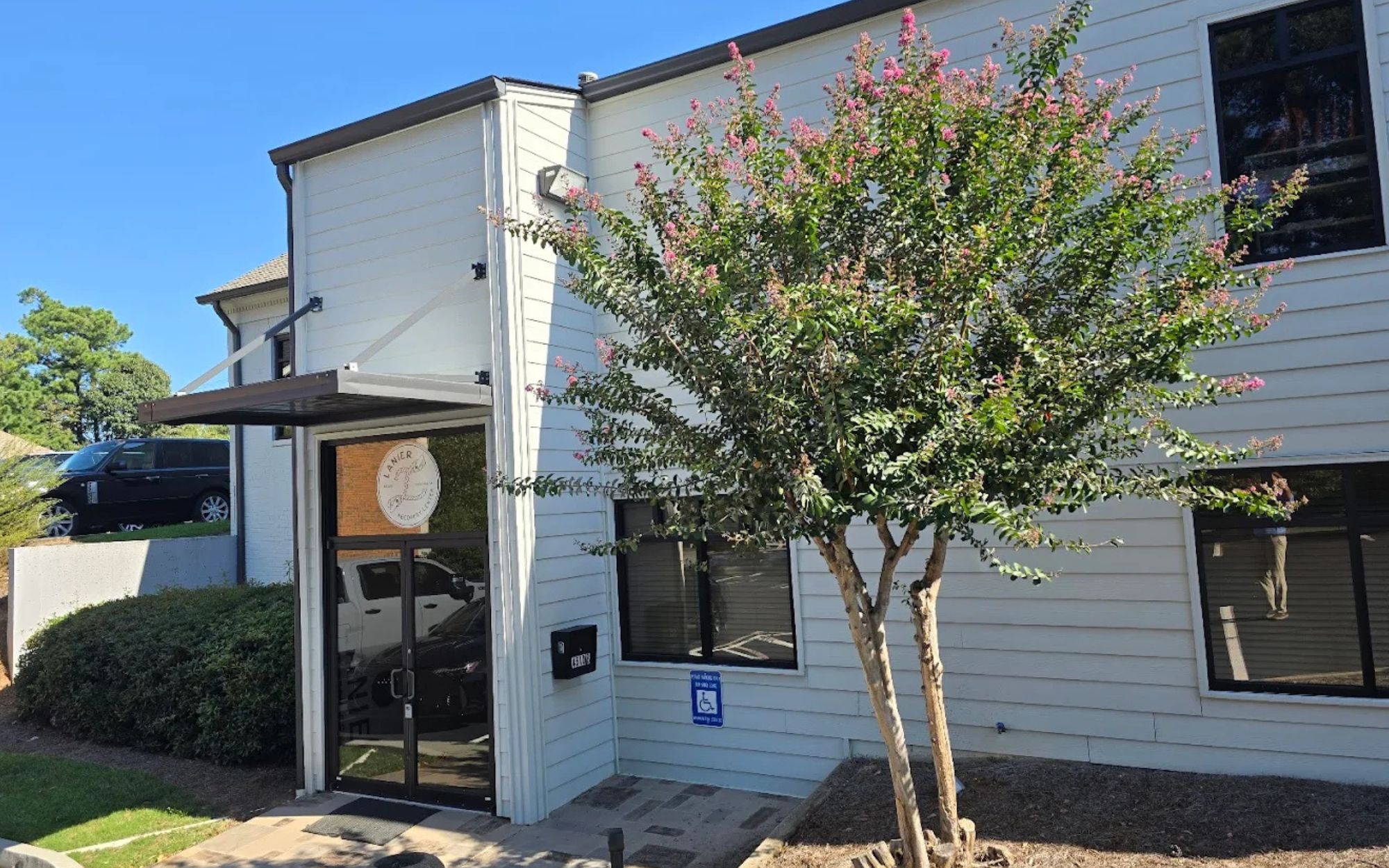
Our Location

4510 Nelson Brogdon Blvd, Sugar Hill, GA 30518

Call Us

(470) 470-5697

PTSD and Trauma Treatment

Reclaim Your Life with Outpatient Trauma-Informed Care

Trauma affects more than memory—it rewires the nervous system, disrupts emotional safety, and reshapes the way individuals see themselves and the world. Whether it stems from childhood abuse, violence, neglect, accidents, grief, or complex life experiences, trauma leaves a lasting imprint. At Lanier Recovery Center, we provide trauma treatment in Atlanta using outpatient levels of care grounded in empathy, clinical excellence, and long-term healing.

Our Partial Hospitalization Program (PHP), Intensive Outpatient Program (IOP), and standard Outpatient Program (OP) allow you to receive trauma therapy while remaining active in your daily life.
What Is Trauma?

Trauma is not defined solely by the event, but by the body and brain’s response to it. Some people experience trauma from a single event, while others endure repeated, chronic stressors. Regardless of the source, trauma can affect mental health, relationships, physical well-being, and a person’s ability to feel safe and present.

Types of trauma we treat include:

  • Physical, sexual, or emotional abuse

  • Childhood neglect

  • Domestic violence

  • Assault or military combat exposure

  • Loss of a loved one or sudden life change

  • Medical trauma or chronic illness

  • Racial or systemic trauma

  • Complex trauma (multiple or long-term events)

Daily Challenges of Living with Trauma

Trauma doesn’t just live in the past—it shows up in everyday life, often in subtle or misunderstood ways. Examples of daily challenges include:

  • Emotional numbness or difficulty trusting others

  • Sudden anger, anxiety, or panic in response to triggers

  • Hypervigilance in public places or crowded rooms

  • Avoidance of certain people, locations, or situations

  • Sleep disturbances, including nightmares and insomnia

  • Difficulty concentrating or remembering things

  • Feeling “on edge” or constantly in survival mode

  • Chronic self-blame, shame, or feelings of worthlessness

  • Struggles in relationships due to fear of vulnerability

Without proper support, these patterns can continue for years or worsen over time. At Lanier Recovery Center, we guide you through the healing process in a way that is safe, compassionate, and empowering.

What Is PTSD?

PTSD is a mental health disorder triggered by experiencing or witnessing a traumatic event. While it’s natural to feel afraid or upset after a traumatic event, PTSD involves persistent symptoms that continue long after the danger has passed.

Common symptoms include:

  • Intrusive thoughts or flashbacks

  • Nightmares or disturbed sleep

  • Avoidance of reminders of the trauma

  • Irritability, anger, or aggression

  • Hypervigilance or exaggerated startle response

  • Difficulty concentrating

  • Emotional numbness or detachment

  • Guilt, shame, or self-blame

These symptoms can significantly impair daily functioning and quality of life. PTSD is not a sign of weakness—it’s a normal response to abnormal experiences.

Daily Challenges of Living with PTSD

The symptoms of PTSD often show up in daily life in ways that interfere with your ability to feel safe or connected. These challenges can include:

  • Feeling on edge in public or crowded spaces

  • Avoiding driving, sleeping in the dark, or being touched due to triggers

  • Missing work or school because of anxiety or panic attacks

  • Isolating from loved ones out of fear or guilt

  • Difficulty forming or maintaining relationships due to emotional numbness or mistrust

  • Struggling to sleep through the night or concentrate at work

  • Feeling stuck in a cycle of re-experiencing trauma and trying to escape it

These challenges can also lead to co-occurring disorders like depression, substance use, or anxiety. At Lanier Recovery Center, we treat the full person, not just the diagnosis.

How We Treat Trauma and PTSD at Lanier Recovery Center

Healing from trauma is not a one-size-fits-all process. It requires an individualized approach, built on trust and professional guidance. Our trauma-informed care ensures that every client receives treatment tailored to their specific experiences, symptoms, and recovery goals.

Our approach includes:

  • Cognitive Behavioral Therapy (CBT): Addresses unhelpful thought patterns that reinforce fear, guilt, or avoidance

  • Dialectical Behavior Therapy (DBT): Builds emotional regulation, distress tolerance, and interpersonal effectiveness

  • Experiential and Narrative Therapy: Helps process trauma in creative, non-verbal, or structured storytelling formats

  • Mindfulness and Somatic Practices: Reconnects clients with their bodies to manage hyperarousal and anxiety

  • Individual Therapy: Safe, consistent space to work through trauma at your own pace

  • Group Therapy: Provides community, reduces shame, and offers shared wisdom

  • Family Education and Support: Teaches loved ones how to respond supportively and understand trauma responses

  • Medication Support (as needed): May assist with depression, anxiety, or sleep disruption related to trauma

Levels of Care for PTSD and Trauma Recovery

We offer multiple outpatient levels of care to meet clients where they are in their journey:

Partial Hospitalization Program (PHP)

A structured, five-day-per-week program offering daily therapy, psychoeducation, and skill-building for those in acute distress or needing consistent support.

Intensive Outpatient Program (IOP)

Provides trauma-focused care three to five times per week, giving clients flexibility to balance healing with daily responsibilities.

Outpatient Program (OP)

Best for clients transitioning from higher levels of care or managing milder symptoms with ongoing therapeutic support.

Each level of care includes an individualized treatment plan reviewed and adjusted regularly.

Why Choose Lanier Recovery Center for PTSD and Trauma Treatment?

  • Experienced, Trauma-Informed Team: We’ve helped hundreds of individuals reclaim their lives through compassionate, evidence-based care

  • Safe and Empowering Environment: We focus on safety and stabilization before trauma processing begins

  • Comprehensive, Integrated Care: We treat co-occurring issues such as anxiety, depression, and substance use alongside trauma

  • Ethical, Trustworthy Treatment: Integrity and empathy are at the core of everything we do

  • Custom-Crafted Plans: No two trauma stories are alike. We tailor each program to the individual’s needs and experiences

Frequently Asked Questions

What makes trauma treatment different from regular therapy?
Trauma treatment uses a specialized, client-paced approach that focuses on safety, nervous system regulation, and long-term emotional healing, not just symptom relief.

Do I have to talk about my trauma right away?
No. We never push clients to disclose or reprocess trauma until they feel ready and emotionally equipped.

Is group therapy safe for trauma recovery?
Yes, when facilitated by trained clinicians in a trauma-informed setting. Group therapy can be validating and reduce feelings of shame or isolation.

Can trauma cause physical symptoms?
Absolutely. Trauma often manifests physically through fatigue, digestive issues, chronic pain, headaches, or panic attacks. We help clients recognize and manage these somatic symptoms.

Will my trauma ever go away completely?
While memories of trauma may not disappear, the emotional charge attached to them can be significantly reduced. With treatment, most clients find peace, clarity, and a renewed sense of purpose.

How is PTSD diagnosed?
PTSD is diagnosed through a clinical assessment based on DSM-5 criteria, including symptom duration, severity, and impact on daily functioning.

Is trauma therapy safe?
Yes. We use trauma-informed care, which means treatment is designed to be emotionally safe and paced according to your comfort level.

How long does PTSD treatment take?
There is no fixed timeline, but many people benefit from several months of structured therapy. Your journey depends on your goals, history, and engagement in the process.

Will I be forced to talk about my trauma right away?
No. Our team focuses on stabilization first. Sharing details of trauma only occurs when you’re ready and only in ways that support your healing.

Can PTSD lead to substance abuse?
Yes. Many people with PTSD use substances to numb distressing symptoms. We treat co-occurring substance use as part of your care plan if needed.

Start Trauma and PTSD Treatment in Atlanta Today

You don’t have to live in fear of your past. At Lanier Recovery Center, we help individuals process trauma, regulate emotions, and reconnect with life on their terms. Our outpatient trauma and PTSD programs provide real tools for real healing—no judgment, no pressure, just support.

Contact us today to start trauma and PTSD treatment in Atlanta and take your first step toward recovery.

Our Services

Get Started On Your Journey

Call Us

(470) 470-5697

Our Location

4510 Nelson Brogdon Blvd, Sugar Hill, GA 30518

Email us

admin@lanierrecoverycenter.com