Request a call to speak with an admissions specialist. We are here to help you.

"*" indicates required fields

Evening addiction treatment Atlanta

Evening IOP programs give working adults a way to get intensive addiction treatment without stepping away from a job, a family, or a daytime schedule. Sessions meet after business hours, so you can hold onto your career and your responsibilities while still committing serious clinical time to recovery. For anyone who has felt forced to choose between a paycheck and getting help, evening intensive outpatient care removes that trade-off, delivering structured, evidence-based treatment in the hours you actually have free.
Free Insurance Check

Free & Confidential | HIPAA Compliant | No Obligation

"*" indicates required fields

1
2
3
4
This field is for validation purposes and should be left unchanged.
Evening IOP programs differ from a residential program or a partial hospitalization program in the sense you can participate in family therapy, and sessions during the evening.

What are evening IOP programs?

An evening intensive outpatient program offers a structured, clinically comprehensive level of care for mental health and substance use disorders. It sits between standard weekly therapy and full-time residential treatment. When you enroll in an evening IOP, you receive high-quality, evidence-based treatment while maintaining your ability to live at home. This format is uniquely tailored to accommodate your daytime work obligations, school schedules, and family responsibilities without requiring you to step away from your life entirely.

Table of Contents

How an evening IOP schedule works

When considering IOP Atlanta, clients often wonder about the specific time commitment. A typical evening program runs three to five evenings a week. You can expect sessions to take place during convenient after-hours windows, commonly from 6:00 PM to 9:00 PM. Each session lasts roughly three hours, ensuring you receive substantial clinical contact each week. This creates a predictable routine that lets you focus on your career during the day and dedicate your evenings entirely to healing.

The overall expected duration of an evening intensive outpatient program is usually 8 to 12 weeks. However, this timeline is flexible and depends entirely on your individual progress and clinical needs. Some individuals meet their treatment goals sooner, while others benefit from an extended supportive period as they navigate the early stages of recovery.

Why the evening format works for working adults

The primary benefit of this treatment model is accessibility. You do not have to choose between keeping your job and addressing your behavioral health. By participating in an outpatient rehab Atlanta GA during the evening, you gain a built-in support system that helps you process daily stressors in real time. Instead of recovering in an isolated bubble, you practice new coping skills immediately at home and at work, making your long-term recovery stronger and more sustainable.

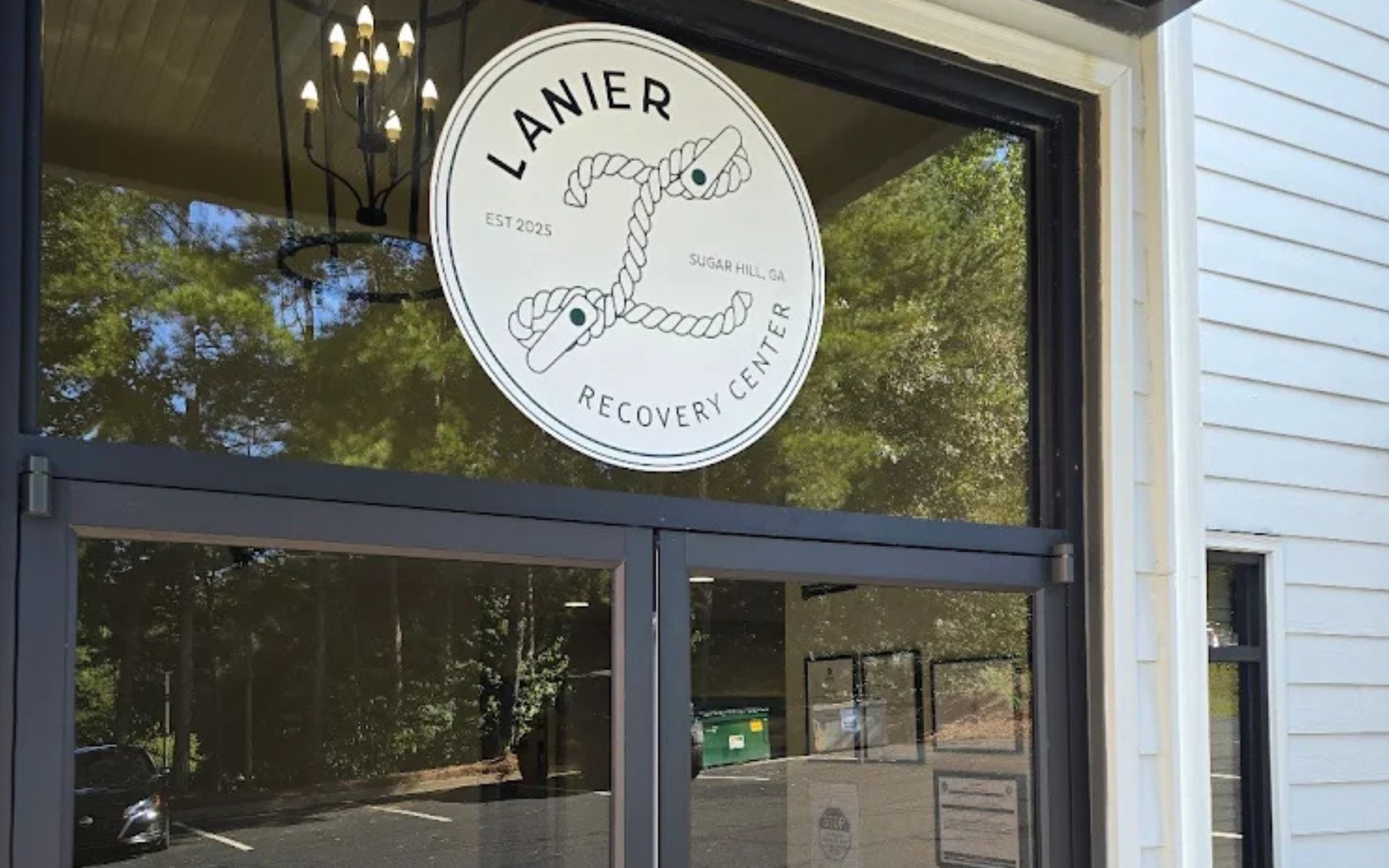
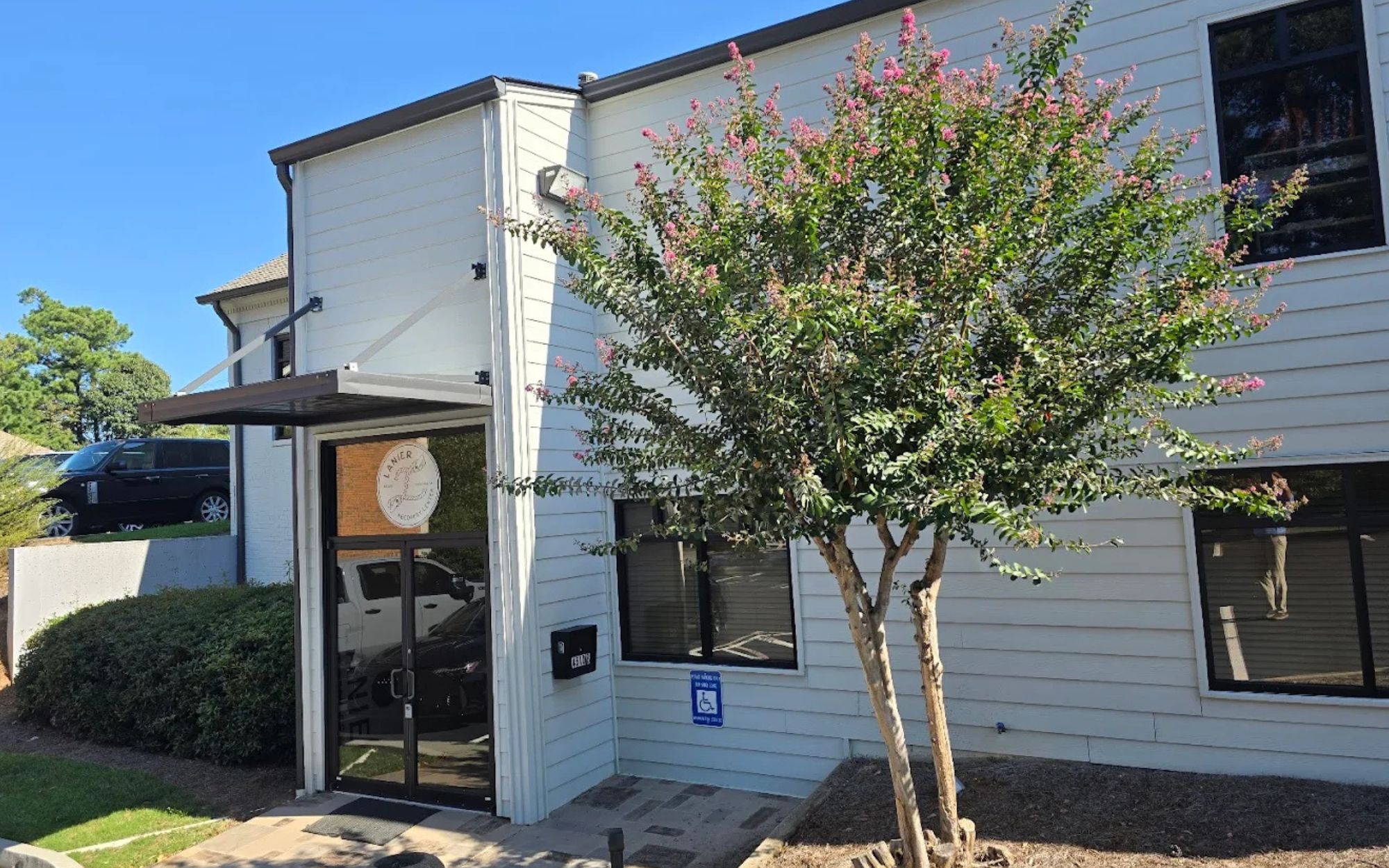
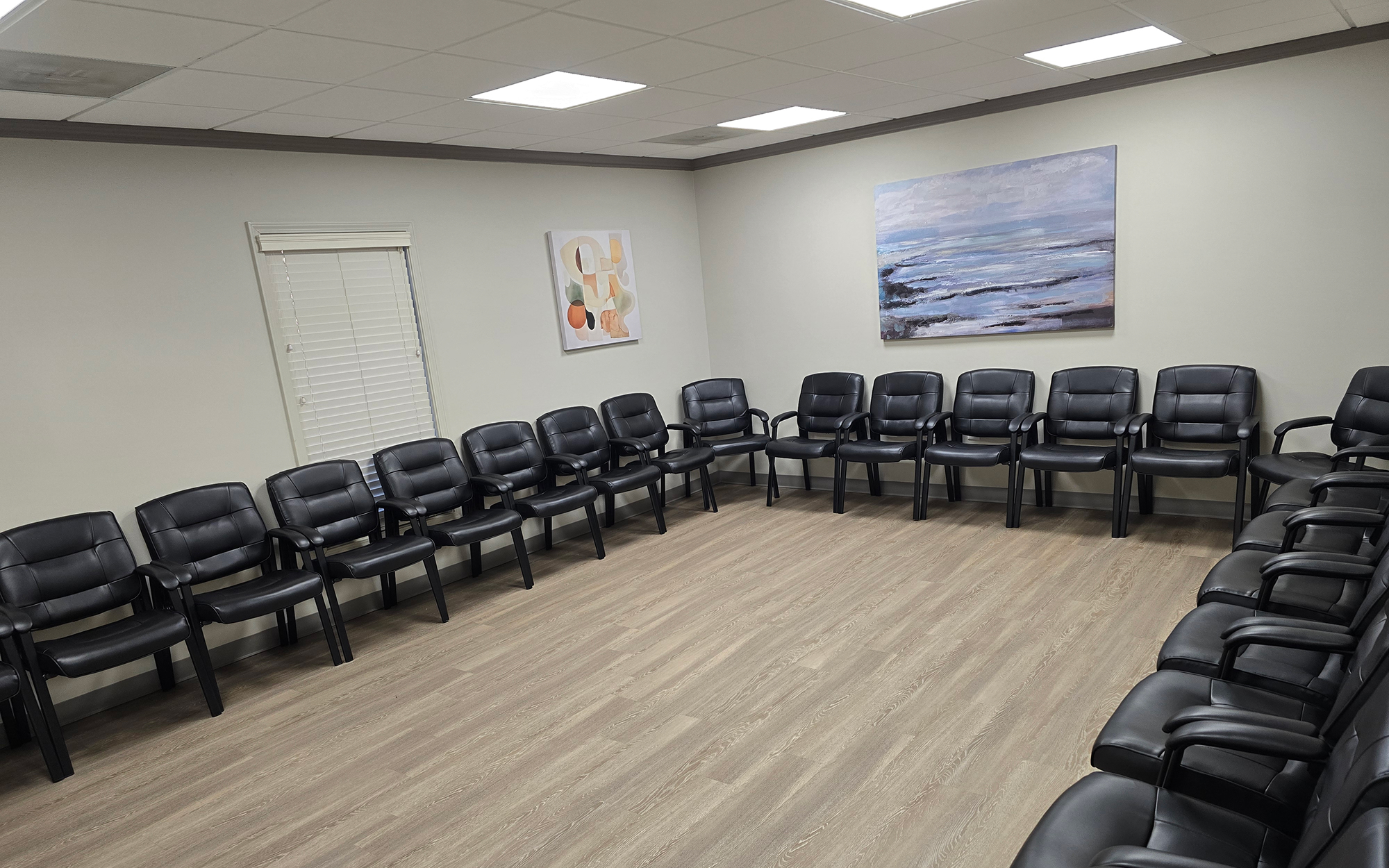
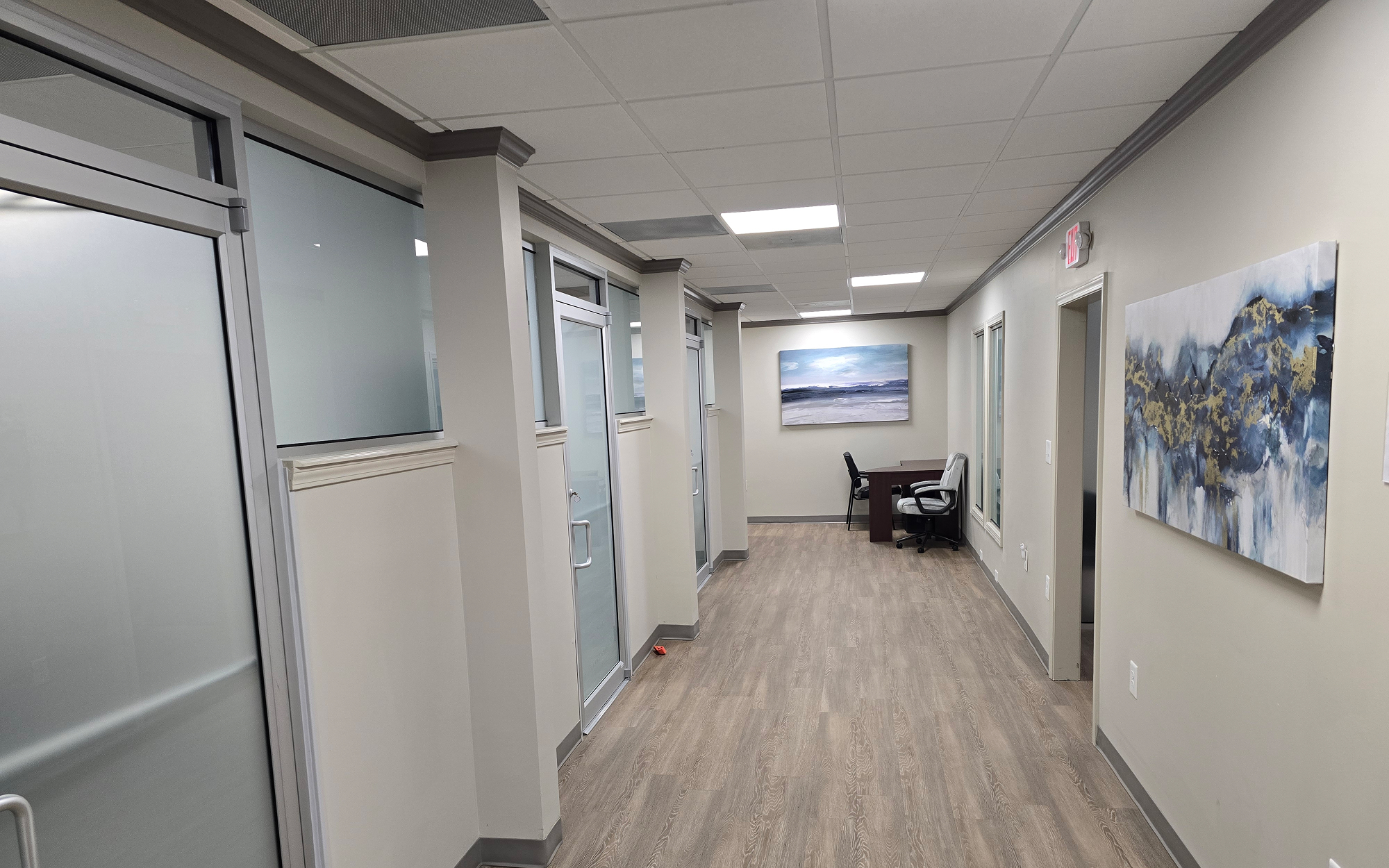
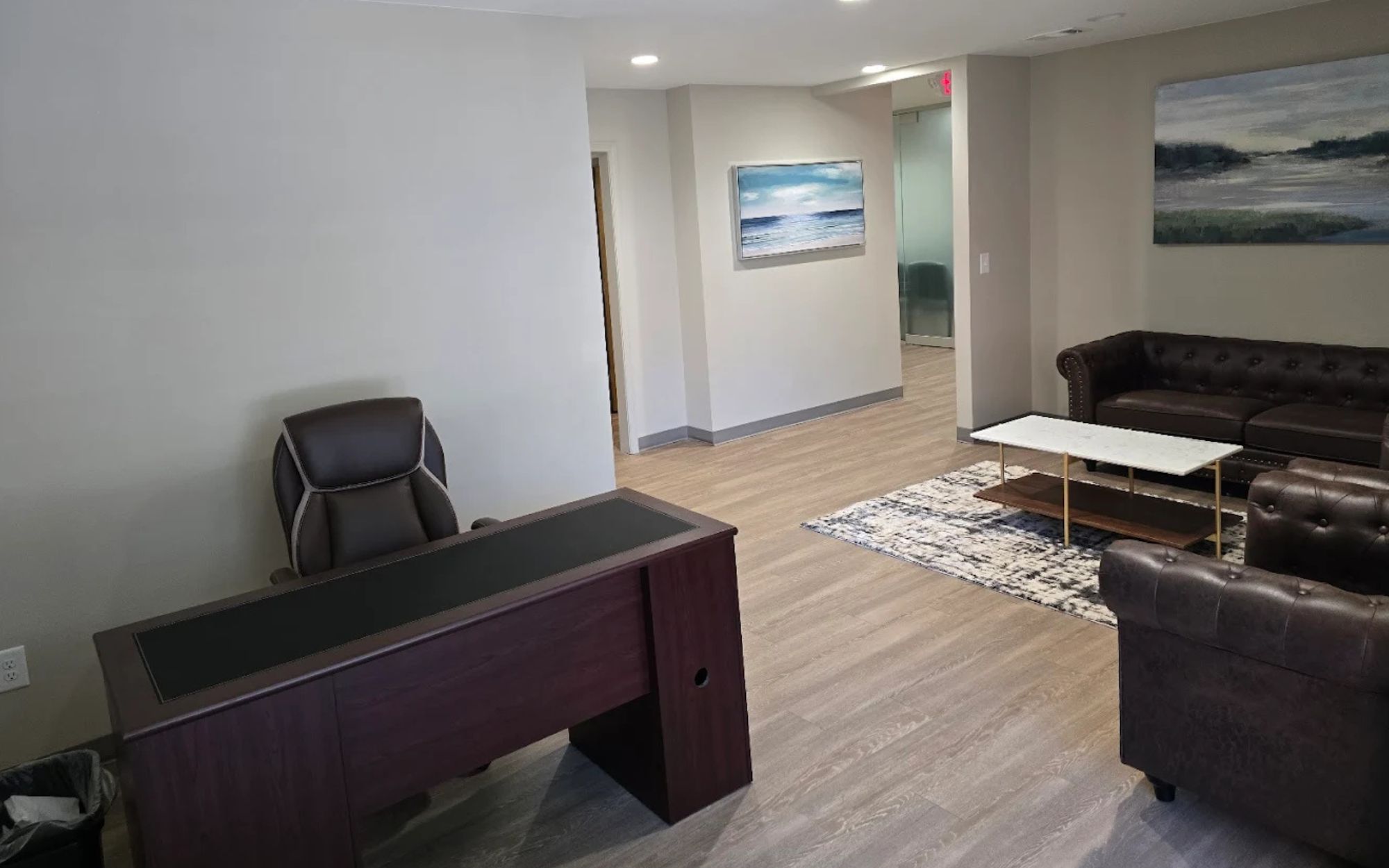
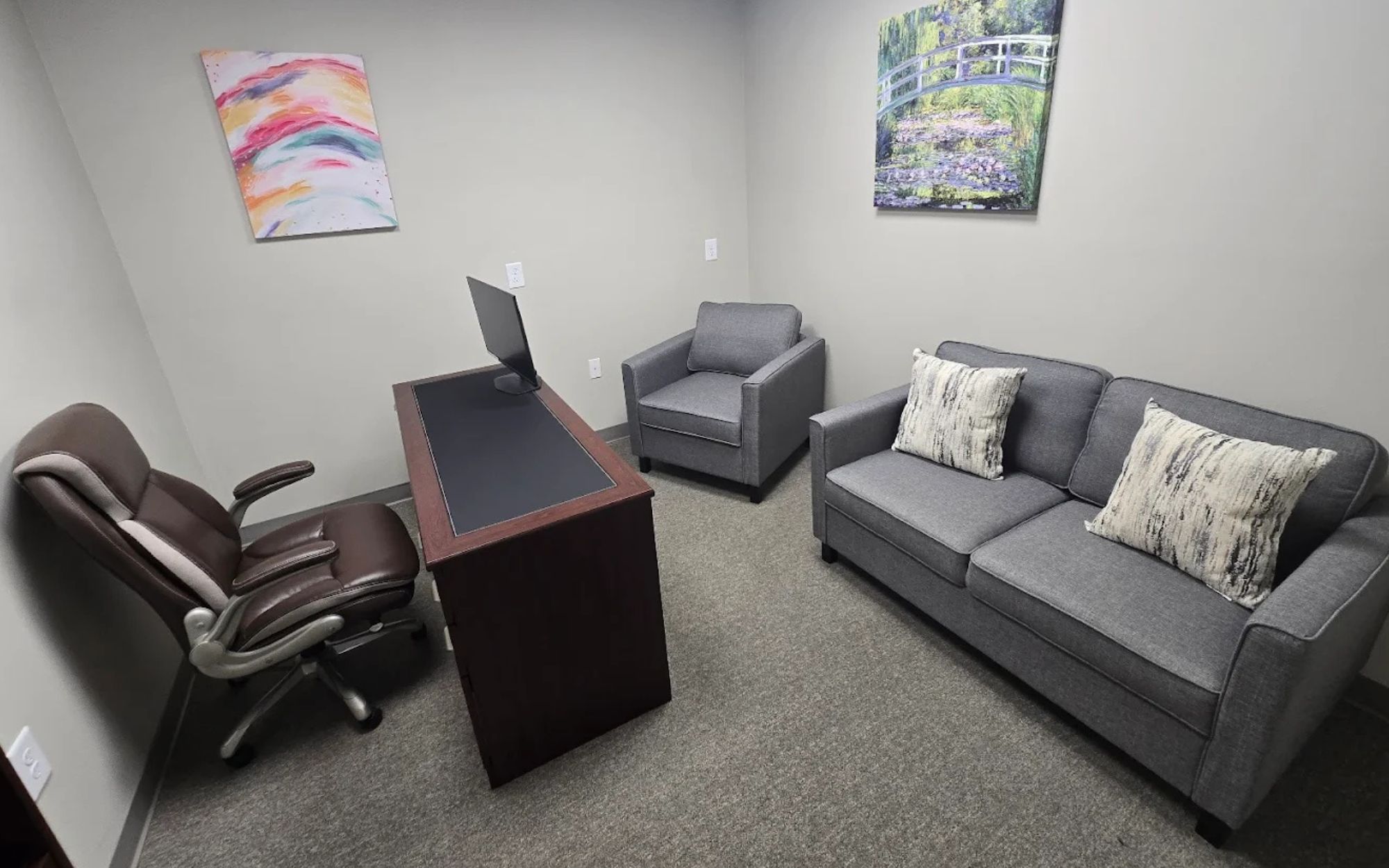
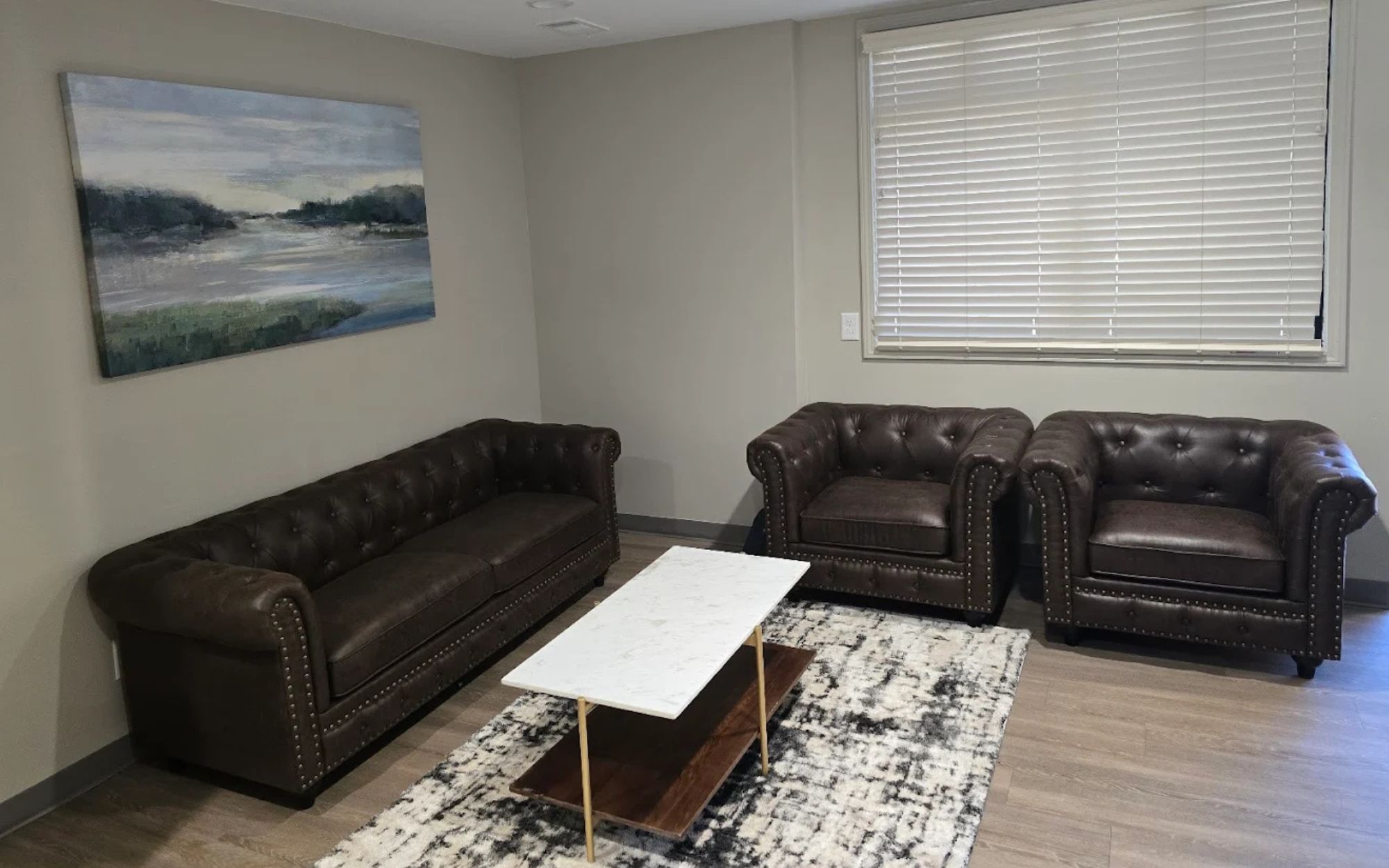
Check out our facility in Atlanta, GA

Discover why our programs are top rated today. Talk with our admissions team about the right treatment plan to bring lasting recovery.

IOP options and components

Our evening IOP follows a predictable, supportive weekly schedule. Clients typically attend treatment multiple nights a week and engage in a carefully curated mix of therapeutic activities. Highly credentialed staff facilitate every session, including licensed therapists, counselors, and medical professionals who specialize in behavioral health and addiction recovery.

Personalized, evidence-based care

We do not believe in a one-size-fits-all approach to treatment. Upon admission, our clinical team works closely with you to craft a personalized treatment plan. This plan reflects your unique history, your specific mental health needs, and your personal goals. While we never promise guaranteed outcomes, we are deeply committed to providing holistic, wrap-around support that gives you the best possible foundation for lasting wellness.

Our program relies heavily on evidence-based therapies that have been rigorously studied and proven effective. According to guidelines from the National Institute on Drug Abuse, incorporating structured behavioral therapies is a critical component of successful intensive outpatient treatment. We use these proven modalities to help you identify triggers, manage stress, and develop healthy coping mechanisms.

Treatment modalities to address mental illness in individual or group sessions

Evening IOP at Lanier Recovery Center may include a combination of evidence-based therapies, from individual counseling to dialectical behavior therapy or cognitive behavioral therapy CBT, selected according to each clientโ€™s substance use, mental health needs, relationships, and recovery goals. Depending on the individualized treatment plan, services may include:

  • Group therapy Atlanta for structured peer support, communication practice, accountability, and shared skill building.
  • Cognitive behavioral therapy Atlanta to help clients identify unhelpful thought and behavior patterns and develop healthier responses to triggers.
  • DBT therapy Atlanta to strengthen emotional regulation, distress tolerance, mindfulness, and interpersonal skills.
  • Individual therapy Atlanta for one-on-one work around substance use, mental health concerns, stressors, and personal recovery goals.
  • Family therapy Atlanta when family involvement is clinically appropriate and aligned with the clientโ€™s treatment plan.
  • Psychoeducation to help clients better understand addiction, mental health, relapse risk, coping strategies, and the recovery process.

The exact combination of therapies can change as treatment progresses. Evening IOP provides structured clinical support while helping clients practice these skills in everyday life between sessions.

the help you need is here

Recovery starts here

If you or someone you love is struggling with substance use or other mental health issues, Lanier Recovery Center can help. Request a callback below to receive care and support you can trust.

"*" indicates required fields

What's the difference between partial hospitalization and an intensive outpatient program?

When comparing outpatient treatment options, two of the most common levels of care are PHP Atlanta and IOP Atlanta. Both allow clients to return home after treatment, but they differ in clinical intensity, weekly structure, and the amount of support provided.

PHP is the more structured daytime option, while IOP offers greater flexibility for clients who are clinically appropriate for a lower level of care. For some people, outpatient rehab Atlanta GA may be appropriate as treatment needs change or greater independence becomes clinically appropriate.

The right level of care depends on assessment, current stability, symptoms, recovery goals, and the amount of support needed. Clients do not have to move through PHP, IOP, and standard outpatient treatment in a fixed sequence.


Level of Care Time Commitment Ideal Candidate
Residential Treatment 24/7 care for 30 to 90 days. Individuals needing constant medical supervision, a highly controlled environment, and safe detoxification.
Partial Hospitalization (PHP) 20 to 30 hours per week, usually 5 to 6 days. Individuals needing daily clinical support to stabilize mental health or substance use, but who have a safe home environment.
Evening Intensive Outpatient (IOP) 9 to 15 hours per week, usually 3 to 5 evenings. Working professionals needing strong clinical support while maintaining daytime jobs and family responsibilities.

PHP is a highly structured daytime level of outpatient care and typically requires a greater weekly time commitment than IOP. Because of that structure, maintaining a traditional daytime work schedule may be more difficult for some clients. If you are enrolled in a PHP Atlanta providers will typically require you to attend sessions five to six days a week, for five or more hours a day.

According to the Substance Abuse and Mental Health Services Administration, this level of care is meant to prevent hospitalization or serve as a direct step-down from residential treatment. Because it mimics a full-time job in terms of hours, PHP is generally not suitable for someone trying to maintain regular daytime employment.

In contrast, an intensive outpatient program is specifically designed to offer flexibility. It provides fewer weekly clinical hours than a PHP, making it possible to balance your recovery with your daily responsibilities.

How long each program lasts

Duration is another key difference between the two programs. Because a PHP is highly intensive and focused on rapid stabilization, it is typically shorter, often lasting between 4 to 6 weeks. An IOP focuses on practicing sustainable life skills over time, so it usually spans 8 to 12 weeks. Your clinical team will conduct a thorough assessment to determine which level of intensity aligns with your current safety needs and recovery goals.

Georgia addiction treatment center

How to begin your recovery journey

We know beginning treatment can feel intimidating, so weโ€™ve made the process simple and stress-free.

1

Get in touch
with us

Call or complete our contact form to connect with an admissions specialist who takes the time to listen and understand your situation.

2

Complete an assessment
& insurance review

Our team will review your history, discuss your needs, and confirm insurance coverage or explore self-pay options to make things easy.
3

Start your
treatment

Begin a personalized program built around your goals, supported by evidence-based care and a compassionate clinical team.

Who is a good fit for an evening IOP?

Evening IOP can be a strong option for adults who need more structure than standard outpatient care but do not require 24-hour supervision or medical stabilization. The right fit depends on clinical needs, current stability, home environment, and the ability to participate consistently in treatment.

Evening intensive outpatient care may be appropriate for and provide significant benefits to people who:

  • Are medically stable and do not currently need medical detox or round-the-clock care
  • Can safely live at home while attending intensive treatment
  • Need structured support for a substance use disorder without stepping away from work, school, or family responsibilities
  • Are managing anxiety, depression, trauma, or another co-occurring mental health condition
  • May benefit from dual diagnosis treatment in Atlanta that addresses substance use and mental health concerns together
  • Are stepping down from a higher level of care and still need accountability, therapy, and relapse-prevention support
  • Have a home environment that can support continued recovery or a sober living environment between sessions

An evening IOP is not the right starting point for everyone. If withdrawal risk, medical complications, psychiatric instability, or other safety concerns require closer supervision, a higher level of care may be more appropriate before outpatient treatment begins.

Signs it may be time to reach out

It may be time to consider structured support if you are using substances to get through the day, hiding your drinking or drug use, needing more to feel the same effects, struggling to cut back, or continuing to use despite problems at work, home, or in relationships. These signs can indicate that more consistent clinical support may help.

What sets lanier recovery center apart

Our approach to addiction and mental health treatment is built on comprehensive care, compassionate support, and individualized recovery paths that lead to lasting change.

Depth

We go beyond surface-level treatment to address the root causes of addiction and mental health challenges for lasting healing.

Support

Our compassionate team provides steady guidance, encouragement, and care at every stage of the recovery journey.

Strength

Through personalized therapy and skill-building, we help individuals rediscover confidence and inner resilience.

Accountability

We create structured support systems that promote responsibility, consistency, and long-term recovery success.

Aftercare

Our aftercare planning and alumni support ensure continued connection and stability long after treatment ends.

Flexibility

We offer adaptable treatment options that fit real-life responsibilities while maintaining consistent, high-quality care.

Balancing recovery with a full-time job

An evening outpatient treatment program can make structured treatment more realistic for adults balancing work, school, family members, and other personal commitments. By scheduling therapy sessions during evening hours, clients can stay engaged in the recovery process without automatically stepping away from everyday life.

Making evening sessions part of your routine

Balancing treatment with a full schedule still takes planning. It can help to:

  • Block evening sessions on your calendar like any other important commitment
  • Arrange transportation and meals in advance
  • Protect sleep and downtime so you can stay engaged in treatment
  • Leave space after group therapy sessions or individual therapy sessions to decompress
  • Use stress management and coping skills between appointments
  • Stay connected to an ongoing support system outside scheduled treatment hours

These small routines can make it easier to participate consistently while continuing work, attending school, or managing family responsibilities.

Support beyond the workday

An addiction treatment program may include more than scheduled evening therapy. Depending on clinical needs, care can also involve individual therapy, group support, medication management, relapse-prevention planning, and treatment for co-occurring disorders or other mental health challenges.

For some clients, ongoing care may also focus on developing coping skills, managing symptoms, building a supportive environment, and strengthening the habits that support lasting recovery.

When evening outpatient care may not be enough

Evening treatment is not appropriate for every stage of recovery. Lanier Recovery Center does not provide medical detox, inpatient treatment, or residential care on-site.

The goal is not simply to fit treatment around a job. It is to choose the level of comprehensive care that best supports safety, stability, and the recovery journey.

Lanier Recovery Center can help you
We understand that getting help for addiction can be challenging. Start with a free addiction assessment today.

Frequently asked questions

Yes, medication management may be included when clinically appropriate as part of a broader addiction and mental health treatment plan. It can support clients managing cravings, withdrawal-related concerns, or co-occurring mental health issues while they continue participating in therapy and other recovery services.

Inpatient treatment may be more appropriate when someone needs 24-hour supervision, medical stabilization, or a highly structured environment. Evening IOP is designed for clients who are stable enough to live at home and participate safely in outpatient care.

Group therapy gives clients a structured space to practice communication, build coping skills, and learn from others facing similar challenges. Depending on the treatment plan, it may be combined with one-on-one sessions, family support, or a support group to create a more enriched support system.

An intensive outpatient program IOP may incorporate evidence-based therapies such as cognitive behavioral therapy and dialectical behavioral therapy. These proven therapies can help clients manage triggers, emotional distress, relationship challenges, and co-occurring mental health disorders as part of effective treatment.

The main difference is scheduling. Daytime sessions take place during regular daytime hours, while an evening schedule allows clients to attend treatment later in the day. Both can provide structured addiction treatment, ongoing support, and preparation for continued recovery, including aftercare services or other next-step resources when appropriate.

Lanier Recovery Centerโ€™s top values

Every treatment will be uniquely tailored to you, because youโ€™re unique.

Sober living

Our team is 100% sober, including from Alcohol. We help our clients achieve sobriety and stick to it through thick and thin, because sobriety is the foundation of a fulfilling life.

Integrity

Our team is 100% sober, including from Alcohol. We help our clients achieve sobriety and stick to it through thick and thin, because sobriety is the foundation of a fulfilling life.

Everyone belongs

Our team is 100% sober, including from Alcohol. We help our clients achieve sobriety and stick to it through thick and thin, because sobriety is the foundation of a fulfilling life.

Limitless potential

Our team is 100% sober, including from Alcohol. We help our clients achieve sobriety and stick to it through thick and thin, because sobriety is the foundation of a fulfilling life.

Start an evening intensive outpatient program that fits your life

Recovery should not require you to abandon the responsibilities that matter to you. Lanier Recovery Treatment Centerโ€™s evening IOP provides structured, evidence-based outpatient treatment for adults who need meaningful clinical support while managing work, school, family, and other daily commitments. Our team can assess your needs, explain whether evening intensive outpatient care is the right fit, review available treatment options, and help you understand the next steps in the admissions process. If you are ready to explore a more flexible path to recovery on the road to a more fulfilling life, contact us by calling (470) 470-5697 to speak with our admissions team.

If youโ€™re looking for more information, connect with our team by phone, email, or through our online form. Weโ€™re here to answer your questions, talk through your options, and support you as you begin your path toward lasting recovery.

Sources

National Institute on Drug Abuse. (2006). Chapter 8. Intensive Outpatient Treatment Approaches. National Institute on Drug Abuse.

Substance Abuse and Mental Health Services Administration. (2020). National Survey of Substance Abuse Treatment Services (N-SSATS). Substance Abuse and Mental Health Services Administration.

we are here for you

Get the help you need today.

Together, we can help you build a brighter future of wellness.

Free & easy insurance check

alliant
care source
multiplan
united healthcare
cigna
beacon
bluecross
tricare

Request a confidential call

"*" indicates required fields

This field is for validation purposes and should be left unchanged.
Preferred method*
Get Treatment For All Your Healthcare Needs

Other treatment programs

Request A Confidential Call

Request a call and a Lanier Recovery Center team member will be in touch.

"*" indicates required fields