Request a call to speak with an admissions specialist. We are here to help you.

"*" indicates required fields

Holistic treatment Atlanta

Holistic therapy Atlanta takes a whole-person approach to addiction recovery by considering physical health, emotional well-being, mental health, and the daily patterns that can influence substance use. At Lanier Recovery Center, holistic support complements evidence-based treatment within our outpatient programs, giving clients additional ways to manage stress, build self-awareness, and develop healthier routines throughout recovery. Rather than treating clinical care and personal wellness as competing ideas, a holistic approach can bring them together. Evidence-based psychotherapy remains central to treatment, while complementary practices such as mindfulness, grounding, movement, creative expression, or other mind-body techniques may support emotional regulation and overall well-being when appropriate to the individual treatment plan.
Free Insurance Check

Free & Confidential | HIPAA Compliant | No Obligation

"*" indicates required fields

1
2
3
4
This field is for validation purposes and should be left unchanged.
Holistic therapy Atlanta

Understanding holistic therapy Atlanta

Holistic therapy Atlanta approaches addiction recovery by considering the whole person, including physical health, mental health, emotional patterns, relationships, and daily routines. Within our outpatient rehab Atlanta GA approach, holistic support can complement evidence-based treatment and experiential therapy Atlanta programs by giving clients additional ways to reduce stress, build self-awareness, and strengthen overall well-being.

Holistic medicine and complementary care are not replacements for addiction treatment. Instead, integrative health brings traditional methods together with supportive mind-body practices when they fit the individual treatment plan. The goal is to address various aspects of a personโ€™s life rather than focusing only on substance use.

The National Institutes of Health has also examined integrating spirituality into substance use disorder treatment, reflecting growing interest in how psychological, physical, social, and spiritual factors can interact during recovery.
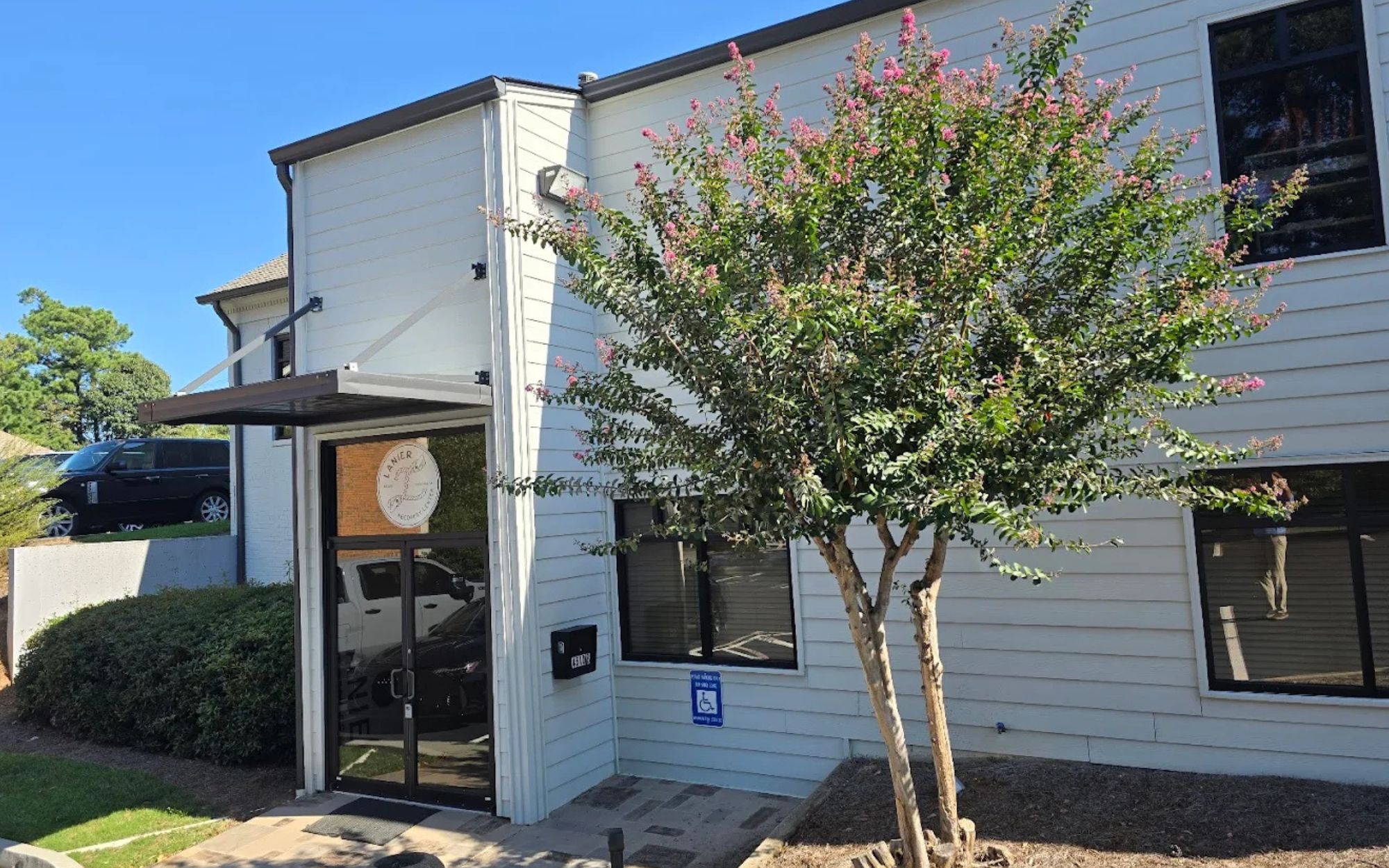
Table of Contents

Clinical care and holistic treatment methods

A comprehensive approach keeps evidence-based mental health treatment at the center while allowing complementary practices to support stress management, emotional regulation, and personal growth.

Area of care Primary purpose Examples of complementary support
Mental health Address thoughts, emotions, and behavioral patterns Mindfulness, grounding, creative expression
Physical wellness Support body awareness and healthy routines Gentle movement, physical activity, stretching
Stress regulation Develop healthier responses to tension and overwhelm Specific breathing techniques, meditation
Personal growth Strengthen self-awareness and values Reflection, self-care, spiritual practices

Select holistic treatment methods based on individual needs. What promotes relaxation for one person may not be useful for another, which is why a personalized plan matters more than trying every available modality.

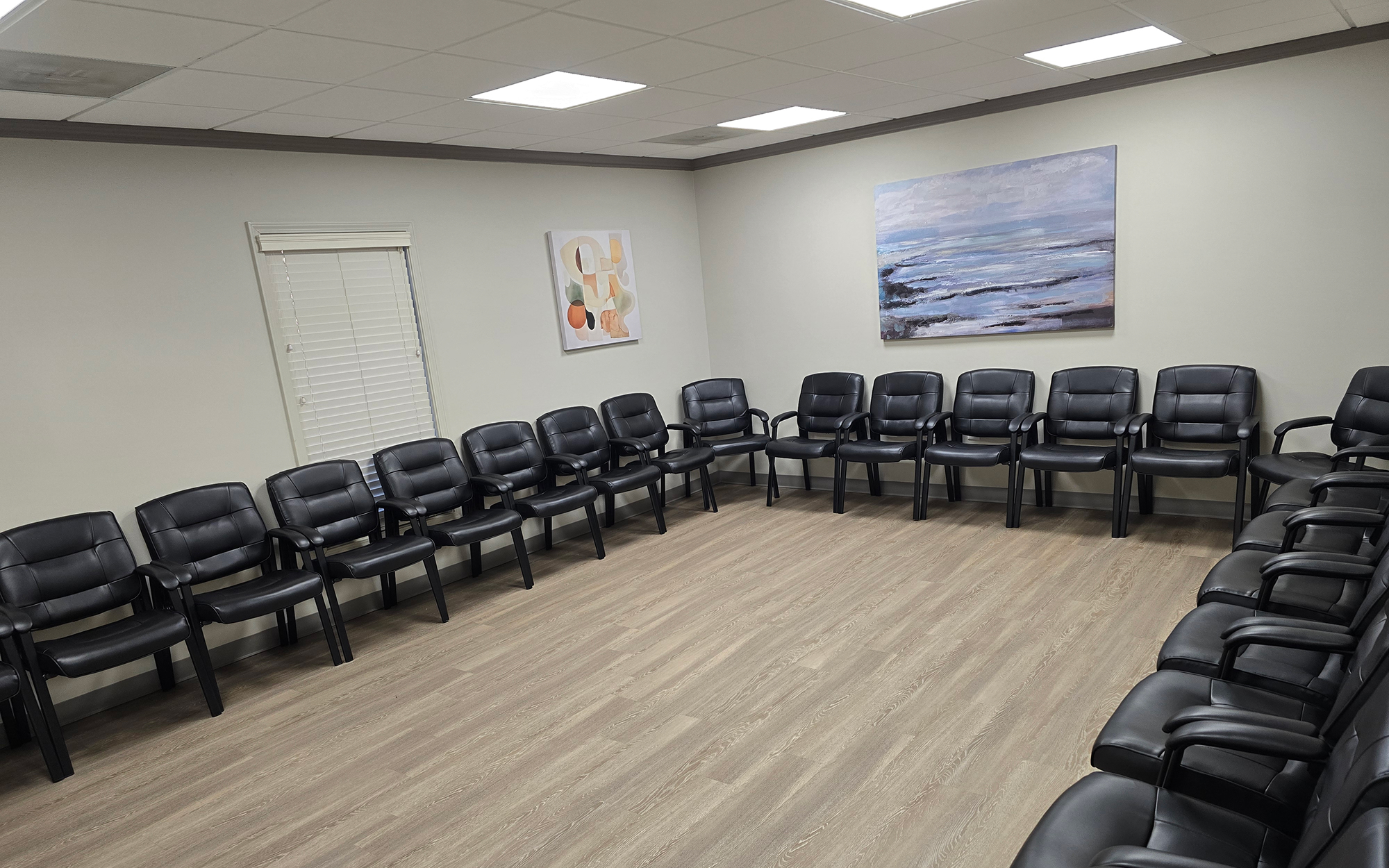
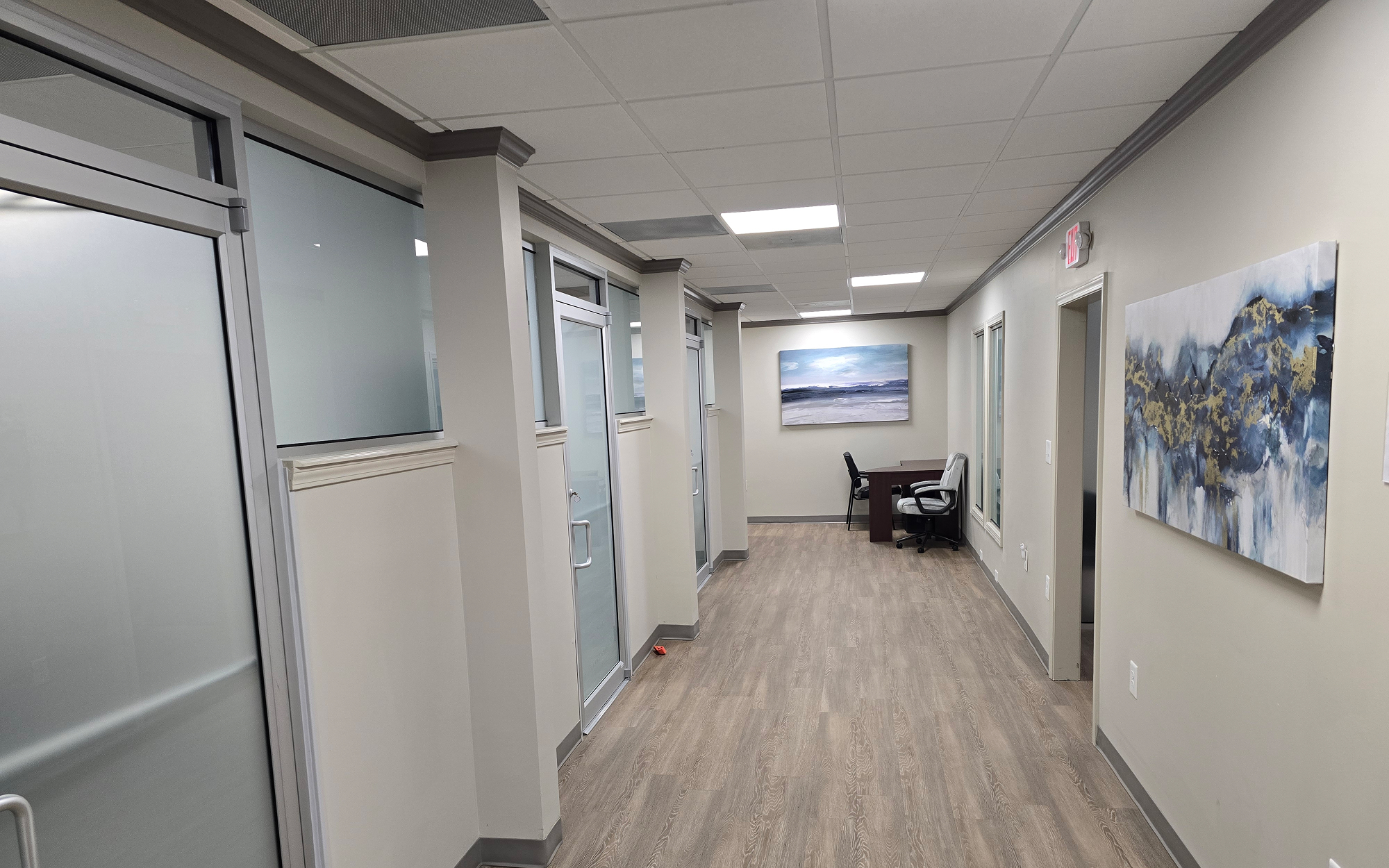
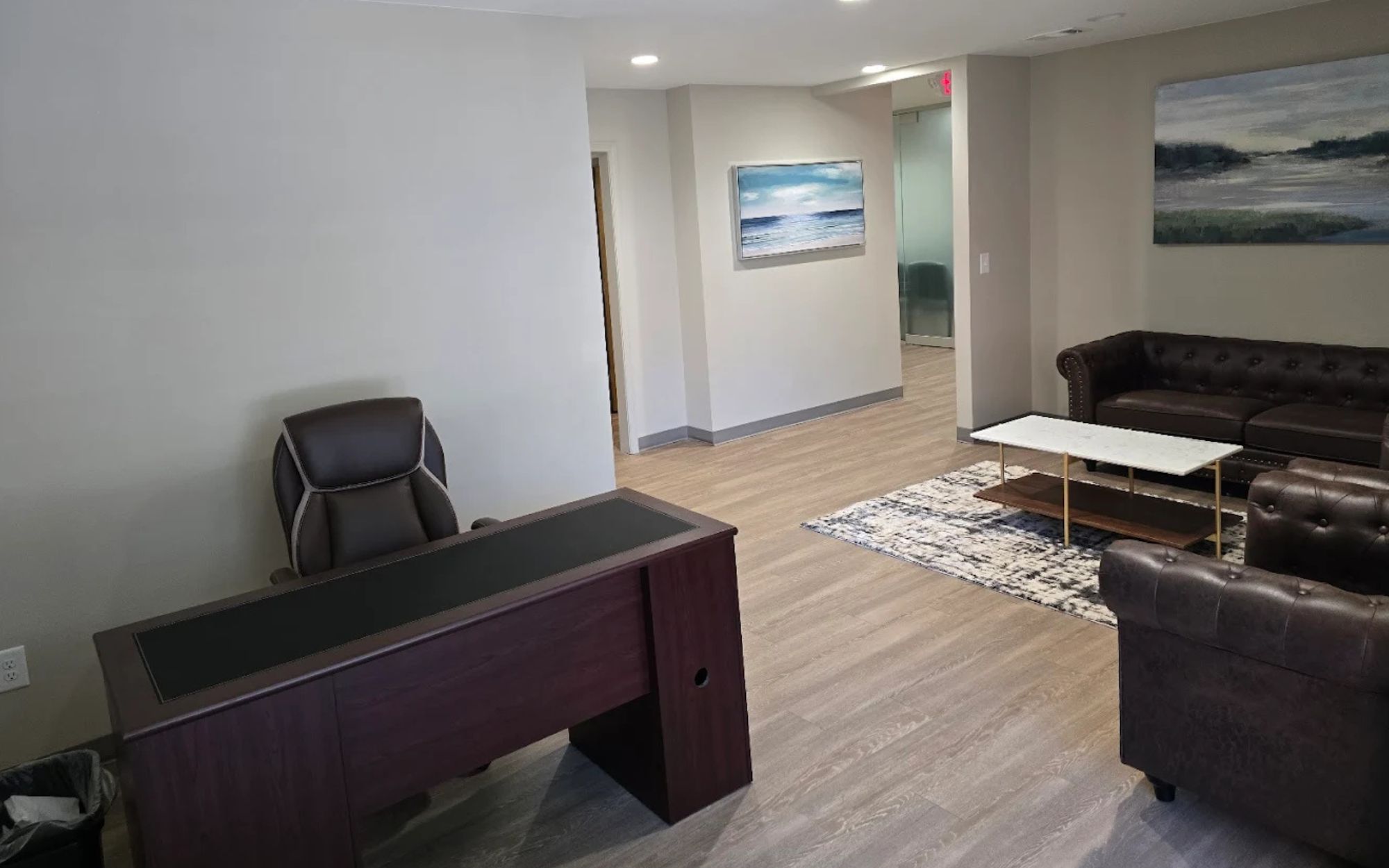
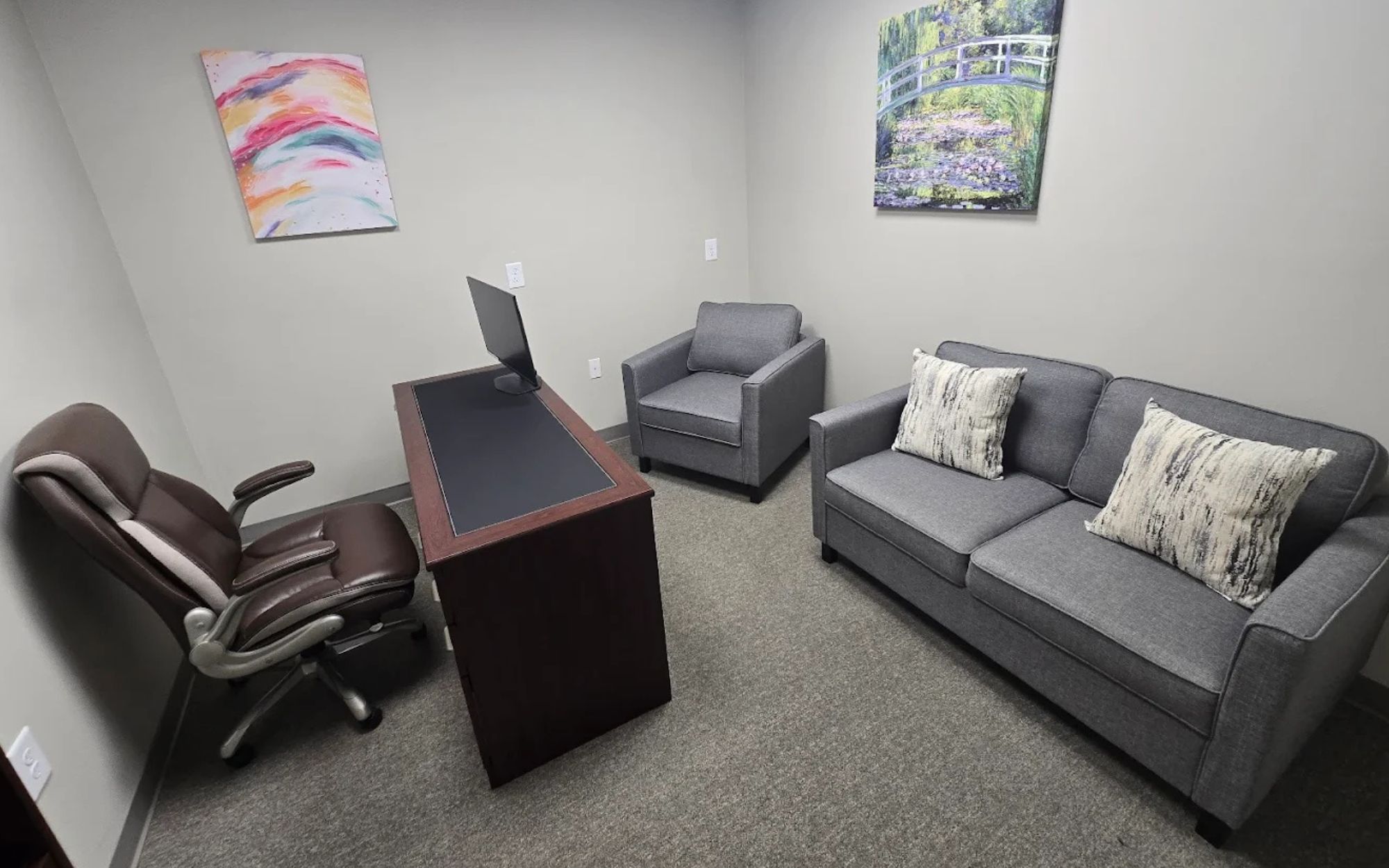
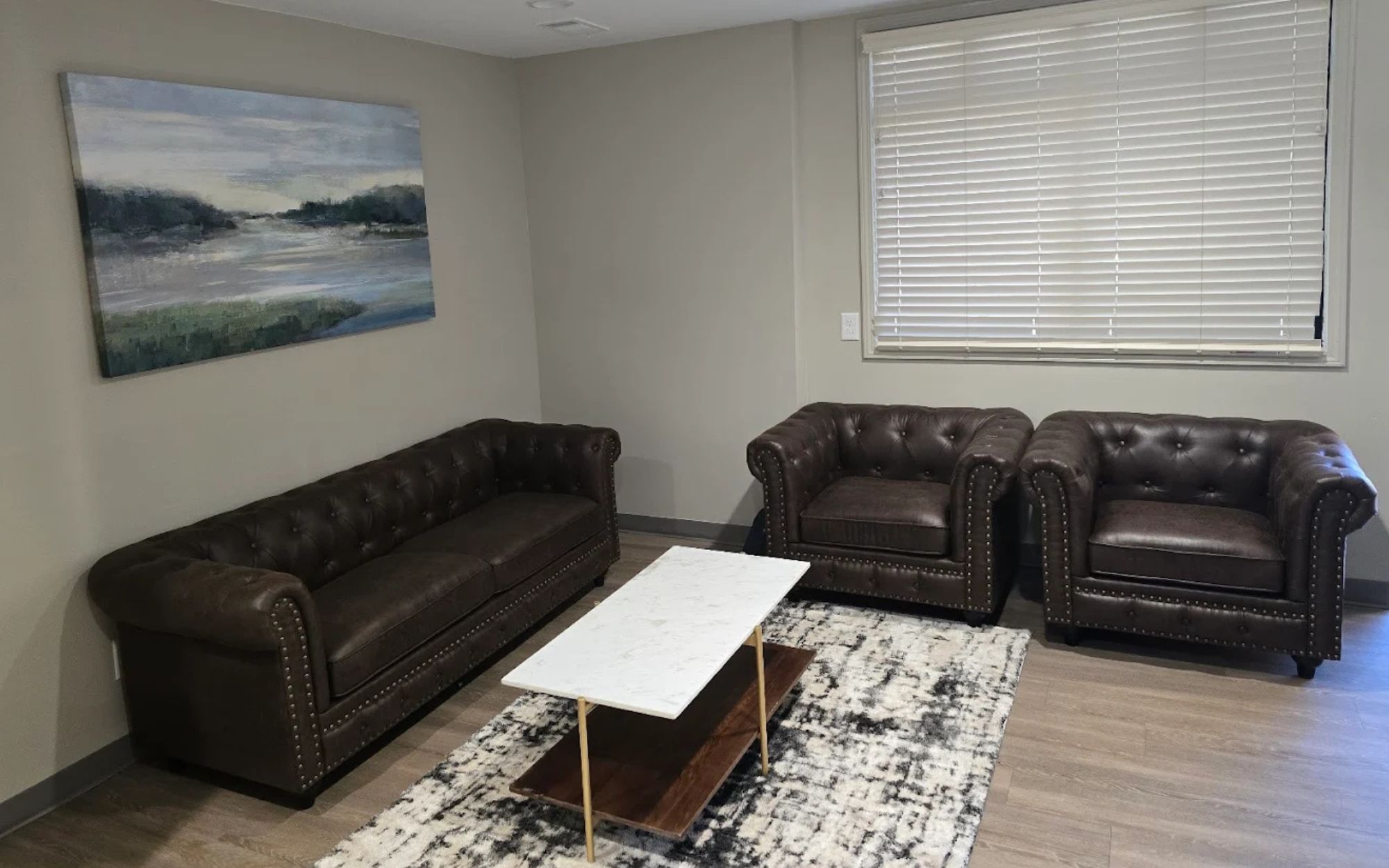
Check out our facility in Atlanta, GA

Discover why our programs are top rated today. Talk with our admissions team about the right treatment plan to bring lasting recovery.

Types of holistic treatment methods

Various holistic modalities can support different parts of recovery. These approaches generally work best when they reinforce therapy and other established health care rather than operating as stand-alone treatments.

Mindfulness and mind-body practices

Mindfulness practices encourage clients to notice thoughts, emotions, and physical sensations without reacting immediately. Specific breathing techniques and grounding exercises may also help reduce stress and increase awareness of the mind-body connection.

For people who have relied on substances to avoid uncomfortable feelings, learning to pause and recognize physical or emotional cues can provide another way to respond. These practices may support mental clarity, self-care, and healthier coping over time.

Art therapy and creative expression

Art therapy and other creative approaches provide different ways to explore emotions that may be difficult to express through conversation alone. Drawing, painting, music, journaling, and related activities can encourage self-discovery while supporting emotional awareness and self-esteem.

Creative work can also complement our experiential therapy Atlanta approach by giving clients opportunities to engage actively with emotions, memories, and behavioral patterns rather than only discussing them.

The value is in the therapeutic process, not artistic ability. Creative expression can offer another route into personal growth when traditional verbal approaches feel limiting.

Movement, physical activity, and yoga therapy

Physical activity can support overall health while helping clients reconnect with their bodies during recovery. Gentle movement, stretching, and yoga therapy are examples of mind-body practices used in various holistic settings to encourage body awareness, physical fitness, and relaxation.

Mind-body work may be particularly useful when stress appears physically as muscle tension, restlessness, or chronic pain. Movement does not replace medical or mental health care, but it can become part of a broader routine that supports physical and emotional wellness.

Nature and healthy routines

Time outdoors can provide a practical setting for movement, reflection, and stress reduction. The Centers for Disease Control and Prevention notes that access to parks, recreation, and green spaces can encourage physical activity and support community health.

For clients in outpatient recovery, healthy routines can matter just as much as individual wellness exercises. Sleep, regular meals, physical activity, supportive relationships, and meaningful hobbies all contribute to a more stable daily structure.

Our Suwanee location near the Lake Lanier area provides a quieter setting for outpatient care while keeping clients connected to family members, work, and responsibilities throughout the Atlanta area.

the help you need is here

Recovery starts here

If you or someone you love is struggling with substance use or other mental health issues, Lanier Recovery Center can help. Request a callback below to receive care and support you can trust.

"*" indicates required fields

Holistic care and mental health recovery

Holistic approaches can be especially relevant when substance use overlaps with mental health issues such as anxiety, trauma, mood disorders, or chronic stress. Rather than claiming that one practice can improve mental health on its own, integrative care considers how body, mind, environment, and behavior influence one another.

Practices focused on mindfulness, movement, creative expression, or spiritual beliefs may help clients explore values, regulate stress levels, and strengthen healthier routines. When more significant mental health disorders are present, these methods should complement appropriate clinical treatment rather than replace it.

That balance is a core value of holistic care: using supportive wellness practices where they add value while keeping evidence-based addiction and mental health treatment at the center of the recovery plan.

Therapies that can complement holistic care

Holistic treatment works best when it supports, rather than replaces, evidence-based therapy. Different therapeutic approaches can address different parts of recovery, from thought patterns and trauma to communication and emotional regulation.

Depending on the treatment plan, complementary supports may include:

Georgia addiction treatment center

How to begin your recovery journey

We know beginning treatment can feel intimidating, so weโ€™ve made the process simple and stress-free.

1

Get in touch
with us

Call or complete our contact form to connect with an admissions specialist who takes the time to listen and understand your situation.

2

Complete an assessment
& insurance review

Our team will review your history, discuss your needs, and confirm insurance coverage or explore self-pay options to make things easy.
3

Start your
treatment

Begin a personalized program built around your goals, supported by evidence-based care and a compassionate clinical team.

Benefits of holistic modalities in long-term recovery

Holistic modalities can add practical support to the recovery journey by helping clients build skills they can use outside treatment. Rather than replacing talk therapy, group therapy, or other clinical care, complementary and integrative health practices can reinforce stress management, emotional awareness, and healthier daily routines.

Potential benefits may include:

  • Greater awareness of physical and emotional stress signals.
  • More ways to respond to cravings or difficult emotions.
  • Improved confidence using self-care strategies.
  • Opportunities to build social skills through shared activities.
  • Healthier outlets for creativity, movement, and reflection.
  • Stronger routines that support sleep, physical activity, and overall wellness.

The U.S. Department of Veterans Affairs discusses complementary approaches to substance use disorder treatment, including mind-body and lifestyle-focused methods that may be used alongside established treatment.

Skills that extend beyond treatment

One of the most useful parts of holistic care is portability. Breathing exercises, grounding techniques, mindfulness, movement, creative expression, and other holistic methods can become tools for everyday stress, conflict, and recovery triggers.

Different approaches may support different goals. Music therapy or creative activities may help with emotional expression, while recreational approaches can encourage physical activity, confidence, communication, and connection with others. The goal is not a dramatic transformation overnight. It is to build a broader toolkit that supports a healthier, more stable future.

What to expect from holistic care sessions

Holistic care is not one standardized activity. Various forms of complementary care can be incorporated depending on the clientโ€™s needs, comfort level, treatment goals, and broader clinical plan.

A session may generally include:

  • Check-in. A brief discussion of current physical and emotional needs.
  • Purpose. An explanation of why a particular activity is being used.
  • Guided practice. Participation in an appropriate mindfulness, movement, creative, or grounding exercise.
  • Reflection. Time to notice emotional, behavioral, or physical responses.
  • Application. Identifying a practical way to use the skill outside treatment.

Choosing among various holistic methods

Not every person benefits from the same modality. Someone working through chronic stress may respond well to breathing or movement practices, while another client may connect more with art therapy, music therapy, or reflective exercises.

A personalized approach also considers mental health conditions and physical needs. Clients managing bipolar disorder, trauma symptoms, chronic pain, or nutritional deficiencies may require clinical or medical care beyond what a holistic activity alone can address. Holistic medicine should complement appropriate health care, not replace it.

Core values of a balanced holistic approach

A responsible holistic approach keeps the body, mind, and spirit connected without treating alternative medicine as a substitute for evidence-based care. Its core values are flexibility, self-awareness, personal choice, and attention to the various aspects of a personโ€™s life that can affect recovery.

That balance allows holistic methods to support personal growth while traditional therapies continue addressing addiction and mental health needs directly.

What sets lanier recovery center apart

Our approach to addiction and mental health treatment is built on comprehensive care, compassionate support, and individualized recovery paths that lead to lasting change.

Depth

We go beyond surface-level treatment to address the root causes of addiction and mental health challenges for lasting healing.

Support

Our compassionate team provides steady guidance, encouragement, and care at every stage of the recovery journey.

Strength

Through personalized therapy and skill-building, we help individuals rediscover confidence and inner resilience.

Accountability

We create structured support systems that promote responsibility, consistency, and long-term recovery success.

Aftercare

Our aftercare planning and alumni support ensure continued connection and stability long after treatment ends.

Flexibility

We offer adaptable treatment options that fit real-life responsibilities while maintaining consistent, high-quality care.

Using insurance for holistic addiction treatment

Insurance coverage for addiction treatment depends on the individual plan, level of care, medical necessity, and the services included in the treatment plan. While behavioral health benefits may cover eligible clinical treatment, coverage for individual holistic or complementary practices can vary.

Our admissions team can help you review how your benefits may apply to our outpatient programs. Important details may include:

  • In-network or out-of-network benefits.
  • Deductibles, copays, and coinsurance.
  • Prior authorization requirements.
  • Coverage for PHP, IOP, or standard outpatient treatment.
  • Behavioral and mental health benefits.
  • Any limitations or exclusions that may apply.

Insurance coverage does not determine which holistic methods are right for you. Clinical recommendations should be based on your needs, health history, recovery goals, and appropriate level of care. Understanding your benefits before treatment begins can simply make the financial side of that personalized plan easier to navigate.

Lanier Recovery Center can help you
We understand that getting help for addiction can be challenging. Start with a free addiction assessment today.

Frequently asked questions

Get answers to commonly asked questions.

Alternative medicine is best understood as a complement to established addiction care rather than a replacement for it. Depending on individual needs, treatment options may combine psychotherapy and structured outpatient care with mindfulness, movement, creative activities, or other supportive practices. This allows clients to explore additional ways to manage stress and develop healthier routines while evidence-based treatment remains central to recovery.

No. Holistic medicine considers physical, emotional, behavioral, social, and sometimes spiritual well-being together. Conventional health care focuses on established medical and clinical practices. Integrative care can bring appropriate elements of both together. The National Center for Complementary and Integrative Health studies complementary health approaches and their relationship with conventional care.

Holistic care can encompass various therapies and practices, including mindfulness, meditation, yoga, creative expression, music-based activities, recreational approaches, and other mind-body techniques. The methods used should reflect the clientโ€™s needs, treatment goals, and clinical plan rather than following one standard formula.

Yes. Holistic care should reflect the person’s needs, preferences, health history, and treatment goals rather than follow one standard formula. Someone may benefit from mindfulness or creative expression, while another person may respond better to movement or grounding practices. These methods can be adjusted as needs change throughout the recovery journey while appropriate clinical treatment remains the foundation of care.

There can be many benefits to developing healthy practices alongside addiction treatment. Depending on the individual, complementary methods may support stress management, self-awareness, physical activity, emotional expression, and healthier daily routines. The purpose isn’t to promise a particular outcome or a โ€œbrighter future,โ€ but to provide additional skills clients can continue practicing as part of a broader recovery plan.

Lanier Recovery Centerโ€™s top values

Every treatment will be uniquely tailored to you, because youโ€™re unique.

Sober living

Our team is 100% sober, including from Alcohol. We help our clients achieve sobriety and stick to it through thick and thin, because sobriety is the foundation of a fulfilling life.

Integrity

Our team is 100% sober, including from Alcohol. We help our clients achieve sobriety and stick to it through thick and thin, because sobriety is the foundation of a fulfilling life.

Everyone belongs

Our team is 100% sober, including from Alcohol. We help our clients achieve sobriety and stick to it through thick and thin, because sobriety is the foundation of a fulfilling life.

Limitless potential

Our team is 100% sober, including from Alcohol. We help our clients achieve sobriety and stick to it through thick and thin, because sobriety is the foundation of a fulfilling life.

Build a more balanced recovery with Lanier Recovery Center

Recovery involves more than leaving substance use behind. It also means developing healthier ways to manage stress, care for your physical and mental health, strengthen relationships, and respond when everyday life becomes difficult.

At Lanier Recovery Center, our outpatient approach brings evidence-based addiction treatment together with supportive practices that consider the different areas of life affected by substance use. The goal is not to prescribe one version of wellness. It is to help you build practical skills and healthier routines that fit your needs, values, and recovery journey.

If you are considering holistic therapy Atlanta as part of addiction treatment, our admissions team can answer questions about our outpatient programs, insurance coverage, and the next steps toward care. Contact us by calling (470) 470-5697 to get started.

If youโ€™re looking for more information, connect with our team by phone, email, or through our online form. Weโ€™re here to answer your questions, talk through your options, and support you as you begin your path toward lasting recovery.

Sources

National Institutes of Health. (February 2025). Integrating spirituality into the treatment of substance use disorders. National Institutes of Health.

National Institutes of Health. (November 2024). A review of natural interventions in substance abuse treatment and prevention. National Institutes of Health.

National Institutes of Health. (June 2022). A holistic perspective on continuing care for substance use disorders. National Institutes of Health.

U.S. Department of Veterans Affairs. (July 27, 2018). Substance Use Disorder Treatment: Complementary Approaches. U.S. Department of Veterans Affairs.

Centers for Disease Control and Prevention. (January 31, 2025). Parks, Recreation, and Green Spaces. Centers for Disease Control and Prevention.

National Park Service. (January 27, 2025). Nature Makes You…. National Park Service.

we are here for you

Get the help you need today.

Together, we can help you build a brighter future of wellness.

Free & easy insurance check

alliant
care source
multiplan
united healthcare
cigna
beacon
bluecross
tricare

Request a confidential call

"*" indicates required fields

This field is for validation purposes and should be left unchanged.
Preferred method*
Get Treatment For All Your Healthcare Needs

Other how we treat

Request A Confidential Call

Request a call and a Lanier Recovery Center team member will be in touch.

"*" indicates required fields