Understanding Trauma and Its Impact
Trauma is the emotional and psychological response to deeply distressing or disturbing experiences. These events may occur once or repeatedly over time, and they can overwhelm a person’s ability to cope. Trauma affects how the brain processes stress, regulates emotions, and forms memories. It can also influence self-esteem, relationships, and daily functioning.
Common sources of trauma include childhood neglect or abuse, domestic violence, loss of a loved one, medical trauma, accidents, assault, or exposure to ongoing stress. Even when experiences happened years ago, their effects can remain present in the body and mind without proper support.
The Connection Between Trauma, Addiction, and Mental Health
Unresolved trauma is one of the most common underlying factors in substance use and mental health disorders. Many individuals turn to drugs or alcohol to numb emotional pain, quiet intrusive thoughts, or escape overwhelming feelings. Over time, this pattern can develop into addiction.
Trauma is also closely linked to conditions such as PTSD, anxiety, depression, bipolar disorder, and emotional dysregulation. Treating addiction or mental health symptoms without addressing trauma often leaves the root cause untouched. That’s why Lanier Recovery Center integrates trauma therapy into comprehensive addiction and mental health treatment.
What Is Trauma Therapy?
Trauma therapy is a specialized form of counseling that helps individuals safely process distressing experiences rather than relive them. Using evidence-based techniques, therapy works to reduce the emotional intensity of traumatic memories, reshape harmful belief patterns, and build healthier coping skills.
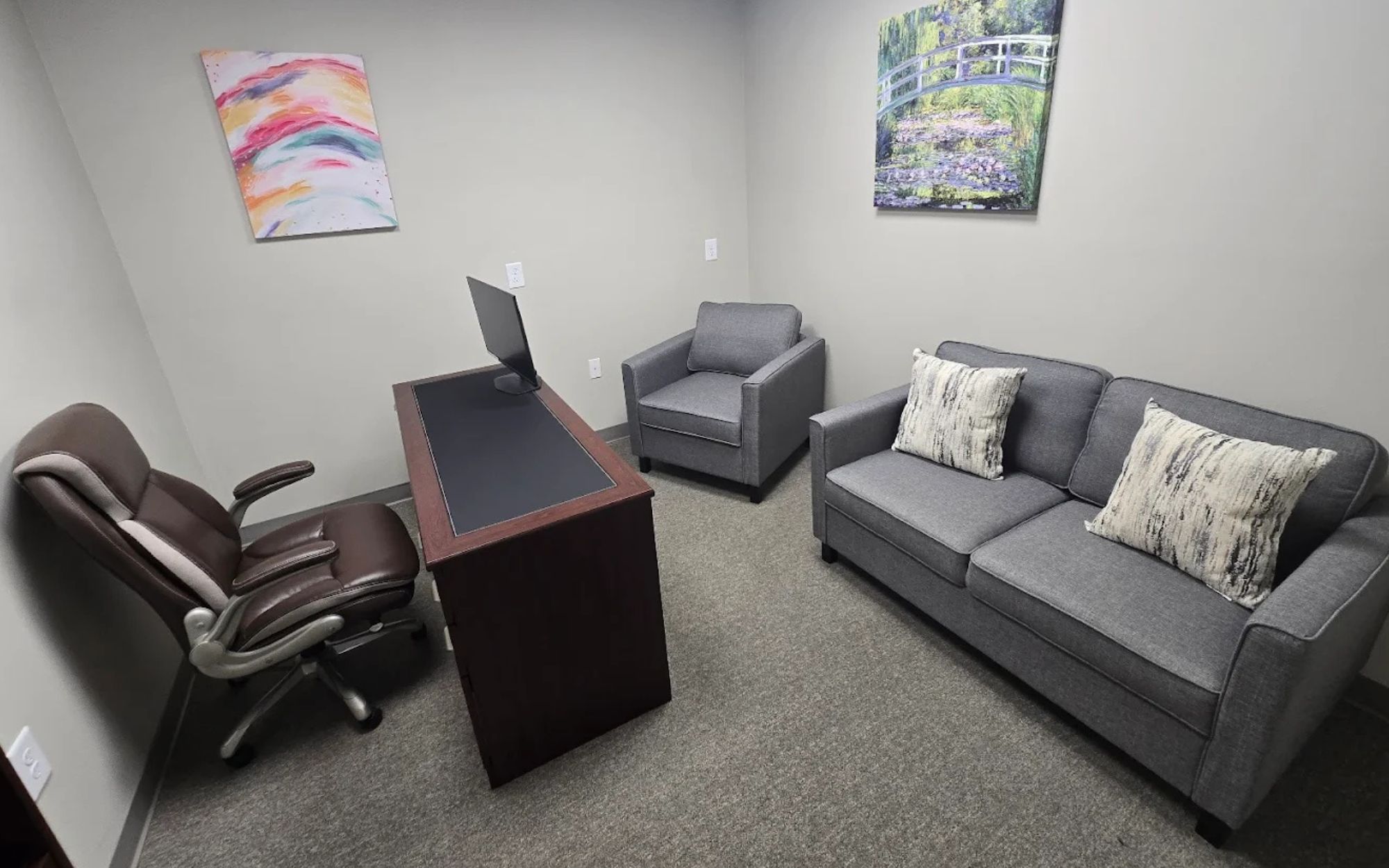
At Lanier Recovery Center, trauma therapy is delivered in a supportive, structured environment where clients feel safe, respected, and in control of their healing process. Each treatment plan is personalized based on individual history, symptoms, and recovery goals.
Types of Trauma Therapy We Offer
Cognitive Behavioral Therapy (CBT) for Trauma
Trauma-focused CBT helps identify negative thought patterns shaped by past experiences and replaces them with healthier, more balanced beliefs. It also teaches practical coping strategies for managing triggers and stress.
Dialectical Behavior Therapy (DBT)
DBT supports individuals who experience intense emotions, self-destructive behaviors, or relationship difficulties. Skills training focuses on emotional regulation, distress tolerance, mindfulness, and interpersonal effectiveness.
Somatic and Mindfulness-Based Therapies
Trauma often lives in the body as much as the mind. Somatic and mindfulness-based approaches help clients reconnect with physical sensations, release stored tension, and develop grounding techniques that restore a sense of safety.
Group Trauma Therapy
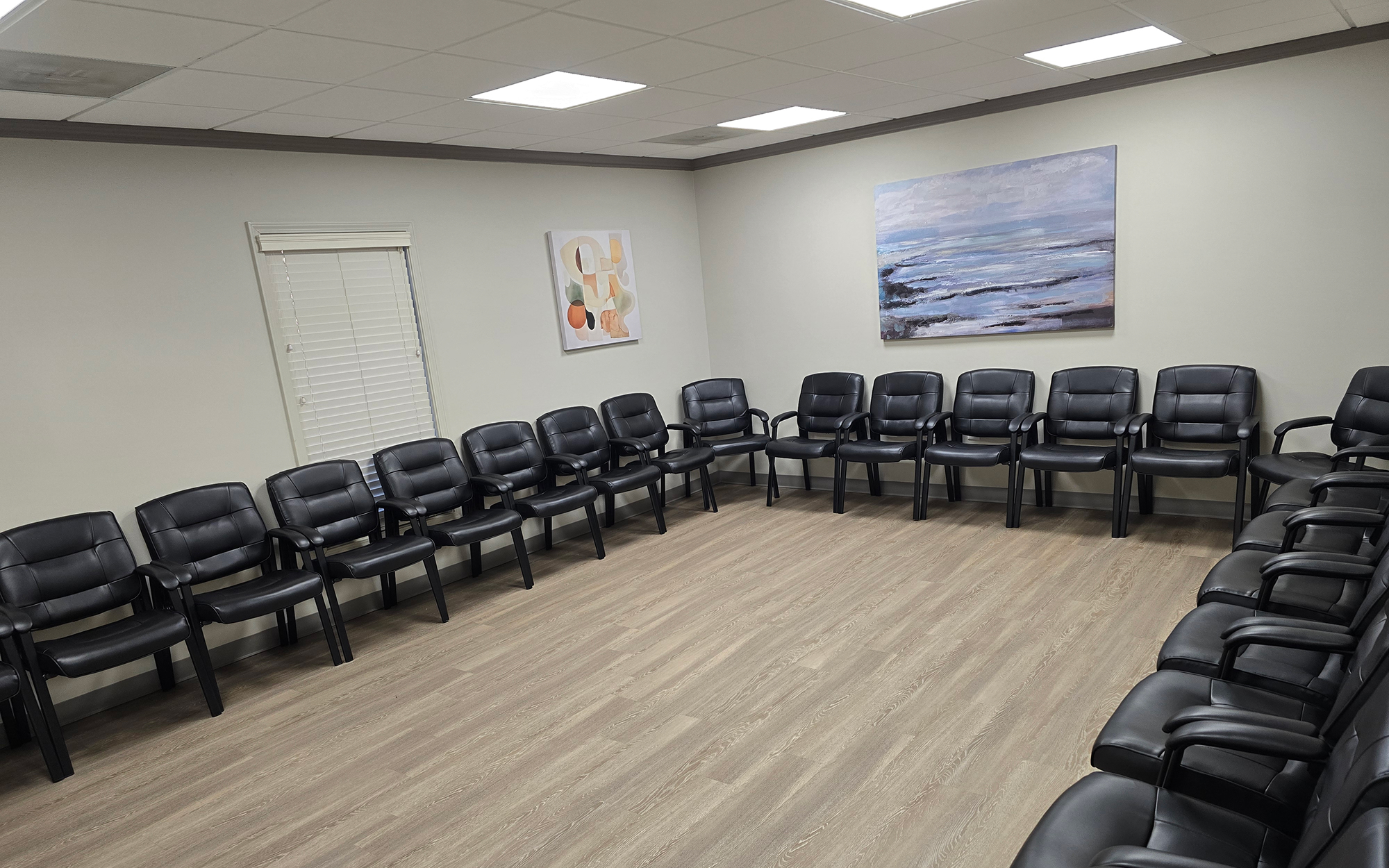
Group sessions offer shared understanding and peer connection. Guided by licensed clinicians, clients gain insight, validation, and support from others on similar healing journeys.
What Conditions Trauma Therapy Can Help Treat
Trauma therapy at Lanier Recovery Center can support individuals experiencing:
- Post-traumatic stress disorder (PTSD)
- Anxiety and panic disorders
- Depression
- Substance use disorders
- Co-occurring mental health conditions
- Emotional regulation difficulties
- Relationship and attachment challenges
What to Expect in Trauma Therapy at Lanier Recovery Center
Every client begins with a comprehensive clinical assessment to understand personal history, symptoms, and recovery needs. From there, our team develops an individualized treatment plan that may include individual therapy, group therapy, skills training, and holistic approaches.
Sessions are structured yet flexible, allowing clients to progress at a safe and manageable pace. Trauma therapy is fully integrated with addiction and mental health treatment, ensuring continuity of care and ongoing progress evaluation.
Benefits of Trauma Therapy
Engaging in trauma therapy can lead to:
- Reduced trauma-related symptoms
- Improved emotional stability
- Healthier coping strategies
- Stronger self-awareness
- Better relationships
- Decreased risk of relapse
- Greater confidence and resilience
Trauma-Informed Environment at Lanier Recovery Center
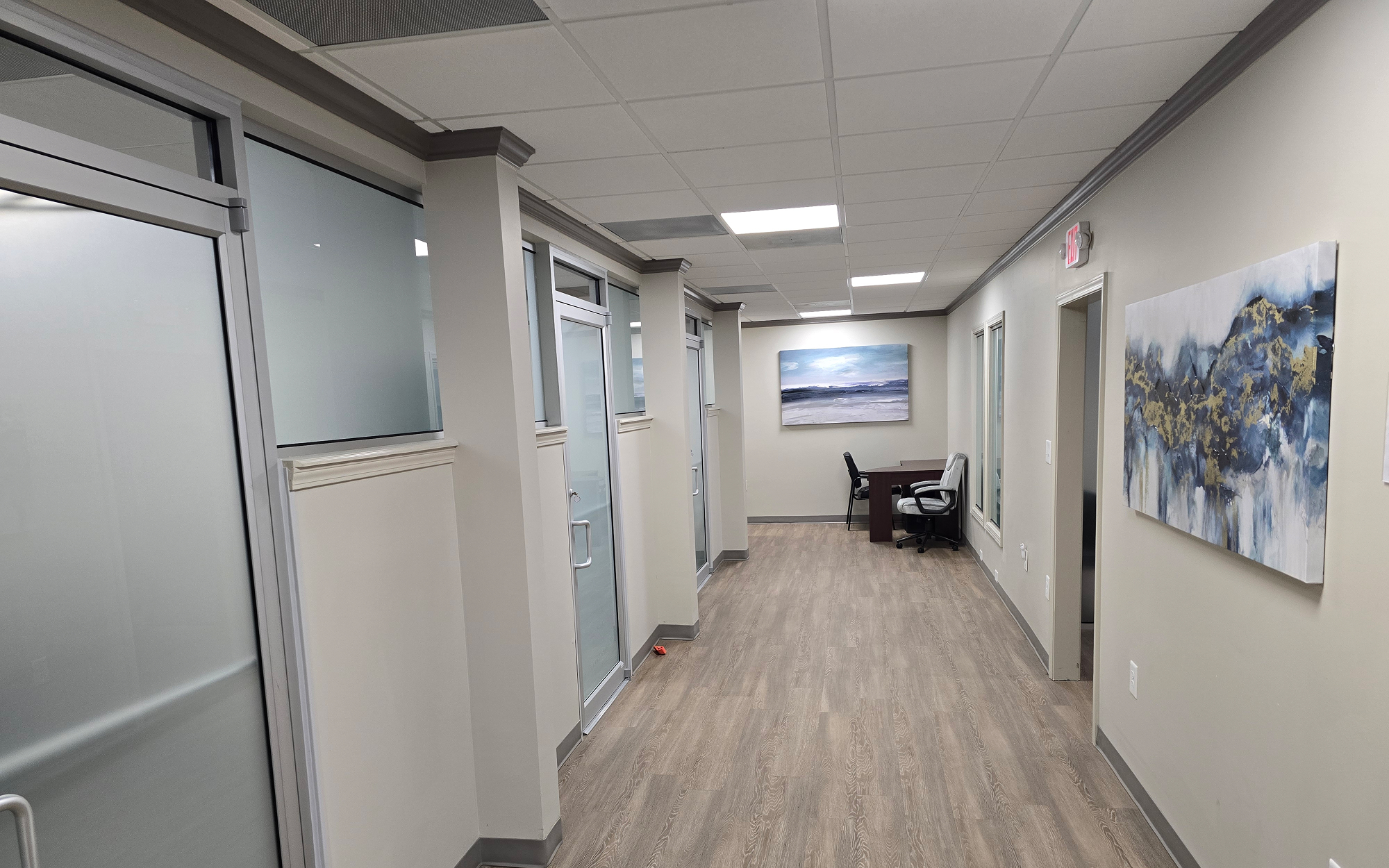
Healing from trauma requires trust and safety. Our trauma-informed environment is built on respect, empowerment, and compassionate care. Licensed clinicians trained in trauma-focused therapies provide confidential, judgment-free support. We approach recovery holistically, addressing mind, body, and emotional well-being in a peaceful and supportive setting.
Is Trauma Therapy Right for You or Your Loved One?
If past experiences continue to affect mood, relationships, self-worth, or substance use, trauma therapy may help. Signs can include flashbacks, nightmares, emotional numbness, chronic anxiety, difficulty trusting others, or turning to substances to cope. Reaching out for help is a powerful first step toward healing.
Start Healing from Trauma Today
You don’t have to carry trauma alone. Lanier Recovery Center is here to help you or your loved one begin a safe and supported healing journey. Our admissions team is available to answer questions, verify insurance, and schedule a confidential consultation. Contact us today and take the first step toward lasting recovery.