Request a call to speak with an admissions specialist. We are here to help you.

"*" indicates required fields

Medication-assisted treatment Atlanta

Starting addiction treatment in the Atlanta area does not have to mean stepping away from your job, your family, or your daily responsibilities. MAT programs in Georgia treat opioid and alcohol addiction as a medical condition, combining FDA-approved medications with structured counseling so you can stabilize your brain chemistry and quiet cravings while staying connected to everyday life. Medication eases the physical pull of withdrawal, and therapy addresses the thoughts and habits that keep substance use in place. For working adults who cannot pause their careers to enter residential care, this outpatient model offers a practical, medically sound path to lasting recovery.
Free Insurance Check

Free & Confidential | HIPAA Compliant | No Obligation

"*" indicates required fields

1
2
3
4
This field is for validation purposes and should be left unchanged.
mat programs in Georgia

MAT programs in Georgia for addiction recovery

MAT programs in Georgia combine medication with counseling and behavioral treatment to address both the physical and psychological aspects of substance use disorders. Within our outpatient rehab Atlanta GA approach, medication-assisted treatment can provide additional stability while clients continue working on the thoughts, behaviors, relationships, and triggers connected to substance use.

The Substance Abuse and Mental Health Services Administration describes MAT as a whole-patient approach combining medication with counseling. Rather than expecting someone to manage withdrawal symptoms or cravings through willpower alone, treatment can use appropriate medications alongside therapy and ongoing clinical support.

Medication is not a stand-alone cure. Its role is to reduce physical barriers that can make recovery harder, giving clients more room to participate meaningfully in counseling and develop practical skills for daily life.
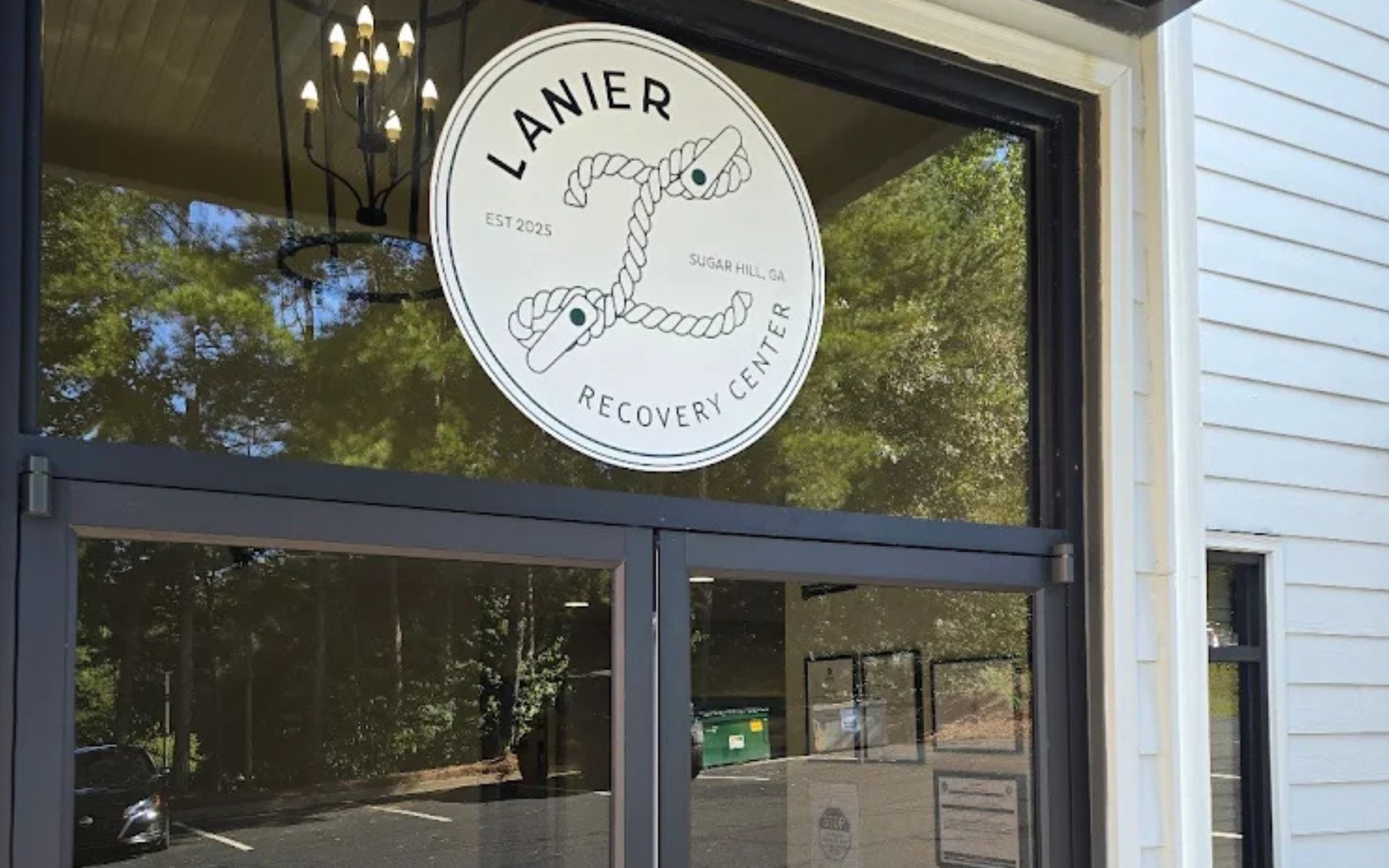
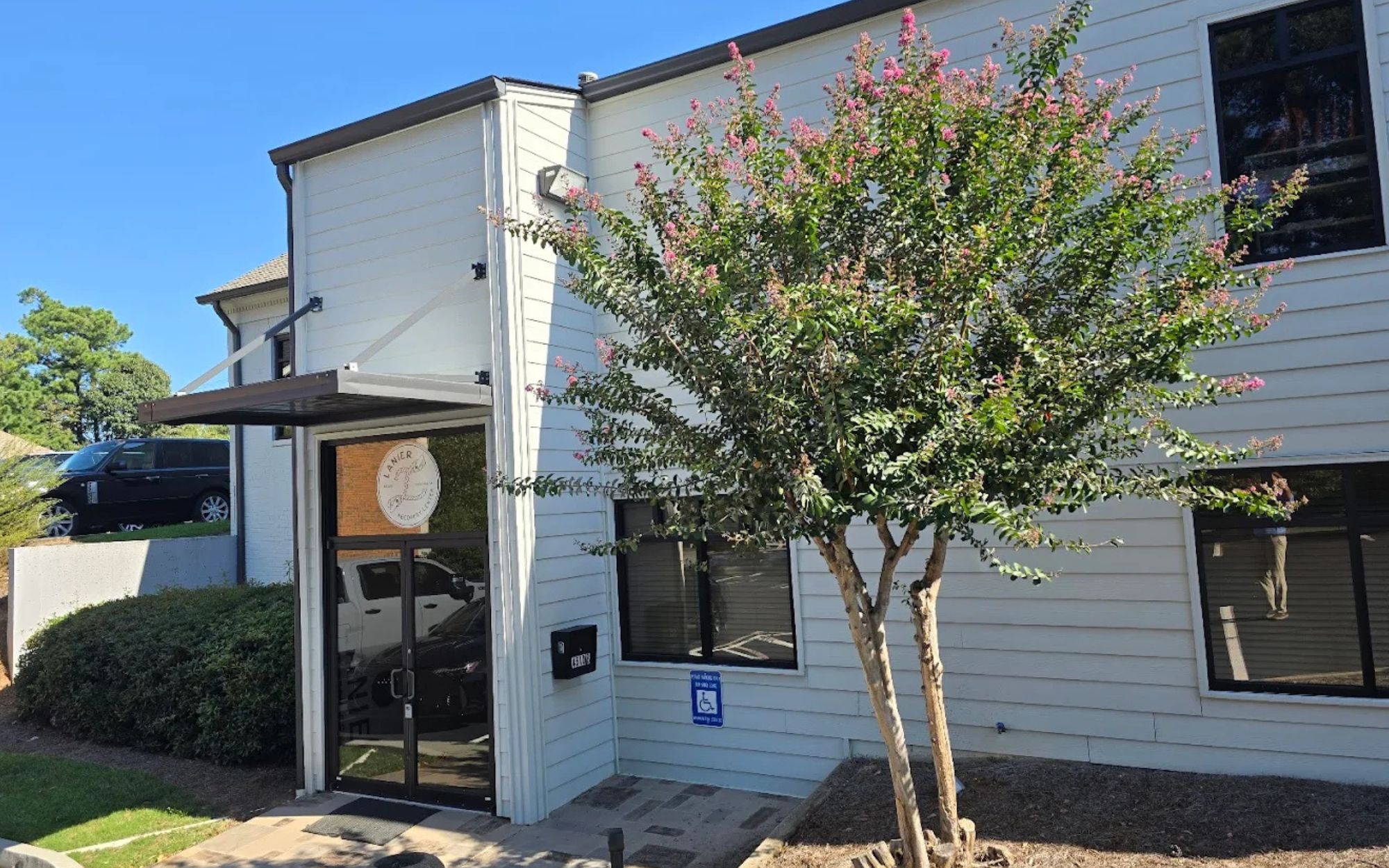
Table of Contents

How a MAT program works

A MAT program begins with an individualized clinical assessment. The appropriate medication depends on factors such as the substance involved, previous treatment, current medications, physical health, mental health, and recovery goals.

Treatment may involve:

  • Reviewing substance use and medical history.
  • Determining whether medication is clinically appropriate.
  • Monitoring cravings, withdrawal symptoms, and side effects.
  • Combining medication with individual or group therapy.
  • Adjusting the treatment plan as needs change.
  • Building coping and relapse-prevention skills alongside medical support.

No single medication or schedule is appropriate for everyone. The treatment plan should respond to the client rather than forcing the client into a fixed protocol.

Medications used for opioid addiction and alcohol use disorder

Several medications may be used in addiction treatment, depending on the diagnosis and clinical needs.

Medication Common use General role
Buprenorphine Opioid use disorder Acts on opioid receptors to reduce withdrawal symptoms and cravings
Naltrexone Opioid or alcohol use disorder Blocks opioid effects and may reduce alcohol cravings
Extended-release naltrexone Opioid or alcohol use disorder Provides longer-acting naltrexone through a monthly injection
Extended-release buprenorphine Opioid use disorder Provides longer-acting buprenorphine support

Lanier also provides more detailed information about naltrexone treatment, our Vivitrol treatment program, and Sublocade treatment for clients exploring medication options.

How medication reduces cravings

Medications used for opioid addiction work in different ways. Buprenorphine interacts with opioid receptors as a partial agonist and can reduce withdrawal symptoms and cravings without producing the same effects as full opioid agonists such as heroin or fentanyl. Naltrexone works differently by blocking opioid receptors rather than activating them.

For alcohol use disorder, certain medications may reduce cravings or change how alcohol affects the reward system. The appropriate option depends on the personโ€™s health history, treatment goals, and clinical assessment.

The key point is that medication should be selected and monitored as part of a broader treatment plan, not as a prescription-only solution.

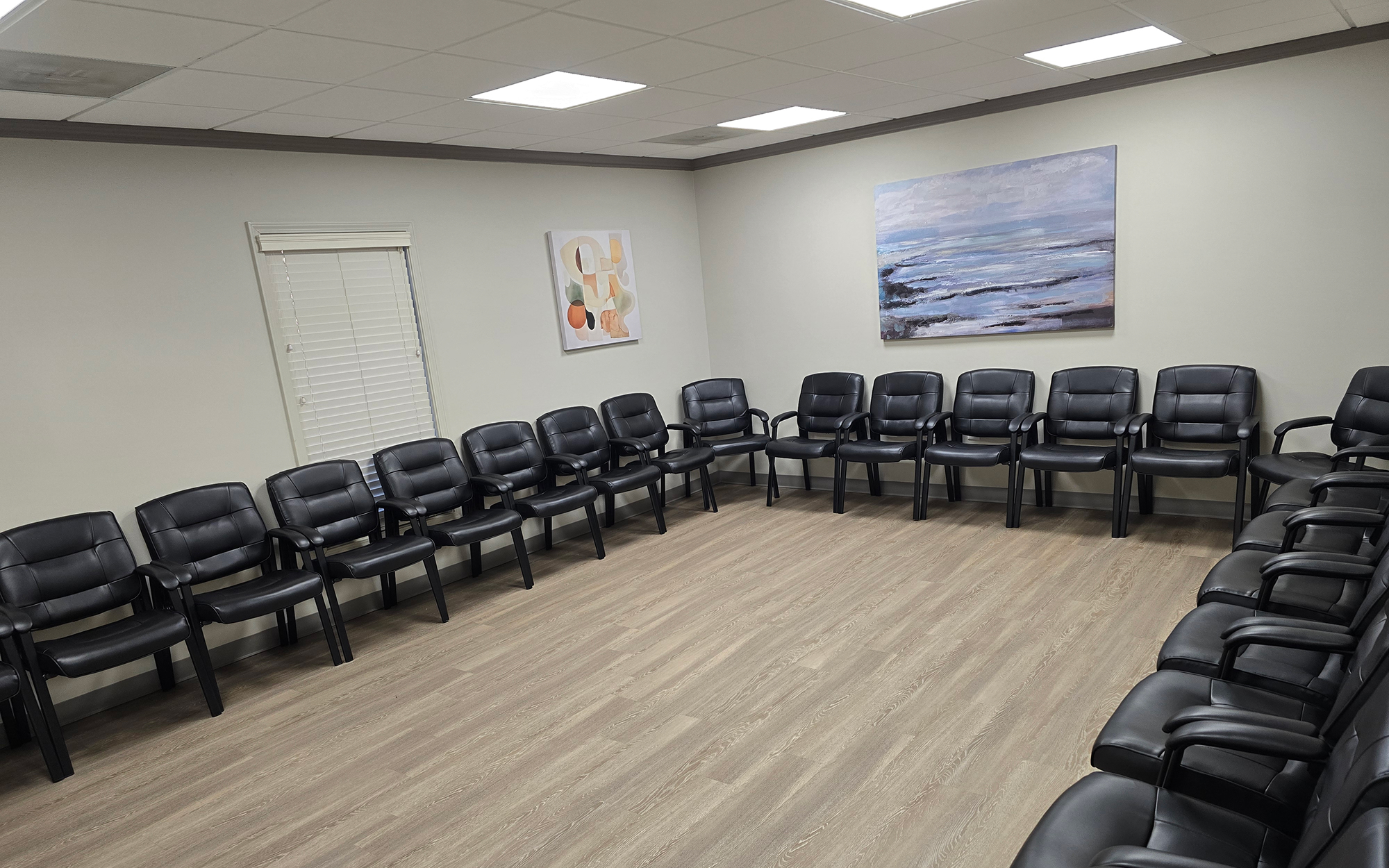
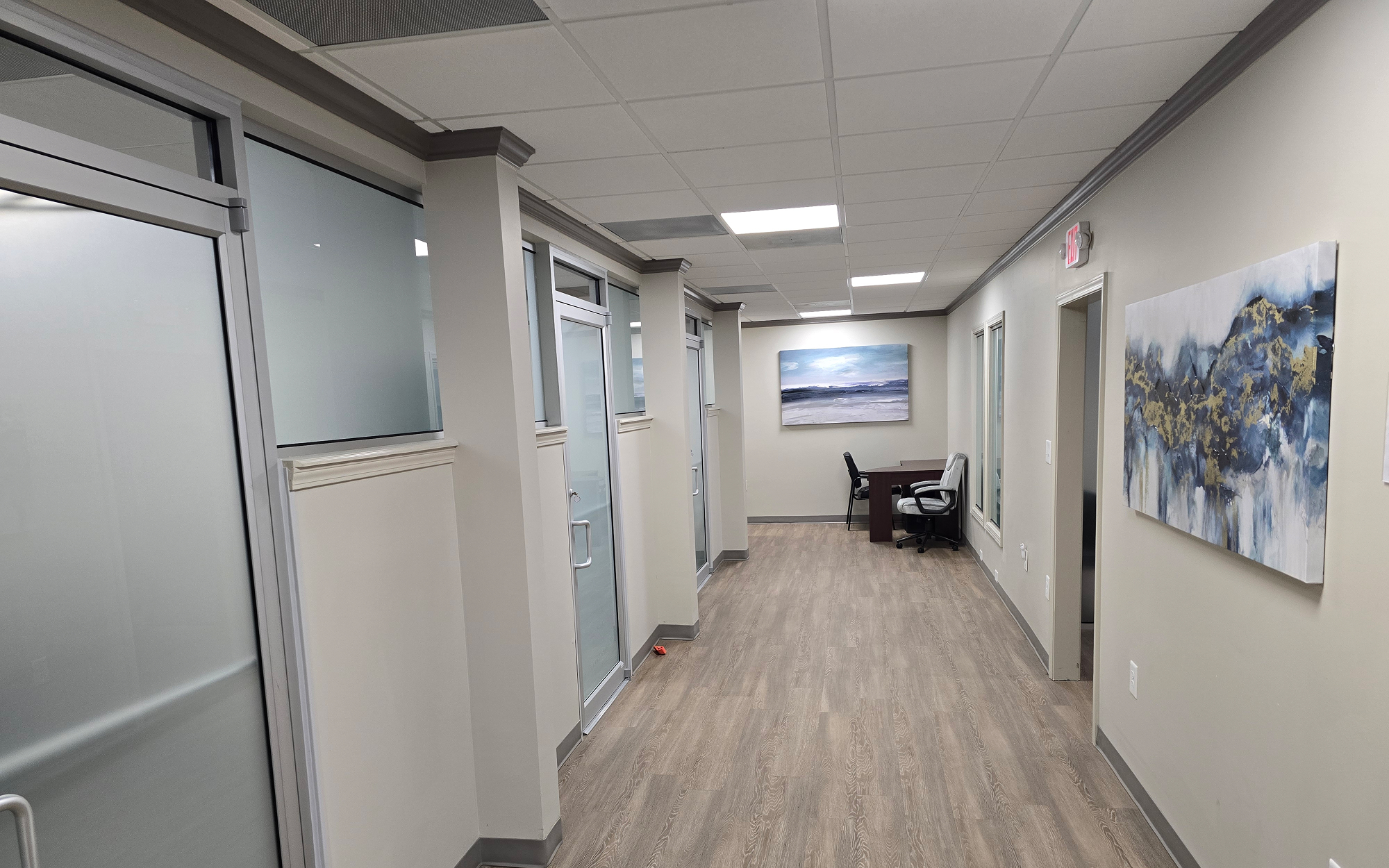
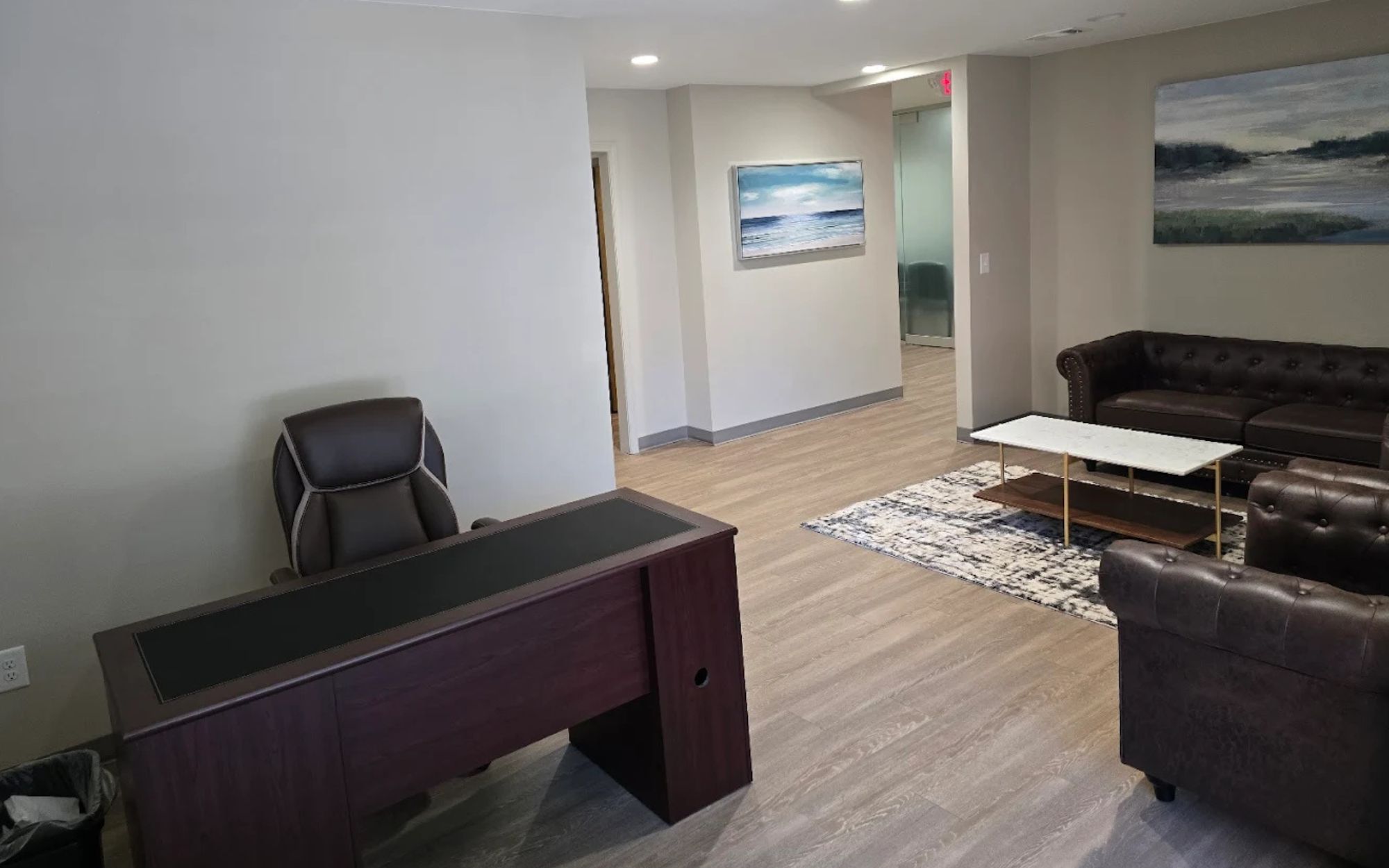
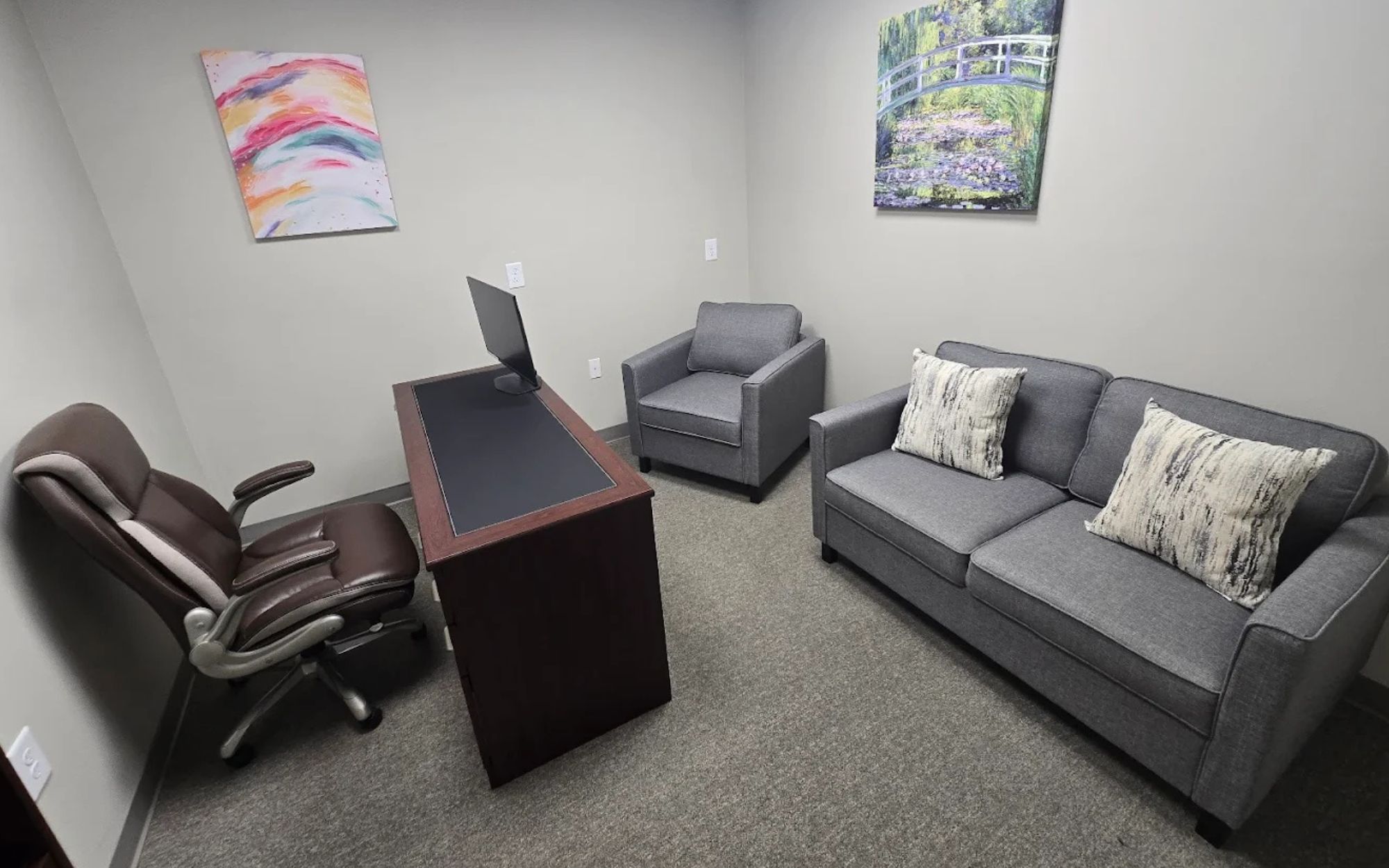
Check out our facility in Atlanta, GA

Discover why our programs are top rated today. Talk with our admissions team about the right treatment plan to bring lasting recovery.

Common myths about medication-assisted treatment

One persistent misconception is that MAT simply replaces one addiction with another. Physical dependence on a prescribed medication is not the same as the compulsive drug abuse patterns that characterize addiction. Medications are used at clinically appropriate doses with the goal of reducing withdrawal, cravings, and the risks associated with uncontrolled substance use.

Another misconception is that taking medication means recovery is somehow less meaningful. In reality, addiction is a health condition, and using medication when appropriate is no different in principle from using medical treatment for another chronic condition.

Medication also does not eliminate the need for behavioral change. Counseling remains an important part of MAT because medication cannot resolve relationship problems, trauma, stress, harmful routines, or the other factors that may contribute to substance use.

Safety and ongoing monitoring

Medication safety matters throughout treatment. Clients should tell their medical provider about other prescriptions, over-the-counter medications, alcohol or drug use, and relevant health conditions before beginning treatment.

Ongoing monitoring can help determine whether medication is reducing cravings as intended, whether side effects are occurring, and whether the broader treatment plan needs to change. If you have questions about access to MAT or whether medication may fit into your recovery plan, our admissions team can help explain the next steps and what information is needed before treatment begins.

the help you need is here

Recovery starts here

If you or someone you love is struggling with substance use or other mental health issues, Lanier Recovery Center can help. Request a callback below to receive care and support you can trust.

"*" indicates required fields

How MAT fits into our outpatient treatment programs

Medication-assisted treatment is not a separate level of care. Instead, medication support can be integrated into the outpatient program that matches a clientโ€™s current clinical needs, daily functioning, and recovery goals.

At Lanier Recovery Center, MAT may complement several levels of outpatient treatment:

  • PHP Atlanta. Our partial hospitalization program provides greater daytime structure for clients who need frequent therapeutic support while continuing to live at home or in another supportive environment.
  • IOP Atlanta. Our intensive outpatient program provides structured treatment with more flexibility for work, school, family, and other responsibilities.
  • Outpatient rehab Atlanta GA. Standard outpatient care can provide continued therapy and recovery support as clients gain greater stability and independence.

The appropriate level of care can change over time. Treatment should respond to clinical progress rather than requiring every client to follow the same schedule or timeline.

Combining medication with behavioral therapy

Medication can address physical aspects of opioid or alcohol use disorder, but it cannot resolve every factor that contributes to addiction. Counseling helps clients work on triggers, relationships, stress, trauma, thought patterns, and the routines that affect recovery in everyday life.

Depending on the treatment plan, MAT may be paired with:

This combination is central to MAT. Medication may reduce cravings or withdrawal symptoms, while therapy helps clients develop coping skills they can continue using regardless of how medication needs change over time.

Georgia addiction treatment center

How to begin your recovery journey

We know beginning treatment can feel intimidating, so weโ€™ve made the process simple and stress-free.

1

Get in touch
with us

Call or complete our contact form to connect with an admissions specialist who takes the time to listen and understand your situation.

2

Complete an assessment
& insurance review

Our team will review your history, discuss your needs, and confirm insurance coverage or explore self-pay options to make things easy.
3

Start your
treatment

Begin a personalized program built around your goals, supported by evidence-based care and a compassionate clinical team.

How MAT treatment may change over time

MAT does not follow one universal timeline. Some clients may use medication for a shorter period, while others benefit from longer-term treatment. Continuing medication can be clinically appropriate, and successful recovery does not require reaching a predetermined date for tapering.

Stage of treatment Common focus Therapeutic priorities
Early stabilization Managing cravings, withdrawal symptoms, and medication response Building trust, identifying immediate needs, beginning coping work
Ongoing treatment Supporting stability and everyday functioning Therapy, relationships, triggers, mental health, and relapse prevention
Longer-term recovery Maintaining progress and reviewing changing needs Strengthening routines, independence, and continued recovery planning

Medication may be continued, adjusted, or eventually tapered when clinically appropriate. Those decisions should be based on individual progress and made collaboratively with the prescribing professional rather than driven by an arbitrary deadline.

MAT for opioid and alcohol use disorders

Medication-assisted treatment is commonly used for opioid use disorder, including problems involving heroin, fentanyl, and prescription opioids. Different medications work in different ways to reduce cravings, manage withdrawal symptoms, or block opioid effects.

Medication may also support treatment for alcohol use disorder. Within our alcohol treatment Atlanta approach, appropriate medication can complement counseling and behavioral support when it fits the individual treatment plan.

Substance use can also overlap with anxiety, depression, trauma, and other mental health concerns. When those conditions are present, our dual diagnosis treatment Atlanta approach can help keep mental health needs connected to the broader addiction recovery plan.

What progress can look like

Progress in MAT is broader than medication dosage or drug-screen results. Early changes may include more manageable cravings, improved sleep, greater consistency with treatment, or simply having enough stability to focus during therapy.

As recovery develops, goals may shift toward:

  • Rebuilding healthier daily routines.
  • Returning attention to work, school, or family responsibilities.
  • Strengthening relationships and communication.
  • Recognizing relapse warning signs earlier.
  • Managing stress without returning to substance use.
  • Developing a long-term plan for continued recovery.

There is no single finish line. MAT should evolve with the person, allowing treatment intensity, therapy goals, and medication decisions to change as clinical needs change.

What sets lanier recovery center apart

Our approach to addiction and mental health treatment is built on comprehensive care, compassionate support, and individualized recovery paths that lead to lasting change.

Depth

We go beyond surface-level treatment to address the root causes of addiction and mental health challenges for lasting healing.

Support

Our compassionate team provides steady guidance, encouragement, and care at every stage of the recovery journey.

Strength

Through personalized therapy and skill-building, we help individuals rediscover confidence and inner resilience.

Accountability

We create structured support systems that promote responsibility, consistency, and long-term recovery success.

Aftercare

Our aftercare planning and alumni support ensure continued connection and stability long after treatment ends.

Flexibility

We offer adaptable treatment options that fit real-life responsibilities while maintaining consistent, high-quality care.

Who may benefit from MAT in Georgia?

MAT may be appropriate when cravings, withdrawal symptoms, or repeated return to substance use make recovery difficult to sustain without medication support. It is most commonly used for opioid use disorder and alcohol use disorder, but whether it belongs in a treatment plan should be determined through an individualized clinical assessment.

MAT may be worth considering if you:

  • Have tried to stop using opioids or alcohol and experienced difficult withdrawal or persistent cravings.
  • Have returned to substance use after a period of abstinence.
  • Are concerned that opioid or alcohol use is affecting your health, relationships, work, or daily responsibilities.
  • Want medication support alongside counseling and behavioral therapy.
  • Have previously tried an abstinence-only approach without the stability you needed.
  • Need an outpatient treatment option that can fit around work, school, parenting, or caregiving responsibilities.

MAT is not reserved for one stage of recovery. Some people begin medication early in treatment, while others explore it after previous attempts to recover without medication. The right approach depends on substance use history, physical and mental health, current medications, previous treatment, and personal recovery goals.

How an assessment helps determine the right fit

A clinical assessment helps determine whether medication is appropriate and which option may best fit the individual. It also helps identify other needs that should be addressed alongside MAT, including co-occurring mental health concerns, relapse risk, and the appropriate level of outpatient structure.

Treatment should remain flexible as recovery progresses. Medication, therapy goals, and level of care may all change over time rather than following a one-size-fits-all timeline.

Lanier Recovery Center can help you
We understand that getting help for addiction can be challenging. Start with a free addiction assessment today.

Frequently asked questions

Get answers to commonly asked questions.

MAT programs in Georgia combine medication with counseling and behavioral therapy to support recovery from opioid use disorder and, in some cases, alcohol use disorder. The goal is to address both the physical and behavioral sides of addiction rather than relying on medication or counseling alone.

What a MAT program requires depends on the medication, diagnosis, medical history, and treatment plan. Clients may complete a clinical assessment, review current medications and substance use, participate in counseling, and attend follow-up appointments to monitor progress and side effects. Requirements can change as stability improves.

Yes. Medications used for opioid use disorder may help reduce withdrawal symptoms, cravings, or the effects of opioids, depending on the medication selected. MAT is generally most effective when medication is combined with behavioral treatment and ongoing clinical support rather than used as a stand-alone intervention.

There is no single MAT timeline. Some people use medication for a shorter period, while others benefit from longer-term treatment. Successful recovery does not require stopping medication by a particular date. Medication may be continued, adjusted, or tapered when clinically appropriate and discussed with the prescribing professional.

A clinical assessment is the best way to determine whether medication belongs in your recovery plan. Factors may include the substance involved, withdrawal or craving history, previous treatment, physical and mental health, current medications, and personal goals. To discuss MAT, insurance coverage, or the next steps toward outpatient care, you can contact Lanier Recovery Centerโ€™s admissions team for more information.

Lanier Recovery Centerโ€™s top values

Every treatment will be uniquely tailored to you, because youโ€™re unique.

Sober living

Our team is 100% sober, including from Alcohol. We help our clients achieve sobriety and stick to it through thick and thin, because sobriety is the foundation of a fulfilling life.

Integrity

Our team is 100% sober, including from Alcohol. We help our clients achieve sobriety and stick to it through thick and thin, because sobriety is the foundation of a fulfilling life.

Everyone belongs

Our team is 100% sober, including from Alcohol. We help our clients achieve sobriety and stick to it through thick and thin, because sobriety is the foundation of a fulfilling life.

Limitless potential

Our team is 100% sober, including from Alcohol. We help our clients achieve sobriety and stick to it through thick and thin, because sobriety is the foundation of a fulfilling life.

Build a recovery plan that fits your life

Medication-assisted treatment can provide additional stability while you work on the behavioral, emotional, and practical parts of recovery. At Lanier Recovery Center, our outpatient approach allows MAT to be combined with therapy and structured support while clients remain connected to work, family, and everyday responsibilities when clinically appropriate.

The goal is not simply to reduce cravings. It is to build a treatment plan that supports healthier routines, stronger coping skills, and continued progress as your needs change.

If you want to learn whether MAT may fit into your outpatient treatment plan, contact us by calling (470) 470-5697. Our admissions team can answer questions about treatment, insurance coverage, and the next steps toward care.

If youโ€™re looking for more information, connect with our team by phone, email, or through our online form. Weโ€™re here to answer your questions, talk through your options, and support you as you begin your path toward lasting recovery.

Sources

SAMHSA. (August 25, 2025). Treatment Options for Substance Use Disorder. SAMHSA.

National Academy of Medicine. (November 21, 2024). Improving Access to Evidence-Based Medical Treatment for Opioid Use Disorder. National Academy of Medicine.

we are here for you

Get the help you need today.

Together, we can help you build a brighter future of wellness.

Free & easy insurance check

alliant
care source
multiplan
united healthcare
cigna
beacon
bluecross
tricare

Request a confidential call

"*" indicates required fields

This field is for validation purposes and should be left unchanged.
Preferred method*
Get Treatment For All Your Healthcare Needs

Other how we treat

Request A Confidential Call

Request a call and a Lanier Recovery Center team member will be in touch.

"*" indicates required fields