Request a call to speak with an admissions specialist. We are here to help you.

"*" indicates required fields

Motivational interviewing therapy

Motivational interviewing is a compassionate counseling approach for people who feel uncertain about changing their substance use. You may recognize the negative effects of alcohol or drugs while still feeling unsure about treatment or life without them. That conflict is common and does not mean you are unwilling or unable to recover. Motivational interviewing therapy gives you space to explore those mixed feelings without judgment or pressure. Instead of telling you what to do, a therapist helps you identify your own reasons to change and build confidence to take the next step.
Free Insurance Check

Free & Confidential | HIPAA Compliant | No Obligation

"*" indicates required fields

1
2
3
4
This field is for validation purposes and should be left unchanged.
motivational interviewing

Understanding motivational interviewing

It is normal to have mixed feelings about changing your alcohol or drug use. You may recognize that your current behavior affects your health, relationships, or responsibilities while also fearing what life will be like without the substance. Within our individual therapy Atlanta approach, motivational interviewing can provide a private, supportive setting to work through this uncertainty.

In motivational interviewing, these mixed feelings are known as ambivalence. Ambivalence is not a sign of failure or denial. It is often part of preparing for change, and you do not need to feel completely certain before beginning treatment.

This counseling approach emphasizes collaboration rather than confrontation. Your therapist does not argue with you or pressure you to decide immediately. Instead, you have space to consider how your substance use relates to your health, relationships, responsibilities, and goals.
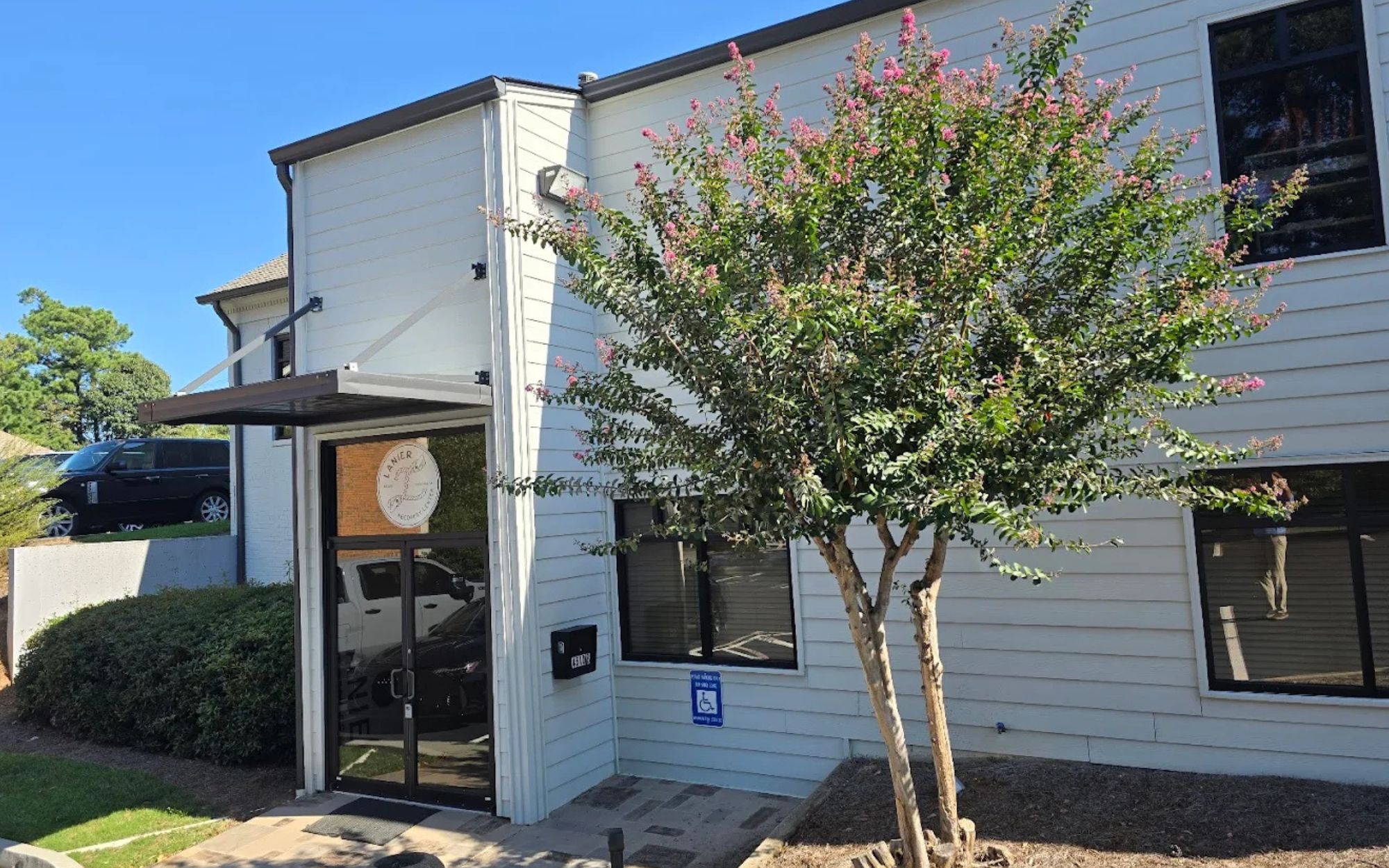
Table of Contents

A collaborative counseling approach

The motivational interviewing counseling style centers on acceptance, compassion, and respect for personal choice. This client-centered approach can make it easier to discuss substance use honestly without feeling judged or pressured.

During this collaborative process, your therapist listens for the values and goals that matter to you. Together, you can examine the difference between your current behavior and the life you want to build. This is sometimes called developing discrepancy, but it aims to create clarity rather than shame.

Motivational interviewing may be combined with our cognitive behavioral therapy Atlanta approach. Motivational interviewing can strengthen readiness for change, while cognitive behavioral therapy can help you recognize triggers, question unhelpful thoughts, and practice healthier responses.

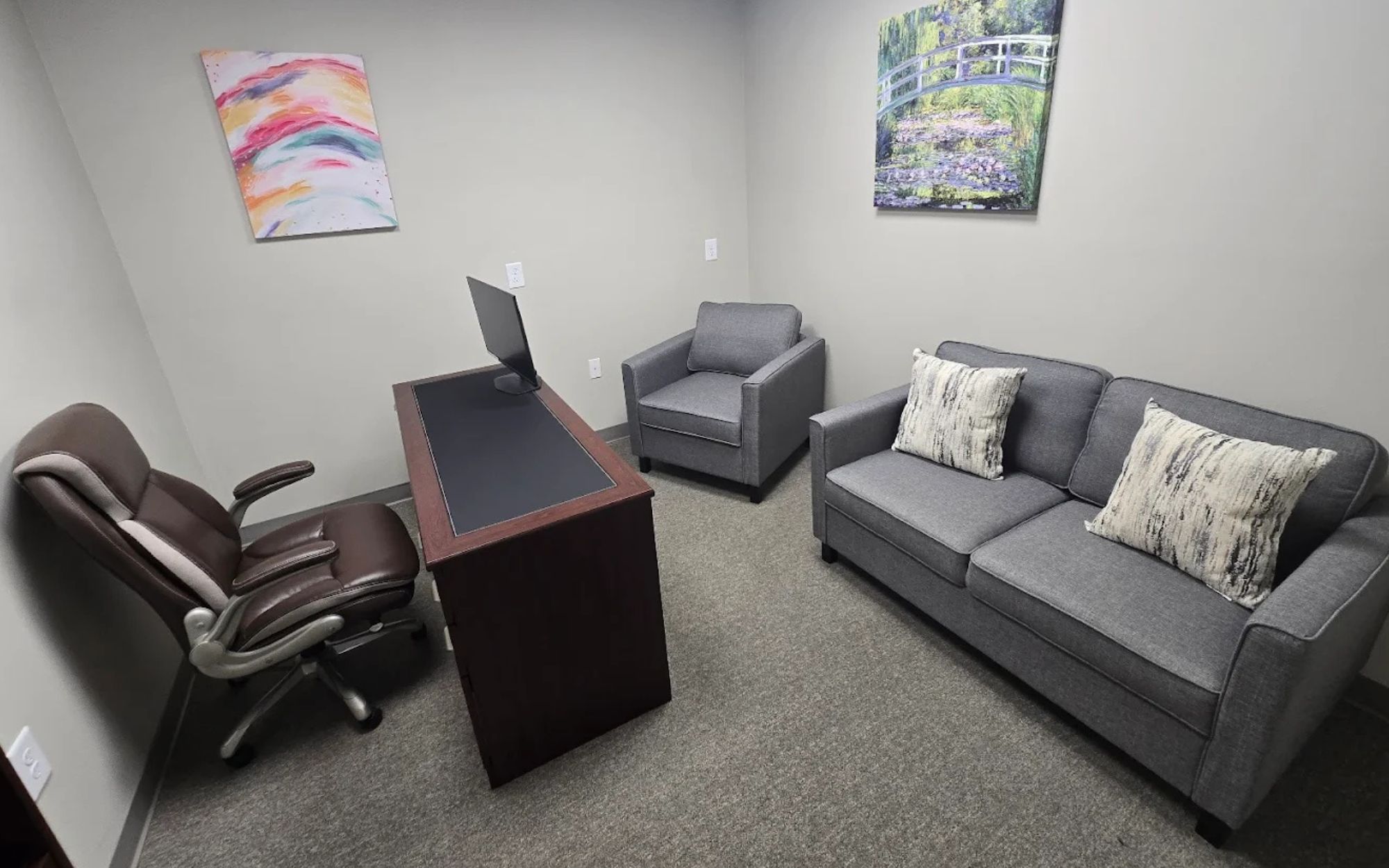
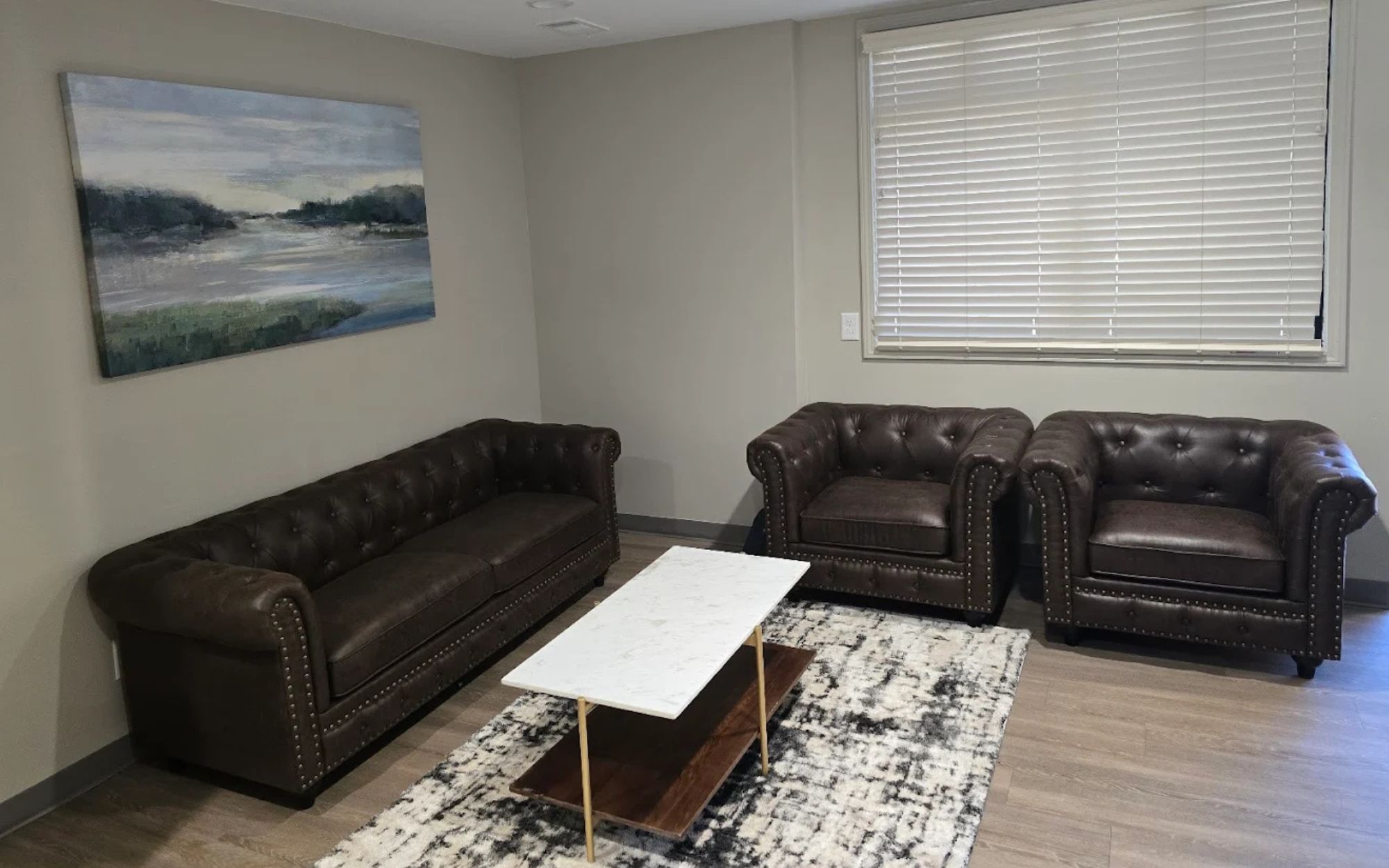
Check out our facility in Atlanta, GA

Discover why our programs are top rated today. Talk with our admissions team about the right treatment plan to bring lasting recovery.

The spirit of motivational interviewing

Motivational interviewing is more than a collection of counseling techniques. Its underlying spirit is collaborative, evocative, compassionate, and respectful of your autonomy. You and your therapist work together while recognizing that you remain responsible for decisions about your own life.

The PACE framework describes four principles that shape this therapeutic relationship.

PACE principle How it supports the therapeutic relationship
Partnership You and your therapist work together instead of treating the conversation as a lecture.
Acceptance Your therapist respects your worth, perspective, and right to make decisions about your own life.
Compassion The conversation remains focused on your well-being, needs, and treatment goals.
Evocation Your therapist draws out your ideas, strengths, and personal motivations for change.

These principles create an atmosphere where you can speak honestly about substance use, including why you want to change and why you may feel hesitant. Your therapist can show empathy while staying curious about your experience, rather than assuming what recovery should mean to you.

Evocation is especially important because it draws out change talk: statements you make about wanting, needing, or feeling able to change. Hearing yourself identify your own motivations can make positive changes feel more personal and achievable.

Open-ended questions and other motivational interviewing techniques

Motivational interviewing techniques are often organized through the acronym OARS:

  • Open-ended questions. These invite you to describe your feelings and experiences in your own words. A therapist might ask, โ€œHow has alcohol affected the relationships that matter to you?โ€
  • Affirmations. These recognize your strengths, effort, and past successes without relying on empty praise. They can help rebuild self-efficacy after addiction has affected your confidence.
  • Reflective listening. Your therapist reflects the meaning or emotion behind what you say, helping you feel heard while giving you a chance to clarify your point.
  • Summaries. Your therapist brings together important parts of the conversation, including your concerns, mixed feelings, goals, and reasons for considering change.

Together, these foundational skills create a supportive conversation rather than an argument. They also help the therapist recognize both change talk and sustain talk without criticizing you for feeling uncertain.

Change talk and sustain talk

Change talk includes statements about wanting, needing, or feeling able to make a change. Sustain talk reflects the reasons you may have for continuing your current behavior. Both can be part of resolving ambivalence, especially when substance use has become a familiar way to cope with stress, trauma, or mental health symptoms.

Your therapist does not argue with sustain talk. Through reflective listening and open-ended questions, you can examine both sides of the conflict and give voice to your own motivations. This process respects your ability to make decisions while helping you move toward meaningful behavioral change.

the help you need is here

Recovery starts here

If you or someone you love is struggling with substance use or other mental health issues, Lanier Recovery Center can help. Request a callback below to receive care and support you can trust.

"*" indicates required fields

From mixed feelings to meaningful change

Motivational interviewing does more than encourage a person to change addictive behavior. It creates a respectful conversation in which clients can examine their current behavior, identify their own reasons for doing something differently, and decide what steps feel realistic.

Rather than telling someone what they should do, the therapist listens for the personโ€™s motivation and builds on the clientโ€™s ideas. This person-centered approach can be especially valuable when someone wants a different life but still has mixed feelings about leaving substance use behind.

Develop discrepancy without judgment

To develop discrepancy means helping someone recognize the distance between their current behavior and the life they want. A person might value trust, health, stability, or family relationships while also recognizing that alcohol abuse or another addictive behavior is making those priorities harder to protect.

The therapist does not point out this conflict to shame or confront the client. Motivational interviewing emphasizes collaboration over authority, allowing the person to reach their own conclusions in a supportive conversation.

Change talk and personal motivation

Change talk includes statements that express a desire, reason, ability, or commitment to make positive changes. A client may acknowledge that substance use is affecting their mental health, express concern about its consequences, or describe what they want their recovery to look like.

Motivational interviewing techniques are used to elicit behavior change by giving these statements room to develop. When clients hear themselves describe their own reasons for change, motivation can begin to feel personal rather than imposed by someone else.

Building self-efficacy through past strengths

Self-efficacy is a personโ€™s belief that they can take meaningful action. Motivational interviewing supports this belief by recognizing the clientโ€™s strengths, past successes, and ability to make decisions about their own life.

Someone does not need to feel completely confident before beginning treatment. A trusting relationship can help clients notice the abilities they already have and use them as they prepare for the next stage of recovery.

Georgia addiction treatment center

How to begin your recovery journey

We know beginning treatment can feel intimidating, so weโ€™ve made the process simple and stress-free.

1

Get in touch
with us

Call or complete our contact form to connect with an admissions specialist who takes the time to listen and understand your situation.

2

Complete an assessment
& insurance review

Our team will review your history, discuss your needs, and confirm insurance coverage or explore self-pay options to make things easy.
3

Start your
treatment

Begin a personalized program built around your goals, supported by evidence-based care and a compassionate clinical team.

How motivational interviewing supports substance use recovery

Motivational interviewing was originally developed to help people address alcohol and other substance use concerns. It can support treatment engagement, readiness for change, and reductions in substance use, although results differ among individuals and studies. It is best understood as one evidence-based approach within a broader treatment plan, not a standalone cure.

Motivational interviewing may help you:

  • Resolve mixed feelings. You can discuss both the perceived benefits and negative consequences of substance use without being pushed into an argument.
  • Strengthen personal motivation. Your therapist helps you identify your own reasons for pursuing recovery rather than relying only on outside pressure.
  • Develop self-efficacy. Reflecting on your strengths and past successes can make change feel more achievable.
  • Prepare for other interventions. Greater readiness may help you participate more actively in therapy, recovery planning, and support groups.
  • Connect behavior with personal values. You can examine whether your current behavior supports the health, relationships, and future you want.

Motivational interviewing may be particularly helpful during the contemplation stage, when you recognize reasons to change but have not decided what to do next. You do not need to arrive highly motivated. The collaborative process is designed to help motivation grow through honest conversation.

What sets lanier recovery center apart

Our approach to addiction and mental health treatment is built on comprehensive care, compassionate support, and individualized recovery paths that lead to lasting change.

Depth

We go beyond surface-level treatment to address the root causes of addiction and mental health challenges for lasting healing.

Support

Our compassionate team provides steady guidance, encouragement, and care at every stage of the recovery journey.

Strength

Through personalized therapy and skill-building, we help individuals rediscover confidence and inner resilience.

Accountability

We create structured support systems that promote responsibility, consistency, and long-term recovery success.

Aftercare

Our aftercare planning and alumni support ensure continued connection and stability long after treatment ends.

Flexibility

We offer adaptable treatment options that fit real-life responsibilities while maintaining consistent, high-quality care.

Motivational interviewing and mental health

Substance use and mental health symptoms can affect one another. Someone living with anxiety, trauma-related symptoms, bipolar disorder, or another concern may want relief while also feeling unsure about changing a coping behavior they have relied on.

Within dual diagnosis care, motivational interviewing can help clients consider these connections and prepare to participate more actively in treatment. It does not replace behavioral therapy, cognitive psychotherapy, or other interventions. Instead, it can support engagement by helping each person identify meaningful and realistic reasons to continue.

What to expect from motivational interviewing

A motivational interviewing session feels more like a thoughtful conversation than a lecture. Your therapist may use open-ended questions, reflective listening, affirmations, and summaries to understand what matters to you. You can discuss alcohol or drug use, mental health symptoms, relationships, physical health conditions, and other concerns affecting your recovery.

You and your therapist may also explore how your current behavior fits with values involving family, work, health, or personal integrity. When a gap becomes clear, you can work together on realistic behavior-change goals without guilt or pressure.

Motivational interviewing in Lanierโ€™s outpatient programs

At Lanier Recovery Center, motivational interviewing may be incorporated into outpatient addiction treatment when it supports your needs and treatment goals. It may be used during individual or group sessions to help you explore ambivalence, strengthen motivation, and participate more actively in recovery.

Our outpatient services include PHP Atlanta, IOP Atlanta, and outpatient rehab Atlanta GA. Each program provides a different level of weekly structure while allowing clients to remain connected to their homes and communities. When higher levels of care are required, a clinical assessment can help determine an appropriate next step.

Motivational interviewing can also complement our trauma therapy Atlanta and family therapy Atlanta approaches. These services can address experiences, relationships, and coping patterns that affect addiction recovery.

Motivational interviewing within dual diagnosis care

Mental health concerns can complicate behavior change. Our dual diagnosis treatment Atlanta approach addresses substance use and co-occurring conditions within one coordinated outpatient treatment plan.

Motivational interviewing may help you consider how anxiety, depression, bipolar disorder, trauma, or other mental health concerns affect your readiness to make changes. This compassionate approach lets you discuss uncertainty openly while helping you stay engaged in the recovery process.

Lanier Recovery Center can help you
We understand that getting help for addiction can be challenging. Start with a free addiction assessment today.

Frequently asked questions

A therapist uses a supportive manner, reflective listening, and open-ended questions to understand your experience without judgment. To express empathy does not mean agreeing with every decision. It means recognizing your feelings and perspective while creating enough safety for an honest conversation about change.

โ€œRoll with resistanceโ€ is an older motivational interviewing phrase for responding to hesitation without arguing or confrontation. Current practice often describes this as working with sustain talk. The therapist respects your autonomy, remains curious about your concerns, and helps you examine the situation from your own point of view rather than trying to win a debate.

Reflective listening helps confirm that the therapist understands both what you said and what you may be feeling underneath it. You can correct the reflection if it misses the mark. This foundational skill strengthens trust, highlights key points, and can help you hear your own reasons for change more clearly.

Motivational interviewing (MI) was developed by psychologists William R. Miller and Stephen Rollnick, whose work is also presented in their Guilford Press clinical texts. MI draws out personal values, strengths, and motivations instead of supplying reasons for change. The skills needed include open-ended questions, affirmations, reflective listening, summaries, and careful attention to change talk.

Research supports motivational interviewing as an evidence-based counseling approach, although results vary by population, setting, and comparison treatment. A 2023 review of 93 studies found that motivational interviewing may reduce substance use compared with no intervention, while its effects were smaller or less certain when compared with treatment as usual or another active intervention. In addiction treatment, motivational interviewing works best as part of a broader treatment plan. It can support honest conversations about change, but it should not be presented as a replacement for other interventions or as a guaranteed cure.

Lanier Recovery Centerโ€™s top values

Every treatment will be uniquely tailored to you, because youโ€™re unique.

Sober living

Our team is 100% sober, including from Alcohol. We help our clients achieve sobriety and stick to it through thick and thin, because sobriety is the foundation of a fulfilling life.

Integrity

Our team is 100% sober, including from Alcohol. We help our clients achieve sobriety and stick to it through thick and thin, because sobriety is the foundation of a fulfilling life.

Everyone belongs

Our team is 100% sober, including from Alcohol. We help our clients achieve sobriety and stick to it through thick and thin, because sobriety is the foundation of a fulfilling life.

Limitless potential

Our team is 100% sober, including from Alcohol. We help our clients achieve sobriety and stick to it through thick and thin, because sobriety is the foundation of a fulfilling life.

Find support for lasting change

You do not have to feel completely certain about recovery before asking for help. If substance use and mental health symptoms have left you feeling stuck, a supportive conversation can help you consider what needs to change and why that change matters to you. Lanier Recovery Center provides compassionate outpatient addiction and dual diagnosis care in Suwanee, Georgia. To discuss your needs and learn about available treatment options, contact us by calling (470) 470-5697.

If youโ€™re looking for more information, connect with our team by phone, email, or through our online form. Weโ€™re here to answer your questions, talk through your options, and support you as you begin your path toward lasting recovery.

Sources

National Institute on Drug Abuse. The OARS model: Essential communication skills.

National Center for Biotechnology Information. (2021). Chapter 3โ€”Motivational Interviewing as a Counseling Style. National Center for Biotechnology Information.

National Center for Biotechnology Information. (2018). Chapter 7โ€”Treatment Models and Settings for People With Co-Occurring Disorders. Substance Use Disorder Treatment for People With Co-Occurring Disorders: Updated 2020.

PubMed. (December 12, 2023). Motivational interviewing for substance use reduction. PubMed.

we are here for you

Get the help you need today.

Together, we can help you build a brighter future of wellness.

Free & easy insurance check

alliant
care source
multiplan
united healthcare
cigna
beacon
bluecross
tricare

Request a confidential call

"*" indicates required fields

This field is for validation purposes and should be left unchanged.
Preferred method*
Get Treatment For All Your Healthcare Needs

Other how we treat

Request A Confidential Call

Request a call and a Lanier Recovery Center team member will be in touch.

"*" indicates required fields