Request a call to speak with an admissions specialist. We are here to help you.

"*" indicates required fields

Treatment for benzo addiction in Atlanta, GA

If you or someone you love is struggling with benzo addiction, you don’t have to face it alone. Professional outpatient benzodiazepine addiction treatment in Atlanta provides the structured, compassionate support needed to achieve lasting recovery. Taking that first step toward treatment is the most important decision you’ll ever make, and local help is closer than you think.
Free Insurance Check

Free & Confidential | HIPPA Compliant | No Obligation

"*" indicates required fields

1
2
3
4
This field is for validation purposes and should be left unchanged.
Benzodiazepine addiction treatment is never far or hard to reach with Lanier Recovery Center.

Why benzo addiction treatment in Atlanta is a growing need

Benzodiazepine addiction has become a serious and growing public health concern across the United States, and the Atlanta area is no exception. Research shows that benzodiazepine prescribing rates have steadily increased over the years, with outpatient care visits involving a benzo prescription rising from 3.8% to 7.4% between 2015 and 2024 alone.

Approximately 5.2 million adults misuse benzodiazepines in the United States, and in 2020, there were 12,290 overdose deaths involving benzodiazepines; a sobering reminder of why professional treatment for benzo addiction is so urgently needed. At Lanier Recovery Center, we are committed to providing compassionate, evidence-based benzodiazepine addiction treatment to individuals across the Atlanta, GA community who are ready to overcome addiction and reclaim their lives.

Table of Contents

Understanding benzodiazepine addiction and how it develops

Benzodiazepines are a class of medications commonly prescribed by medical professionals to treat anxiety, insomnia, muscle spasms, seizures, and other conditions. Well-known examples include Xanax, Valium, Klonopin, and Ativan. They function by altering brain neuron activity that triggers stress and anxiety responses, producing a calming effect that can be an effective tool in a broader treatment plan when used as directed.

However, the potential for dependence is significant. Not all benzodiazepines are equally addictive, but they all carry a risk of dependence that increases considerably with higher doses and prolonged use. Approximately 20% of adults prescribed benzodiazepines develop physical dependence, and about 15 to 17% go on to develop a full benzodiazepine use disorder, often misusing the drug to achieve calm or escape stress.

Benzo addiction can develop in ways that are not always obvious, and benzodiazepine misuse is not limited to those with prescriptions. Studies suggest that co-occurring mental health conditions, genetics, and external stress can all elevate the risk. Over time, benzodiazepine dependence can lead to physical and psychological reliance so severe that individuals feel unable to function without the drug.

Recognizing the signs of benzo abuse and substance use disorder

Because benzodiazepines are commonly prescribed medications, benzo abuse can be difficult to identify, especially in its early stages. Understanding the common signs and symptoms of benzodiazepine addiction can help individuals and their loved ones recognize when it is time to seek treatment. Signs of benzo abuse and substance use disorder include:

If your physical and mental health is suffering from benzo addiction, you aren't alone, and Lanier Recovery Center in Atlanta, GA is here to help.

  • Using benzodiazepines in larger amounts than prescribed or for longer than intended
  • Continuing benzo use despite experiencing negative consequences at work, home, or in relationships
  • Visiting multiple doctors to obtain additional prescriptions
  • Experiencing strong cravings for the drug between doses
  • Excessive drowsiness, fatigue, or unsteadiness when walking
  • Confusion, difficulty concentrating, and cognitive impairment or memory issues
  • Mood swings, including increased anger, hostility, or depression
  • Neglecting personal hygiene and daily responsibilities due to benzo use
  • Engaging in risky behaviors such as obtaining drugs through illegal means
  • Withdrawing from family members, friends, and activities once enjoyed
  • Feeling unable to manage anxiety or insomnia without the drug
  • Continuing to use benzodiazepines out of fear of withdrawal symptoms

If you recognize several of these signs in yourself or a loved one, it’s important to reach out to a treatment center as soon as possible. The longer a benzodiazepine addiction goes untreated, the more serious the health problems and the consequences can become.

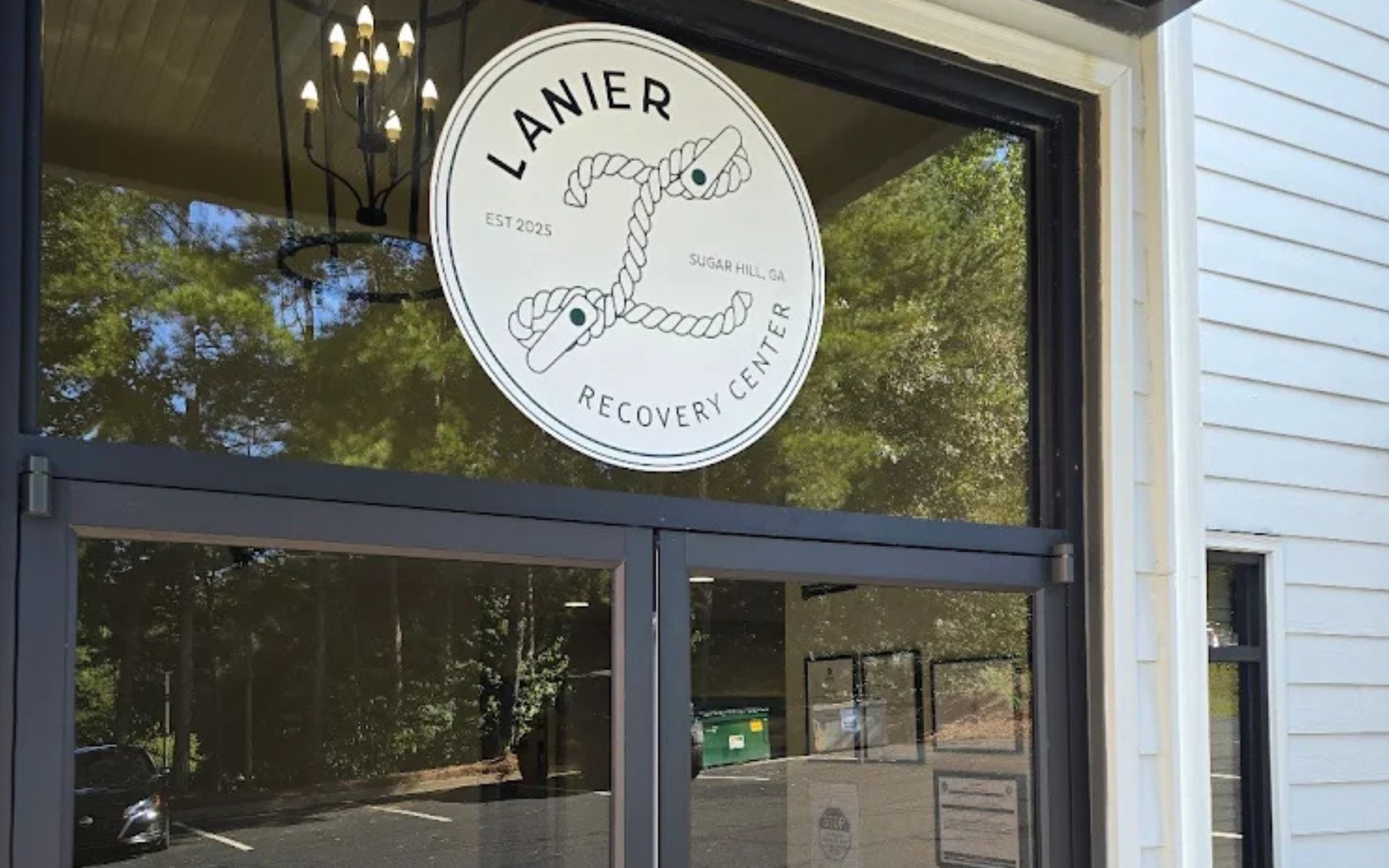
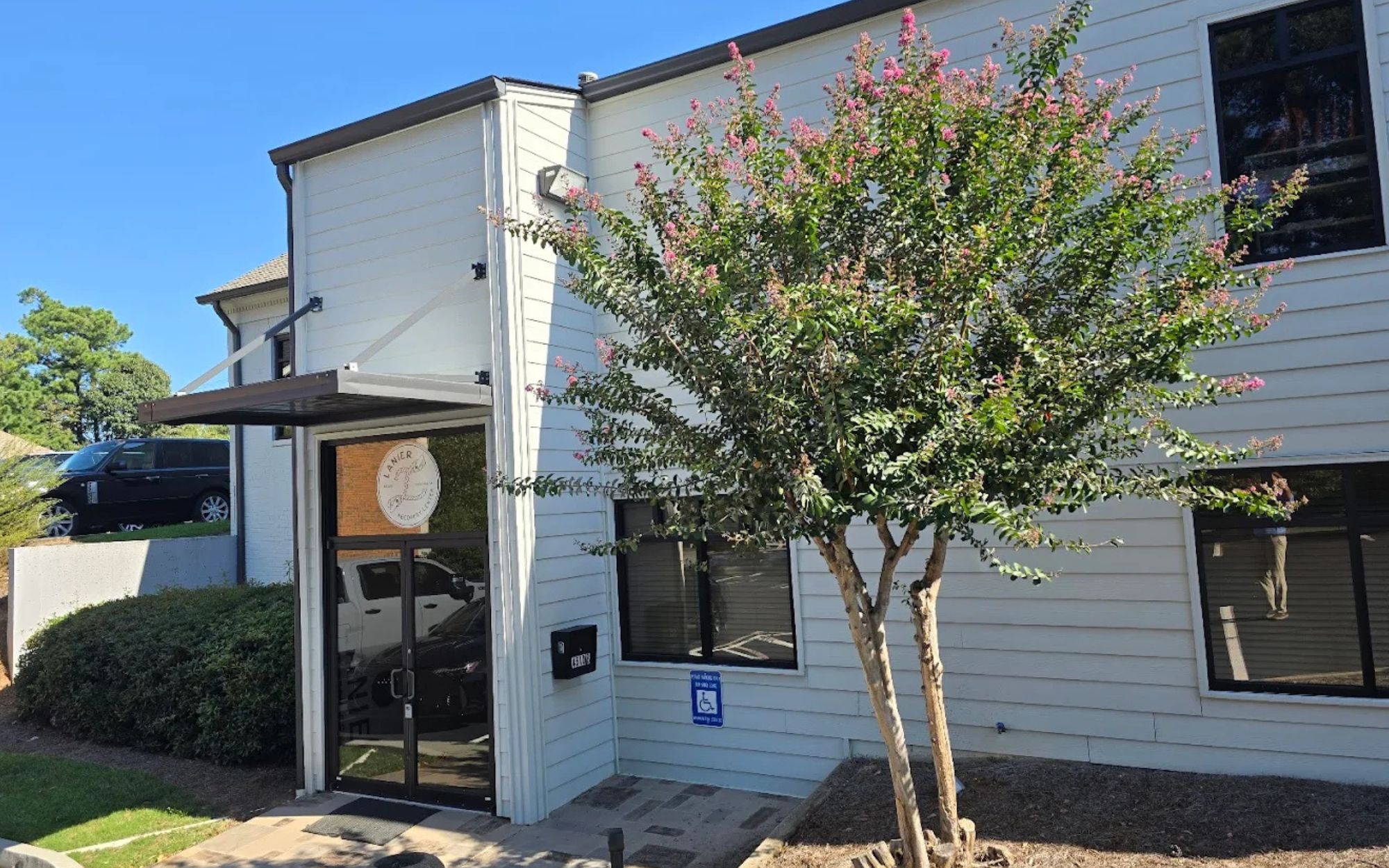
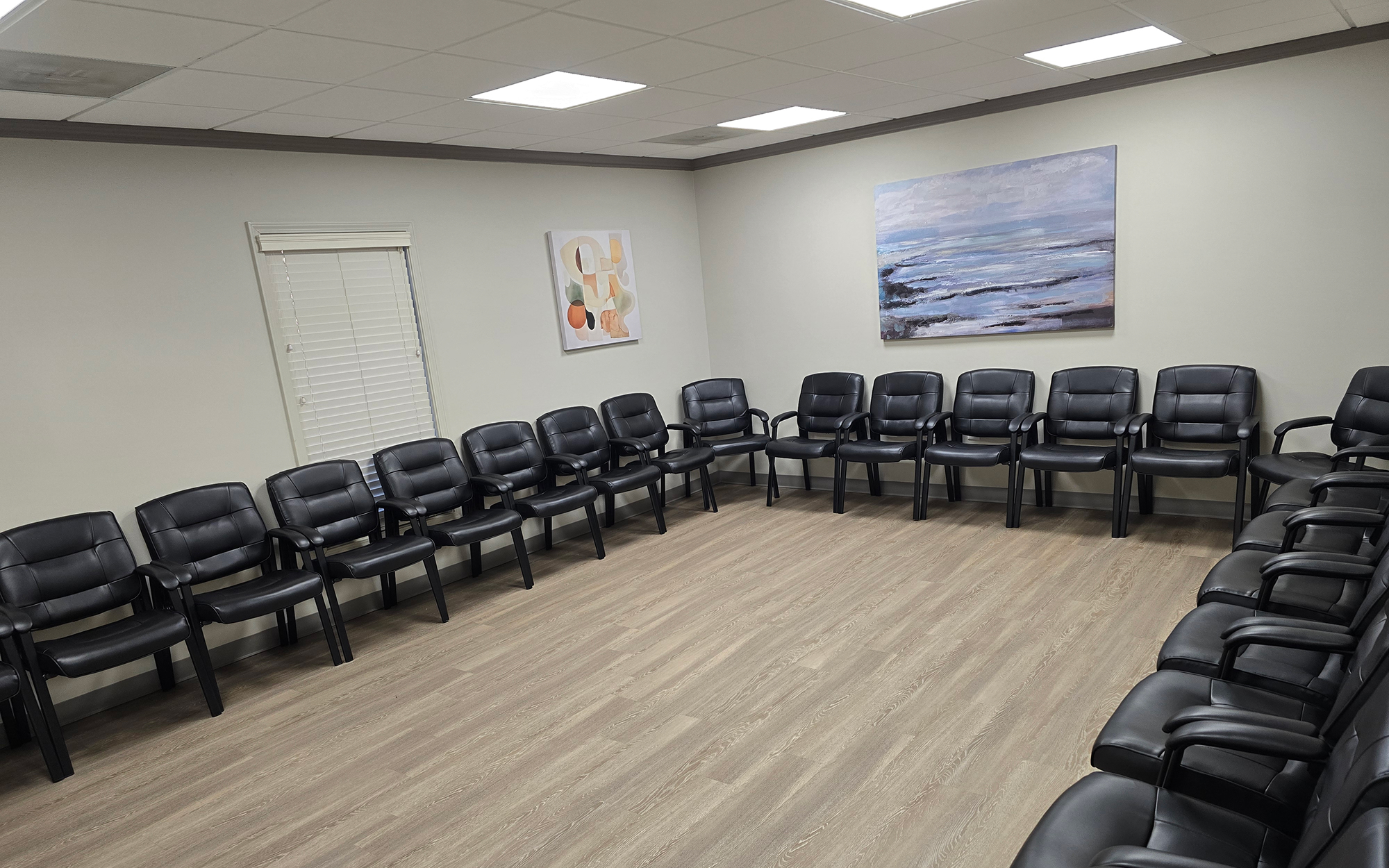
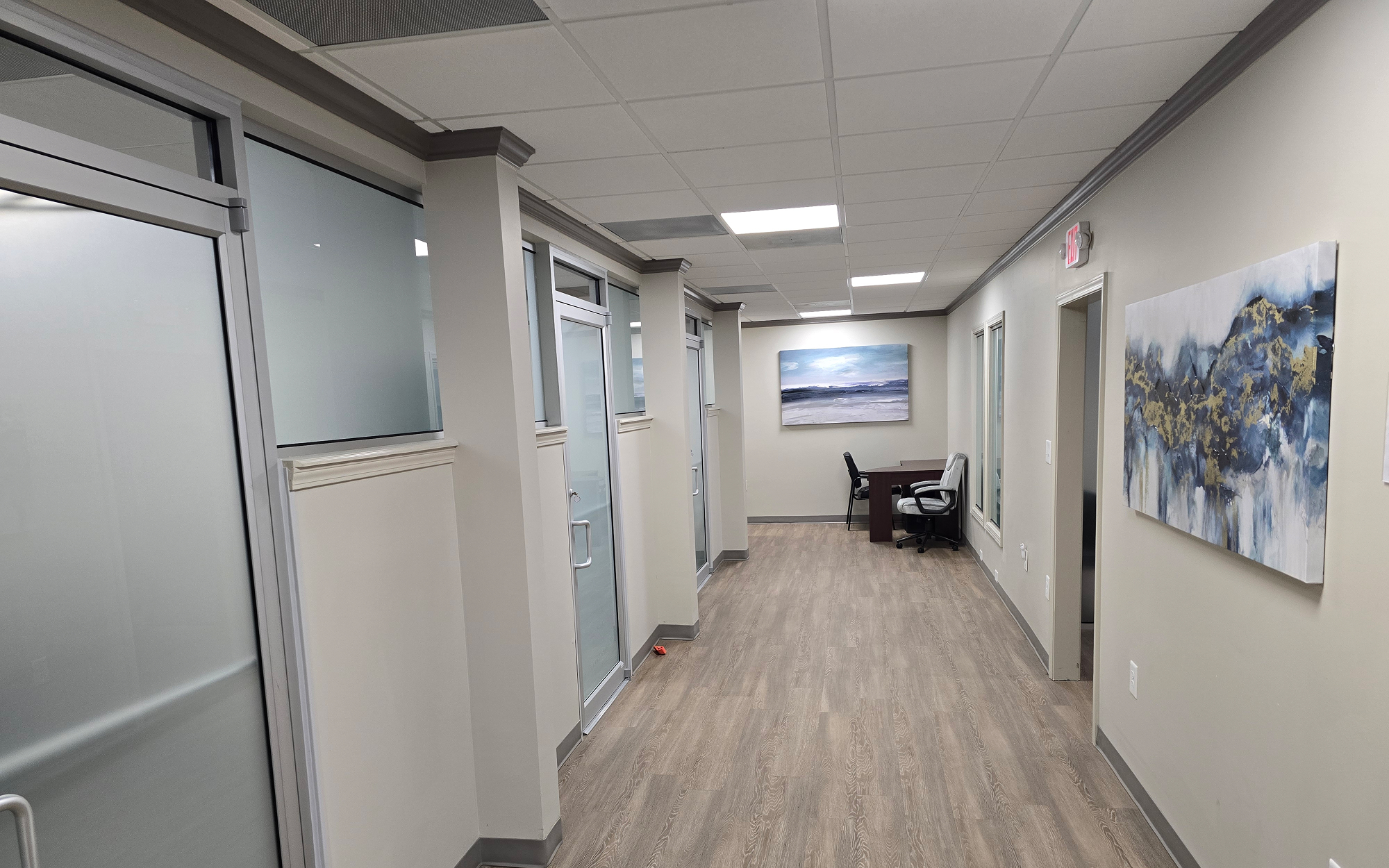
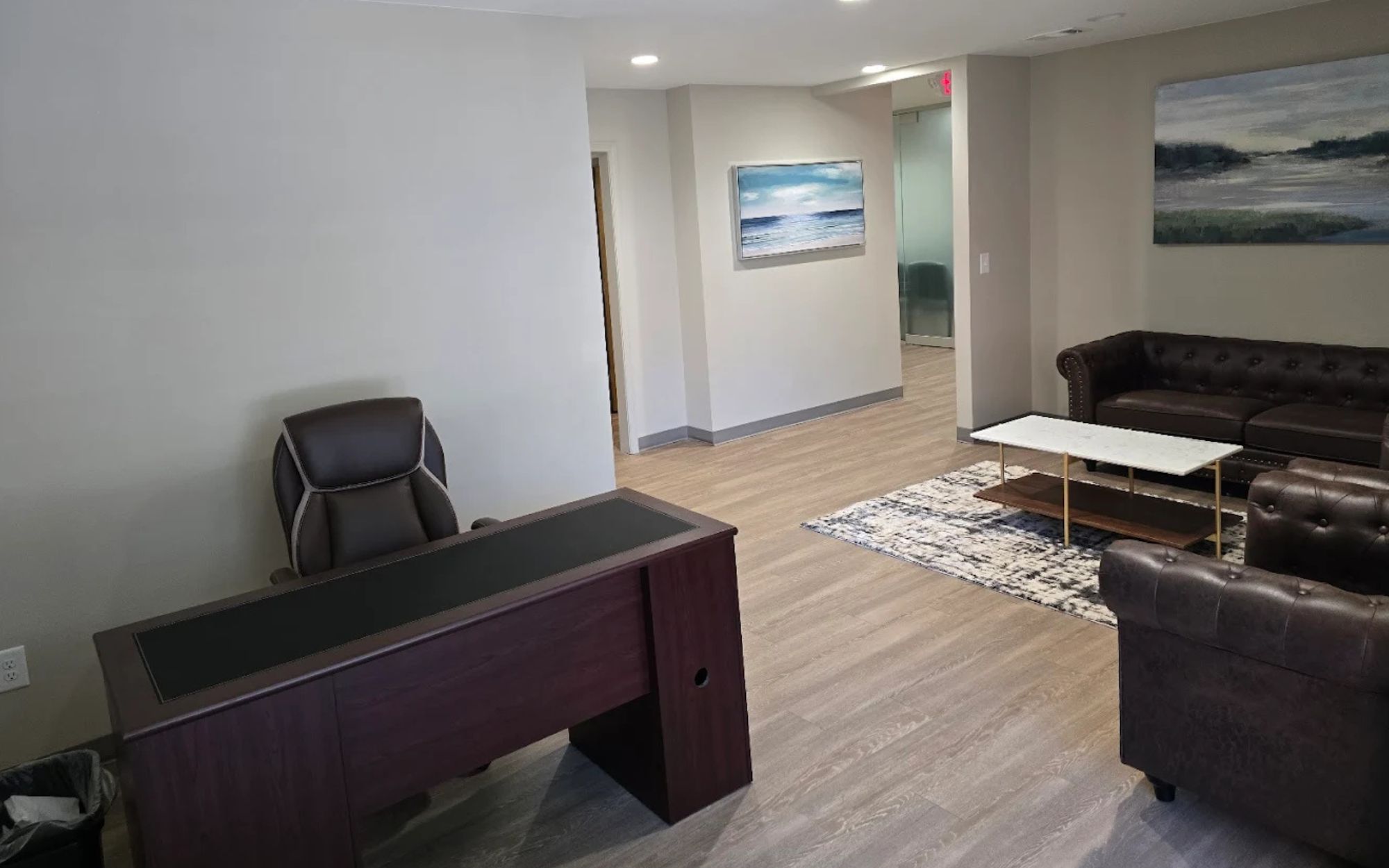
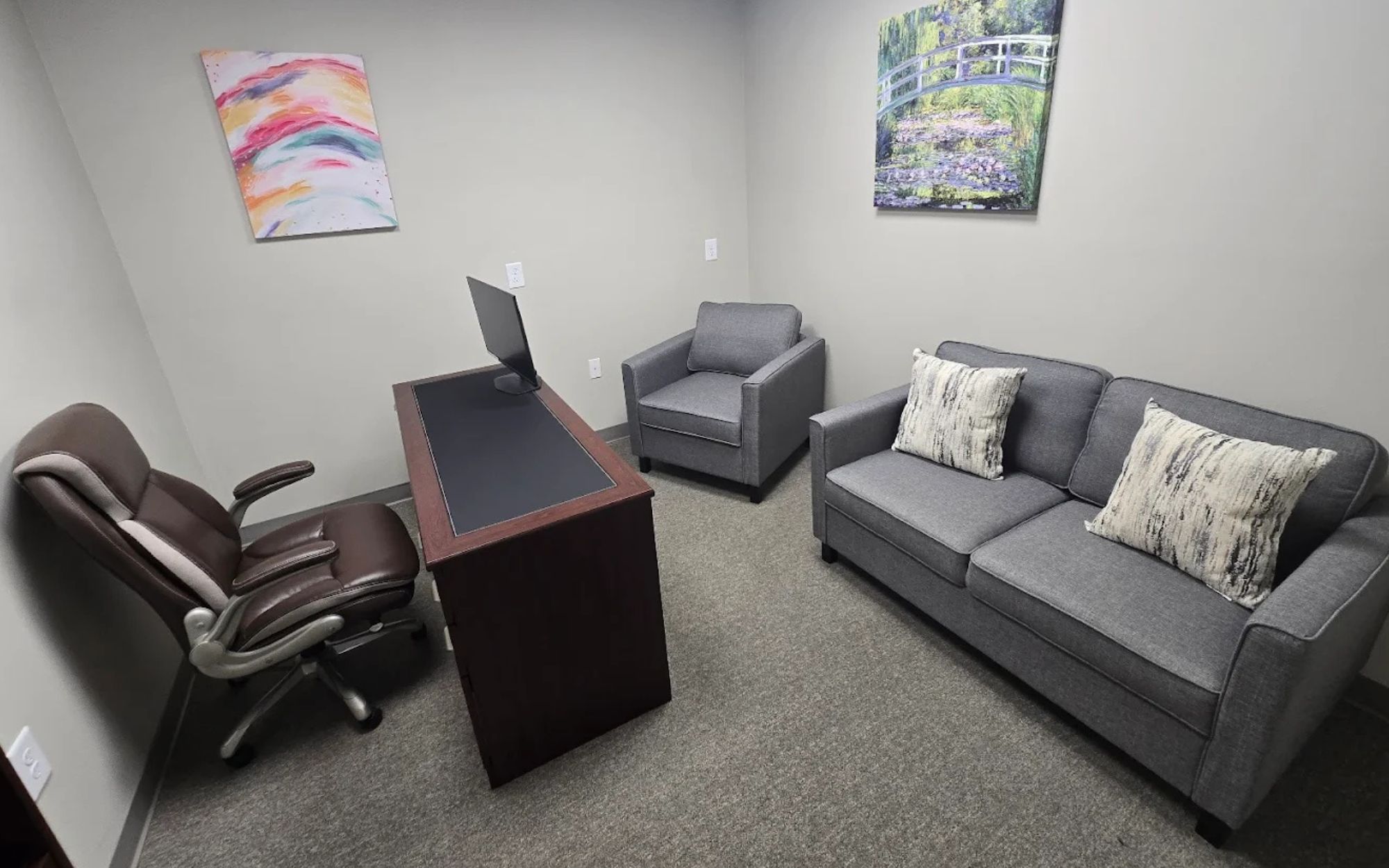
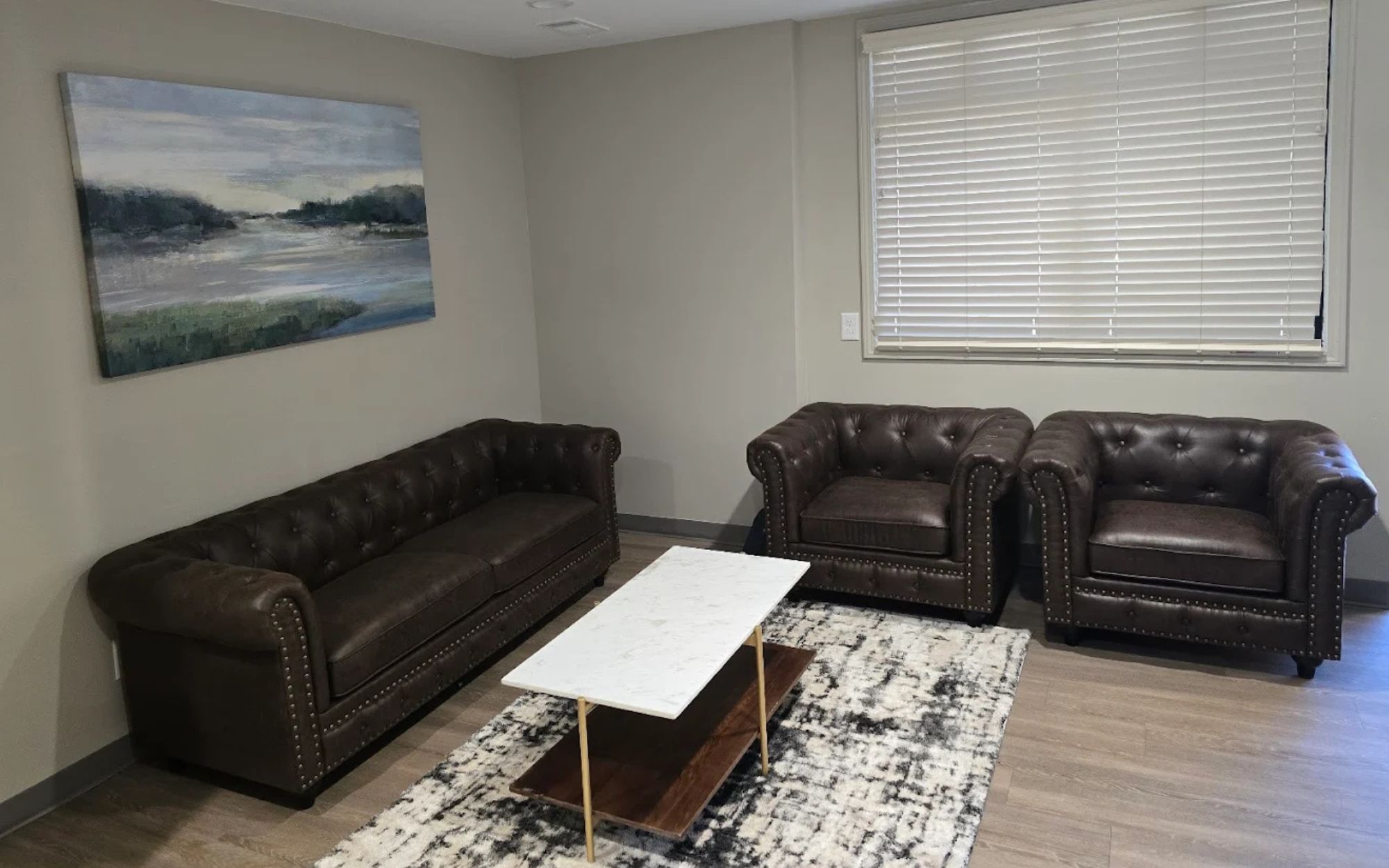
Check out our facility in Atlanta, GA

Discover why our programs are top rated today. Talk with our admissions team about the right treatment plan to bring lasting recovery.

Physical symptoms of benzodiazepine dependence

One of the most challenging aspects of overcoming benzodiazepine addiction is the withdrawal process. Facing benzo detox and withdrawal alone can be dangerous and extremely difficult, which is why medical supervision is so critical. Withdrawal symptoms can occur when someone stops taking benzodiazepines abruptly or without professional help, and the severity of symptoms can vary based on the duration of use, dosage, and individual health factors. Common withdrawal symptoms include:

  • Intense anxiety and panic attacks
  • Insomnia and sleep disturbances
  • Tremors and muscle spasms
  • Sweating and heart palpitations
  • Nausea and vomiting
  • Headaches and dizziness
  • Cognitive impairment and confusion
  • Irritability and mood instability
  • Depression
  • Seizures (in severe cases)
  • Even death in extreme cases of unsupported withdrawal

With medical supervision, withdrawal symptoms can be better managed and discomfort significantly alleviated. Medical professionals can safely and gradually taper benzodiazepines while closely monitoring the patient’s condition throughout the detox process.

Successful withdrawal strategies combine gradual dosage reduction with psychological support, and that psychological support should remain available during the reduction period and for several months after cessation of benzo use. The fear of withdrawal is often one of the primary reasons a person continues taking benzodiazepines, but with the right professional help, recovery is absolutely possible.

The real cost of untreated benzo addiction on mental health

The consequences of untreated benzodiazepine addiction extend far beyond physical health. Long-term benzo use can lead to significant cognitive decline and memory issues, making it increasingly difficult for individuals to perform well at work, maintain meaningful relationships, or manage everyday responsibilities. Impaired judgment and cognitive impairment caused by prolonged benzodiazepine dependence can have cascading effects on every area of a person’s life.

The mental health toll is equally serious. Many individuals who struggle with benzo addiction also contend with co-occurring mental health conditions such as anxiety and depression. In fact, about 15% of those prescribed benzodiazepines develop an addiction, particularly individuals with co-occurring disorders. When both a substance use disorder and a mental health condition are left untreated simultaneously, each condition can fuel and worsen the other, making recovery significantly harder without professional intervention.

While used for muscle relaxation, benzodiazepine use is commonly at an increased risk for addiction due to the feelings it can illicit in users.

Long-term benzodiazepine addiction can cause serious social and economic harm as well. Relationships with family members and loved ones often deteriorate as the addiction takes hold. Financial instability, job loss, legal problems, and social isolation are all common negative consequences of untreated benzo use disorder.

Benzodiazepine addiction can damage the most meaningful parts of a person’s life, but with effective treatment, those areas of life can be rebuilt. Ongoing therapy, support groups, and a strong recovery community are all essential elements in preventing relapse and maintaining long-term wellness.

the help you need is here

Recovery starts here

If you or someone you love is struggling with substance use or other mental health issues, Lanier Recovery Center can help. Request a callback below to receive care and support you can trust.

"*" indicates required fields

How a comprehensive benzodiazepine addiction treatment center approaches recovery

Effective treatment for benzodiazepine addiction involves a combination of medical support, behavioral therapies, and counseling services tailored to each individual’s unique needs. Lanier Recovery Center specializes in outpatient services, and while we do not offer on-site detox or residential treatment, we can connect clients with trusted providers for those levels of care before transitioning to our programs. A full continuum of care for benzo addiction typically includes:

  • Detox. Medical detox is often the first step in treatment, providing a safe environment to manage withdrawal symptoms under medical supervision. Detox atlanta services allow medical professionals to gradually taper benzodiazepines and monitor patients closely throughout the process. Lanier Recovery Center does not provide detox on-site but can refer clients to appropriate facilities.
  • Inpatient treatment. For individuals who require round-the-clock inpatient care and structure during early recovery, inpatient rehab Atlanta provides an immersive, supportive environment focused on stabilization. Lanier does not offer residential treatment directly but can help connect clients with a trusted residential facility.
  • Partial hospitalization. A step down from inpatient care, PHP Atlanta offers intensive, structured programming during the day while allowing clients to return home in the evenings — an excellent option for those in early recovery who need significant support without full residential placement.
  • Intensive outpatient. The IOP Atlanta level of care provides structured group therapy, individual counseling, and skill-building sessions several times per week. Intensive outpatient programming is ideal for individuals balancing recovery with work, school, or family responsibilities, and it is one of the most effective and flexible options for treating benzo use disorder.
  • Outpatient care. General outpatient rehab atlanta ga services are designed for individuals who are transitioning from a higher level of care or whose needs do not require intensive daily programming. Outpatient services typically include individual counseling, group therapy, and support groups to help clients develop new skills and prevent relapse.
  • Dual diagnosis help. Because benzo addiction so frequently co-occurs with anxiety, depression, and other mental health conditions, dual diagnosis treatment in Atlanta is often an essential component of care. This approach addresses both the substance use disorder and any co-occurring mental health conditions simultaneously, producing more comprehensive and lasting outcomes.

Evidence-based and holistic therapies

Behavioral therapies such as cognitive behavioral therapy Atlanta (CBT) play a central role in benzo addiction treatment, helping individuals understand their addiction triggers, challenge negative thought patterns, and develop healthier coping strategies. Medication-assisted treatment (MAT programs in Georgia) is also a highly effective method for treating benzodiazepine addiction, often used in combination with therapy to reduce cravings and support stabilization. Art therapy, family support, and peer support groups such as Narcotics Anonymous (NA) can all further strengthen a person’s recovery by providing encouragement, accountability, and community throughout the healing process.

After completing a formal treatment program, aftercare support, including alumni programs, sober housing, and continued counseling services, is essential for maintaining recovery and significantly increasing the chances of long-term sobriety. Recovery from benzodiazepine addiction is a journey, but with the right treatment center behind you, it is one you do not have to take alone.

Georgia addiction treatment center

How to begin your recovery journey

We know beginning treatment can feel intimidating, so we’ve made the process simple and stress-free.

1

Get in touch
with us

Call or complete our contact form to connect with an admissions specialist who takes the time to listen and understand your situation.

2

Complete an assessment
& insurance review

Our team will review your history, discuss your needs, and confirm insurance coverage or explore self-pay options to make things easy.
3

Start your
treatment

Begin a personalized program built around your goals, supported by evidence-based care and a compassionate clinical team.

What sets lanier recovery center apart

Our approach to addiction and mental health treatment is built on comprehensive care, compassionate support, and individualized recovery paths that lead to lasting change.

Depth

We go beyond surface-level treatment to address the root causes of addiction and mental health challenges for lasting healing.

Support

Our compassionate team provides steady guidance, encouragement, and care at every stage of the recovery journey.

Strength

Through personalized therapy and skill-building, we help individuals rediscover confidence and inner resilience.

Accountability

We create structured support systems that promote responsibility, consistency, and long-term recovery success.

Aftercare

Our aftercare planning and alumni support ensure continued connection and stability long after treatment ends.

Flexibility

We offer adaptable treatment options that fit real-life responsibilities while maintaining consistent, high-quality care.

Lanier Recovery Center can help you
We understand that getting help for addiction can be challenging. Start with a free addiction assessment today.

Frequently asked questions

Yes, there is a strong connection between benzo addiction and co-occurring mental health conditions such as anxiety and depression. Many individuals are initially prescribed benzodiazepines to manage these conditions, and over time develop a dependence. Treating both the addiction and any underlying mental health conditions together is critical to achieving lasting recovery.

Individuals struggling with benzo abuse may engage in a range of risky behaviors, including obtaining drugs through illegal means, visiting multiple doctors to secure additional prescriptions, combining benzodiazepines with opioids or other substances, and driving or operating machinery while impaired. These behaviors increase the risk of overdose, legal consequences, and serious health problems.

The duration of benzodiazepine addiction treatment can vary based on individual needs and the severity of the addiction. A comprehensive treatment program may last anywhere from a few weeks to several months. Factors such as the length of benzo use, co-occurring disorders, and a person’s support system all play a role in determining the appropriate length and intensity of treatment.

Lanier Recovery Center’s top values

Every treatment will be uniquely tailored to you, because you’re unique.

Sober living

Our team is 100% sober, including from Alcohol. We help our clients achieve sobriety and stick to it through thick and thin, because sobriety is the foundation of a fulfilling life.

Integrity

Our team is 100% sober, including from Alcohol. We help our clients achieve sobriety and stick to it through thick and thin, because sobriety is the foundation of a fulfilling life.

Everyone belongs

Our team is 100% sober, including from Alcohol. We help our clients achieve sobriety and stick to it through thick and thin, because sobriety is the foundation of a fulfilling life.

Limitless potential

Our team is 100% sober, including from Alcohol. We help our clients achieve sobriety and stick to it through thick and thin, because sobriety is the foundation of a fulfilling life.

Begin your recovery from benzodiazepine addiction with Lanier Recovery Center

At Lanier Recovery Center, our compassionate team of nurse practitioners, licensed therapists, and clinical staff work together to create individualized treatment plans that address the whole person, helping clients build the foundation needed for long-term recovery from benzodiazepine addiction.

Contact us online or call us at (470) 470-5697 to begin the insurance verification process and speak with our admissions team about the right program for you. Take the first step toward lasting recovery today.

If you’re looking for more information, connect with our team by phone, email, or through our online form. We’re here to answer your questions, talk through your options, and support you as you begin your path toward lasting recovery.

Sources

National Institute on Drug Abuse. (2022). Benzodiazepines and opioids. National Institute on Drug Abuse.

‌Liu, S. (2021). Trends in Nonfatal and Fatal Overdoses Involving Benzodiazepines — 38 States and the District of Columbia, 2019–2020. MMWR. Morbidity and Mortality Weekly Report, 70(34).

we are here for you

Get the help you need today.

Together, we can help you build a brighter future of wellness.

Free & easy insurance check

alliant
care source
multiplan
united healthcare
cigna
beacon
bluecross
tricare

Request a confidential call

"*" indicates required fields

This field is for validation purposes and should be left unchanged.
Preferred method*
Get Treatment For All Your Healthcare Needs

Other what we treat

Request A Confidential Call

Request a call and a Lanier Recovery Center team member will be in touch.

"*" indicates required fields