Request a call to speak with an admissions specialist. We are here to help you.

"*" indicates required fields

Family therapy Atlanta GA

Addiction rarely stays contained to the person using. It reshapes how a household communicates, who takes on which responsibilities, and how safe everyone feels at home. Family therapy Atlanta programs treat those strained relationships as part of recovery itself, giving you and your loved ones concrete tools to rebuild trust, set boundaries, and talk without blame. Recovery tends to last longer when the people closest to the client heal alongside them, not just the individual in a treatment room. Knowing how family involvement works, and what to expect, helps you decide whether this kind of care fits your situation.
Free Insurance Check

Free & Confidential | HIPAA Compliant | No Obligation

"*" indicates required fields

1
2
3
4
This field is for validation purposes and should be left unchanged.
Family therapy Atlanta hinges on the importance of surrounding yourself with trusted individuals during recovery.

Understanding Atlanta family therapy services

Addiction rarely affects only the person using substances. It can change communication, responsibilities, trust, and the overall rhythm of a household. Within our broader alcohol and drug rehab Atlanta GA approach, family therapy helps clients and loved ones work through those relationship patterns together instead of treating recovery as an individual issue only.

Family therapy Atlanta focuses on how people interact day to day, including how conflict develops, where boundaries have weakened, and which roles family members may have taken on in response to addiction. The goal is not to assign blame. It is to help the family system become more stable, supportive, and better equipped for recovery.

According to the National Library of Medicine, family counseling approaches can support healthier communication, clearer boundaries, and stronger problem-solving within families affected by substance use. Using a biopsychosocial perspective, clinicians can also help loved ones understand how addiction affects behavior, emotions, health, and relationships, giving the family a more complete framework for healing.
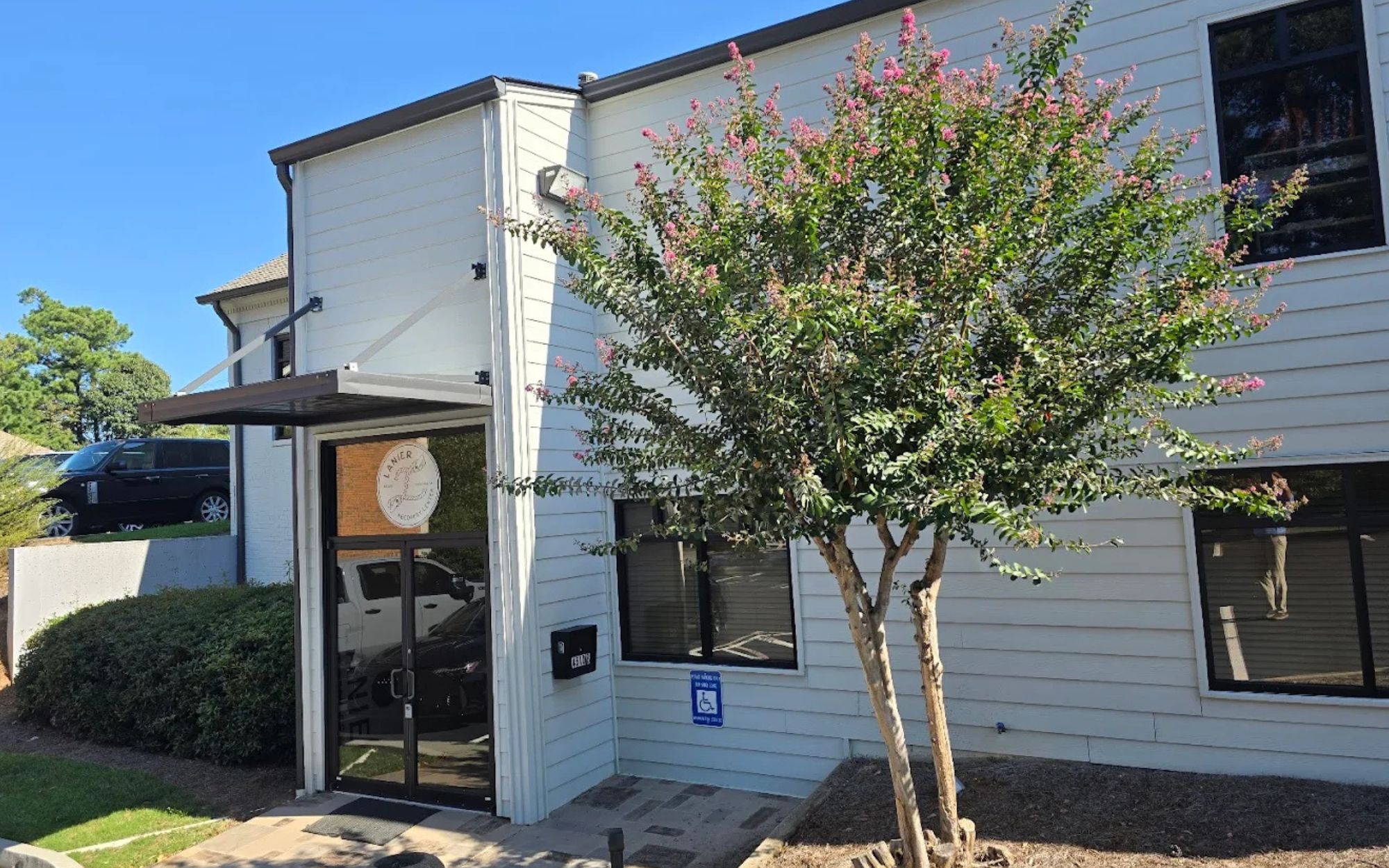
Table of Contents

Signs your family may benefit from therapy

Family strain does not always arrive as one major crisis. More often, it builds through repeated arguments, communication issues, shifting responsibilities, and attempts to manage one personโ€™s substance use. Family counseling can be useful when those patterns begin affecting the emotional well-being of the entire family unit.

Signs that it may be time to attend family therapy include:

  • Communication keeps breaking down. Conversations regularly end in arguments, blame, avoidance, or silence.
  • Boundaries have become unclear. Family members may hide consequences, manage another personโ€™s responsibilities, or struggle to set healthy boundaries.
  • The household revolves around substance use. Money, medications, schedules, and major life decisions may increasingly center on preventing or responding to a crisis.
  • Family members are struggling emotionally. Anxiety, exhaustion, resentment, grief, or other mental health challenges may begin affecting everyday life.
  • Relationships feel harder to maintain. Partners, parents, siblings, or children may withdraw from one another or struggle to rebuild trust after repeated conflict.
  • A major life transition is adding pressure. Divorce, changes in living arrangements, treatment entry, or other life transitions can expose existing family issues and make new skills especially important.

How family therapy can help mental health issues

Our family therapists use a collaborative approach to help loved ones understand the family dynamic rather than assigning blame to one person. Family therapy sessions can provide a safe space to practice improving communication, reduce conflict, and build healthier ways of responding to difficult situations.

Family therapy can also become an integral component of a broader treatment plan when substance use overlaps with trauma, anxiety, bipolar disorder, or other mental health concerns. Depending on the familyโ€™s needs, counseling may complement individual care, group therapy, or other specialized therapies. The goal is not to create a perfect family. It is to help each person understand their role, strengthen relationships, and develop practical skills the family can continue using at home and throughout recovery.

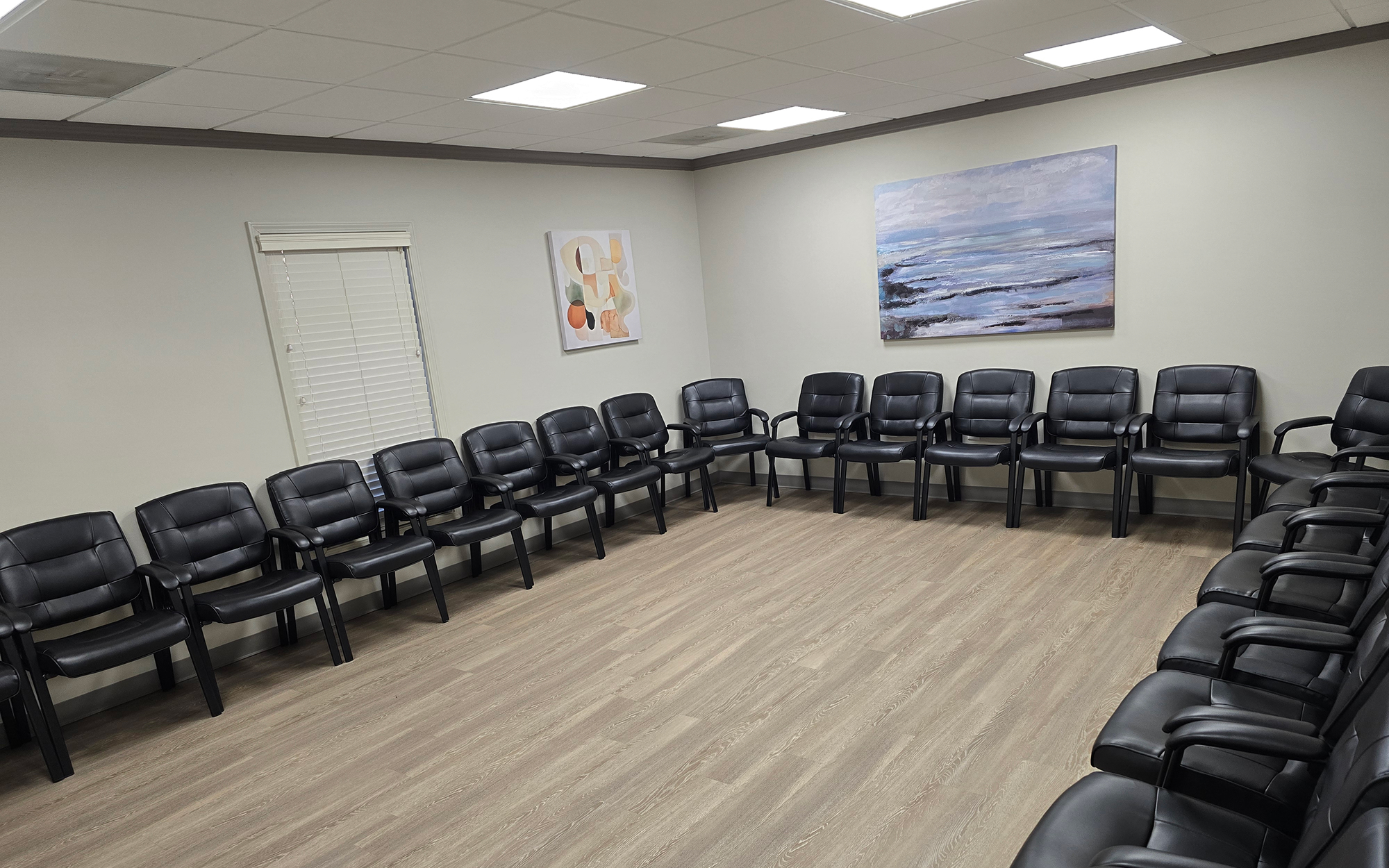
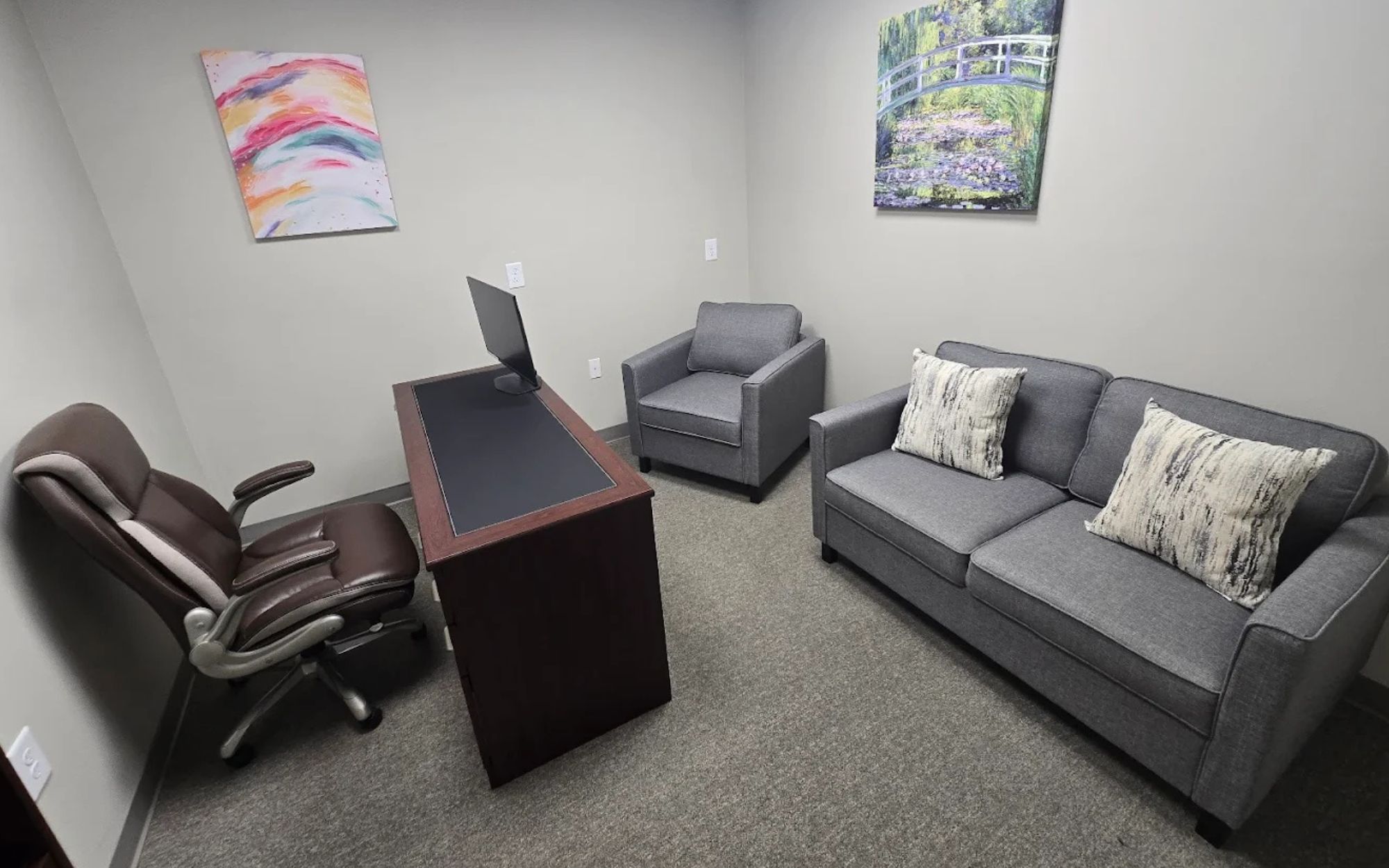
Check out our facility in Atlanta, GA

Discover why our programs are top rated today. Talk with our admissions team about the right treatment plan to bring lasting recovery.

The role of family therapy Atlanta in addiction recovery

Family therapy Atlanta can make loved ones active participants in recovery without asking them to become clinicians. Addiction often changes family communication, boundaries, routines, and emotional well-being, so addressing those patterns can strengthen the environment a client returns to between treatment sessions.

Research shows that family involvement can improve treatment engagement, communication, and problem-solving. Families may use sessions to:

  • Reduce conflict and improve family communication.
  • Learn how addiction and mental health issues can affect behavior.
  • Set healthier boundaries without withdrawing support.
  • Identify patterns that may unintentionally reinforce substance use.
  • Build practical ways to respond to cravings, stress, and relapse risk.
  • Strengthen relationships while protecting each personโ€™s emotional well-being.

The goal is not to make every disagreement disappear. Family counseling helps the family unit develop new skills for navigating challenges together.

Combining family counseling and individual therapy

Family therapy and individual therapy address different parts of the treatment process. Our individual therapy Atlanta services give clients private space to explore trauma, mental health concerns, triggers, and personal patterns. Family sessions bring those insights into the relationships where many everyday challenges actually unfold.

Type of therapy Primary focus How it supports recovery
Individual therapy Personal triggers, trauma, coping, and mental health Helps the client understand and change individual patterns
Family therapy Communication, boundaries, trust, and family dynamics Helps loved ones build a healthier and more supportive home environment

Evidence-based approaches can reinforce both sides of that work. For example, cognitive behavioral therapy Atlanta can help clients identify automatic thought patterns and reactive behaviors, while DBT-informed skills may support emotional regulation and high-conflict situations.

Research from the National Institutes of Health also supports involving families in substance use treatment, particularly when the goal is stronger engagement and sustained participation. The exact format should still reflect the clientโ€™s needs, family structure, mental health issues, and readiness to participate.

How family therapy fits into our outpatient programs

At Lanier Recovery Center, our family therapy can complement different stages of outpatient treatment. A client who needs more structure may participate in our PHP Atlanta services, move into our IOP Atlanta program as stability grows, and later continue through outpatient rehab Atlanta GA.

Family needs can shift alongside that progression:

  • Early treatment. Education, crisis reduction, and understanding how addiction affects the family dynamic.
  • Growing stability. Improving communication, rebuilding trust, and practicing healthy boundaries.
  • Longer-term recovery. Relapse-prevention planning, maintaining new routines, and supporting independence without slipping into control.

For clients experiencing depression, anxiety, trauma, or other co-occurring mental health issues, our dual diagnosis treatment Atlanta approach can help connect substance use treatment with broader behavioral health needs. Family members can learn how to recognize concerning changes, respond supportively, and understand when professional help may be needed.

Because our programs are outpatient, many clients continue living at home or in another supportive environment while attending treatment. That gives families opportunities to practice what they learn in real situations and bring new challenges back into future sessions.

the help you need is here

Recovery starts here

If you or someone you love is struggling with substance use or other mental health issues, Lanier Recovery Center can help. Request a callback below to receive care and support you can trust.

"*" indicates required fields

Who can attend family therapy sessions?

Family therapy sessions are not limited to spouses or parents. Depending on the treatment plan, family sessions may involve partners, adult children, siblings, caregivers, or other people who play an important role in the clientโ€™s daily life. In some situations, involving the whole family can help everyone understand how substance use and mental health issues have affected the household differently.

Our family therapists can adapt the conversation to each personโ€™s role, emotional well-being, and readiness to participate. Evidence-based family counseling may also account for cultural values, community ties, and spiritual beliefs when those factors are important to the family.

Research suggests that people who participate in treatment with meaningful family involvement may show stronger engagement and consistency than those navigating recovery without that support. The goal is not to bring every relative into every session. It is to identify the people whose involvement can help the family navigate recovery in a healthier, more coordinated way.

Georgia addiction treatment center

How to begin your recovery journey

We know beginning treatment can feel intimidating, so weโ€™ve made the process simple and stress-free.

1

Get in touch
with us

Call or complete our contact form to connect with an admissions specialist who takes the time to listen and understand your situation.

2

Complete an assessment
& insurance review

Our team will review your history, discuss your needs, and confirm insurance coverage or explore self-pay options to make things easy.
3

Start your
treatment

Begin a personalized program built around your goals, supported by evidence-based care and a compassionate clinical team.

Family roles, patterns, and healthier responses

Families often develop coping roles long before treatment begins. One person may take over responsibilities, another may shield a loved one from consequences, and someone else may withdraw to avoid conflict. These patterns usually begin as attempts to keep the household stable, but over time they can add stress and make healthy communication harder.

Family therapy can help each person recognize the role they have fallen into and practice a more sustainable response. The work may include:

  • Replacing enabling with supportive accountability.
  • Setting boundaries without using them as punishment.
  • Improving communication during stressful conversations.
  • Sharing responsibilities more evenly.
  • Recognizing when fear, resentment, or exhaustion is driving a reaction.
  • Building healthier ways to respond to setbacks in recovery.

The goal is not to assign blame. It is to help the family create a steadier environment where the client can recover and loved ones can protect their own well-being.

What loved ones can gain from family therapy

Family therapy can benefit the people surrounding the person in recovery as well. Parents, partners, siblings, and other loved ones may gain a clearer understanding of addiction, more confidence setting limits, and practical language for difficult conversations.

Sessions can also give family members space to address their own grief, anger, fear, or exhaustion. As those concerns are acknowledged, loved ones can become more consistent sources of support without feeling responsible for controlling another personโ€™s recovery.

What sets lanier recovery center apart

Our approach to addiction and mental health treatment is built on comprehensive care, compassionate support, and individualized recovery paths that lead to lasting change.

Depth

We go beyond surface-level treatment to address the root causes of addiction and mental health challenges for lasting healing.

Support

Our compassionate team provides steady guidance, encouragement, and care at every stage of the recovery journey.

Strength

Through personalized therapy and skill-building, we help individuals rediscover confidence and inner resilience.

Accountability

We create structured support systems that promote responsibility, consistency, and long-term recovery success.

Aftercare

Our aftercare planning and alumni support ensure continued connection and stability long after treatment ends.

Flexibility

We offer adaptable treatment options that fit real-life responsibilities while maintaining consistent, high-quality care.

Lanier Recovery Center can help you
We understand that getting help for addiction can be challenging. Start with a free addiction assessment today.

Frequently asked questions

Get answers to commonly asked questions.

Family therapists help clients and loved ones recognize patterns involving communication, trust, boundaries, conflict, and changing family roles. In addiction recovery, sessions can also help family members understand substance use and practice healthier ways of responding to setbacks. The goal is not to decide who is at fault, but to give everyone practical skills for navigating recovery together.

Substance use and mental health concerns often affect relationships throughout the household. Family therapy can help loved ones understand symptoms, communicate more effectively, and distinguish supportive behavior from attempts to control another personโ€™s recovery. When mental health conditions occur alongside addiction, family involvement can complement the clientโ€™s individual treatment plan while supporting healthier relationships at home.

Family sessions are structured around the needs and goals identified in treatment. A therapist may guide conversations about recent challenges, teach communication or problem-solving skills, address boundaries, and help family members practice responding differently to conflict. Session length and frequency vary according to the clinical approach, treatment plan, and familyโ€™s needs rather than following one universal schedule.

Family therapy can support emotional well-being by giving loved ones a structured place to address fear, anger, grief, resentment, or exhaustion. Instead of allowing these emotions to drive conflict, families can learn healthier ways to communicate and solve problems. Research also suggests that meaningful family involvement can improve engagement in substance use treatment, although individual outcomes vary.

Evidence-based family approaches may complement individual treatment when bipolar disorders or other mental health conditions affect the family system. Techniques informed by CBT, DBT, and other established approaches can help families strengthen communication, recognize concerning changes, and respond more effectively to emotional or interpersonal challenges. Family therapy does not replace psychiatric or individual clinical care for bipolar disorder, but it can help loved ones understand how to provide appropriate support.

Lanier Recovery Centerโ€™s top values

Every treatment will be uniquely tailored to you, because youโ€™re unique.

Sober living

Our team is 100% sober, including from Alcohol. We help our clients achieve sobriety and stick to it through thick and thin, because sobriety is the foundation of a fulfilling life.

Integrity

Our team is 100% sober, including from Alcohol. We help our clients achieve sobriety and stick to it through thick and thin, because sobriety is the foundation of a fulfilling life.

Everyone belongs

Our team is 100% sober, including from Alcohol. We help our clients achieve sobriety and stick to it through thick and thin, because sobriety is the foundation of a fulfilling life.

Limitless potential

Our team is 100% sober, including from Alcohol. We help our clients achieve sobriety and stick to it through thick and thin, because sobriety is the foundation of a fulfilling life.

Taking the next step with Lanier Recovery Center

Learning how family therapy fits into treatment can make the next step feel more manageable. At Lanier Recovery Center, our admissions team can explain how family involvement may fit within our outpatient programs, answer questions about scheduling and participation, and review your insurance benefits before treatment begins.

For families throughout Suwanee, Lawrenceville, Gwinnett County, and the greater North Atlanta area, our goal is to make the process clear and practical from the beginning. If you are ready to discuss how our family therapy and outpatient services may support your loved one, contact us by calling (470) 470-5697. Our team can answer your questions, review insurance coverage, and help you understand the next steps toward treatment.

If youโ€™re looking for more information, connect with our team by phone, email, or through our online form. Weโ€™re here to answer your questions, talk through your options, and support you as you begin your path toward lasting recovery.

Sources

Hogue, A. (April 14, 2021). Family Involvement in Treatment and Recovery for Substance Use Disorders Among Transition-Age Youth. PMC.

National Library of Medicine. (n.d.). Chapter 3โ€”Family Counseling Approaches. National Library of Medicine.

we are here for you

Get the help you need today.

Together, we can help you build a brighter future of wellness.

Free & easy insurance check

alliant
care source
multiplan
united healthcare
cigna
beacon
bluecross
tricare

Request a confidential call

"*" indicates required fields

This field is for validation purposes and should be left unchanged.
Preferred method*
Get Treatment For All Your Healthcare Needs

Other how we treat

Request A Confidential Call

Request a call and a Lanier Recovery Center team member will be in touch.

"*" indicates required fields