
Request a call to speak with an admissions specialist. We are here to help you.

"*" indicates required fields

Xanax addiction treatment: signs, risks, and how to seek Xanax addiction treatment

The medication that was supposed to bring you peace from anxiety might now be the very source of it, leaving you caught in an exhausting cycle you never expected. If you’re feeling lost or ashamed about how Xanax has woven itself into your daily life, you’re not alone, and it’s not your fault. By shining a gentle light on why dependence happens and how your brain and body get tangled up in it, we can start to untangle those knots together. With the right support and a plan rooted in real compassion and proven care, it’s possible to find your way back to yourself. At Lanier Recovery Center, individuals are guided through a structured, compassionate process designed to support both physical and mental health while addressing the underlying causes of substance use disorders.
Free Insurance Check

Free & Confidential | HIPPA Compliant | No Obligation

"*" indicates required fields

1
2
3
4
This field is for validation purposes and should be left unchanged.
White pills scattered on a yellow background.

What is Xanax and why do people seek treatment?

Xanax, known generically as alprazolam, is one of the most commonly prescribed medications for anxiety disorders and panic disorders. It belongs to a class of drugs called benzodiazepines, which work by calming activity in the central nervous system. This medication enhances the effects of a neurotransmitter called GABA, which helps slow brain activity. The result is a rapid sense of calm, often described as relief from anxiety symptoms or panic attacks. Because of its fast-acting nature, Xanax is frequently used for short-term management of severe anxiety.

However, this same mechanism is what makes Xanax addictive. Tolerance can begin to develop within days or weeks of regular use. As the brain adjusts, individuals may need higher doses to achieve the same calming effects. Over time, this can lead to physical dependence, where the body relies on the drug to function normally. Even individuals who follow their healthcare provider instructions can become physically dependent, which is why many people eventually need structured support at a Xanax addiction treatment center to safely stop using the medication and restore balance in the nervous system.
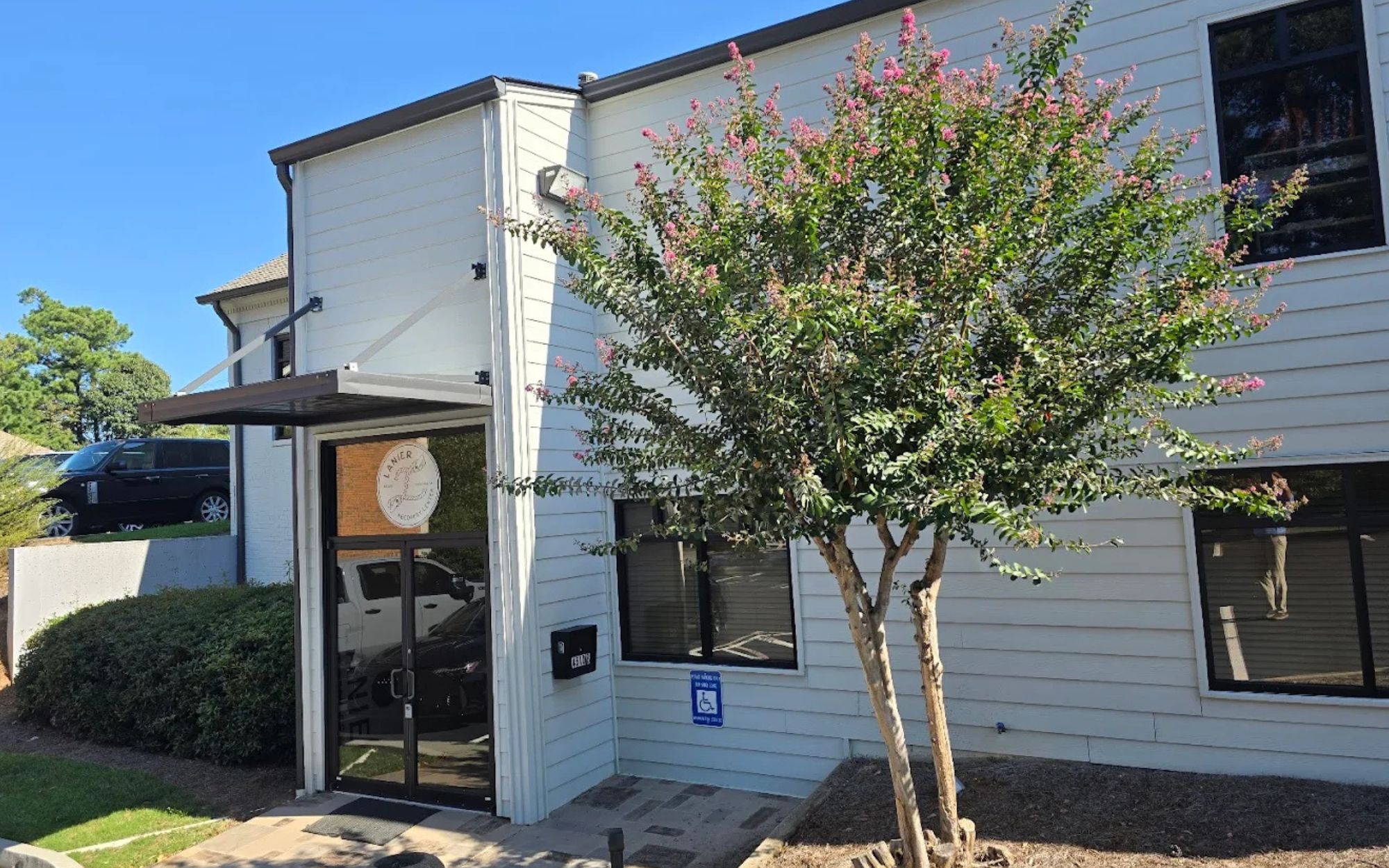
Table of Contents

Signs of Xanax addiction and mental health changes

Recognizing Xanax addiction early can make a meaningful difference in treatment outcomes. The signs often develop gradually and can affect physical, emotional, and behavioral health.

Physical and psychological symptoms

Xanax misuse can impact both physical and mental health in noticeable ways. Common symptoms include:

  • Excessive drowsiness or sedation
  • Slurred speech and slowed reactions
  • Memory problems or confusion
  • Poor coordination and impaired motor skills
  • Increased anxiety when doses are missed
  • Emotional instability and mood swings

These symptoms often reflect how the drug affects the central nervous system. Over time, individuals may feel unable to function without Xanax, reinforcing the cycle of dependence.

Behavioral changes and risk patterns

Behavioral shifts are often the most visible signs of Xanax addiction. These may include:

  • Drug-seeking behavior, such as requesting early refills or visiting multiple doctors
  • Social isolation and withdrawal from family members
  • Declining work or academic performance
  • Neglecting responsibilities or daily routines
  • Financial strain related to obtaining the medication

These changes are not character flaws. They are symptoms of a condition that affects both brain chemistry and behavior. Many individuals with Xanax dependence also experience co-occurring disorders, including depression treatment Atlanta, anxiety treatment Atlanta, or PTSD treatment Atlanta, which further complicates recovery without integrated care.

The risks of Xanax addiction and long-term effects

Long-term Xanax use can significantly affect both physical and mental health. As tolerance develops, individuals often increase their dosage, which raises the risk of overdose and other serious complications. One of the most serious dangers is mixing Xanax with other substances. Combining it with alcohol or opioids can suppress breathing and lead to life-threatening outcomes.

In addition to overdose risk, long-term misuse may lead to:

  • Cognitive impairment and memory loss
  • Emotional instability and increased anxiety
  • Reduced ability to regulate stress
  • Worsening mental health disorders
  • Decline in overall quality of life

The brain adapts to the presence of Xanax by reducing its natural production of calming chemicals. This creates a cycle where individuals feel physically dependent on the drug just to maintain normal functioning. Without proper intervention, this cycle can continue to intensify, making professional support at a structured treatment center essential for breaking the pattern and beginning recovery.

Check out our facility in Atlanta, GA

Discover why our programs are top rated today. Talk with our admissions team about the right treatment plan to bring lasting recovery.

Xanax withdrawal symptoms and the need for medical detox

Stopping Xanax abruptly can be extremely dangerous. Withdrawal symptoms can begin within 6 to 12 hours after the last dose and may range from uncomfortable to life-threatening. This is why detox Atlanta is often the first and most critical step in the treatment process.

Common withdrawal symptoms include:

  • Intense rebound anxiety and panic attacks
  • Insomnia and restlessness
  • Tremors and physical discomfort
  • Nausea and heightened sensitivity
  • Seizures or severe neurological reactions

A structured detox process involves medical supervision, where healthcare professionals monitor vital signs and gradually taper the medication. This approach, often referred to as medically assisted detox, helps reduce the severity of withdrawal symptoms and lowers the risk of complications. Attempting to quit without support significantly increases the likelihood of relapse and serious health risks. A safe, controlled detox environment provides stability during one of the most physically challenging phases of recovery.

the help you need is here

Recovery starts here

If you or someone you love is struggling with substance use or other mental health issues, Lanier Recovery Center can help. Request a callback below to receive care and support you can trust.

"*" indicates required fields

Treatment options for Xanax addiction and long-term recovery

Detox alone does not address the full scope of Xanax addiction. Effective Xanax addiction treatment in Georgia requires a comprehensive approach that focuses on both physical dependence and underlying mental health conditions.

Residential treatment and structured care

Inpatient rehab Atlanta offers a stable and supportive environment with 24-hour care, allowing individuals to step away from triggers and focus fully on recovery. Residential treatment is especially beneficial for those experiencing co-occurring disorders or significant emotional instability. Programs typically include individual therapy sessions, group therapy and peer support, medication management when appropriate, structured daily routines, and relapse prevention planning.

Outpatient treatment and ongoing support

After stabilization, many individuals transition into outpatient care. Options such as Outpatient rehab Atlanta GA and IOP Atlanta provide flexible scheduling, continued therapy sessions, skill-building for daily life, and ongoing recovery support. Outpatient programs play a critical role in relapse prevention by helping individuals apply healthy coping mechanisms in real-world environments while maintaining work, school, or family responsibilities.

Treating mental health and co-occurring disorders

Many individuals seeking treatment for Xanax addiction are also managing underlying mental health disorders such as anxiety, depression, or trauma-related conditions. Integrated care through our Dual diagnosis treatment Atlanta program focuses on treating both substance use and mental health simultaneously, which improves long-term recovery outcomes by addressing the root causes of addiction. Therapeutic approaches may include Cognitive behavioral therapy Atlanta, DBT therapy Atlanta, Trauma therapy Atlanta, and psychiatric assessments and medication support through our Psychiatric services Atlanta team.

Relapse prevention and building healthy coping strategies

Recovery does not end after treatment. Maintaining progress requires ongoing support, structure, and intentional lifestyle changes. Relapse prevention strategies often include developing healthy coping mechanisms for stress, participating in support groups, maintaining consistent therapy sessions, and building a stable routine and support system. Our Alumni program for addiction provides continued guidance and emotional support as individuals transition back into daily life.

Family members also play an important role. Involving loved ones in the recovery journey through family therapy Atlanta can strengthen communication, rebuild trust, and provide additional support during challenging moments.

Georgia addiction treatment center

How to begin your recovery journey

We know beginning treatment can feel intimidating, so we’ve made the process simple and stress-free.

1

Get in touch
with us

Call or complete our contact form to connect with an admissions specialist who takes the time to listen and understand your situation.

2

Complete an assessment
& insurance review

Our team will review your history, discuss your needs, and confirm insurance coverage or explore self-pay options to make things easy.
3

Start your
treatment

Begin a personalized program built around your goals, supported by evidence-based care and a compassionate clinical team.

What sets lanier recovery center apart

Our approach to addiction and mental health treatment is built on comprehensive care, compassionate support, and individualized recovery paths that lead to lasting change.

Depth

We go beyond surface-level treatment to address the root causes of addiction and mental health challenges for lasting healing.

Support

Our compassionate team provides steady guidance, encouragement, and care at every stage of the recovery journey.

Strength

Through personalized therapy and skill-building, we help individuals rediscover confidence and inner resilience.

Accountability

We create structured support systems that promote responsibility, consistency, and long-term recovery success.

Aftercare

Our aftercare planning and alumni support ensure continued connection and stability long after treatment ends.

Flexibility

We offer adaptable treatment options that fit real-life responsibilities while maintaining consistent, high-quality care.

Lanier Recovery Center can help you
We understand that getting help for addiction can be challenging. Start with a free addiction assessment today.

Frequently asked questions

Xanax addiction treatment is a structured clinical process designed to help individuals safely stop using Xanax and address the underlying causes of dependence. At Lanier Recovery Center, treatment begins with medically supervised detox to manage withdrawal safely, followed by residential or outpatient care depending on individual needs. Therapy, medication support, and relapse prevention planning are all core components of a comprehensive treatment plan.

Yes. Stopping Xanax abruptly without medical supervision can be life-threatening. Withdrawal symptoms including seizures, severe anxiety, and tremors can begin within hours of the last dose. A medically supervised detox program provides a safe, structured environment where healthcare professionals can monitor your health and gradually taper the medication to minimize risk.

If you have noticed that you need increasing amounts of Xanax to feel the same effect, experience anxiety or physical symptoms when you miss a dose, have tried to stop and been unable to, or find that Xanax use is affecting your relationships, work, or daily functioning, these are signs that professional support may be needed. Our admissions team can help you assess your situation and determine the right level of care.

Yes. Many individuals seeking treatment for Xanax addiction are also managing anxiety disorders, depression, PTSD, or other mental health conditions. Our dual diagnosis program is specifically designed to treat both substance use and co-occurring mental health disorders at the same time. Addressing both together leads to significantly better long-term outcomes than treating them separately.

Many major insurance providers cover addiction treatment, including detox, residential care, and outpatient programs. Our admissions team will verify your benefits and walk you through exactly what is covered before you begin. You can visit our admissions page for a full list of accepted insurance providers, or call us directly at (470) 470-5697 to speak with a coordinator.

Lanier Recovery Center’s top values

Every treatment will be uniquely tailored to you, because you’re unique.

Sober living

Our team is 100% sober, including from Alcohol. We help our clients achieve sobriety and stick to it through thick and thin, because sobriety is the foundation of a fulfilling life.

Integrity

Our team is 100% sober, including from Alcohol. We help our clients achieve sobriety and stick to it through thick and thin, because sobriety is the foundation of a fulfilling life.

Everyone belongs

Our team is 100% sober, including from Alcohol. We help our clients achieve sobriety and stick to it through thick and thin, because sobriety is the foundation of a fulfilling life.

Limitless potential

Our team is 100% sober, including from Alcohol. We help our clients achieve sobriety and stick to it through thick and thin, because sobriety is the foundation of a fulfilling life.

Begin Xanax Addiction Treatment at Lanier Recovery Center

Seeking help can feel like a significant step, especially when dealing with anxiety and substance use at the same time. As a dedicated Xanax addiction treatment center in Georgia, Lanier Recovery Center offers a full continuum of care that includes detox, residential treatment, and outpatient programs. Each treatment plan is tailored to the individual, taking into account physical health, mental health, and personal goals.

We encourage you to contact our admissions team to see how our care options align with your specific needs. Call our staff today at (470) 470-5697 to verify your insurance benefits and schedule an initial clinical assessment.

If you’re looking for more information, connect with our team by phone, email, or through our online form. We’re here to answer your questions, talk through your options, and support you as you begin your path toward lasting recovery.

Sources

NYU Langone Health. Phase 2 study of alprazolam. NYU Langone Health.

StatPearls Publishing. (February 28, 2024). Gaba receptor positive allosteric modulators. StatPearls.

National Center for Biotechnology Information. (January 11, 2020). Tolerance and dependence following chronic alprazolam treatment. PMC.

National Institutes of Health. A review of alprazolam use, misuse, and withdrawal. PMC.

Centers for Disease Control and Prevention. (August 27, 2021). Trends in nonfatal and fatal overdoses involving benzodiazepines. Morbidity and Mortality Weekly Report.

National Institute on Drug Abuse. (August 21, 2024). Drug overdose deaths: facts and figures. National Institute on Drug Abuse.

National Library of Medicine. Cognitive effects of long-term benzodiazepine use: a meta-analysis. PubMed.

Georgia Department of Public Health. Drug surveillance. Georgia Department of Public Health.

National Institutes of Health. Doctor shopping: a phenomenon of many themes. PMC.

Oregon Health & Science University. (June 2, 2022). Dependence on Xanax, similar sedatives lead OHSU physicians to coin new diagnosis. OHSU News.

National Library of Medicine. (February 21, 2011). Benzodiazepine withdrawal seizures and management. PubMed.

National Institutes of Health. (March 19, 2021). A retrospective review of morbidity and mortality associated with benzodiazepine withdrawal. PMC.

National Center for Biotechnology Information. (January 1, 2003). Physical detoxification services for withdrawal from specific substances. NCBI Bookshelf.

National Institutes of Health. (May 11, 2015). Psychosocial interventions for benzodiazepine harmful use, abuse or dependence. PMC.

National Institutes of Health. (February 25, 2021). Does cognitive behavioral therapy for anxiety disorders assist in achieving benzodiazepine discontinuation?. PMC.

Substance Abuse and Mental Health Services Administration. National helpline for mental health, drug, alcohol issues. SAMHSA.

National Institutes of Health. (May 31, 2023). Are we practicing what we preach? Family partnership in therapeutic residential care. PMC.

National Institutes of Health. (January 25, 2023). Nature-based therapy in individuals with mental health disorders or social needs requiring a residential stay. PMC.

National Institutes of Health. (June 10, 2019). Nature-based interventions for improving health and wellbeing. PMC.

we are here for you

Get the help you need today.

Together, we can help you build a brighter future of wellness.

Free & easy insurance check

alliant
care source
multiplan
united healthcare
cigna
beacon
bluecross
tricare

Request a confidential call

"*" indicates required fields

This field is for validation purposes and should be left unchanged.
Preferred method*
Get Treatment For All Your Healthcare Needs

Other what we treat

Request A Confidential Call

Request a call and a Lanier Recovery Center team member will be in touch.

"*" indicates required fields