Request a call to speak with an admissions specialist. We are here to help you.

"*" indicates required fields

Individual therapy Atlanta GA

Individual therapy Atlanta gives you a private, one-on-one setting to address addiction with a trained professional whose only focus is your recovery. Instead of splitting attention across a group, every session centers on your triggers, your history, and the goals you set for yourself. At Lanier Recovery Center, this focused counseling is paired with practical, research-backed methods that help you understand what drives substance use and build the skills to move past it. The result is a confidential space where real change becomes possible, one honest conversation at a time.
Free Insurance Check

Free & Confidential | HIPAA Compliant | No Obligation

"*" indicates required fields

1
2
3
4
This field is for validation purposes and should be left unchanged.
individual therapy Atlanta

What is individual therapy for addiction treatment?

Individual therapy offers a private, one-on-one setting where clients can examine the thoughts, emotions, past experiences, and daily-life pressures connected to substance use. At Lanier Recovery Center, our outpatient rehab Atlanta GA approach includes individual counseling as part of a broader treatment plan, giving each person dedicated time with a licensed therapist to work on their specific goals, underlying issues, and recovery needs.

Unlike group therapy, where several people work toward common goals and learn through shared experience, individual therapy centers entirely on one person. That focused therapeutic relationship can make it easier to discuss grief, identity, major life transitions, harmful behaviors, trauma, or situations where someone may otherwise feel stuck.

Our therapists can draw from evidence-based frameworks such as CBT and DBT to help clients strengthen self-awareness, develop healthy coping skills, manage stress, and practice new responses to triggers. Research on evidence-based practices for substance use disorders supports tailoring behavioral interventions to the needs of the individual rather than relying on a single approach for everyone.
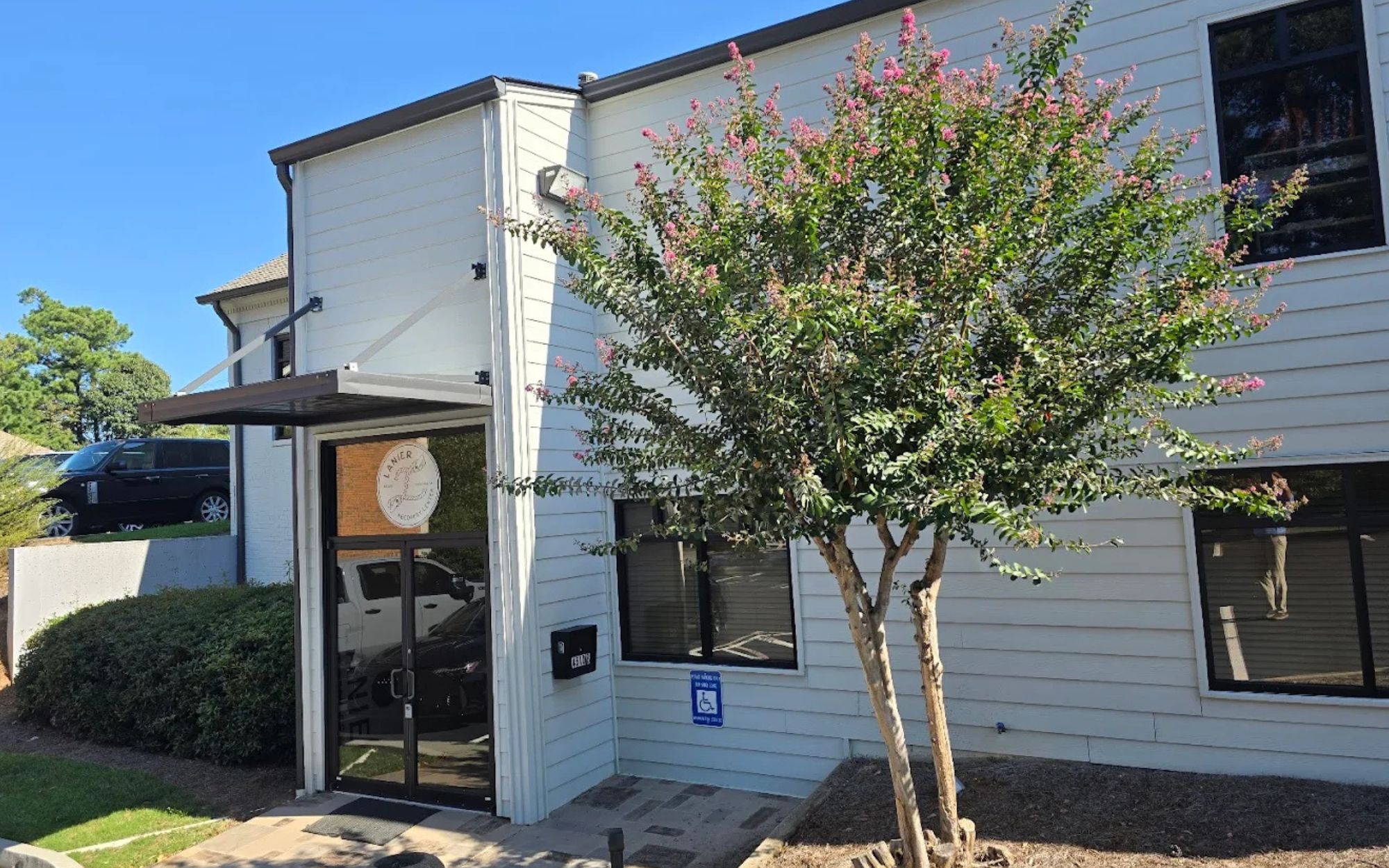
Table of Contents

What individual therapy can address

Because individual counseling is personalized, sessions can address substance use alongside the mental health concerns and life experiences that may influence it.

Areas of focus may include:

  • Alcohol, opioid, stimulant, or benzodiazepine use.
  • Anxiety, depression, and other mental health concerns.
  • Trauma and post-traumatic stress disorder.
  • Grief, loss, and major life transitions.
  • Relationship stress and family conflict.
  • Low self-esteem or difficulty with identity.
  • Cravings, relapse triggers, and harmful behaviors.
  • Difficulty managing emotions or stress in daily life.

Our alcohol treatment Atlanta services and other substance-specific care can incorporate individual therapy when appropriate. When substance use occurs alongside anxiety, depression, trauma, or another mental health condition, our dual diagnosis treatment Atlanta approach allows both concerns to be addressed within the same overall plan.

Trauma-focused and mental health support

For clients working through painful past experiences, trauma-focused therapy can provide a structured way to process trauma without allowing those experiences to control present behavior. Depending on clinical needs, a skilled therapist may use approaches that focus on emotional regulation, nervous-system responses, coping skills, and the connection between past experiences and current substance use.

Individual therapy may also complement our anxiety treatment Atlanta, depression treatment Atlanta, or PTSD treatment Atlanta services when those concerns affect recovery.

The goal is not simply to talk through problems over multiple sessions. Individual therapy helps clients understand patterns, practice new skills, build confidence, and make positive changes that support overall well-being and a stronger foundation for long-term recovery.

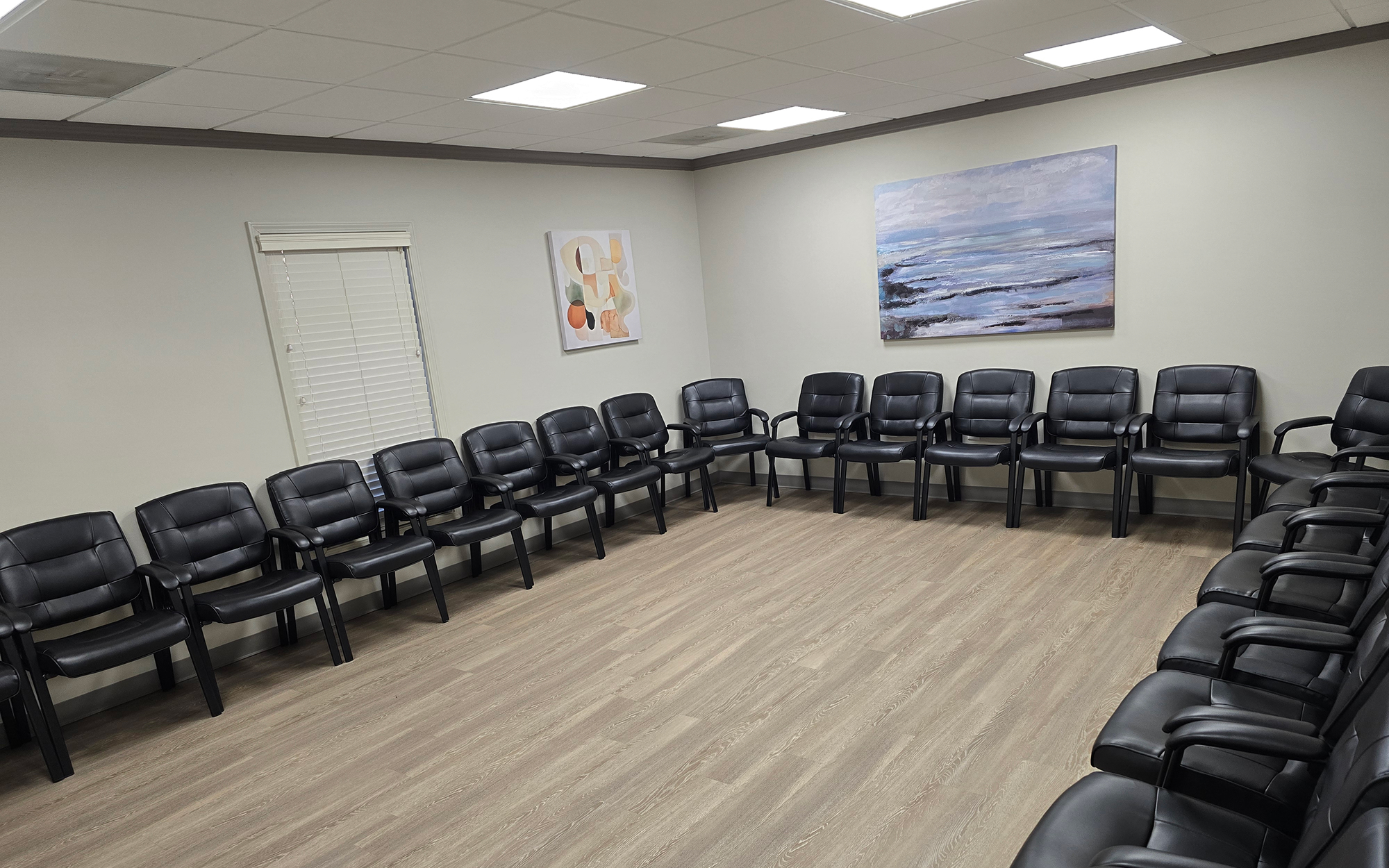
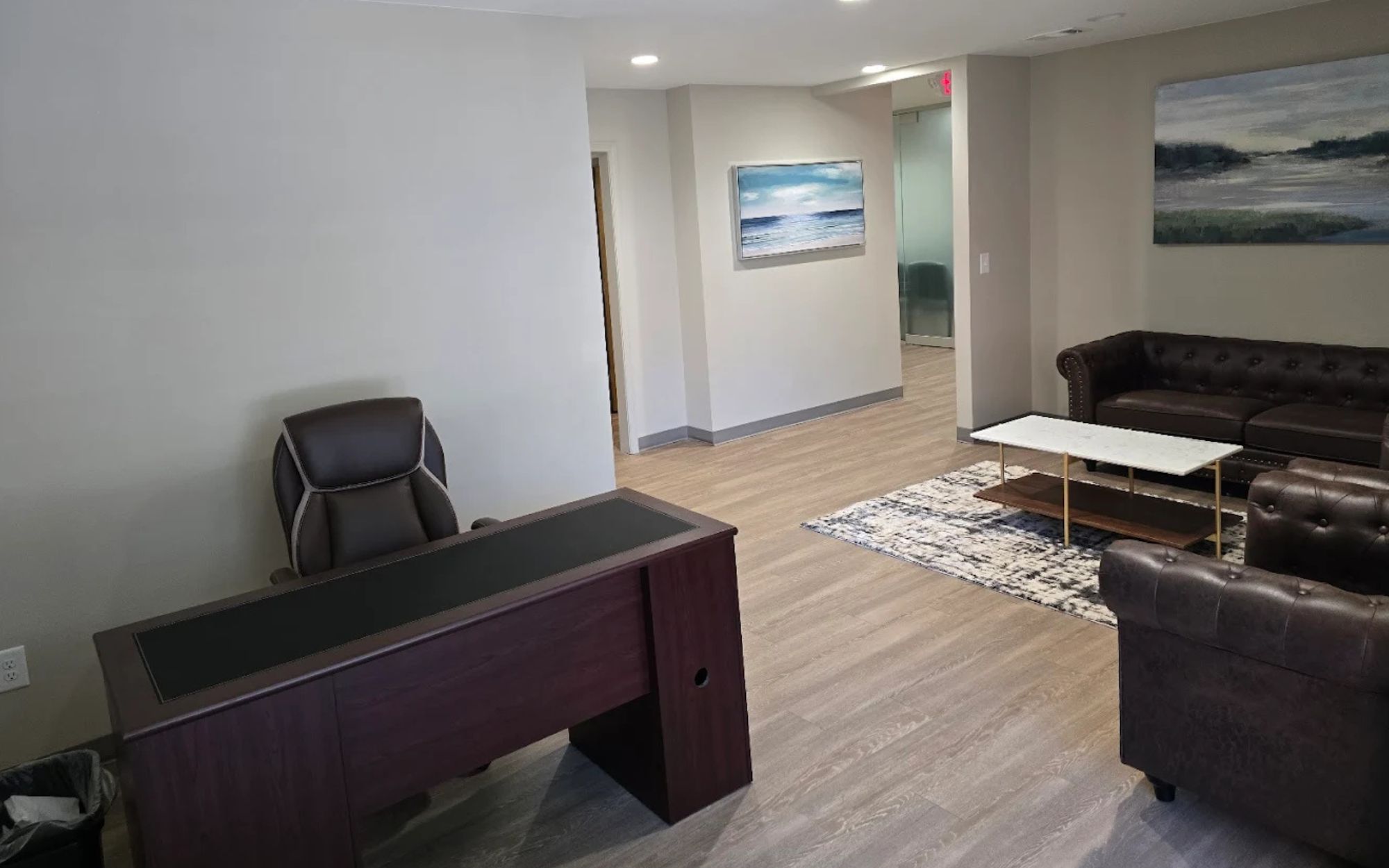
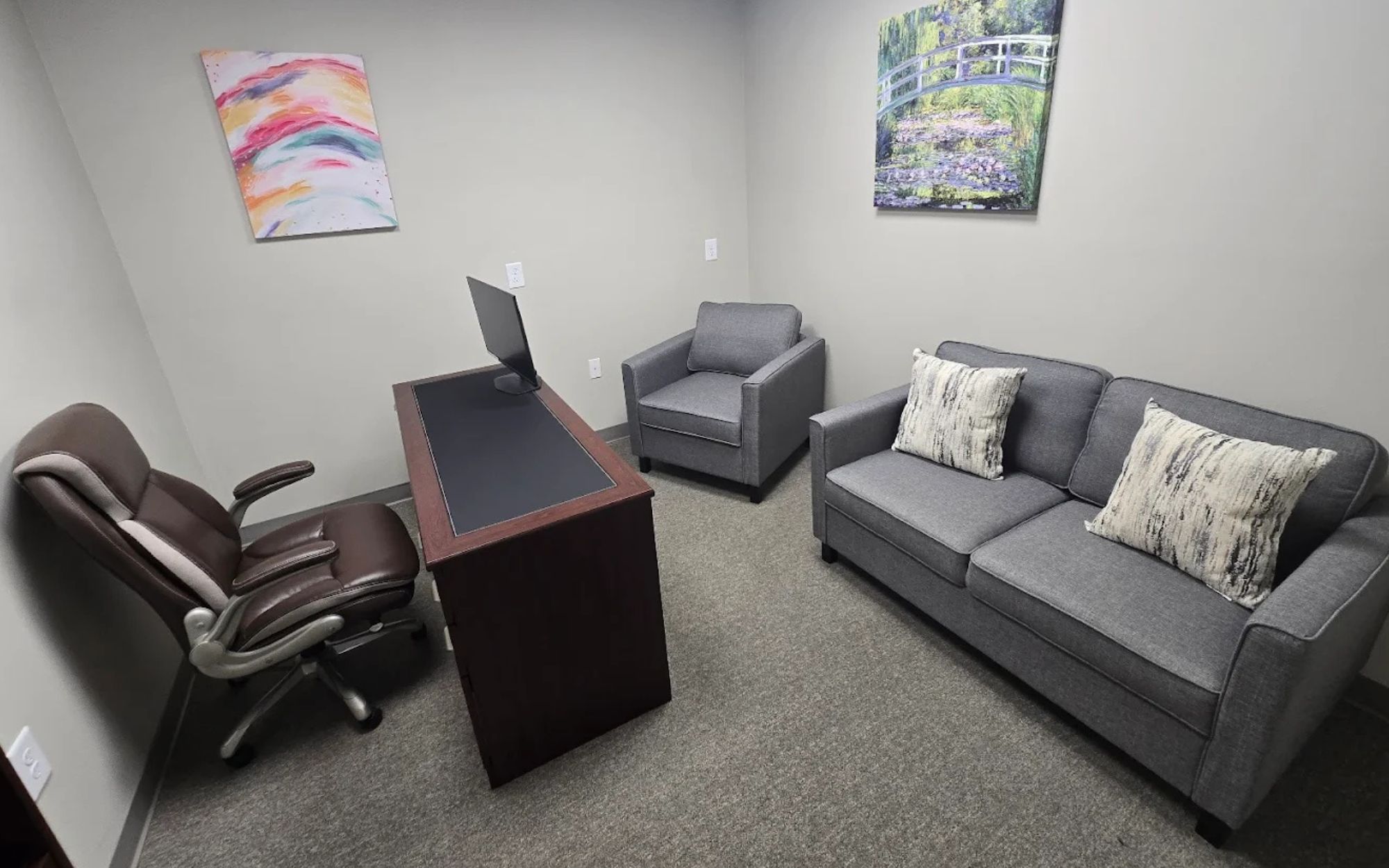
Check out our facility in Atlanta, GA

Discover why our programs are top rated today. Talk with our admissions team about the right treatment plan to bring lasting recovery.

How individual therapy works at Lanier Recovery Center

At Lanier Recovery Center, our individual therapy is part of a broader outpatient treatment plan built around the whole person. One-on-one sessions give clients a private space to work through substance use, mental health concerns, past experiences, and daily-life stressors with an experienced therapist.

Early therapy sessions usually focus on building the therapeutic relationship, understanding current concerns, and identifying goals. From there, the therapeutic approach can evolve as new patterns, triggers, or underlying issues become clearer.

Individual therapy may help clients:

  • Build self-awareness around thoughts, emotions, and behavior.
  • Develop healthier coping skills for stress and cravings.
  • Process trauma or difficult past experiences.
  • Work through grief, identity concerns, or major life transitions.
  • Recognize root causes connected to substance use.
  • Create practical strategies for meaningful change in daily life.

The first session is not about solving everything at once. It is about creating a safe space where the client and therapist can begin building a plan that supports personal growth and long-term recovery.

Evidence-based approaches used in individual therapy

Our therapists can draw from several evidence-based methods depending on the clientโ€™s needs and treatment goals.

Therapeutic approach Primary focus How it may support recovery
Cognitive behavioral therapy (CBT) Thoughts, beliefs, and behavior patterns Helps clients identify triggers and practice healthier responses
Dialectical behavior therapy (DBT) Emotional regulation and distress tolerance Builds skills for managing intense emotions, cravings, and interpersonal stress
Motivational interviewing (MI) Readiness and motivation for change Helps clients explore ambivalence and strengthen internal motivation
Trauma-focused therapy Past trauma and trauma-related responses Helps clients understand how painful experiences may influence current behavior

Individual therapy can also complement approaches such as EMDR when clinically appropriate. EMDR is a trauma-focused therapy used to help people reprocess distressing memories and reduce the intensity of trauma-related responses.
Our cognitive behavioral therapy Atlanta approach can be especially useful when automatic thoughts, harmful behaviors, or stress patterns contribute to substance use. DBT-informed work may also help clients manage emotional intensity and build more effective coping skills.

the help you need is here

Recovery starts here

If you or someone you love is struggling with substance use or other mental health issues, Lanier Recovery Center can help. Request a callback below to receive care and support you can trust.

"*" indicates required fields

Who can benefit from individual therapy?

Individual therapy can support adults and young adults working through substance use, mental health concerns, or major life changes. It may be especially useful for people who prefer the privacy of one-on-one work or who need space to explore issues that feel difficult to discuss in a group setting.

One-on-one sessions may be helpful for clients who are:

  • Managing anxiety, depression, or PTSD symptoms.
  • Working through trauma, grief, or relationship strain.
  • Navigating major life transitions.
  • Building confidence after repeated setbacks.
  • Learning to manage stress without substances.
  • Addressing patterns that feel difficult to change.
  • Balancing recovery with work, family, or other responsibilities.

Individual therapy also gives a licensed therapist time to adjust the focus as needs change. That flexibility can make it easier to address both immediate concerns and the deeper patterns that affect overall well-being.

How individual therapy fits into our outpatient programs

One-on-one counseling can complement several levels of outpatient care. At Lanier Recovery Center, we may incorporate individual therapy into ourย PHP Atlanta,ย IOP Atlanta, and standard outpatient services, depending on the clientโ€™s treatment plan.

Level of care Role of individual therapy
PHP Provides focused one-on-one support alongside a highly structured treatment schedule
IOP Helps clients work through personal triggers while balancing treatment with daily responsibilities
Outpatient Supports continued personal growth, relapse prevention, and long-term coping skills

A partial hospitalization program may provide more frequent clinical structure, while an intensive outpatient program allows clients to continue treatment while returning to work, school, or family responsibilities. Standard outpatient care can provide continued one-on-one support as stability grows.

Because our care is outpatient, clients can practice new coping strategies in real life between sessions and bring those experiences back into therapy. That feedback helps treatment stay practical, current, and connected to the challenges a client is actually facing.

Georgia addiction treatment center

How to begin your recovery journey

We know beginning treatment can feel intimidating, so weโ€™ve made the process simple and stress-free.

1

Get in touch
with us

Call or complete our contact form to connect with an admissions specialist who takes the time to listen and understand your situation.

2

Complete an assessment
& insurance review

Our team will review your history, discuss your needs, and confirm insurance coverage or explore self-pay options to make things easy.
3

Start your
treatment

Begin a personalized program built around your goals, supported by evidence-based care and a compassionate clinical team.

Individual counseling, group support, and mental health care

Individual counseling provides dedicated time with a licensed therapist to focus on concerns that may be difficult to explore around other people. In-person therapy can be particularly useful when someone wants privacy to discuss trauma, grief, relationships, identity, or patterns connected to substance use.

Group-based care serves a different purpose. Rather than replacing one-on-one work, it creates opportunities to practice communication, receive peer feedback, and learn alongside people facing similar challenges. A treatment plan may use both approaches so clients have private therapeutic support and opportunities for connection.

Confidentiality is an important part of individual mental health care, but it is not absolute. Therapists follow federal and state privacy requirements, with specific exceptions when disclosure is legally required. Our compassionate therapists can explain those boundaries so clients understand how their information is protected before discussing sensitive concerns.

Building lasting change through one-on-one work

Individual therapy is not only about understanding why substance use developed. It is also about practicing what comes next.

Over time, one-on-one work can help clients create:

  • A personal relapse-prevention plan.
  • Clear responses to high-risk situations.
  • Grounding and mindfulness techniques.
  • Healthier ways to manage stress.
  • Stronger communication and boundary-setting skills.
  • A clearer sense of identity and personal goals.

The value of individual counseling comes from applying those new skills outside the therapy room. As clients practice different responses to stress, conflict, cravings, and other challenges, therapy can support gradual, meaningful change rather than short-term insight alone.

What sets lanier recovery center apart

Our approach to addiction and mental health treatment is built on comprehensive care, compassionate support, and individualized recovery paths that lead to lasting change.

Depth

We go beyond surface-level treatment to address the root causes of addiction and mental health challenges for lasting healing.

Support

Our compassionate team provides steady guidance, encouragement, and care at every stage of the recovery journey.

Strength

Through personalized therapy and skill-building, we help individuals rediscover confidence and inner resilience.

Accountability

We create structured support systems that promote responsibility, consistency, and long-term recovery success.

Aftercare

Our aftercare planning and alumni support ensure continued connection and stability long after treatment ends.

Flexibility

We offer adaptable treatment options that fit real-life responsibilities while maintaining consistent, high-quality care.

Insurance coverage for individual therapy

Insurance can help make individual therapy more accessible as part of addiction and mental health treatment. Coverage varies by plan and may depend on medical necessity, network status, deductibles, copays, and whether prior authorization is required.

At Lanier Recovery Center, our admissions team can review your benefits before treatment begins and explain how individual therapy may be covered within our PHP, IOP, or standard outpatient services. If your plan includes out-of-network benefits, our team can also help you understand what those benefits may mean for your expected costs.

Lanier Recovery Center can help you
We understand that getting help for addiction can be challenging. Start with a free addiction assessment today.

Frequently asked questions

Get answers to commonly asked questions.

Therapy in Atlanta addresses challenges related to urban burnout, identity exploration, and community-specific stressors. Dialectical behavior therapy can teach skills for emotional regulation, distress tolerance, mindfulness, and healthier relationships. During individual counseling, these techniques may help clients recognize intense emotional responses and practice alternatives to substance use or other harmful behaviors.

We may incorporate individual therapy into our partial hospitalization program based on each clientโ€™s treatment plan. Therapists in Atlanta include licensed professionals such as psychologists, social workers, and counselors, each offering different types of mental health support. One-on-one sessions complement the broader structure of PHP by providing dedicated time to address personal triggers, mental health concerns, trauma, and recovery goals.

Within our intensive outpatient program, individual therapy can help clients address challenges that arise as they balance treatment with work, school, relationships, and daily responsibilities. It can complement group-based care while keeping treatment focused on individual needs.

A licensed therapist can help clients experiencing post-traumatic stress disorder understand trauma responses, identify triggers, and develop healthier coping strategies. Treatment should be individualized because PTSD symptoms and their relationship to substance use vary considerably between people.

In-person therapy provides a private setting for discussing addiction, mental health care, relationships, and other sensitive concerns. Therapists must follow applicable privacy laws and professional standards. Confidentiality has specific exceptions, including circumstances where disclosure may be legally required, which the therapist can explain at the beginning of treatment.

Lanier Recovery Centerโ€™s top values

Every treatment will be uniquely tailored to you, because youโ€™re unique.

Sober living

Our team is 100% sober, including from Alcohol. We help our clients achieve sobriety and stick to it through thick and thin, because sobriety is the foundation of a fulfilling life.

Integrity

Our team is 100% sober, including from Alcohol. We help our clients achieve sobriety and stick to it through thick and thin, because sobriety is the foundation of a fulfilling life.

Everyone belongs

Our team is 100% sober, including from Alcohol. We help our clients achieve sobriety and stick to it through thick and thin, because sobriety is the foundation of a fulfilling life.

Limitless potential

Our team is 100% sober, including from Alcohol. We help our clients achieve sobriety and stick to it through thick and thin, because sobriety is the foundation of a fulfilling life.

Reclaim control with one-on-one support in Atlanta

Deciding to seek help for addiction is a profound act of courage. The process can feel overwhelming, but finding a dedicated space to heal makes all the difference. Our clinical team provides evidence-based, compassionate care tailored to each client’s needs. If you have questions about individual therapy, insurance coverage, or how our outpatient programs work, contact us by calling (470) 470-5697. Our admissions team can answer your questions and help you understand the next steps toward treatment.

If youโ€™re looking for more information, connect with our team by phone, email, or through our online form. Weโ€™re here to answer your questions, talk through your options, and support you as you begin your path toward lasting recovery.

Sources

McCarty, D., et al. (June 2014). Substance Abuse Intensive Outpatient Programs. PMC.

McGovern, M. P., et al. (2003). Evidence-based practices for substance use disorders. PMC.

Centers for Disease Control and Prevention. (April 25, 2024). Treatment of Substance Use Disorders. Centers for Disease Control and Prevention.

Georgia Department of Behavioral Health and Developmental Disabilities. Confidentiality and HIPAA. Georgia Department of Behavioral Health and Developmental Disabilities.

Centers for Medicare & Medicaid Services. Mental health & substance abuse coverage. Centers for Medicare & Medicaid Services.

we are here for you

Get the help you need today.

Together, we can help you build a brighter future of wellness.

Free & easy insurance check

alliant
care source
multiplan
united healthcare
cigna
beacon
bluecross
tricare

Request a confidential call

"*" indicates required fields

This field is for validation purposes and should be left unchanged.
Preferred method*
Get Treatment For All Your Healthcare Needs

Other how we treat

Request A Confidential Call

Request a call and a Lanier Recovery Center team member will be in touch.

"*" indicates required fields