Request a call to speak with an admissions specialist. We are here to help you.

"*" indicates required fields

Co-occurring disorder recovery Atlanta

If you’re facing a mental health condition alongside a substance use disorder, you’re not alone, and you don’t have to choose which one to address first. At Lanier Recovery Center, our dual diagnosis treatment Atlanta program treats both conditions simultaneously, giving you the integrated, whole-person care you need to build a lasting recovery. Our compassionate outpatient team is here to help you heal from the inside out.
Free Insurance Check

Free & Confidential | HIPPA Compliant | No Obligation

"*" indicates required fields

1
2
3
4
This field is for validation purposes and should be left unchanged.
dual diagnosis treatment atlanta

Dual diagnosis treatment in Atlanta

Living with both a mental health disorder and a substance use disorder can feel overwhelming, but with the right support, recovery is absolutely possible.

At Lanier Recovery Center, our dual diagnosis treatment program in Atlanta is built around the understanding that these conditions are deeply connected. Attempting to treat one without addressing the other rarely leads to lasting results.

Our outpatient treatment programs are designed to meet you where you are. Whether you’re navigating bipolar disorder treatment Atlanta, borderline personality disorder treatment Atlanta, ptsd treatment Atlanta, or another mental health diagnosis alongside substance abuse, our clinical team develops a personalized plan that addresses the full picture of your health.

We combine evidence-based therapies, psychiatric support, and compassionate care to help you manage mental health symptoms, reduce substance use, and reclaim your life, all without putting it on hold.
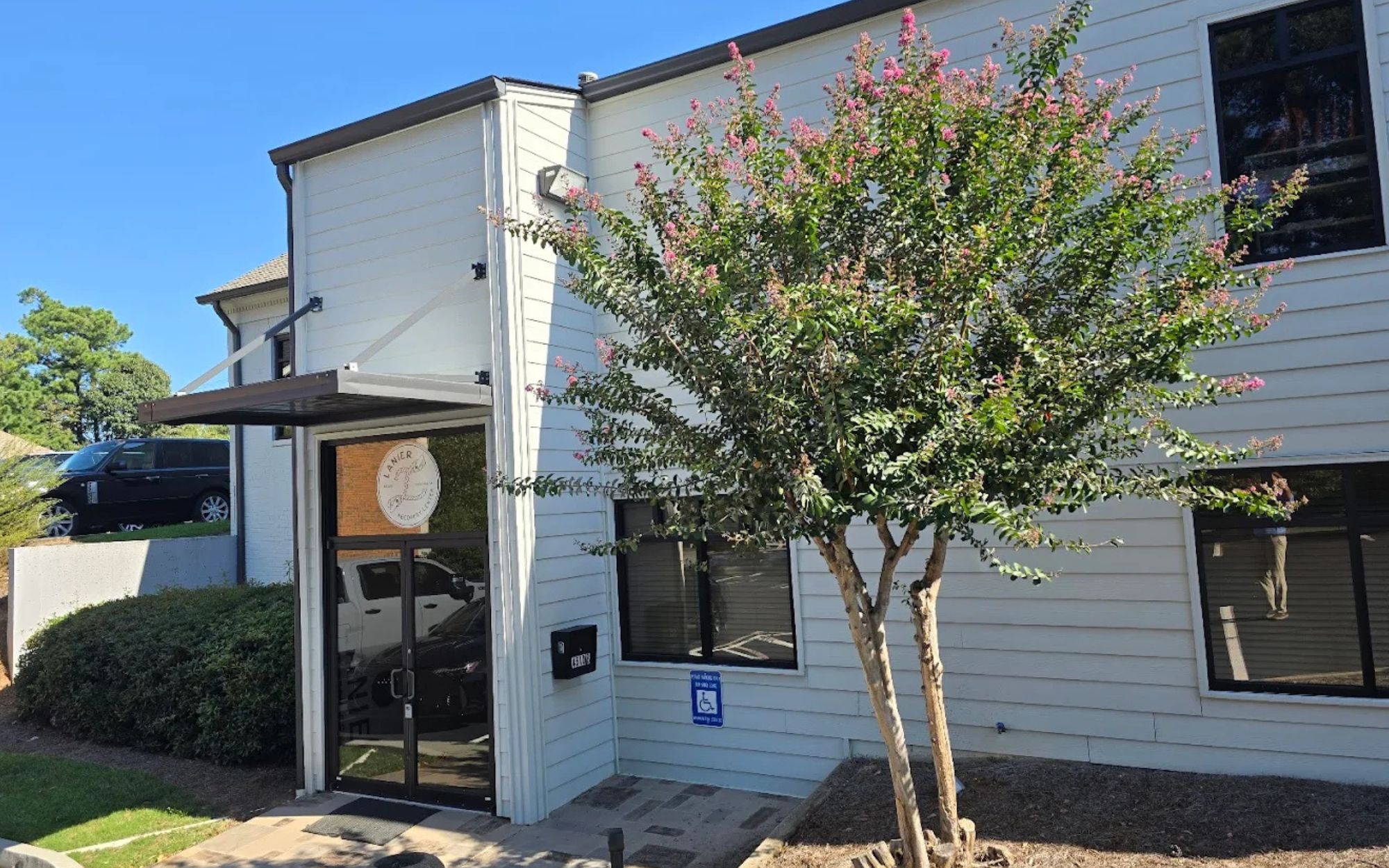
Table of Contents

Dual diagnosis Atlanta: understanding co-occurring substance use and mental health disorders

Co-occurring disorders, also called dual diagnosis, refer to the presence of both a mental illness and a substance use disorder at the same time.

According to the Substance Abuse and Mental Health Services Administration (SAMHSA), millions of Americans live with co-occurring disorders each year, yet many never receive integrated care that treats both conditions together.

Mental health disorders such as depression, anxiety, bipolar disorder, and post-traumatic stress disorder significantly increase the risk of developing a substance use disorder.

Conversely, prolonged substance abuse can trigger or worsen mental health symptoms, making it difficult to determine which came first. This complex relationship is exactly why dual diagnosis treatment exists: to untangle these interconnected struggles and treat the whole person, not just the symptoms.

Mental health treatment that ignores substance use, or addiction treatment that overlooks mental disorders, leaves critical gaps in care.

At Lanier Recovery Center, our mental health treatment Altanta GA close those gaps. Our Atlanta-based treatment center specializes in identifying the relationship between co-occurring disorders and crafting treatment plans that support sustainable healing, physically, emotionally, and mentally.

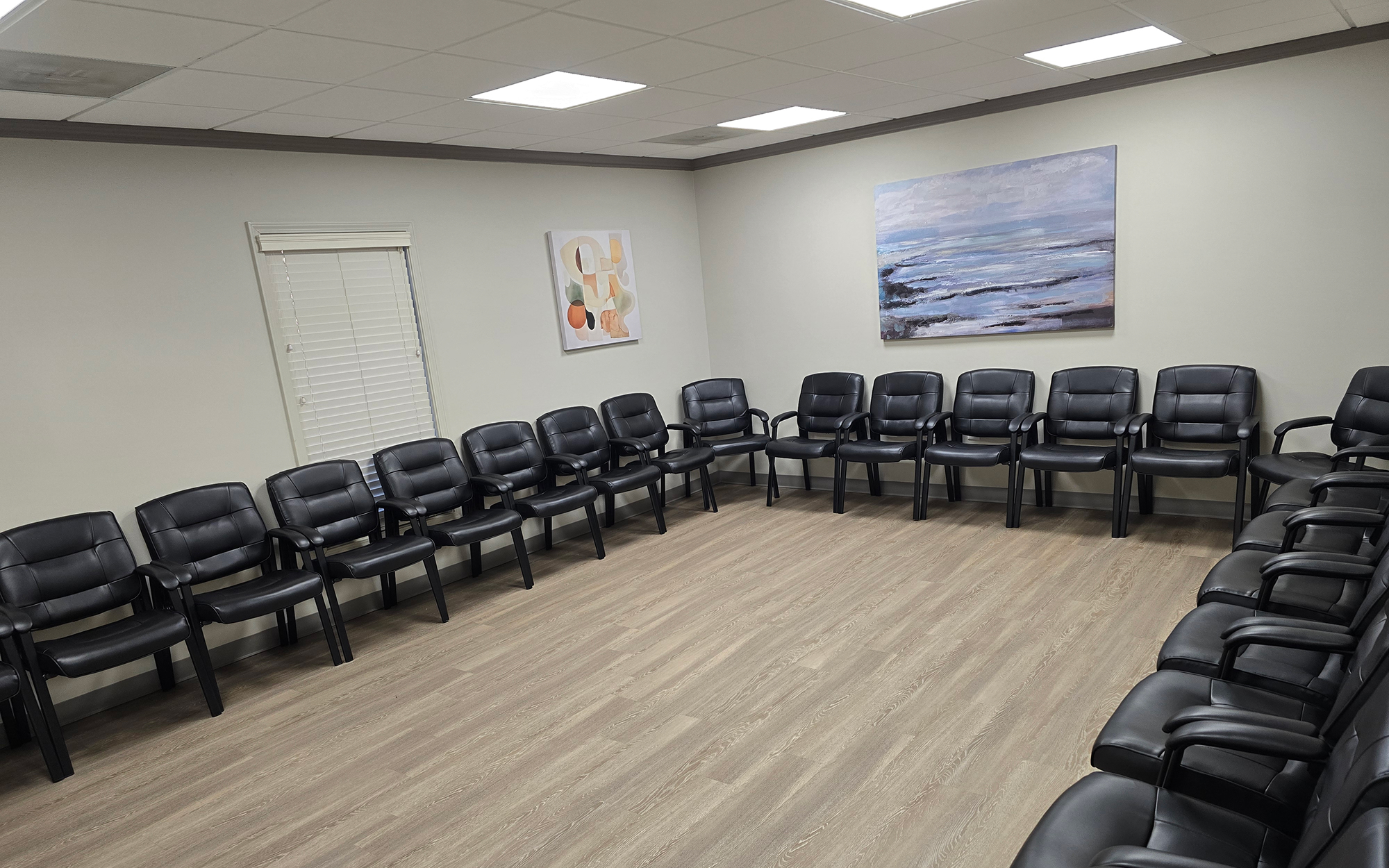
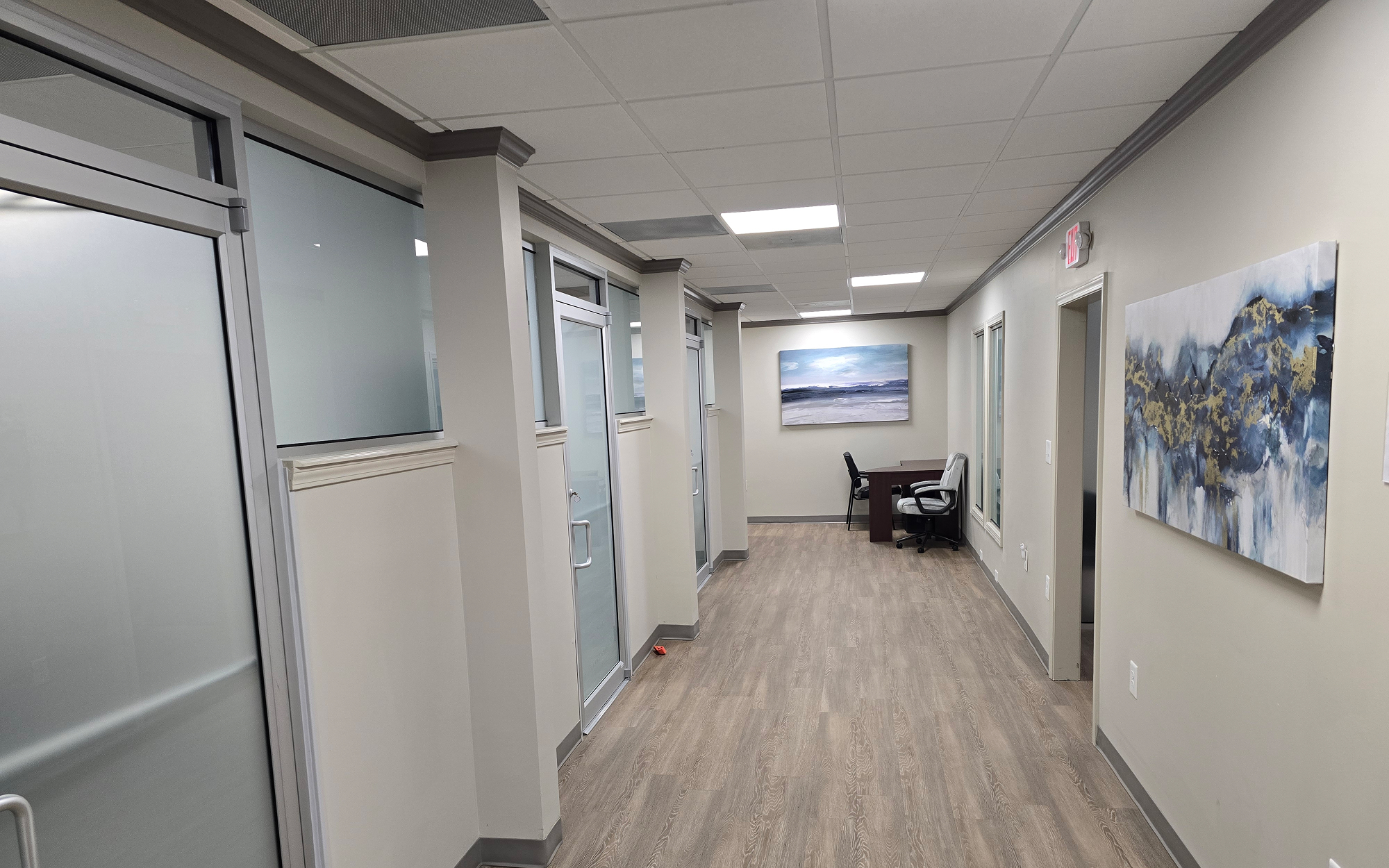
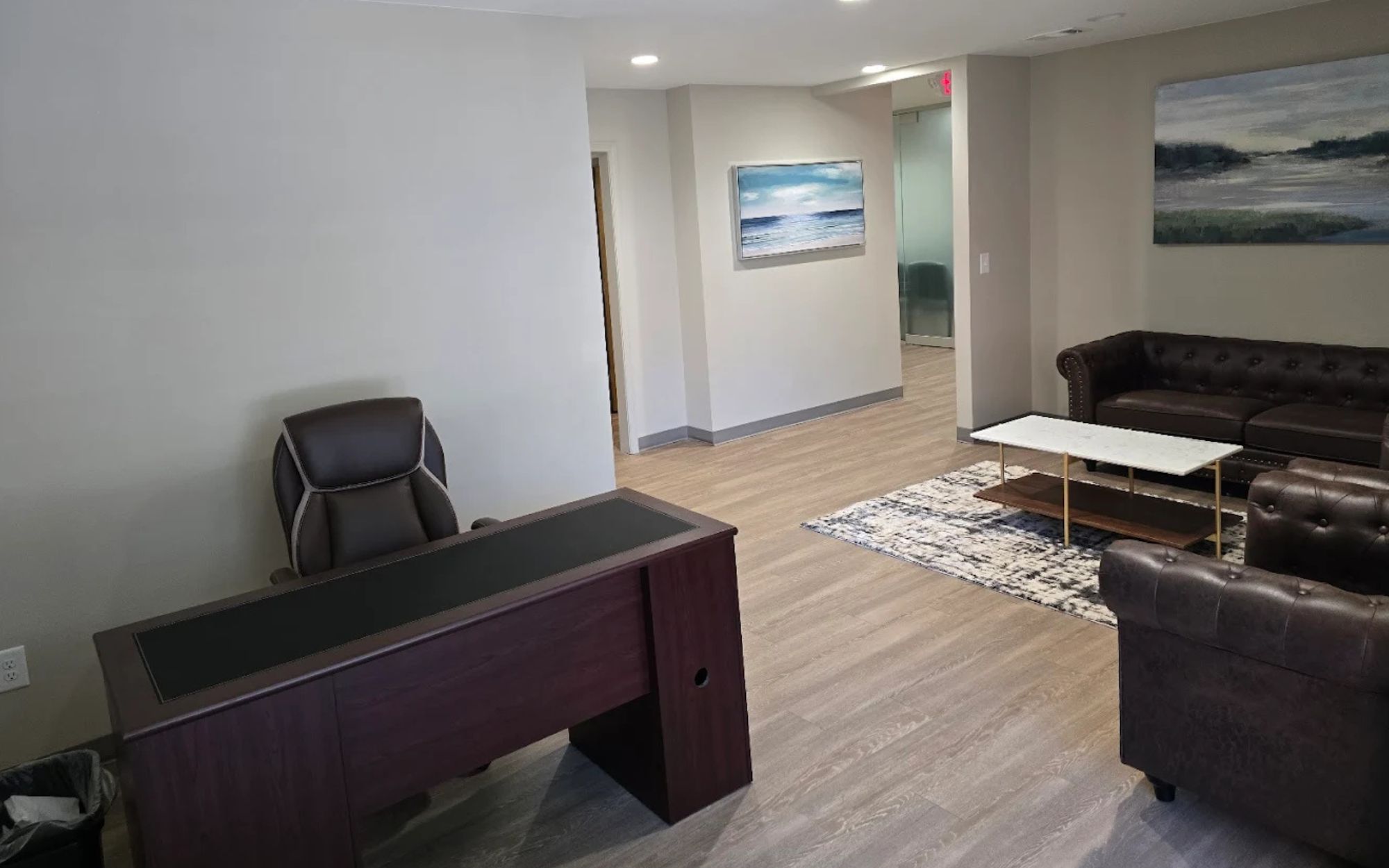
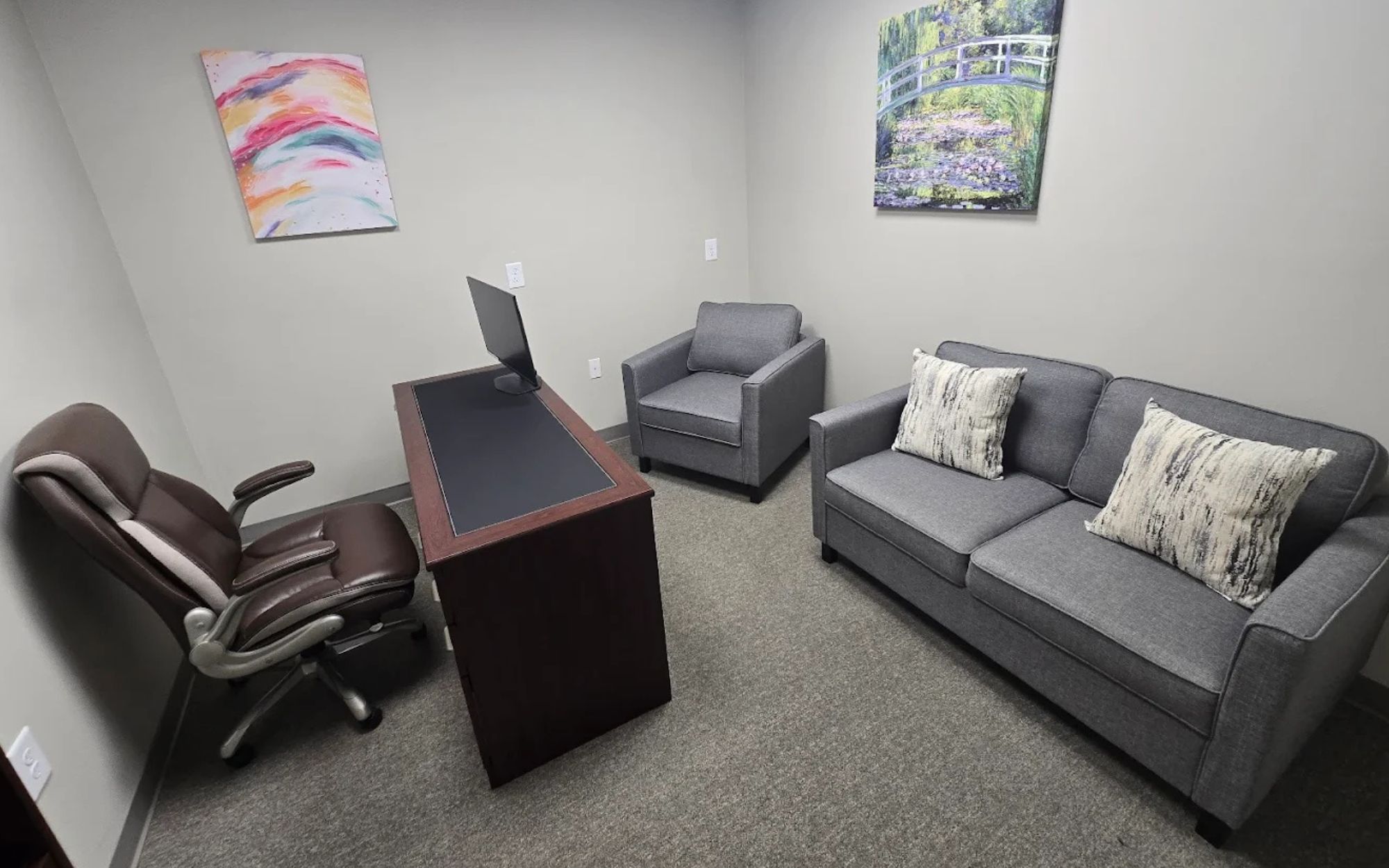
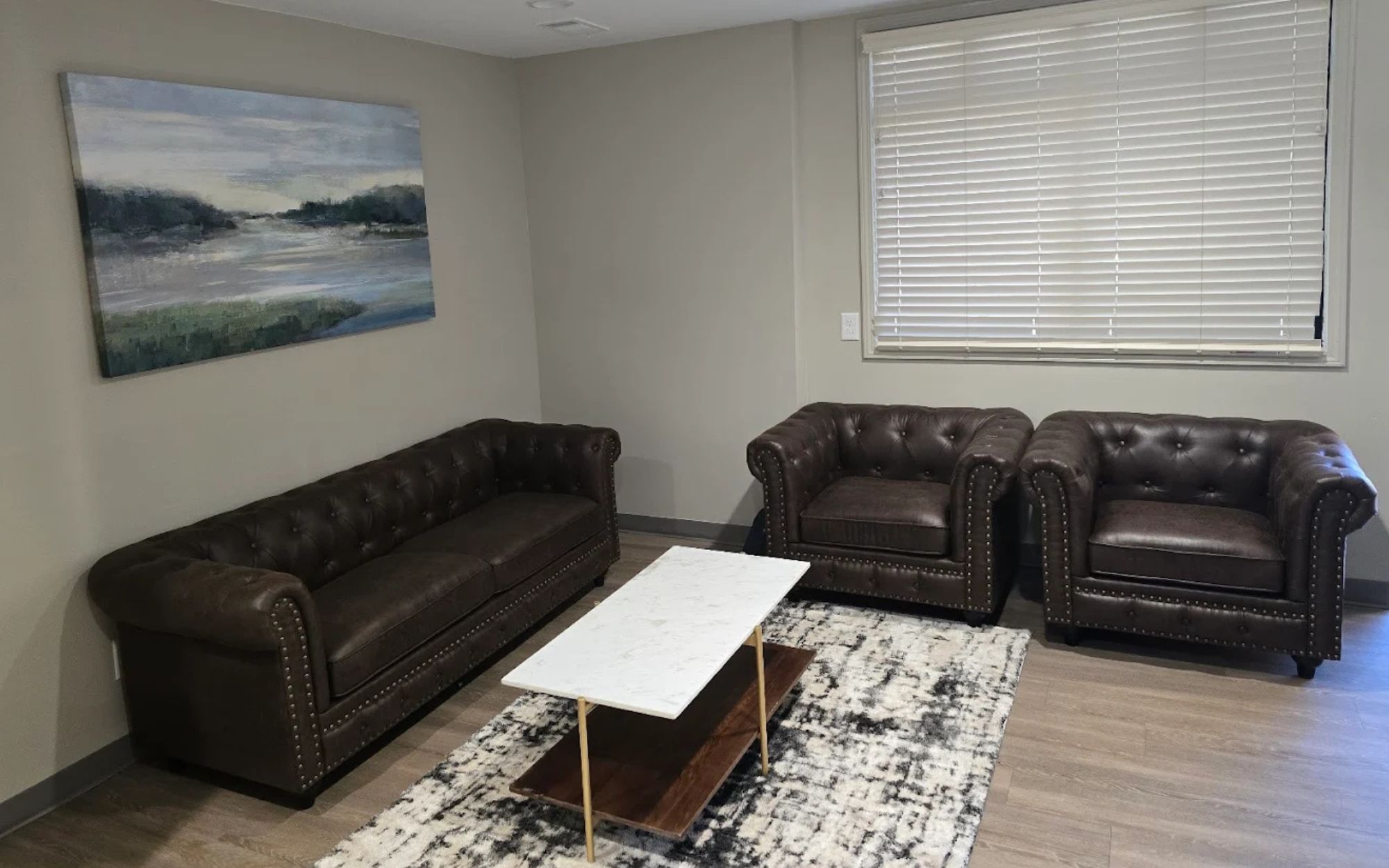
Check out our facility in Atlanta, GA

Discover why our programs are top rated today. Talk with our admissions team about the right treatment plan to bring lasting recovery.

What co-occurring mental health disorders are addressed in dual diagnosis treatment?

Many people struggling with substance use disorders are also living with an underlying mental health disorder. At Lanier Recovery Center, we offer dual diagnosis treatment that addresses both conditions at the same time. This integrated treatment approach is the most effective way to support lasting recovery.

Co-occurring disorders look different for every person. Our clinical team is experienced in treating multiple disorders together, creating personalized care plans that target the full picture of each client’s mental health and substance use.

Depression

Major depression and substance abuse frequently occur together. Many people use alcohol or drugs to cope with persistent sadness, low energy, or hopelessness. Over time, substance use makes depression worse, not better.

This cycle is one of the most common patterns seen in dual diagnosis treatment. The National Institute of Mental Health recognizes a strong connection between depression and substance use disorders, with each condition intensifying the other.

At Lanier Recovery Center, our depression treatment Atlanta approach for co-occurring depression includes:

  • Medication management to stabilize mood
  • Behavioral therapy to address negative thought patterns
  • Ongoing mental health care to support long-term recovery

Our goal is to help clients rebuild motivation, restore emotional balance, and develop healthier coping strategies throughout the treatment process.

Anxiety disorders

Anxiety disorders are among the most common mental health disorders seen alongside substance abuse. Generalized anxiety disorder, panic disorder, and social anxiety all drive many people toward alcohol or drugs as a way to find relief.

The problem is that substances only mask anxiety symptoms temporarily. Over time, drug abuse and alcohol use make anxiety significantly worse and can lead to risky behaviors and physical dependency.

Our anxiety treatment Atlanta:

  • Identifying the root causes of the anxiety disorder
  • Building emotional regulation skills
  • Reducing substance use through evidence-based behavioral therapy
  • Using medication management when appropriate

Treating the mental health condition directly, not just the substance use, is what makes this approach effective.

Trauma and PTSD

Post-traumatic stress disorder is closely linked to substance use disorders. Many people use substances to numb traumatic memories, manage hypervigilance, or cope with sleep disruption caused by PTSD.

Without treating the underlying trauma, substance abuse tends to return even after a period of recovery.

At Lanier Recovery Center, our approach to co-occurring PTSD treatment Atlanta includes:

  • Trauma-focused therapy that processes traumatic memories safely
  • Dialectical behavioral therapy (DBT therapy Atlanta) to strengthen emotional regulation
  • A structured treatment process that builds stability before diving into deeper trauma work

This careful, phased approach helps clients heal from the inside out without feeling overwhelmed or destabilized during treatment.

Bipolar disorder

Bipolar disorder involves cycling mood disorders alternating between episodes of mania and depression. This mental illness has a well-documented connection to substance use disorders.

During manic episodes, risky behaviors and impulsive drug abuse are common. During depressive episodes, many people turn to substances to cope with low mood and hopelessness. A family history of bipolar disorder can also increase the likelihood of developing a substance use disorder.

Our effective bipolar disorder treatment Atlanta includes:

  • Medication management to stabilize mood cycles
  • Behavioral therapy to identify and manage triggers
  • Psychoeducation to help clients recognize early warning signs
  • Ongoing mental health treatment to prevent relapse

Managing this mental health diagnosis long-term requires consistent care, something our outpatient treatment programs are specifically designed to provide.

Personality disorders

Personality disorders, especially borderline personality disorder, are frequently seen in dual diagnosis treatment. Borderline personality disorder involves intense emotional swings, impulsive behaviors, and unstable relationships. These challenges often lead to substance abuse as a way of managing emotional pain.

Without direct mental health treatment for the personality disorder, other mental disorders and substance use patterns are unlikely to resolve on their own.

At Lanier Recovery Center, we use dialectical behavioral therapy as a core part of borderline personality disorder treatment Atlanta. DBT was originally developed for this mental health condition and remains one of the most effective tools available.

Our treatment approach focuses on:

  • Emotional regulation to manage intense feelings
  • Interpersonal effectiveness to build healthier relationships
  • Distress tolerance to reduce risky behaviors
  • Mindfulness to increase self-awareness

co-occurring disorder treatment

For clients who do not need inpatient care, our flexible outpatient treatment programs provide this level of support while allowing them to remain connected to work, family, and daily life.

the help you need is here

Recovery starts here

If you or someone you love is struggling with substance use or other mental health issues, Lanier Recovery Center can help. Request a callback below to receive care and support you can trust.

"*" indicates required fields

Treatment options for co-occurring mental health and addiction

Finding the right level of care is one of the most important steps in the recovery process. Co-occurring disorders require treatment that addresses both conditions at the same time.

Integrated treatment is the gold standard for dual diagnosis care. Rather than treating addiction and mental health separately, an integrated treatment approach combines evidence-based therapies, psychiatric support, and ongoing support within a single, coordinated plan.

The right level of care depends on several factors, including:

  • The severity of substance use and mental health disorders
  • A personal or family history of mental illness
  • The presence of psychotic symptoms, self harm, or risky behaviors
  • Environmental factors and available support systems

Whether the person is a young adult or has co-occurring mental health conditions like eating disorders, obsessive compulsive disorder, or mood disorders

Below is an overview of the most common treatment options available for co-occurring disorders.

Residential treatment

Residential treatment provides the highest level of care for dual diagnosis. Clients live at the treatment facility full time, receiving round-the-clock support from a dedicated treatment team.

This level of care is typically recommended for individuals who:

  • Are experiencing severe mental health disorders or psychotic symptoms
  • Have a history of self harm or risky behaviors
  • Need a structured environment away from triggers and environmental factors
  • Require medication assisted treatment with close clinical monitoring

Inpatient rehab Atlanta allows clinicians to observe mental health symptoms and substance use patterns daily, making it easier to adjust the treatment plan as needed. For those at higher risk or whose co-occurring disorders are severe, this immersive level of support can be a critical first step in recovery.

Partial hospitalization programs

A partial hospitalization program (PHP) is a structured, intensive program that provides hospital-level care without overnight stays. Clients typically attend treatment five days a week for several hours each day.

PHP is well suited for individuals who:

  • Have completed residential treatment and need continued structure
  • Are managing moderate to severe mental health and substance use disorders
  • Can live at home or in a sober living environment safely
  • Need more support than standard outpatient treatment provides

During PHP Atlanta, clients engage in evidence-based therapies including group therapy, dialectical behavior therapy, and individual counseling. Medication assisted treatment and medication management are also integrated into care when appropriate. This level of dual diagnosis treatment allows clients to begin rebuilding everyday life while still receiving intensive clinical support.

Intensive outpatient programs

An intensive outpatient program (IOP) offers a flexible but structured treatment option for co-occurring disorders. Clients typically attend treatment three to five days per week for a few hours per session, making it possible to maintain work, school, or family responsibilities.

IOP is a strong fit for individuals who:

  • Have completed a higher level of care and are stepping down
  • Are managing mental health disorders and substance use that do not require 24-hour supervision
  • Need to develop coping skills and build a recovery support network
  • Are young adults or others who benefit from peer connection and group therapy

Treatment during IOP Atlanta typically includes group therapy, individual therapy, dialectical behavior therapy, and psychoeducation. The goal is to strengthen the skills needed to treat substance use and mental health disorders concurrently, while gradually increasing independence in everyday life.

Standard outpatient treatment for addiction and mental health concerns

Standard outpatient treatment is the least restrictive level of dual diagnosis care. Clients attend individual and group therapy sessions one to a few times per week, allowing for maximum flexibility while still receiving professional mental health and addiction treatment.

This co-occurring disorder recovery Atlanta option works well for individuals who:

  • Have completed a more intensive program and are maintaining stability
  • Are in the early stages of addressing co-occurring mental health concerns
  • Have strong support systems at home
  • Need ongoing support to manage a mental health diagnosis and developing substance use concerns

At Lanier Recovery Center, our standard outpatient rehab Atlanta GA integrates mental health treatment and addiction care within a single, personalized treatment plan. Services may include individual therapy, group therapy, medication-assisted treatment, contingency management, and coping skills development, all coordinated by a dedicated treatment team.

Georgia addiction treatment center

How to begin your recovery journey

We know beginning treatment can feel intimidating, so we’ve made the process simple and stress-free.

1

Get in touch
with us

Call or complete our contact form to connect with an admissions specialist who takes the time to listen and understand your situation.

2

Complete an assessment
& insurance review

Our team will review your history, discuss your needs, and confirm insurance coverage or explore self-pay options to make things easy.
3

Start your
treatment

Begin a personalized program built around your goals, supported by evidence-based care and a compassionate clinical team.

What to expect from dual diagnosis treatment centers

Starting dual diagnosis treatment can feel like a big step. Knowing what to expect can make that first step easier.

A quality dual diagnosis treatment center, like our drug rehab Atlanta GA, will begin with a comprehensive evaluation of both your mental health and substance use history. This helps the treatment team understand risk factors, family history, environmental factors, and the full scope of your co-occurring disorders before building your treatment plan.

At effective dual diagnosis treatment centers, mental health treatment and addiction treatment happen together, not in separate programs. This integrated treatment model ensures that both conditions are treated concurrently, reducing the risk of relapse and improving long-term outcomes.

You can expect treatments like dialectical behavior therapy, cognitive behavioral therapy, group therapy, and medication-assisted treatment to be core parts of your plan. These approaches are specifically designed for treating co-occurring disorders and have strong clinical support.

As you progress through the co-occurring disorder recovery Atlanta process, your level of care may shift. Many clients move from a more intensive program to standard outpatient treatment over time. Your treatment team will monitor your mental health symptoms, substance use, and overall well-being, adjusting your plan to reflect your progress.

Recovery doesn’t end when formal treatment does. Reputable dual diagnosis treatment centers, like Lanier Recovery, provide ongoing support through alumni programs, continuing care planning, and community resources, helping clients maintain their mental health and sobriety long after leaving the program.

What sets lanier recovery center apart

Our approach to addiction and mental health treatment is built on comprehensive care, compassionate support, and individualized recovery paths that lead to lasting change.

Depth

We go beyond surface-level treatment to address the root causes of addiction and mental health challenges for lasting healing.

Support

Our compassionate team provides steady guidance, encouragement, and care at every stage of the recovery journey.

Strength

Through personalized therapy and skill-building, we help individuals rediscover confidence and inner resilience.

Accountability

We create structured support systems that promote responsibility, consistency, and long-term recovery success.

Aftercare

Our aftercare planning and alumni support ensure continued connection and stability long after treatment ends.

Flexibility

We offer adaptable treatment options that fit real-life responsibilities while maintaining consistent, high-quality care.

Achieve lasting recovery with co-occurring disorder treatment in Atlanta

Recovery from co-occurring disorders is possible. With the right support, the right treatment team, and a plan that addresses both mental health and substance use disorders together, people heal and go on to build full, meaningful lives.

At Lanier Recovery Center, we believe that dual diagnosis treatment should feel like support, not a struggle. Our Atlanta-based outpatient programs are designed to meet you where you are, help you understand your co-occurring disorders, and give you the tools to move forward on your terms. Get started with co-occurring disorder recovery Atlanta; contact our team today.

Lanier Recovery Center can help you
We understand that getting help for addiction can be challenging. Start with a free addiction assessment today.

Co-occurring disorder treatment: FAQ

Dual diagnosis treatment is a specialized form of care that addresses a mental health disorder and a substance use disorder at the same time. Rather than treating each condition separately, dual diagnosis treatment uses an integrated approach recognizing that co-occurring disorders are deeply connected and must be treated together for recovery to last.

The terms are used interchangeably. Both refer to the simultaneous presence of a mental health disorder and a substance use disorder. You may hear clinicians use either term; they mean the same thing.

Co-occurring disorders are very common. According to SAMHSA, approximately 21.5 million adults in the United States have co-occurring disorders. Despite how widespread dual diagnosis is, many people never receive integrated care that treats both conditions together.

It varies from person to person. In some cases, a person may have started using drugs or alcohol to manage their mental illness, while in others, long-term substance use can cause or worsen mental health disorders. This is why a thorough assessment at the start of treatment is so important. Understanding your history before starting co-occurring disorder recovery Atlanta treatment helps shape the most effective treatment plan.

Dual diagnosis treatment Atlanta addresses a wide range of co-occurring mental health disorders, including depression, anxiety disorders, bipolar disorder, PTSD, borderline personality disorder, and others. Research suggests that about 50% of people who experience a substance use disorder during their lives will also have a mental health disorder.

Common evidence-based therapies used in dual diagnosis treatment include cognitive behavioral therapy, dialectical behavior therapy, group therapy, and motivational interviewing. Medication assisted treatment may also be incorporated when appropriate, alongside medication management for mental health symptoms.

Not necessarily. The right level of care depends on the severity of your co-occurring disorders. Many people receive highly effective dual diagnosis treatment through outpatient programs, including partial hospitalization, intensive outpatient, and standard outpatient options, without needing inpatient care. For more information on co-occurring disorder recovery Atlanta, contact our team.

If you are experiencing mental health symptoms alongside substance use, or if previous treatment for one condition hasn’t worked, dual diagnosis treatment may be the right fit. If traditional treatments for either mental health or substance abuse have been ineffective, it could be due to the presence of a co-occurring disorder. Speaking with a clinical professional is the best first step.

Yes. We work with many major insurance providers to make co-occurring disorder treatment as accessible as possible. Contact our admissions team to verify your coverage and discuss your options for dual diagnosis Atlanta.

Lanier Recovery Center’s top values

Every treatment will be uniquely tailored to you, because you’re unique.

Sober living

Our team is 100% sober, including from Alcohol. We help our clients achieve sobriety and stick to it through thick and thin, because sobriety is the foundation of a fulfilling life.

Integrity

Our team is 100% sober, including from Alcohol. We help our clients achieve sobriety and stick to it through thick and thin, because sobriety is the foundation of a fulfilling life.

Everyone belongs

Our team is 100% sober, including from Alcohol. We help our clients achieve sobriety and stick to it through thick and thin, because sobriety is the foundation of a fulfilling life.

Limitless potential

Our team is 100% sober, including from Alcohol. We help our clients achieve sobriety and stick to it through thick and thin, because sobriety is the foundation of a fulfilling life.

Start dual diagnosis treatment Atlanta today

Taking the first step toward dual diagnosis treatment can feel overwhelming. But you don’t have to figure it out alone.

At Lanier Recovery Center, our admissions process is simple, confidential, and judgment-free. From your very first call, our team will help you understand your treatment options for co-occurring disorders, verify your insurance coverage, complete a comprehensive mental health and substance use assessment, and build a personalized treatment plan before your first session.

Whether you’re reaching out for yourself or a loved one, we’re here to help you find a clear path forward. Dual diagnosis treatment in Atlanta is closer than you think and so is recovery.

If you’re looking for more information, connect with our team by phone, email, or through our online form. We’re here to answer your questions, talk through your options, and support you as you begin your path toward lasting recovery.

Sources

Substance Abuse and Mental Health Services Administration. (n.d.). Co-occurring disorders and other health conditions. U.S. Department of Health and Human Services.

National Institute of Mental Health. (2025, March). Finding help for co-occurring substance use and mental disorders. U.S. Department of Health and Human Services, National Institutes of Health.

we are here for you

Get the help you need today.

Together, we can help you build a brighter future of wellness.

Free & easy insurance check

alliant
care source
multiplan
united healthcare
cigna
beacon
bluecross
tricare

Request a confidential call

"*" indicates required fields

This field is for validation purposes and should be left unchanged.
Preferred method*
Get Treatment For All Your Healthcare Needs

Other treatment programs

Request A Confidential Call

Request a call and a Lanier Recovery Center team member will be in touch.

"*" indicates required fields