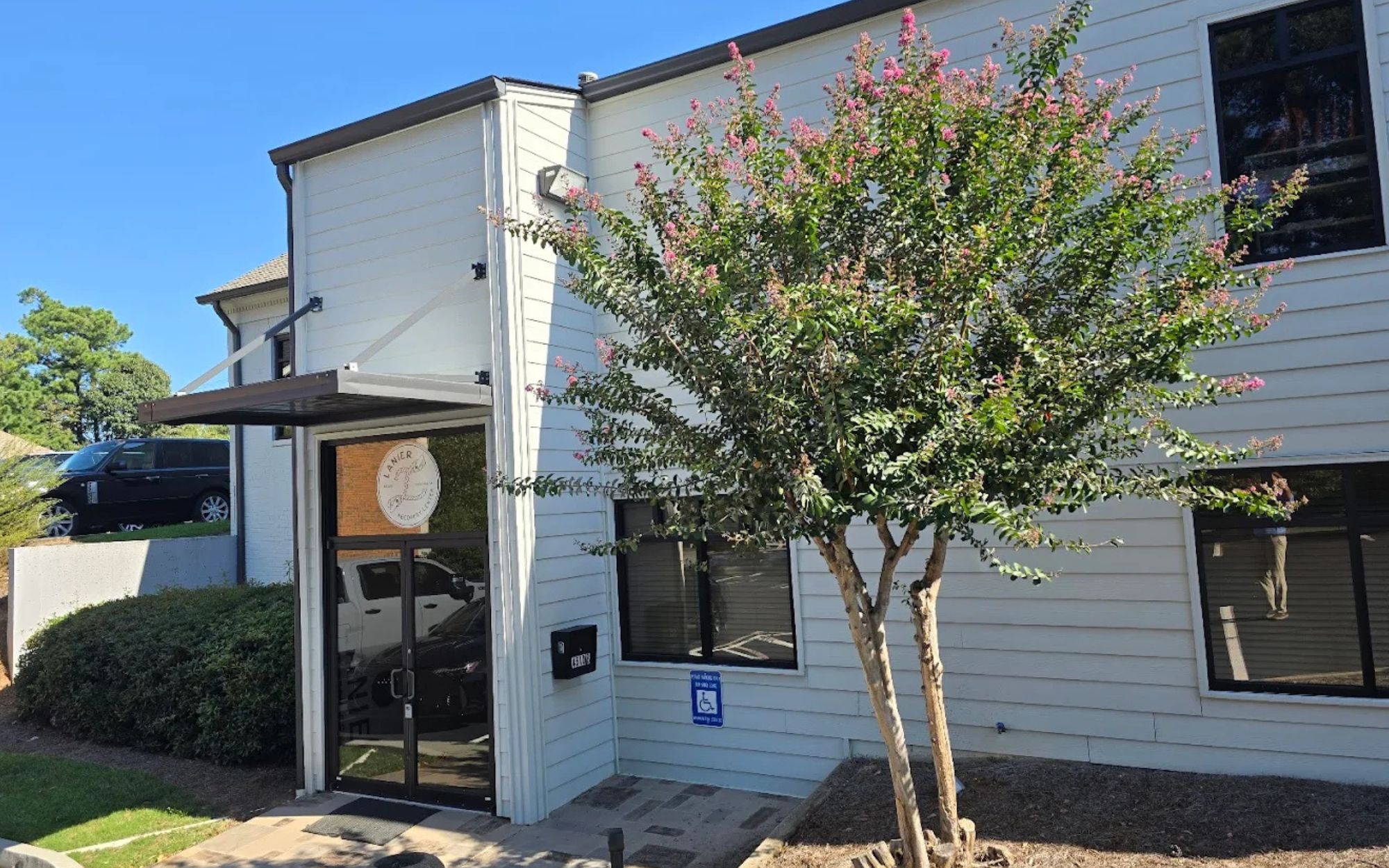
Our Location

4510 Nelson Brogdon Blvd, Sugar Hill, GA 30518

Call Us

(470) 470-5697

Cognitive Behavioral Therapy (CBT)

Rebuilding Thought Patterns, Strengthening Recovery

At Lanier Recovery Center, we use Cognitive Behavioral Therapy (CBT) as a foundational part of our evidence-based approach to treating substance use and co-occurring mental health disorders. CBT helps individuals understand how their thoughts influence their behaviors and emotions—and more importantly, how to change those patterns to support lasting recovery.

Whether you are struggling with addiction, anxiety, depression, or trauma-related responses, CBT offers structured tools and insight that empower change. Delivered by licensed therapists in our PHP, IOP, and OP programs, CBT helps clients gain clarity, regulate emotions, and build resilience.

What Is Cognitive Behavioral Therapy?

Cognitive Behavioral Therapy is a short-term, goal-directed psychotherapy based on the understanding that our thoughts, feelings, and behaviors are interconnected. When individuals develop distorted or negative thought patterns, these can lead to harmful emotional responses and self-defeating behaviors. CBT teaches people how to identify, challenge, and replace these thoughts with healthier, more constructive ones.

Originally developed by Dr. Aaron Beck in the 1960s, CBT has become one of the most widely studied and validated therapeutic approaches for a broad range of issues, especially addiction and mental health disorders. It emphasizes practical strategies clients can use right away—both during and after treatment.

How CBT Works in Addiction Recovery

In addiction recovery, negative thought patterns often lead to self-destructive decisions. For example, someone might believe, “I’ve already messed up, so what’s the point?” or “I can’t handle stress without drinking.” These thoughts can become deeply ingrained and automatic.

CBT helps interrupt this cycle. Therapists work with clients to:

  • Recognize automatic thoughts that fuel substance use

  • Challenge distorted beliefs and cognitive biases

  • Learn to tolerate discomfort and distress in healthy ways

  • Build a personal toolkit of coping strategies

  • Replace old behavioral patterns with intentional actions

  • Develop a greater sense of personal control and self-efficacy

The ultimate goal is to create lasting change—not just in how clients think, but in how they respond to life.

CBT at Lanier Recovery Center: PHP, IOP, and OP

We offer CBT across all levels of outpatient care.

Partial Hospitalization Program (PHP): In PHP, CBT is delivered through daily group sessions and weekly individual therapy. Clients receive intensive clinical support five days per week and participate in immersive skill-building exercises.

Intensive Outpatient Program (IOP): In IOP, CBT is offered three to five times per week in both individual and group settings. Clients apply CBT tools to daily situations and receive feedback and support from clinicians and peers.

Outpatient Program (OP): In OP, clients continue to use CBT for relapse prevention, stress management, and long-term behavior change. CBT helps maintain recovery momentum and fosters accountability as clients transition into independent living.

Conditions CBT Helps Treat

While CBT is central to our substance use treatment model, it’s also highly effective for addressing a wide range of co-occurring conditions, including:

  • Anxiety and panic disorders

  • Depression and low mood

  • Trauma and PTSD

  • ADHD

  • Obsessive-compulsive behaviors

  • Stress-related health issues

  • Self-esteem and identity challenges

Clients experiencing both addiction and mental health struggles benefit from CBT’s clarity, structure, and practical nature. It’s especially valuable for individuals seeking greater self-awareness and concrete tools for daily life.

Real-World CBT Techniques Clients Learn

During treatment, clients at Lanier Recovery Center practice CBT tools such as:

  • Thought records: tracking negative thoughts and evaluating their accuracy

  • Behavioral experiments: testing assumptions to replace fear-based thinking

  • Cognitive restructuring: reframing negative self-talk and catastrophizing

  • Socratic questioning: exploring alternative, more balanced perspectives

  • Activity scheduling: promoting behaviors that boost mood and motivation

  • Problem-solving: learning to make rational decisions under stress

Therapists ensure these techniques are integrated into each client’s recovery goals, lifestyle, and belief systems.

Why CBT at Lanier Recovery Center Is Different

We don’t just use CBT—we tailor it to the person. Every client is assigned a primary therapist who delivers CBT in a way that aligns with their lived experiences, values, and recovery goals.

What sets us apart:

  • All clinicians are licensed, trained in CBT, and experienced in addiction care

  • We integrate CBT with trauma-informed and person-centered practices

  • We adjust the pace and depth of therapy to match the client’s readiness

  • We provide CBT in both individual and group formats to increase insight

  • Our programs include frequent progress monitoring and feedback

CBT at Lanier Recovery Center is not about scripts—it’s about trust, connection, and personal growth.

Frequently Asked Questions (FAQ)

Is CBT the only therapy you offer?
No. While CBT is foundational, we also use DBT, experiential therapy, trauma therapy, group and individual sessions, and holistic modalities to meet a wide range of needs.

How long does CBT take to work?
Many clients begin noticing changes within a few weeks, though deeper transformation takes time. CBT is structured and results-driven, but we adapt timelines based on individual progress.

Do I have to be good at talking about emotions to benefit from CBT?
Not at all. CBT is practical and goal-oriented. It helps clients learn how to understand and respond to emotions, not just talk about them.

Can CBT help with cravings?
Yes. CBT offers strategies for managing cravings by identifying triggers, building emotional resilience, and creating structured coping tools.

Do you offer CBT for people who have relapsed?
Yes. In fact, CBT is especially helpful for relapse prevention and post-relapse support. It helps clients rebuild confidence and shift the beliefs that contribute to setbacks.

Start CBT Therapy in Atlanta, GA Today

If you’re searching for Cognitive Behavioral Therapy in Atlanta as part of a trusted recovery program, Lanier Recovery Center is here to help. With a team of licensed professionals, structured outpatient levels of care, and a deep commitment to individualized support, we provide the tools, guidance, and connection needed for lasting change.

Call us today or fill out our secure contact form to speak with our admissions team and begin your recovery journey.

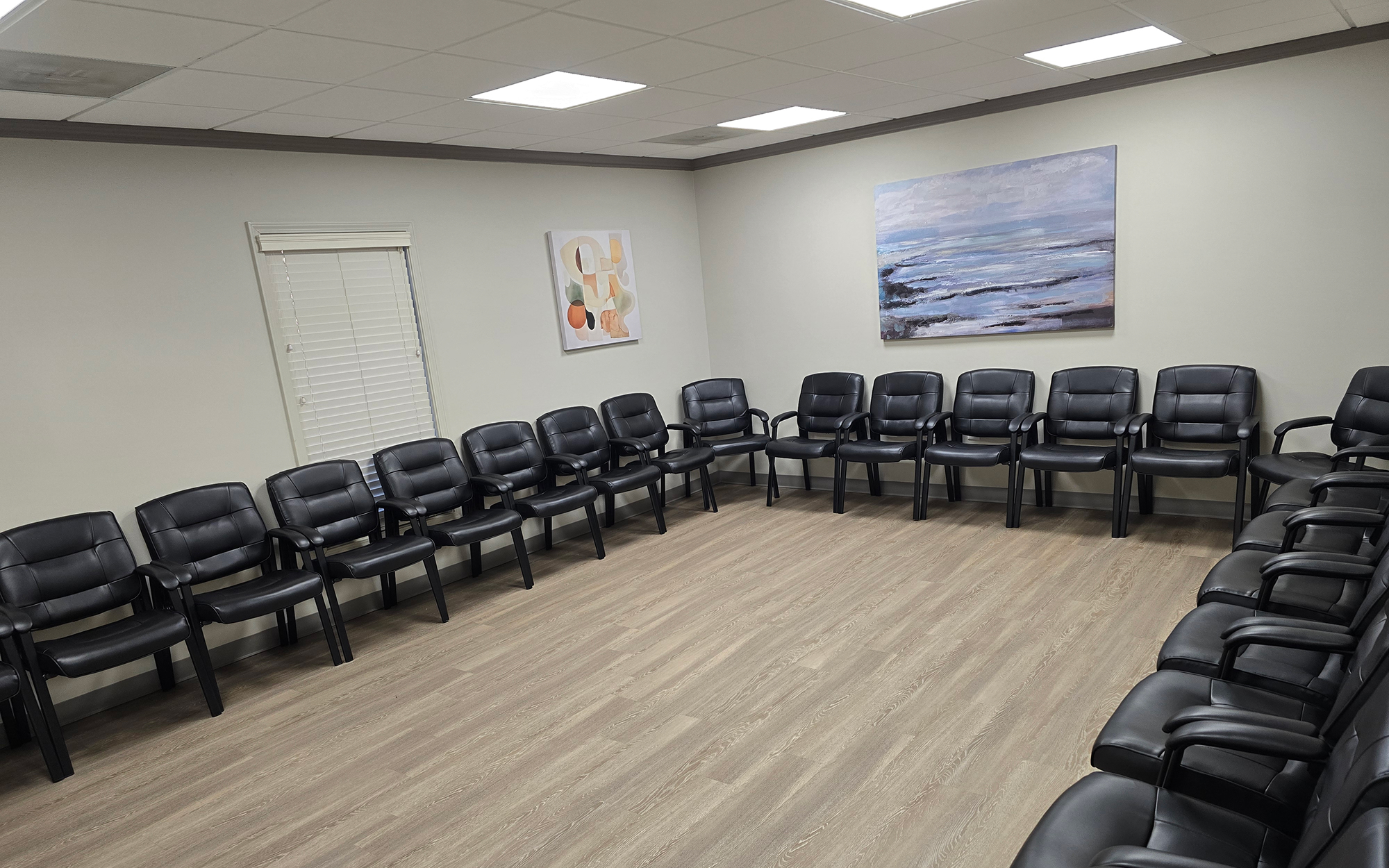
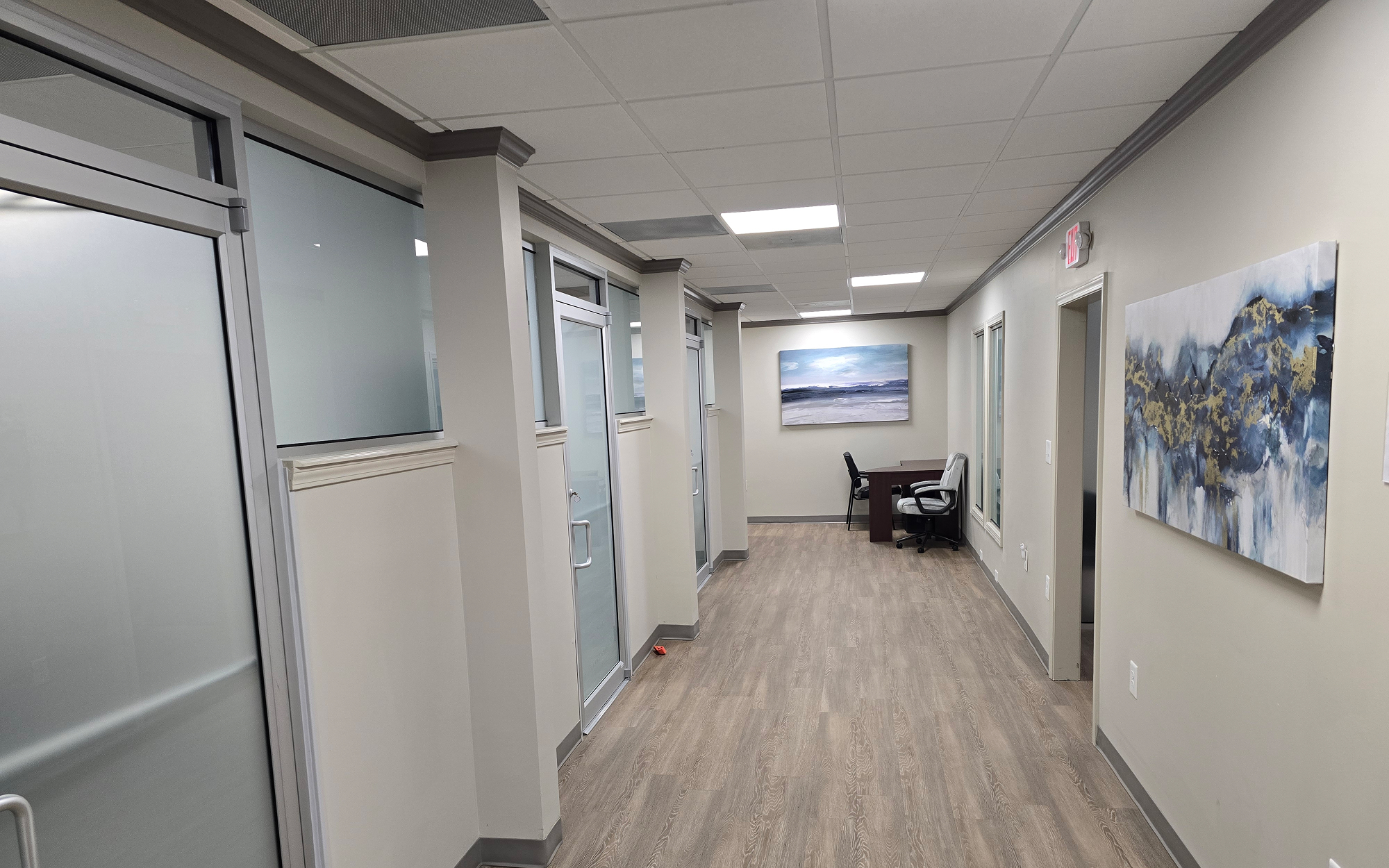
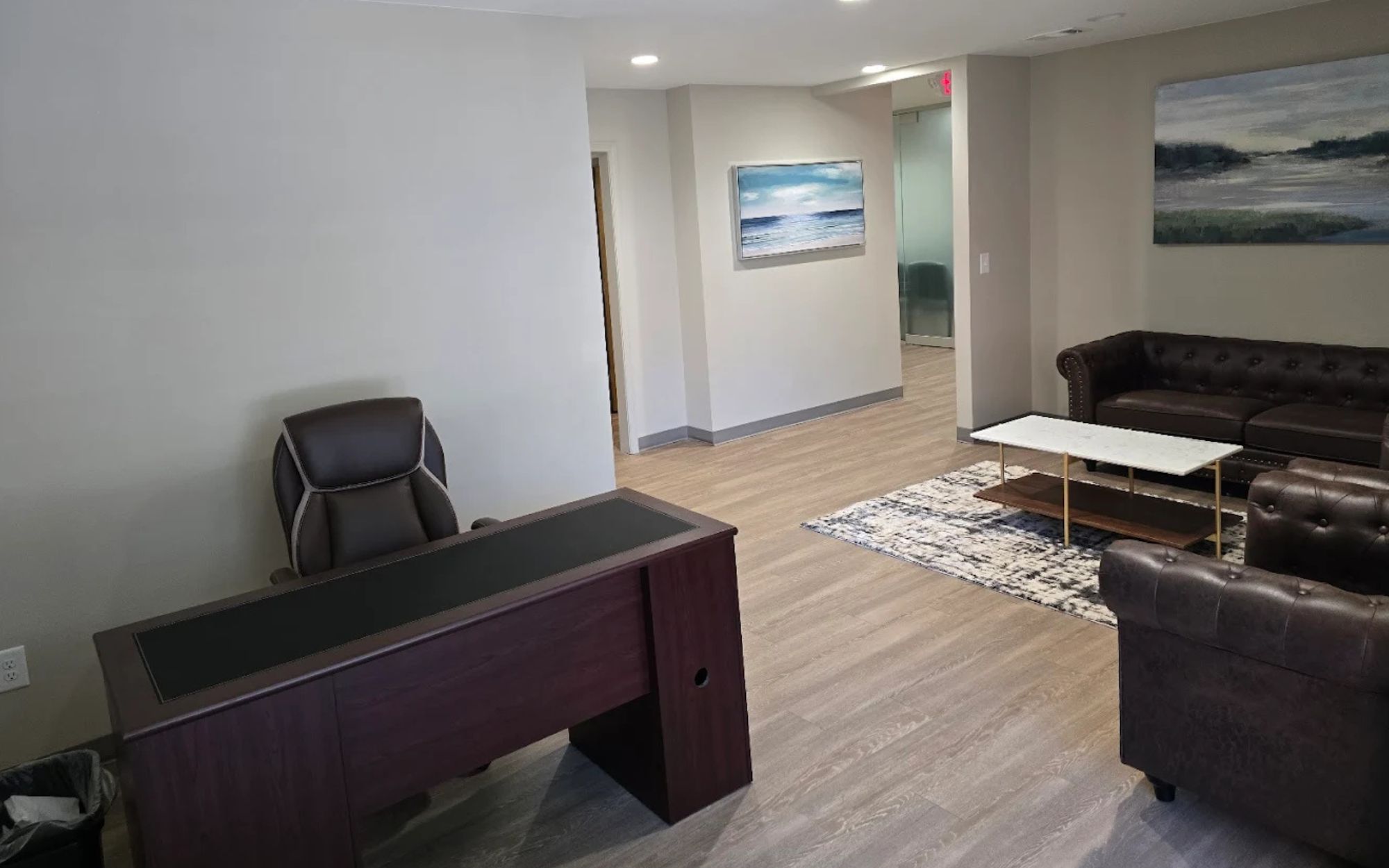
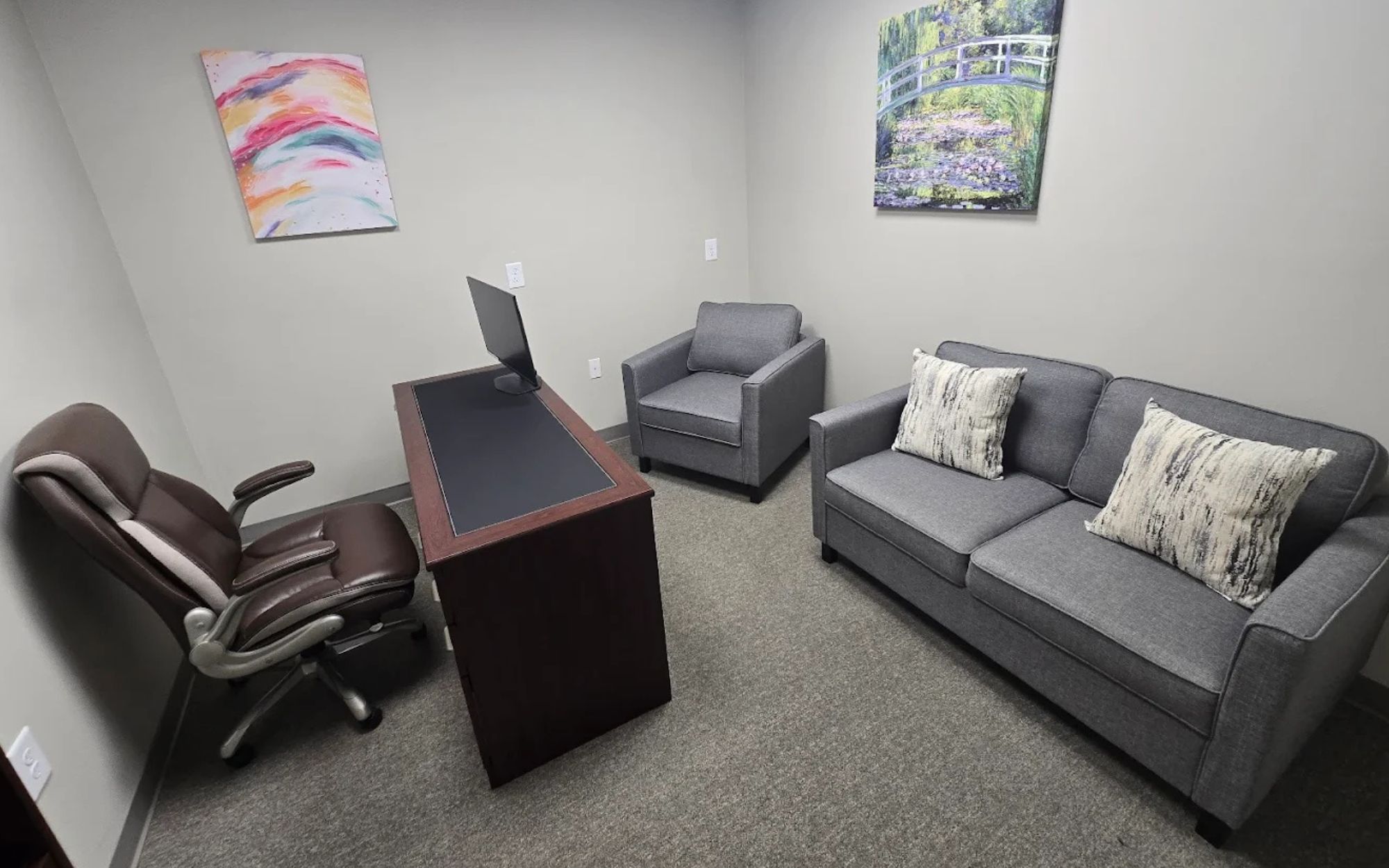
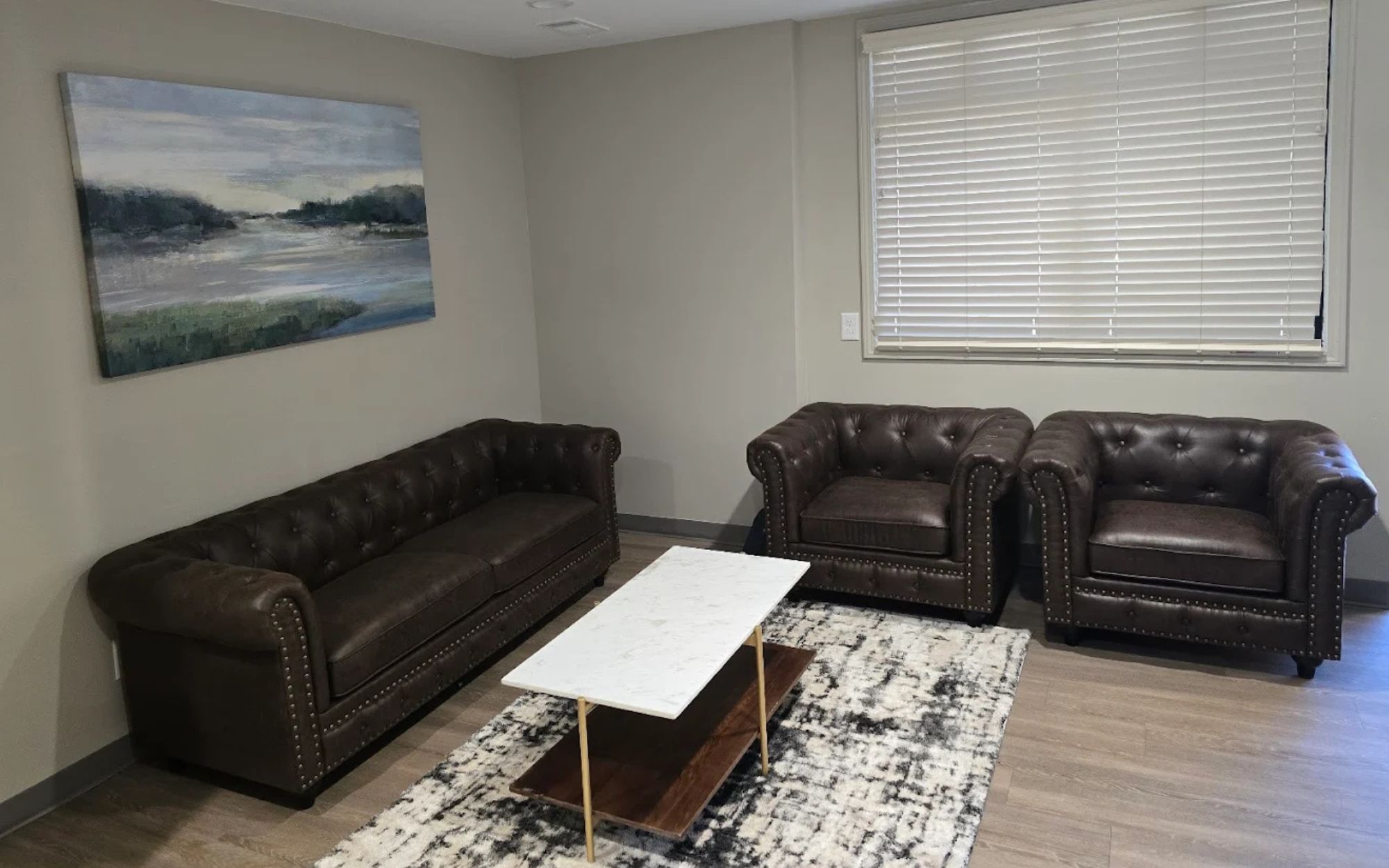
    Check Out Our Facility in Sugar Hill, GA

    Discover why our programs are top rated today. Talk with our admissions team about the right treatment plan to bring lasting recovery.

    Our Services

    Get Started On Your Journey

    Call Us

    (470) 470-5697

    Our Location

    4510 Nelson Brogdon Blvd, Sugar Hill, GA 30518

    Email us

    admin@lanierrecoverycenter.com