Request a call to speak with an admissions specialist. We are here to help you.

"*" indicates required fields

Telehealth substance abuse treatment

Telehealth addiction treatment can make professional support more accessible for adults who are balancing recovery with work, family, transportation, or other daily responsibilities. At Lanier Recovery Center, telehealth provides another way to participate in outpatient addiction treatment when virtual care is clinically appropriate, helping clients stay connected to evidence-based treatment and ongoing support without requiring every interaction to take place at our facility. Our team works with each client to determine the appropriate level of care and build an individualized treatment plan around their substance use, mental health needs, recovery goals, and everyday life.
Free Insurance Check

Free & Confidential | HIPAA Compliant | No Obligation

"*" indicates required fields

1
2
3
4
This field is for validation purposes and should be left unchanged.
Telehealth addiction treatment may be of greatest interest to people who struggle with finding time or balance to receive treatment in person.

What does telehealth for addiction treatment look like?

Telehealth services use secure virtual communication to connect clients with behavioral health professionals without requiring every appointment to take place at a treatment facility. Depending on clinical needs and available virtual services, online treatment may include online counseling, behavioral therapies, recovery planning, mental health treatment, and ongoing clinical support.

For many individuals who are appropriate for outpatient care, telehealth rehab can help increase access to addiction treatment by reducing barriers related to transportation, commute times, work schedules, or family responsibilities. It can also provide another option for people who need ongoing mental health care or substance use support while remaining engaged in everyday life.

At Lanier Recovery Center, telehealth options connect with the individualized approach used throughout our outpatient rehab Atlanta GA. Treatment planning considers substance use, co-occurring mental health conditions, current stability, home environment, recovery goals, and whether virtual or in-person treatment is the appropriate setting.
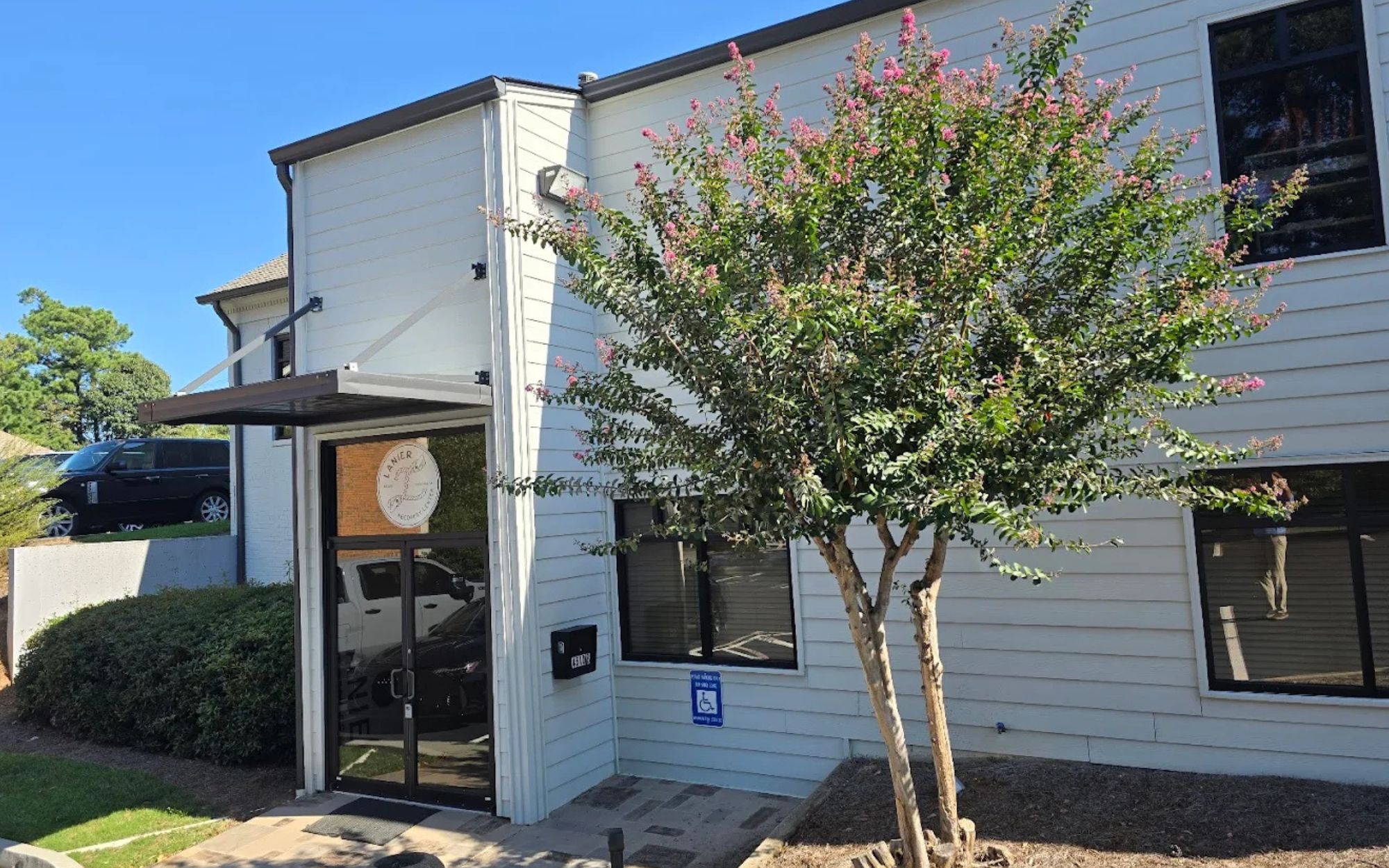
Table of Contents

How does online addiction treatment work?

Online addiction treatment should be guided by clinical need rather than convenience alone. When telehealth is appropriate, clients can participate in scheduled telehealth appointments from a private location using an internet-connected device and, when applicable, video conferencing.

Treatment options may focus on:

  • Identifying patterns associated with drug or alcohol use
  • Developing coping strategies for cravings and triggers
  • Addressing a co-occurring mental health disorder
  • Building skills that support the recovery journey and long-term recovery
  • Strengthening communication and relationships
  • Monitoring progress and adjusting treatment as needs change
  • Coordinating additional services, including medication-assisted treatment, when clinically appropriate

Telehealth is not automatically a substitute for in-person therapy, medical oversight, or a higher level of care. The appropriate format depends on safety, clinical needs, privacy, technology access, and the stability of the home environment.

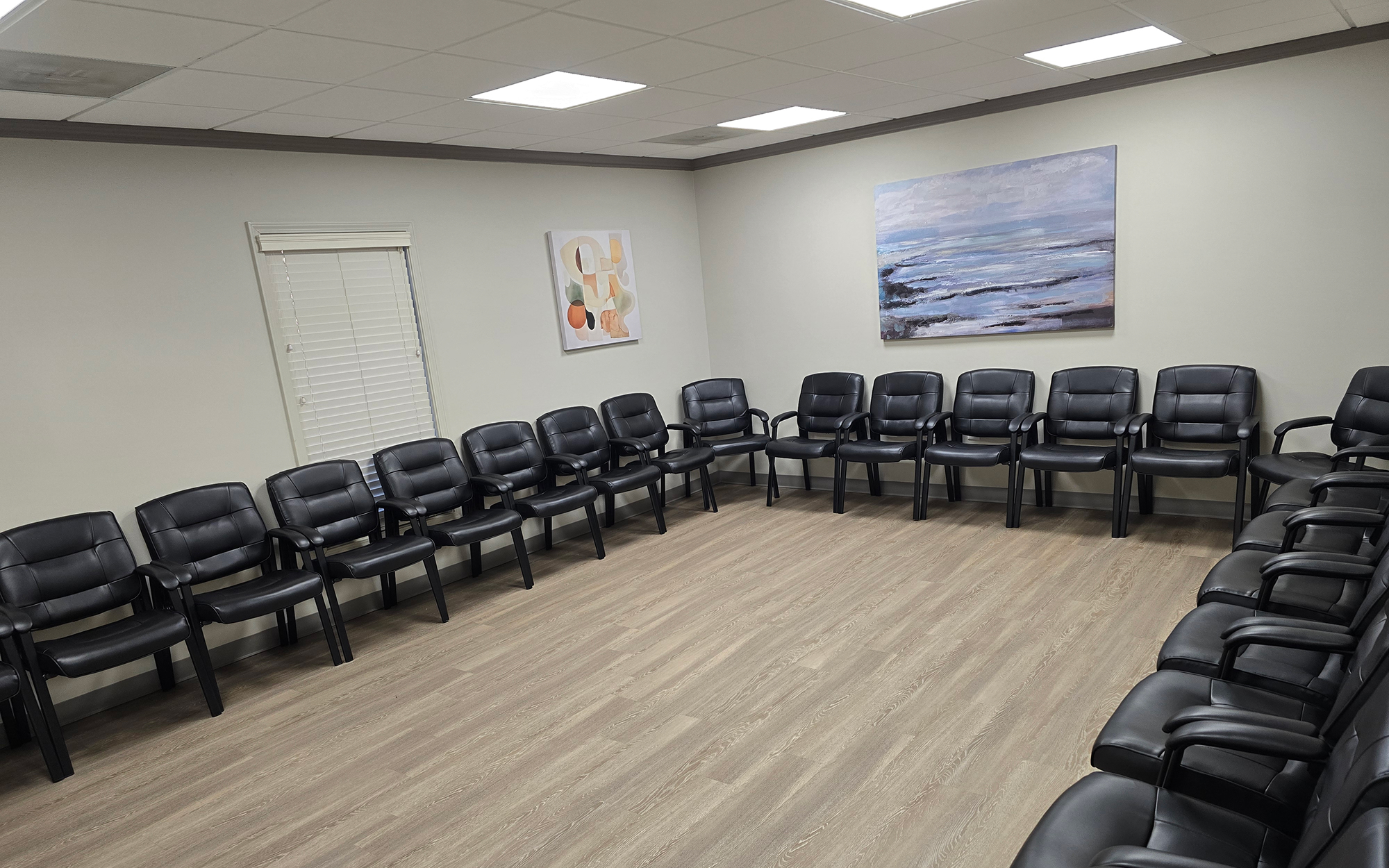
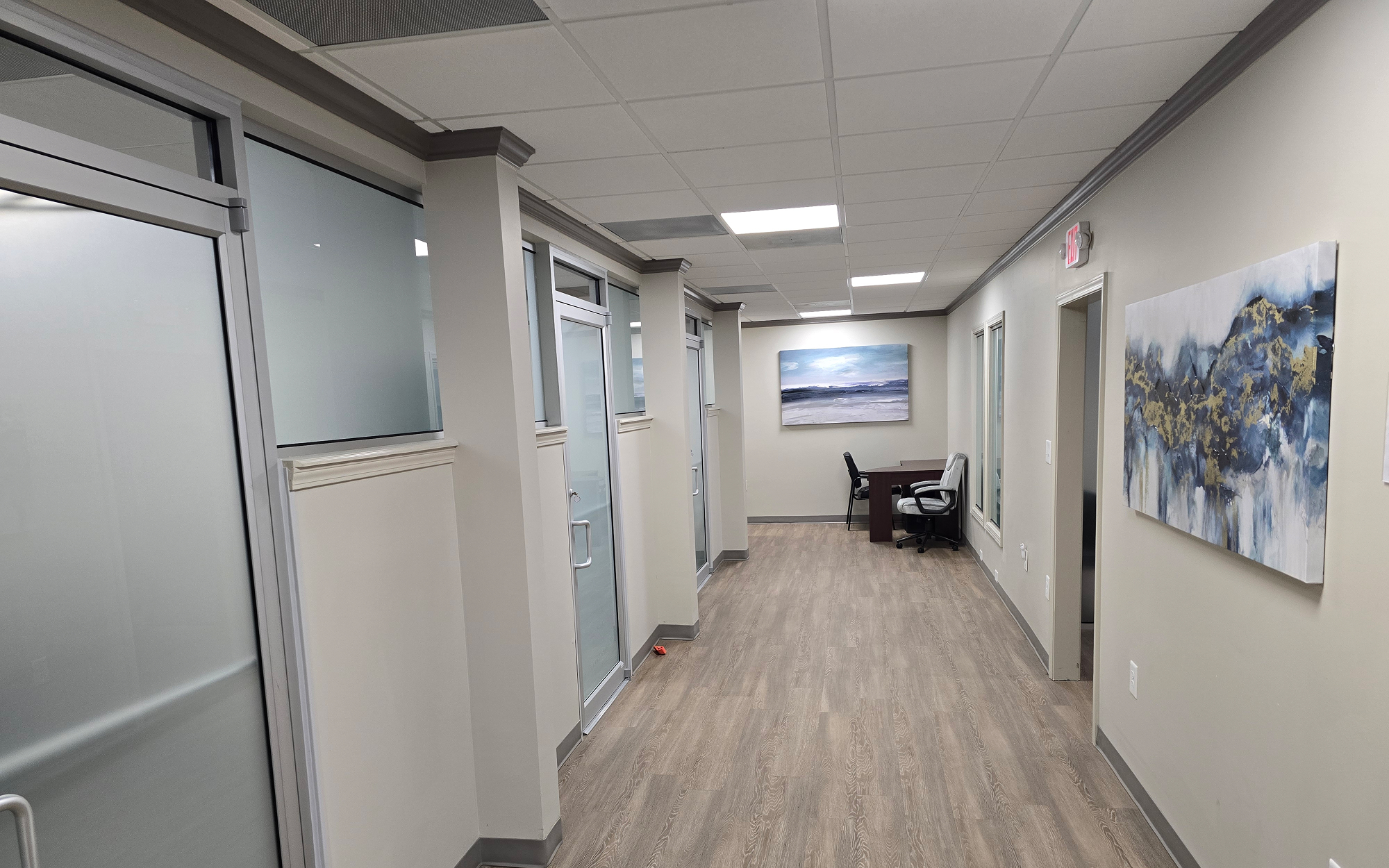
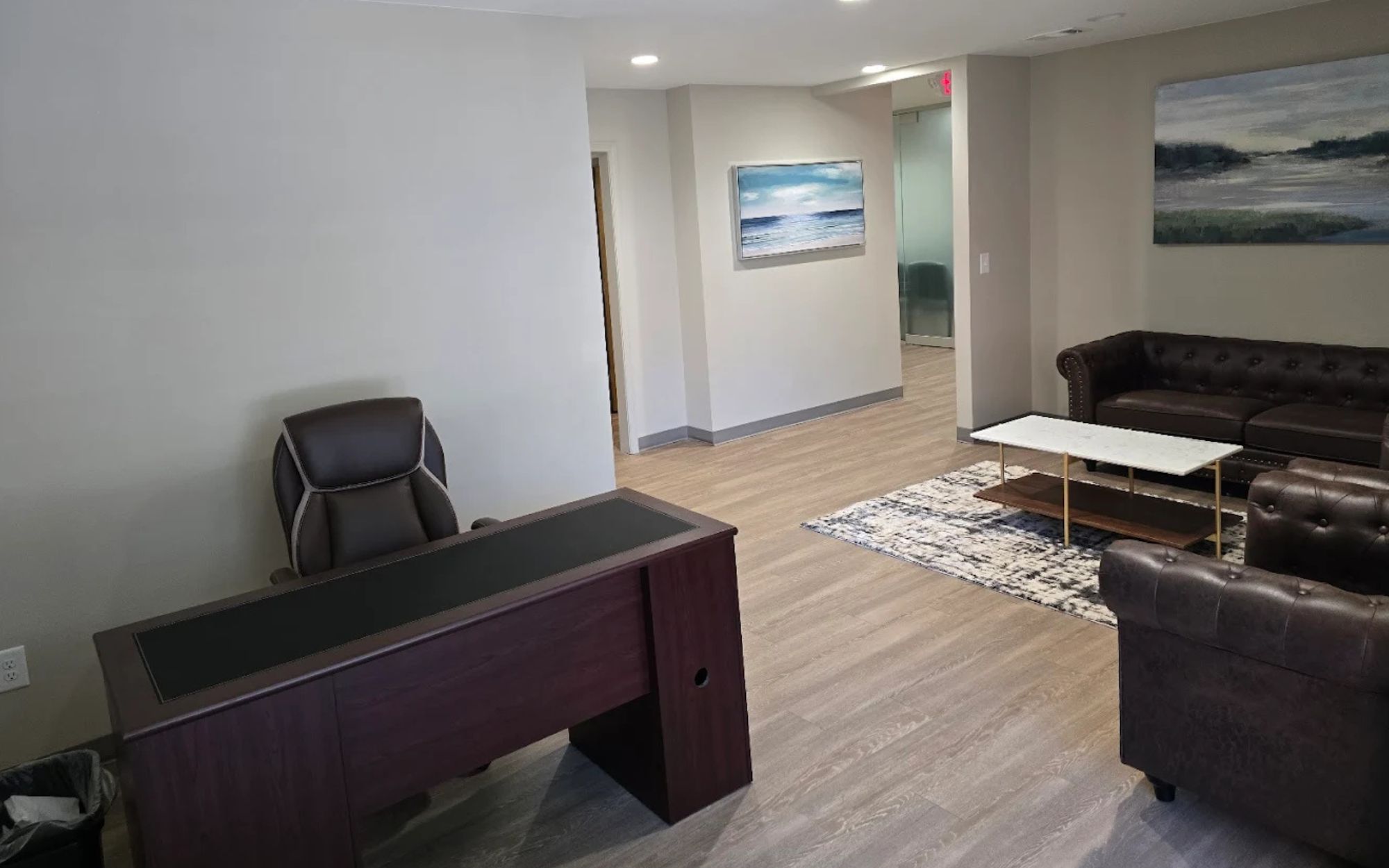
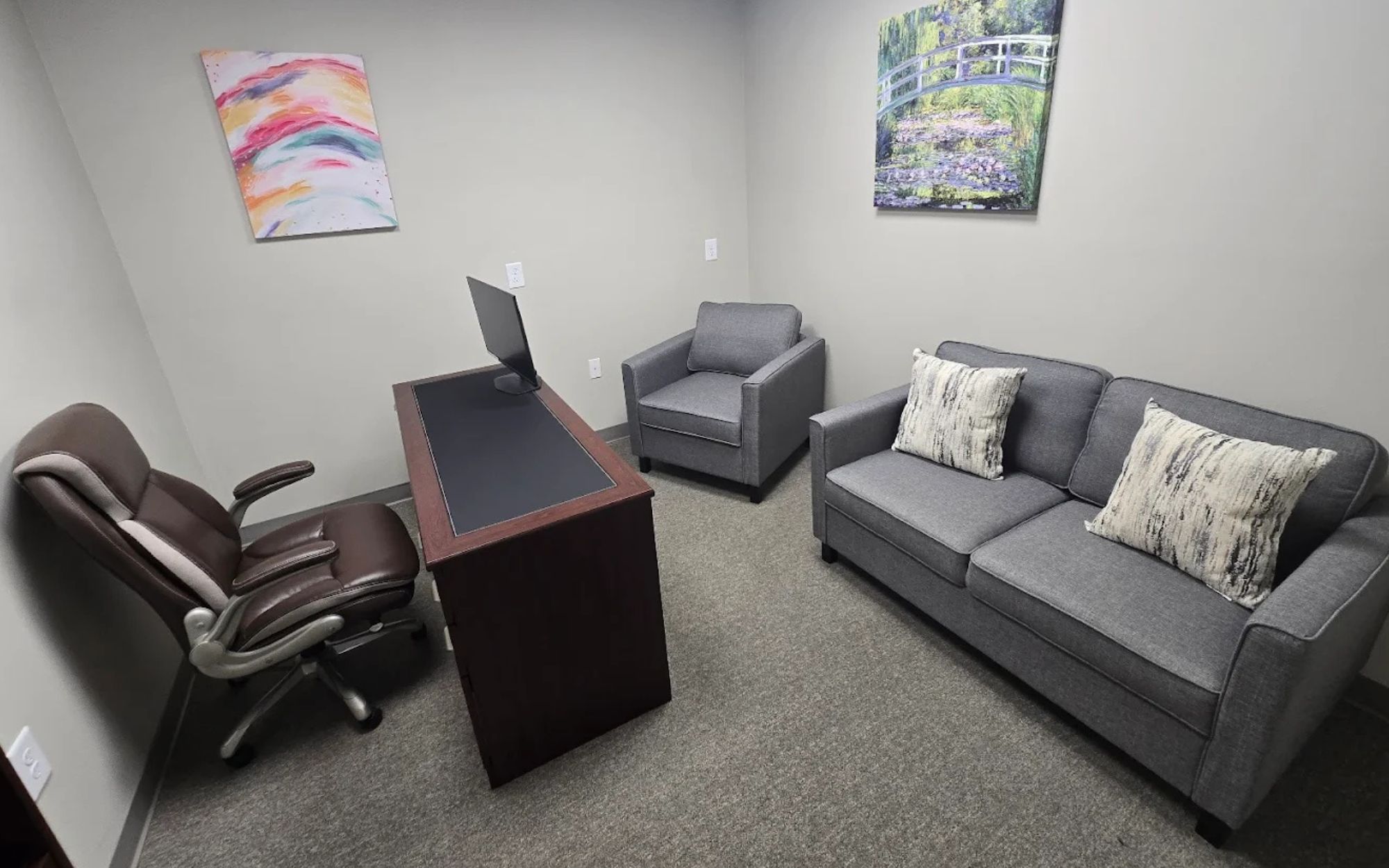
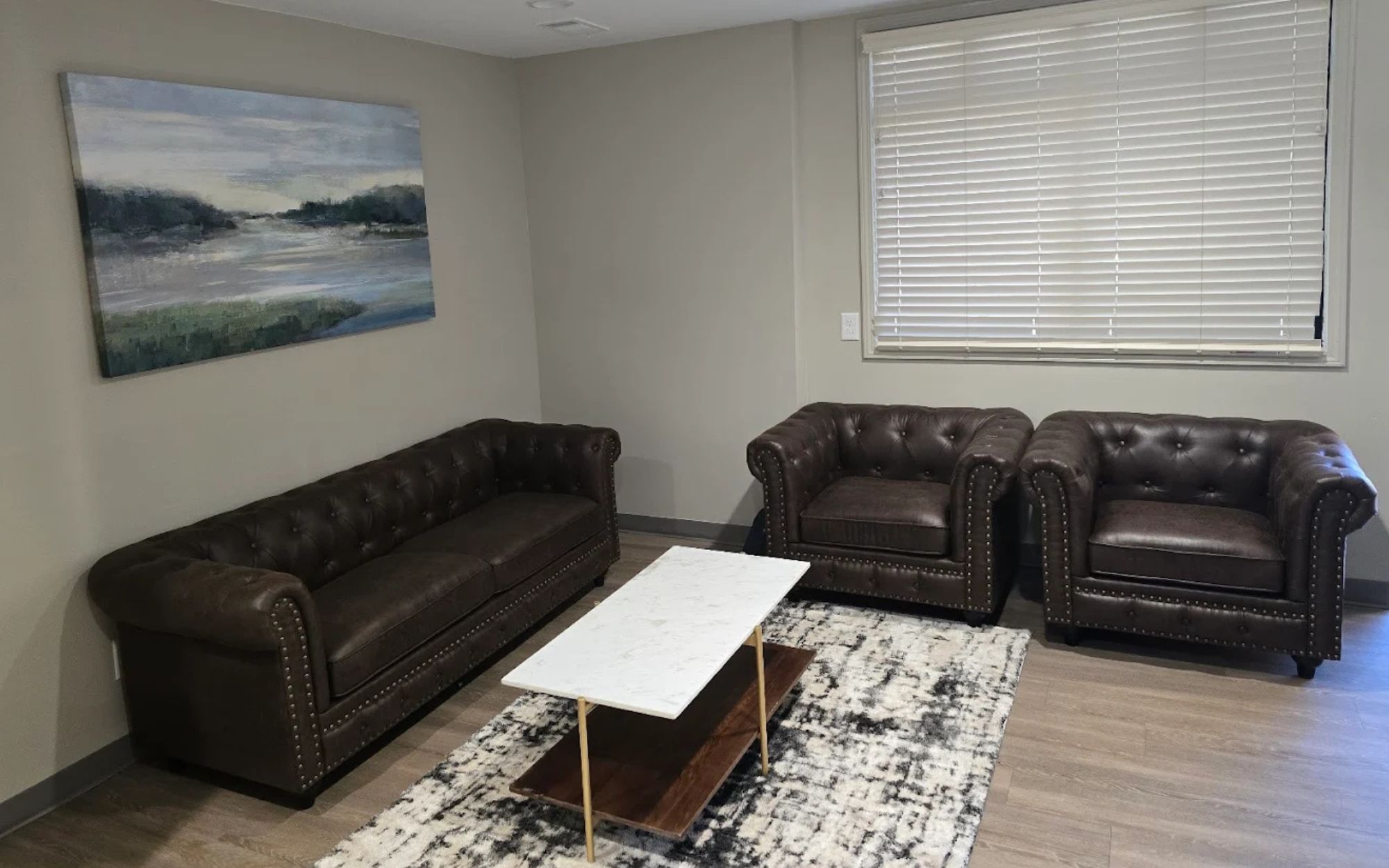
Check out our facility in Atlanta, GA

Discover why our programs are top rated today. Talk with our admissions team about the right treatment plan to bring lasting recovery.

Signs it may be time to get help

Substance use does not have to reach a crisis before professional support becomes appropriate. Changes in health, relationships, responsibilities, or emotional well-being can indicate that treating substance use with professional support should be considered.

Signs may include:

  • Experiencing cravings, withdrawal symptoms, or difficulty controlling alcohol or drug use
  • Trying to cut back or stop without being able to maintain the change
  • Falling behind at work, school, home, or in important relationships
  • Continuing substance use despite negative consequences
  • Using drugs or alcohol to cope with trauma, stress, or mental health conditions
  • Struggling to maintain sobriety without additional support
  • Delaying care because transportation, scheduling, or other practical barriers limit access to addiction treatment

For someone with an alcohol use disorder, another substance use disorder, or co-occurring mental health needs, telehealth may be one of several appropriate treatment options. Others may benefit more from in-person treatment or require medical stabilization before outpatient telehealth services are appropriate.

How does telehealth for substance use disorder treatment work?

Online treatment follows many of the same clinical principles as in-person care, but eligible services are delivered virtually. The exact process depends on the clientโ€™s needs, the services being provided, and whether telehealth is clinically appropriate.

Assessment and treatment planning

Treatment begins with an assessment of your substance use, mental health history, current symptoms, safety needs, and recovery goals. This information helps the clinical team determine appropriate treatment options and whether telehealth services, in-person treatment, or another level of care is the better fit.

When virtual care is appropriate, your treatment plan may include:

  • Scheduled online counseling and telehealth appointments
  • Individual or group-based behavioral health services
  • Support for co-occurring mental health conditions
  • Relapse-prevention and coping-skills development
  • Ongoing evaluation of your symptoms and progress

Your treatment plan can be adjusted as your needs change throughout the recovery journey.

Medication-assisted treatment and medical support

Some people recovering from opioid or alcohol use disorder may also benefit from medication-assisted treatment (MAT). MAT combines approved medications with behavioral therapies and other recovery support.

If you are exploring MAT programs in Georgia, our team can determine which services are clinically appropriate and explain how medication management may fit within your broader treatment plan. Telehealth does not replace necessary medical oversight or in-person medical attention.

the help you need is here

Recovery starts here

If you or someone you love is struggling with substance use or other mental health issues, Lanier Recovery Center can help. Request a callback below to receive care and support you can trust.

"*" indicates required fields

Evidence-based therapies for addiction and mental health care

Telehealth addiction treatment is more than checking in through a screen. When clinically appropriate, treatment can incorporate evidence-based therapies that address substance use, mental health conditions, coping skills, relationships, and the behaviors that can affect long-term recovery.

At Lanier Recovery Center, an individualized treatment plan may draw from services such as:

  • Cognitive behavioral therapy Atlanta helps clients recognize connections between thoughts, emotions, and behaviors while developing healthier responses to triggers.
  • DBT therapy Atlanta focuses on skills such as emotional regulation, distress tolerance, mindfulness, and interpersonal effectiveness.
  • Individual therapy Atlanta provides one-on-one support for exploring substance use patterns, mental health concerns, personal challenges, and recovery goals.
  • Group therapy Atlanta creates opportunities to develop coping skills, build accountability, and connect with others working toward recovery.
  • Family therapy Atlanta can help address communication, boundaries, relationships, and the ways substance use may affect the family system.
  • MAT programs in Georgia may combine medication with behavioral therapies and recovery support when clinically appropriate for opioid or alcohol use disorder.

Support for co-occurring mental health conditions

Substance use and mental health concerns can influence one another, which is why treating both may be important for sustained recovery. Our dual diagnosis treatment Atlanta addresses substance use alongside co-occurring conditions such as anxiety, depression, or trauma within an individualized treatment plan.

When clinically appropriate, psychiatric services Atlanta may also support assessment, medication management, and ongoing mental health care.

Not every therapy or clinical service is necessarily delivered through telehealth. The combination of virtual and in-person services depends on individual needs, clinical recommendations, and the treatment options available through Lanier.

When a higher level of care is needed for substance or mental health conditions

Telehealth and other outpatient services are not appropriate for every stage of recovery. Some clients may need medical detox, inpatient treatment, or residential care when withdrawal symptoms, medical complications, psychiatric instability, or other clinical needs require closer supervision.

Lanier Recovery Center does not provide medical detox, inpatient treatment, or residential care on-site. When a higher level of care is clinically recommended, our admissions team can help identify appropriate placement options based on available clinical and insurance information. After stabilization or live-in treatment, Lanier can assess whether outpatient care is an appropriate next step.

Is addiction treatment delivered by telehealth effective?

Research suggests that telehealth can be an effective way to deliver certain substance use disorder services, although effectiveness depends on the individual, condition, treatment provided, and quality of care.

What does the research show?

Research has been particularly encouraging for telehealth and opioid use disorder treatment. A National Institutes of Health study found that starting buprenorphine treatment through telehealth was associated with better 90-day treatment retention than non-telehealth initiation.

Other research has examined how clinicians view telemedicine services and how virtual treatment compares with traditional care. These findings support telehealth as a legitimate treatment option for appropriately selected patients, rather than simply a substitute when in-person therapy is unavailable.

Why can virtual treatment help?

One of telehealthโ€™s clearest advantages is its ability to increase access to addiction treatment. Virtual services can reduce barriers associated with:

  • Transportation and travel time
  • Geographic distance
  • Work and family schedules
  • Regular trips to a treatment facility
  • Maintaining consistent appointments

Removing those barriers may make it easier for some clients to remain engaged in treatment over time.

Telehealth is not appropriate for everyone

Successful outcomes are never guaranteed, and telehealth is not the right treatment setting for every person. Someone experiencing severe withdrawal, medical complications, acute psychiatric symptoms, or another condition requiring close medical oversight may need in-person or higher-level care.

For clients who are stable enough for outpatient treatment, however, telehealth can provide another evidence-supported way to stay connected to professional care while continuing everyday responsibilities.

Georgia addiction treatment center

How to begin your recovery journey

We know beginning treatment can feel intimidating, so weโ€™ve made the process simple and stress-free.

1

Get in touch
with us

Call or complete our contact form to connect with an admissions specialist who takes the time to listen and understand your situation.

2

Complete an assessment
& insurance review

Our team will review your history, discuss your needs, and confirm insurance coverage or explore self-pay options to make things easy.
3

Start your
treatment

Begin a personalized program built around your goals, supported by evidence-based care and a compassionate clinical team.

Pros and cons of online rehab programs

Telehealth can make addiction treatment easier to fit into everyday life, but virtual care is not appropriate for every person or situation.

Benefits of telehealth rehab

  • Greater flexibility: Attend eligible treatment sessions without traveling to a treatment facility.
  • Improved access: Telehealth can reduce transportation, distance, and scheduling barriers.
  • More privacy: Virtual services allow you to participate from a private setting when appropriate.
  • Continuity of care: Online treatment can make it easier to maintain regular appointments alongside work, school, or family responsibilities.

Limitations of virtual treatment

Telehealth requires a private, stable environment and reliable technology. Being at home can also make it harder to separate treatment from triggers or distractions.

Most importantly, virtual outpatient care cannot replace necessary medical supervision. Someone experiencing severe withdrawal, medical complications, or other acute concerns may need medical detox or another higher level of in-person treatment before telehealth is appropriate.

Feature Telehealth Treatment Hybrid / In-Person IOP Residential In-Person
Flexibility & Convenience Highest flexibility, zero commute time. Moderate flexibility, requires some travel. Lowest flexibility, requires a stay at the facility.
Ideal Patient Profile Highly motivated, stable home environment. Needs some structure but maintains daily routines. Needs 24/7 support and immediate safety stabilization.
Separation from Triggers Low separation, requires active boundary setting at home. Moderate separation during clinic hours. Complete separation from all outside triggers.
Time Commitment Varies, easily fits around work schedules. 9 to 15 hours per week at the facility. Full-time, 24 hours a day for 30 to 90 days.

What sets lanier recovery center apart

Our approach to addiction and mental health treatment is built on comprehensive care, compassionate support, and individualized recovery paths that lead to lasting change.

Depth

We go beyond surface-level treatment to address the root causes of addiction and mental health challenges for lasting healing.

Support

Our compassionate team provides steady guidance, encouragement, and care at every stage of the recovery journey.

Strength

Through personalized therapy and skill-building, we help individuals rediscover confidence and inner resilience.

Accountability

We create structured support systems that promote responsibility, consistency, and long-term recovery success.

Aftercare

Our aftercare planning and alumni support ensure continued connection and stability long after treatment ends.

Flexibility

We offer adaptable treatment options that fit real-life responsibilities while maintaining consistent, high-quality care.

Is telehealth or online rehab right for me?

Telehealth can be a practical treatment option for people who are clinically appropriate for outpatient care and have a stable environment where they can participate consistently.

Telehealth may be a good fit if you:

  • Have a safe, private place to participate in treatment
  • Can reliably attend scheduled virtual sessions
  • Want to balance treatment with work, school, or family responsibilities
  • Have reliable internet access and an appropriate device
  • Do not currently require 24-hour medical supervision or stabilization
  • Are comfortable participating in therapy through a virtual setting

The appropriate treatment format should ultimately be based on clinical needs rather than convenience alone. If greater structure is appropriate, Lanier also offers IOP Atlanta and other in-person outpatient treatment options.

Insurance coverage for telehealth treatment

Insurance benefits for telehealth addiction treatment can vary by health plan, provider network, service, and medical necessity requirements. Depending on your plan, deductibles, copayments, coinsurance, or authorization requirements may also apply.

Before beginning care, verify your insurance to better understand your available benefits. Our admissions team can review:

  • Whether telehealth services may be eligible for coverage
  • Network requirements
  • Deductibles, copayments, and coinsurance
  • Prior authorization requirements
  • Available information about potential out-of-pocket costs

Insurance verification does not guarantee coverage, authorization, payment, or final cost. Those decisions remain with the applicable insurance plan or administrator.

Privacy during telehealth appointments

Privacy is an important part of online mental health and addiction treatment. Guidance from the U.S. Department of Health and Human Services outlines privacy and security considerations for healthcare providers delivering telehealth services.

Clients can also support privacy by choosing a quiet location, limiting interruptions, using headphones when appropriate, and protecting access to the device used for treatment. This creates a more comfortable environment for discussing substance use, mental health concerns, and recovery progress.

Lanier Recovery Center can help you
We understand that getting help for addiction can be challenging. Start with a free addiction assessment today.

Frequently asked questions

Research suggests telehealth can be an effective way to deliver substance use disorder treatment for appropriately selected clients. Studies comparing virtual and face-to-face services have found similar outcomes in areas such as treatment engagement and patient satisfaction. Effectiveness still depends on individual needs, the services provided, and consistent participation in treatment.

Online therapy may use many of the same evidence-based counseling approaches delivered during in-person treatment. Depending on the treatment plan, clients may work with a therapist through scheduled video sessions to address substance use, triggers, coping strategies, relapse prevention, and recovery goals. Some telehealth models also use telephone-based recovery support, telephone-based services, or text messaging to support engagement between appointments.

Yes, telehealth may be appropriate for mental health treatment when substance use occurs alongside anxiety, depression, trauma, or other mental health conditions. This integrated approach allows mental health care and addiction treatment needs to be addressed together when virtual services are clinically appropriate.

Online counseling can increase access to addiction treatment by reducing transportation and geographic barriers. Current practices may involve video visits and other digital tools. Research has also examined the organizational implementation characteristics that influence how treatment programs adopt telehealth technologies.

Usually, clients need a reliable internet connection, a private location, and a compatible computer, tablet, or phone. Some digital health programs may also incorporate mobile apps, smartphone applications, or text messaging, but these tools vary by treatment provider. Before beginning care, confirm technology requirements and telehealth benefits with your insurance provider.

Lanier Recovery Centerโ€™s top values

Every treatment will be uniquely tailored to you, because youโ€™re unique.

Sober living

Our team is 100% sober, including from Alcohol. We help our clients achieve sobriety and stick to it through thick and thin, because sobriety is the foundation of a fulfilling life.

Integrity

Our team is 100% sober, including from Alcohol. We help our clients achieve sobriety and stick to it through thick and thin, because sobriety is the foundation of a fulfilling life.

Everyone belongs

Our team is 100% sober, including from Alcohol. We help our clients achieve sobriety and stick to it through thick and thin, because sobriety is the foundation of a fulfilling life.

Limitless potential

Our team is 100% sober, including from Alcohol. We help our clients achieve sobriety and stick to it through thick and thin, because sobriety is the foundation of a fulfilling life.

Your next steps toward virtual support at Lanier Recovery Center

At Lanier Recovery Center, treatment is built around the individual. Our team can assess your needs, discuss whether virtual or in-person outpatient care is appropriate, and help you understand the treatment options available through our programs. If your needs change along the way, your treatment plan can change with them. Whether you are beginning your recovery journey or looking for continued support to maintain long-term recovery, you do not have to figure out the next step alone. Contact us today or call (470) 470-5697 to speak with our admissions team, explore your treatment options, and find a level of care that supports your needs.

If youโ€™re looking for more information, connect with our team by phone, email, or through our online form. Weโ€™re here to answer your questions, talk through your options, and support you as you begin your path toward lasting recovery.

Sources

U.S. Food and Drug Administration. (June 16, 2026). Augmented Reality and Virtual Reality in Medical Devices. U.S. Food and Drug Administration.

National Institutes of Health. (October 18, 2023). Telehealth supports retention in treatment for opioid use disorder. National Institutes of Health.

Centers for Medicare & Medicaid Services. (August 31, 2022). Increased Use of Telehealth for Opioid Use Disorder Services During the COVID-19 Pandemic Associated with Reduced Overdose Risk, Better Retention. Centers for Medicare & Medicaid Services.

Substance Abuse and Mental Health Services Administration. (September 26, 2025). Managing Life with Co-Occurring Disorders. Substance Abuse and Mental Health Services Administration.

U.S. Department of Health and Human Services. (October 17, 2023). Telehealth Privacy and Security Tips for Patients. U.S. Department of Health and Human Services.

Substance Abuse and Mental Health Services Administration. (December 29, 2021). Telemedicine Services in Substance Use and Mental Health Treatment Facilities. Substance Abuse and Mental Health Services Administration.

we are here for you

Get the help you need today.

Together, we can help you build a brighter future of wellness.

Free & easy insurance check

alliant
care source
multiplan
united healthcare
cigna
beacon
bluecross
tricare

Request a confidential call

"*" indicates required fields

This field is for validation purposes and should be left unchanged.
Preferred method*
Get Treatment For All Your Healthcare Needs

Other treatment programs

Request A Confidential Call

Request a call and a Lanier Recovery Center team member will be in touch.

"*" indicates required fields