Request a call to speak with an admissions specialist. We are here to help you.

"*" indicates required fields

Panic disorder treatment Atlanta

Finding a panic disorder specialist Atlanta residents feel comfortable with can be difficult when panic attacks and substance use are happening together. A racing heart, shortness of breath, or sudden fear of losing control can make everyday life feel unpredictable. You may also worry that the alcohol or drugs you have used to cope are making things worse. At Lanier Recovery Center, we can help you consider both concerns through compassionate outpatient care and a treatment plan shaped around your needs.
Free Insurance Check

Free & Confidential | HIPAA Compliant | No Obligation

"*" indicates required fields

1
2
3
4
This field is for validation purposes and should be left unchanged.
panic disorder specialist atlanta

Understanding panic disorder and substance use

Panic disorder involves repeated, unexpected panic attacks followed by ongoing worry about another attack or changes in behavior to avoid one. A single panic attack does not necessarily mean you have panic disorder. Our anxiety treatment Atlanta approach begins with understanding your symptoms and how they affect daily life.

A panic attack can bring intense fear and physical sensations that seem to appear without warning. Some people begin avoiding driving, shopping, work, or social situations because they fear the next panic attack. This avoidance can gradually make life feel smaller.
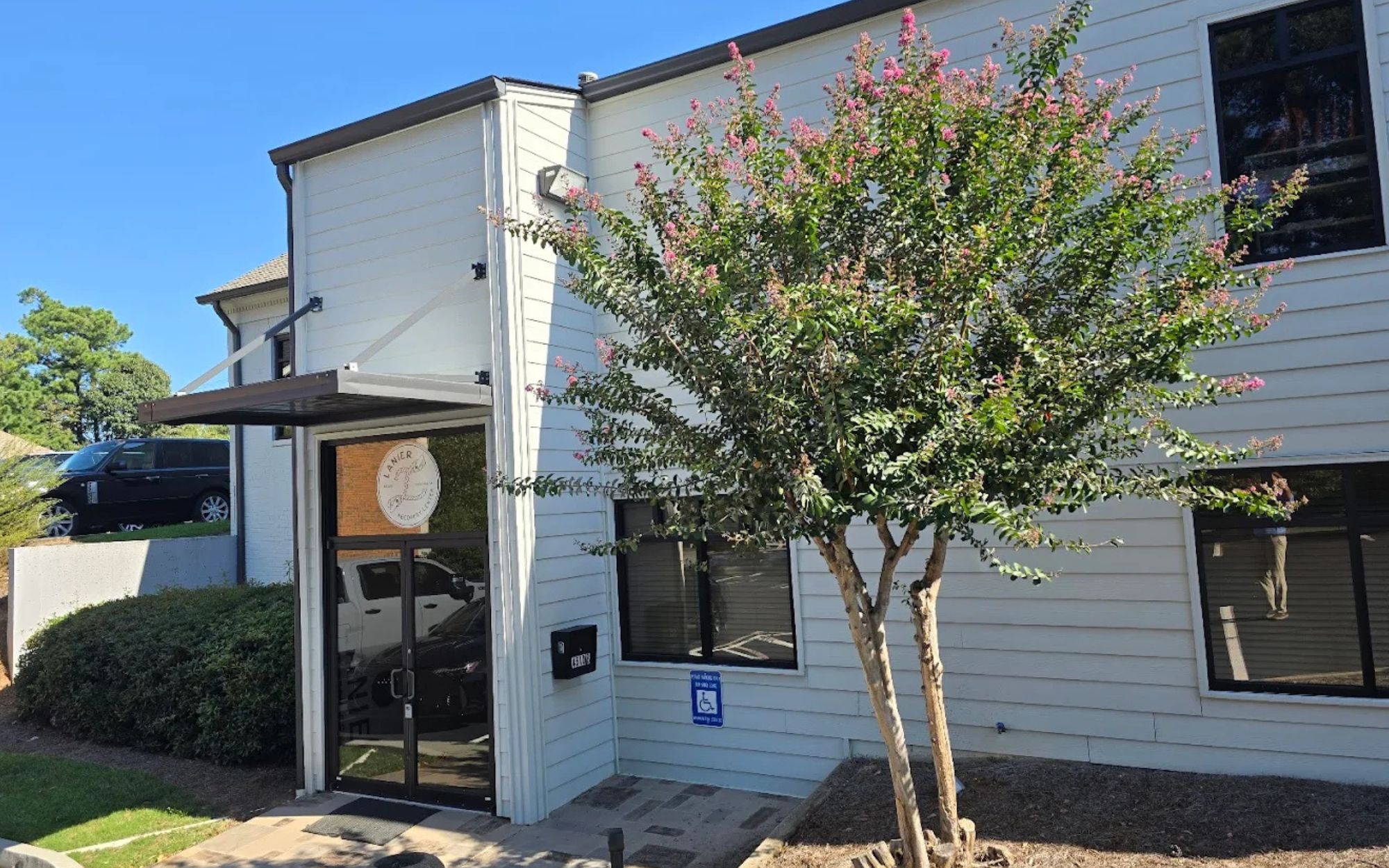
Table of Contents

Experience What it may involve
Panic attack A sudden episode of intense fear or discomfort with physical symptoms
Panic disorder Repeated, unexpected attacks along with ongoing worry or avoidance
Substance-related symptoms Anxiety or physical symptoms that may occur during use, intoxication, or withdrawal

These experiences can overlap. A careful assessment helps your treatment team consider what is contributing to your symptoms instead of assuming every episode has the same cause.

Panic disorder symptoms and nocturnal panic attacks

Panic attack symptoms can feel frighteningly physical. They may include:

  • Heart and breathing changes. A racing heart, chest discomfort, or shortness of breath.
  • Body sensations. Trembling, sweating, dizziness, nausea, or tingling.
  • Intense fear. A feeling of impending doom, losing control, or needing to escape.
  • Ongoing worry. Concern about when another attack might happen.
  • Avoidance behaviors. Changing your routine to avoid places or sensations associated with past attacks.

Panic attacks can also occur during sleep. These nocturnal panic attacks may wake you suddenly with fear and physical symptoms, even when you cannot identify a clear trigger. If chest pain or breathing symptoms are new, severe, or difficult to distinguish from a medical problem, seek a medical evaluation rather than assuming they are caused by panic.

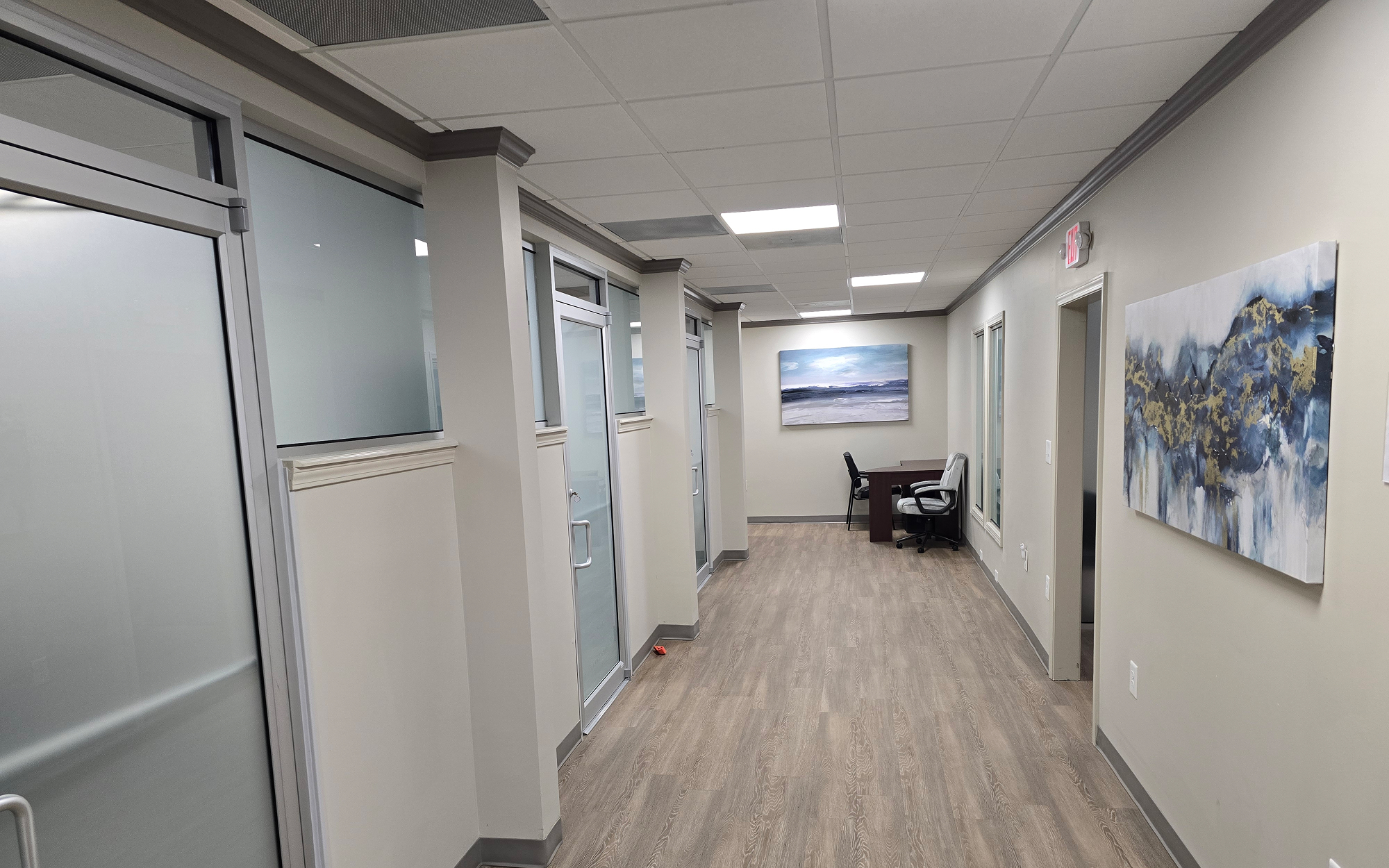
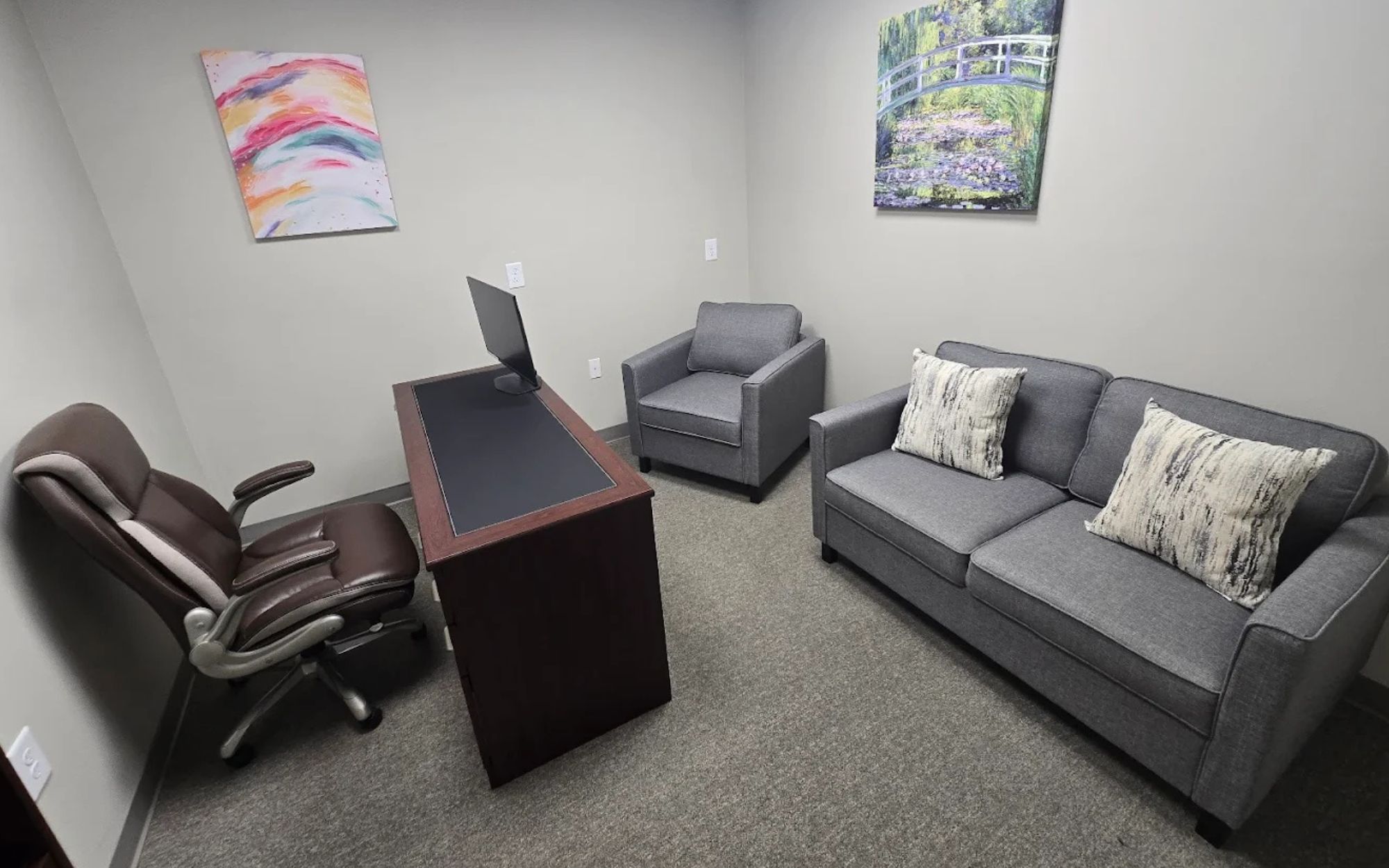
Check out our facility in Atlanta, GA

Discover why our programs are top rated today. Talk with our admissions team about the right treatment plan to bring lasting recovery.

Why panic disorder can develop

Panic disorder often begins in the late teens or early adulthood, although symptoms can start at other times. Family history may play a role, and stressful life events or other environmental factors can affect how someone responds to fear. The exact reason one person develops panic disorder while another does not remains unclear.

During panic attacks, the bodyโ€™s fear response can feel urgent even when there is no immediate danger. After an attack, worrying about the next one may make ordinary bodily sensations feel threatening. That cycle can increase anxiety symptoms and lead someone to avoid places or activities they once enjoyed.

These factors are useful to discuss in treatment, but none of them determines your future. You can learn to manage panic disorder symptoms even if you have experienced attacks for a long time.

How panic and substance use can affect each other

Some people use alcohol or other substances for short-term relief from overwhelming fear. That relief may wear off quickly, and substance use or withdrawal can contribute to anxiety and physical sensations that feel similar to panic. This can make it difficult to tell which concern needs attention first.

Our dual diagnosis treatment Atlanta approach considers substance use and mental health symptoms together. You can work with your treatment team to identify patterns, develop coping skills, and address both concerns within a coordinated outpatient plan.

If stopping alcohol or another substance could cause withdrawal, the appropriate level of medical care should be assessed before making abrupt changes. If you need higher levels of care, we can help you consider the next appropriate step.

the help you need is here

Recovery starts here

If you or someone you love is struggling with substance use or other mental health issues, Lanier Recovery Center can help. Request a callback below to receive care and support you can trust.

"*" indicates required fields

How a mental health professional evaluates panic symptoms

A mental health professional will ask when your attacks began, how often they happen, whether they seem unexpected, and whether fear of another attack has changed your daily life. The American Psychiatric Associationโ€™s Diagnostic and Statistical Manual of Mental Disorders provides diagnostic criteria, but a diagnosis requires clinical judgment, not a symptom checklist alone.

Assessment is especially important when alcohol or other drugs are involved. Substance use, withdrawal, other mental health conditions, and physical health concerns can produce similar symptoms. A primary care provider may help evaluate physical causes, particularly when chest pain, trembling, or shortness of breath is new or concerning.

You can also discuss depression, obsessive-compulsive disorder, or other concerns if they are part of your experience. Understanding the full picture helps your team recommend care that fits you rather than treating every frightening sensation as the same problem.

How panic disorder treatment can help

Effective treatment for panic disorder may include talk therapy, medication prescribed by an appropriate health care provider, or both. The right combination depends on your symptoms, medical history, substance use, preferences, and treatment goals.

Cognitive behavioral therapy and exposure therapy

>Cognitive behavioral therapy (CBT) helps you notice negative thought patterns and change how you respond to panic symptoms. For example, a pounding heart may lead to the thought that something catastrophic is about to happen. CBT can help you examine that fear and practice a different response. Our cognitive behavioral therapy Atlanta approach can be part of a broader plan for anxiety and substance use.

Exposure therapy is a CBT method that gradually addresses feared situations or bodily sensations with professional support. The pace should reflect your needs. The goal is to reduce avoidance and build confidence, not to push you into a situation before you are prepared.

Breathing exercises and other relaxation techniques may also help you respond to physical sensations during panic. They are tools to practice alongside treatment, not a substitute for understanding the patterns behind your symptoms.

Practicing cognitive behavioral therapy (CBT) in daily life

CBT is also called talk therapy, but the work can continue between conversations with your therapist. You might notice what happened before a panic attack, write down the thought that followed, and consider whether there is another way to understand the physical sensations. This can make negative thought patterns easier to recognize when they appear again.

Treating panic disorder often involves gradually returning to activities you have avoided. With a therapistโ€™s support, you can set manageable goals and practice responding to fear without immediately leaving the situation or using a substance for short-term relief. The aim is to build confidence over time, at a pace that fits your treatment plan.

Medication and a coordinated treatment plan

Selective serotonin reuptake inhibitors (SSRIs) and serotonin-norepinephrine reuptake inhibitors (SNRIs) are among the medications a qualified prescriber may consider for panic disorder. These antidepressant medications generally take several weeks to begin helping, and the choice depends on your medical needs and other medications.

Medication decisions require particular care when substance use is part of the picture. Some fast-acting anti-anxiety medications can cause dependence, so a prescriber should weigh potential benefits and risks with you. Lanierโ€™s outpatient team can coordinate with appropriate licensed psychiatric providers when medication evaluation or management is needed.

You do not need to choose between treating panic and addressing substance use. A coordinated treatment plan can consider therapy, medication support when appropriate, relapse prevention, and your goals for daily life.

Georgia addiction treatment center

How to begin your recovery journey

We know beginning treatment can feel intimidating, so weโ€™ve made the process simple and stress-free.

1

Get in touch
with us

Call or complete our contact form to connect with an admissions specialist who takes the time to listen and understand your situation.

2

Complete an assessment
& insurance review

Our team will review your history, discuss your needs, and confirm insurance coverage or explore self-pay options to make things easy.
3

Start your
treatment

Begin a personalized program built around your goals, supported by evidence-based care and a compassionate clinical team.

Panic disorder care in our outpatient programs

Lanier Recovery Center offers outpatient levels of care with different amounts of structure. Our PHP Atlanta provides more frequent daytime support, while IOP Atlanta offers structured treatment with more flexibility for work, school, and family responsibilities.

Our outpatient rehab Atlanta GA can provide ongoing support as you practice coping skills with greater independence. Your clinical assessment helps determine which level fits your current symptoms, substance use concerns, and support system.

Individual sessions can give you space to discuss panic symptoms and the ways you have tried to cope. Group therapy Atlanta may help you practice skills and connect with others, while family therapy Atlanta can help loved ones understand how to support you without judgment.

What sets lanier recovery center apart

Our approach to addiction and mental health treatment is built on comprehensive care, compassionate support, and individualized recovery paths that lead to lasting change.

Depth

We go beyond surface-level treatment to address the root causes of addiction and mental health challenges for lasting healing.

Support

Our compassionate team provides steady guidance, encouragement, and care at every stage of the recovery journey.

Strength

Through personalized therapy and skill-building, we help individuals rediscover confidence and inner resilience.

Accountability

We create structured support systems that promote responsibility, consistency, and long-term recovery success.

Aftercare

Our aftercare planning and alumni support ensure continued connection and stability long after treatment ends.

Flexibility

We offer adaptable treatment options that fit real-life responsibilities while maintaining consistent, high-quality care.

What to expect when you reach out

You can begin by telling us what has been happening, even if you are unsure whether the symptoms are panic attacks, substance-related, or both. We can discuss your concerns, treatment history, and the ways your symptoms affect work, relationships, sleep, and daily routines.

A mental health professional can assess panic disorder symptoms, while a primary care provider can help evaluate possible physical causes of new or concerning symptoms. From there, your treatment plan can focus on the support you need now and change as your needs change.

You don’t need every answer before starting. The first step is a conversation about what you are experiencing and what kind of care may help.

Lanier Recovery Center can help you
We understand that getting help for addiction can be challenging. Start with a free addiction assessment today.

Frequently asked questions

A primary care provider can help assess physical symptoms that may resemble panic, especially if chest pain or shortness of breath is new or concerning. Family physicians can also review your health history and help determine whether you need further evaluation. You do not have to decide on your own whether an episode was a panic attack or a physical health problem.

Ask about their experience treating panic disorder alongside substance use, how they approach therapy, and what happens when you feel overwhelmed during a session. A good fit should make it easier to talk honestly about your symptoms and goals. You can also ask how your care would coordinate with other mental health support you may need.

If you have already discussed the symptoms with a health care provider and have a plan, try to follow it. Slowing your breathing, noticing what you can see and feel around you, and reminding yourself that the sensation will change may help you stay grounded. Panic attacks often last from a few minutes to an hour, though the experience varies.

Lanier offers in-person outpatient care and virtual IOP options. Whether virtual sessions are appropriate depends on your symptoms, substance use concerns, safety, and treatment goals. Group therapy and individual work may be part of a structured plan, but an assessment should determine the format and level of care.

Yes. Some people experience panic alongside depression or other mental health conditions, and substance use may complicate both. A coordinated plan can consider these concerns together through therapy and additional support when appropriate. Tell your treatment team about changes in mood and panic symptoms so they can adjust your care as needed.

Lanier Recovery Centerโ€™s top values

Every treatment will be uniquely tailored to you, because youโ€™re unique.

Sober living

Our team is 100% sober, including from Alcohol. We help our clients achieve sobriety and stick to it through thick and thin, because sobriety is the foundation of a fulfilling life.

Integrity

Our team is 100% sober, including from Alcohol. We help our clients achieve sobriety and stick to it through thick and thin, because sobriety is the foundation of a fulfilling life.

Everyone belongs

Our team is 100% sober, including from Alcohol. We help our clients achieve sobriety and stick to it through thick and thin, because sobriety is the foundation of a fulfilling life.

Limitless potential

Our team is 100% sober, including from Alcohol. We help our clients achieve sobriety and stick to it through thick and thin, because sobriety is the foundation of a fulfilling life.

Find support for panic disorder and substance use

When panic attacks and substance use are connected, it can be hard to know where to begin. You may be trying to manage frightening physical symptoms while also wondering whether alcohol or drugs are making them worse. You do not need to sort that out alone or have a diagnosis before reaching out. You deserve a calm, respectful setting where you can discuss both concerns and feel heard. Lanier Recovery Center provides outpatient addiction and dual diagnosis care in Suwanee, Georgia. We can listen to what you have been experiencing, discuss how panic and substance use affect your daily life, and help you understand which outpatient options may fit your needs. To start that conversation, contact us by calling (470) 470-5697.

If youโ€™re looking for more information, connect with our team by phone, email, or through our online form. Weโ€™re here to answer your questions, talk through your options, and support you as you begin your path toward lasting recovery.

Sources

National Institute of Mental Health. Panic disorder: What you need to know.

National Institute for Health and Care Excellence. Generalised anxiety disorder and panic disorder in adults: Management.

Substance Abuse and Mental Health Services Administration. Integrated treatment for co-occurring disorders.

we are here for you

Get the help you need today.

Together, we can help you build a brighter future of wellness.

Free & easy insurance check

alliant
care source
multiplan
united healthcare
cigna
beacon
bluecross
tricare

Request a confidential call

"*" indicates required fields

This field is for validation purposes and should be left unchanged.
Preferred method*
Get Treatment For All Your Healthcare Needs

Other Mental health treatments

Request A Confidential Call

Request a call and a Lanier Recovery Center team member will be in touch.

"*" indicates required fields