Request a call to speak with an admissions specialist. We are here to help you.

"*" indicates required fields

Virtual intensive outpatient program

Pausing your career or moving away from your family is not the only way to access structured addiction treatment. A virtual IOP provides addiction and mental health support through virtual sessions, allowing clinically appropriate clients to participate from home while remaining connected to work, school, family, and other responsibilities.
Free Insurance Check

Free & Confidential | HIPAA Compliant | No Obligation

"*" indicates required fields

1
2
3
4
This field is for validation purposes and should be left unchanged.
Virtual IOP programs in Atlanta proudly partner with an expert team of experienced therapists who address mental health challenges with specialized services that offer flexible scheduling.

What is a virtual IOP?

A virtual intensive outpatient program, or virtual IOP, provides structured addiction and mental health treatment through online therapy while allowing participants to remain at home. It offers more support than traditional weekly therapy without requiring an overnight stay, making it a practical option for adults balancing treatment with work, school, family life, or other daily responsibilities.

At Lanier Recovery Center, our IOP in Atlanta is built around personalized treatment and evidence-based care. When virtual options are clinically appropriate, the program can provide structured support while clients continue managing everyday life.
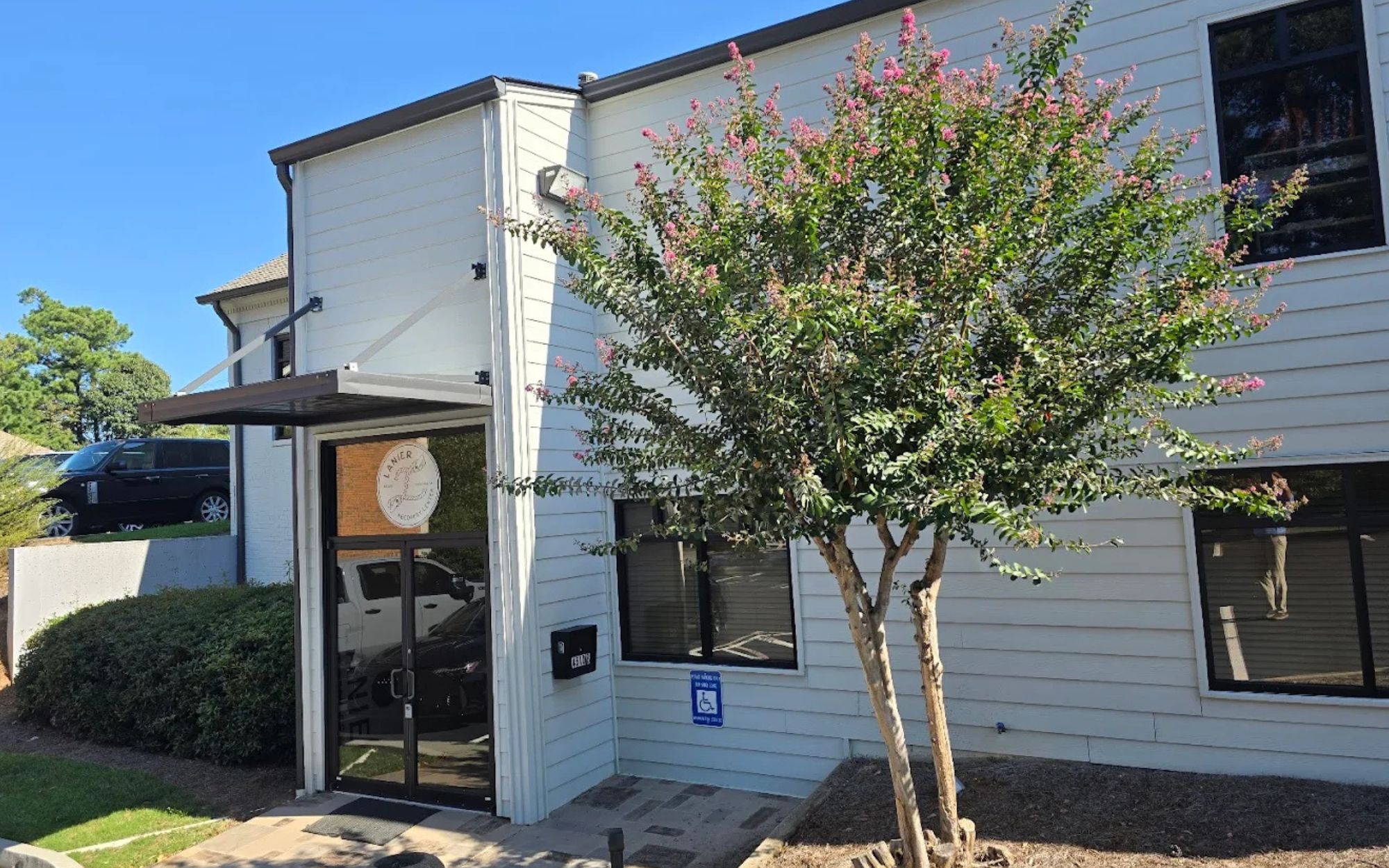
Table of Contents

Who may be a good fit for virtual IOP?

Virtual IOP may be appropriate for people who:

  • Are clinically stable and do not require 24-hour medical supervision
  • Have a safe, supportive home environment for online treatment
  • Need more structure than traditional therapy but are appropriate for outpatient care
  • Want to continue working, attending school, or managing family responsibilities during treatment
  • Can participate consistently from a private setting using a personal device
  • Are comfortable receiving support through virtual services and online counseling
  • Need ongoing accountability as part of a broader recovery plan

Virtual IOP is not the right fit for everyone. The appropriate level of care depends on clinical needs, current stability, home environment, and the amount of support required. A thorough assessment helps determine whether virtual IOP, in-person outpatient care, or another treatment option is the better fit.

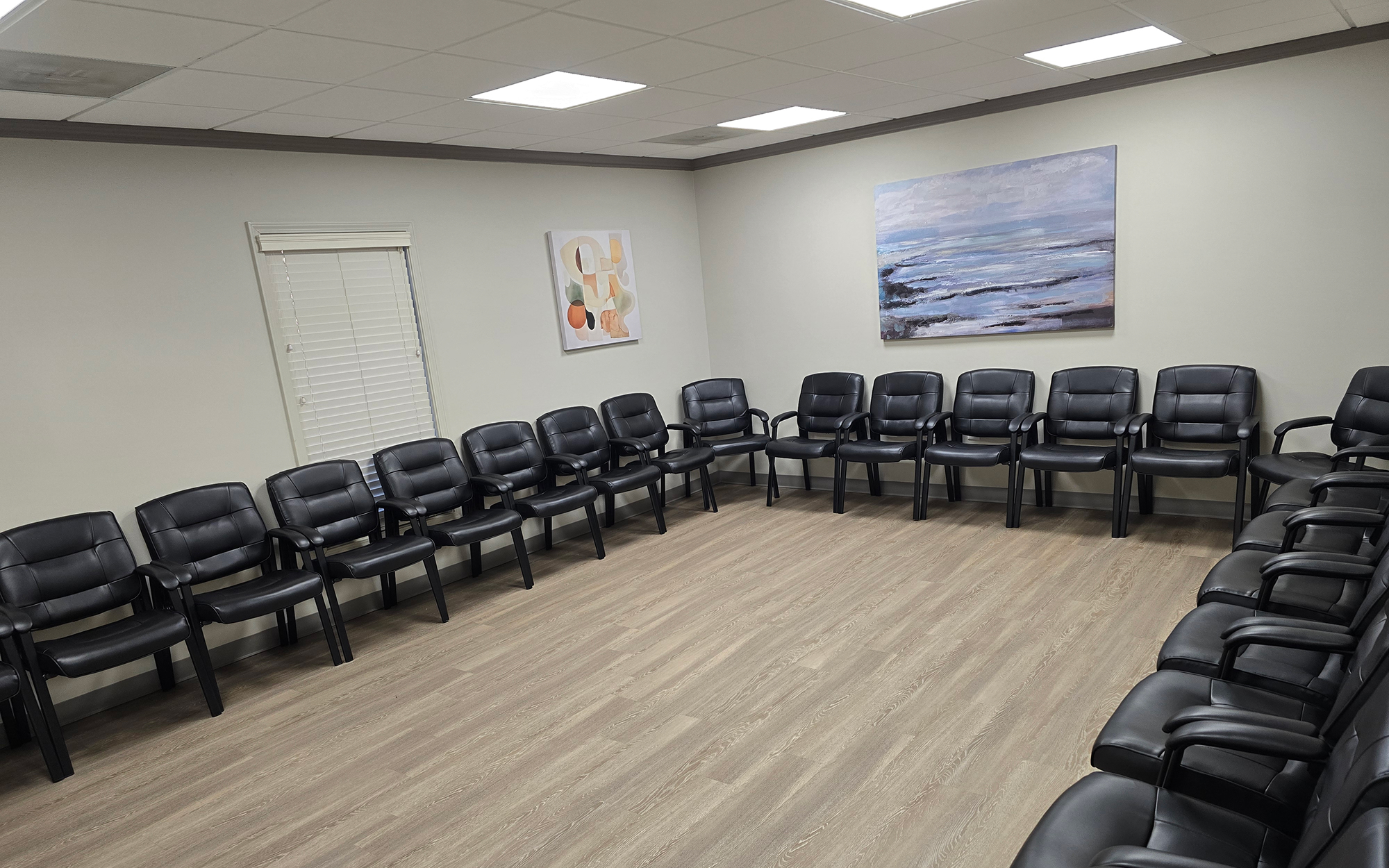
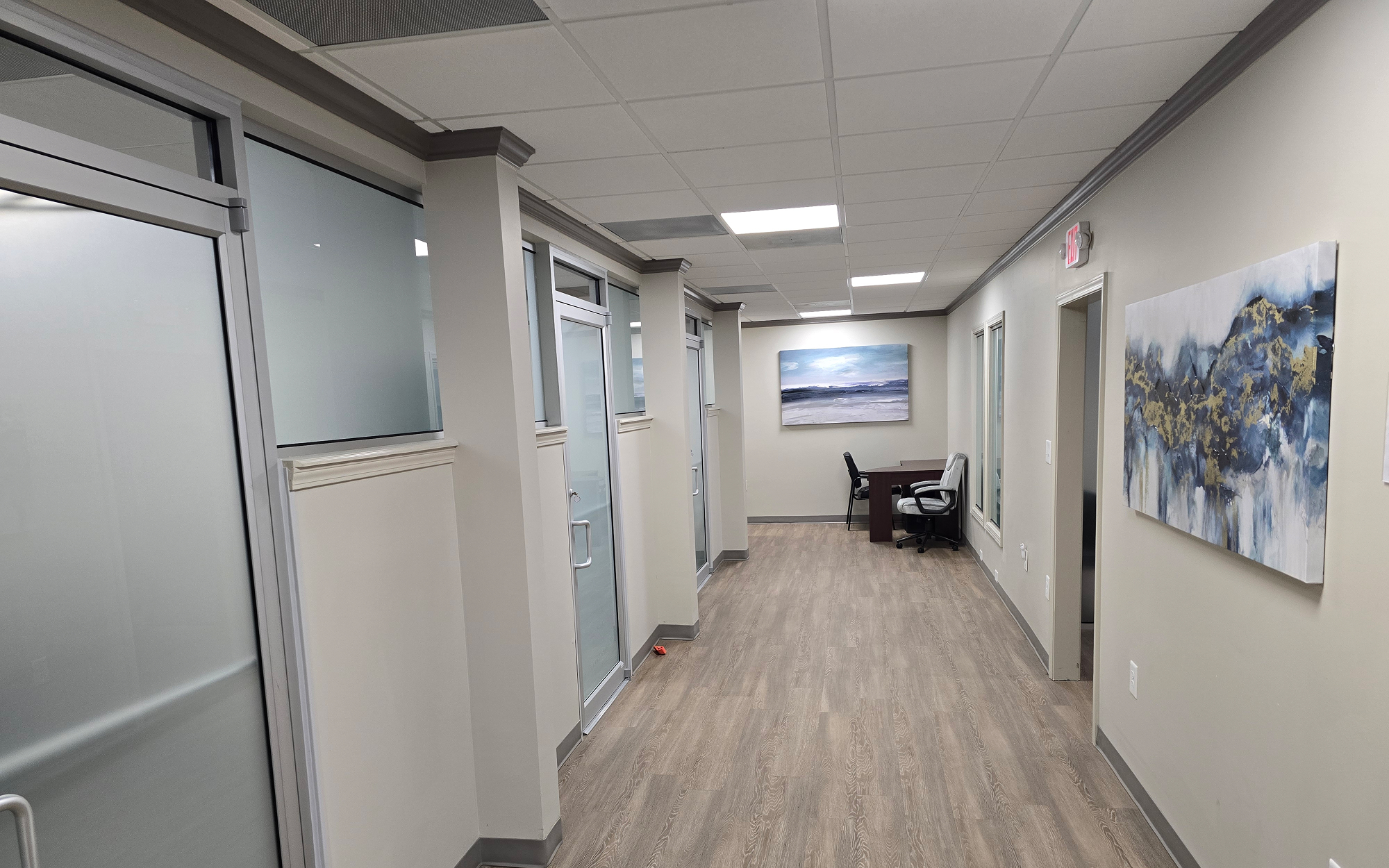
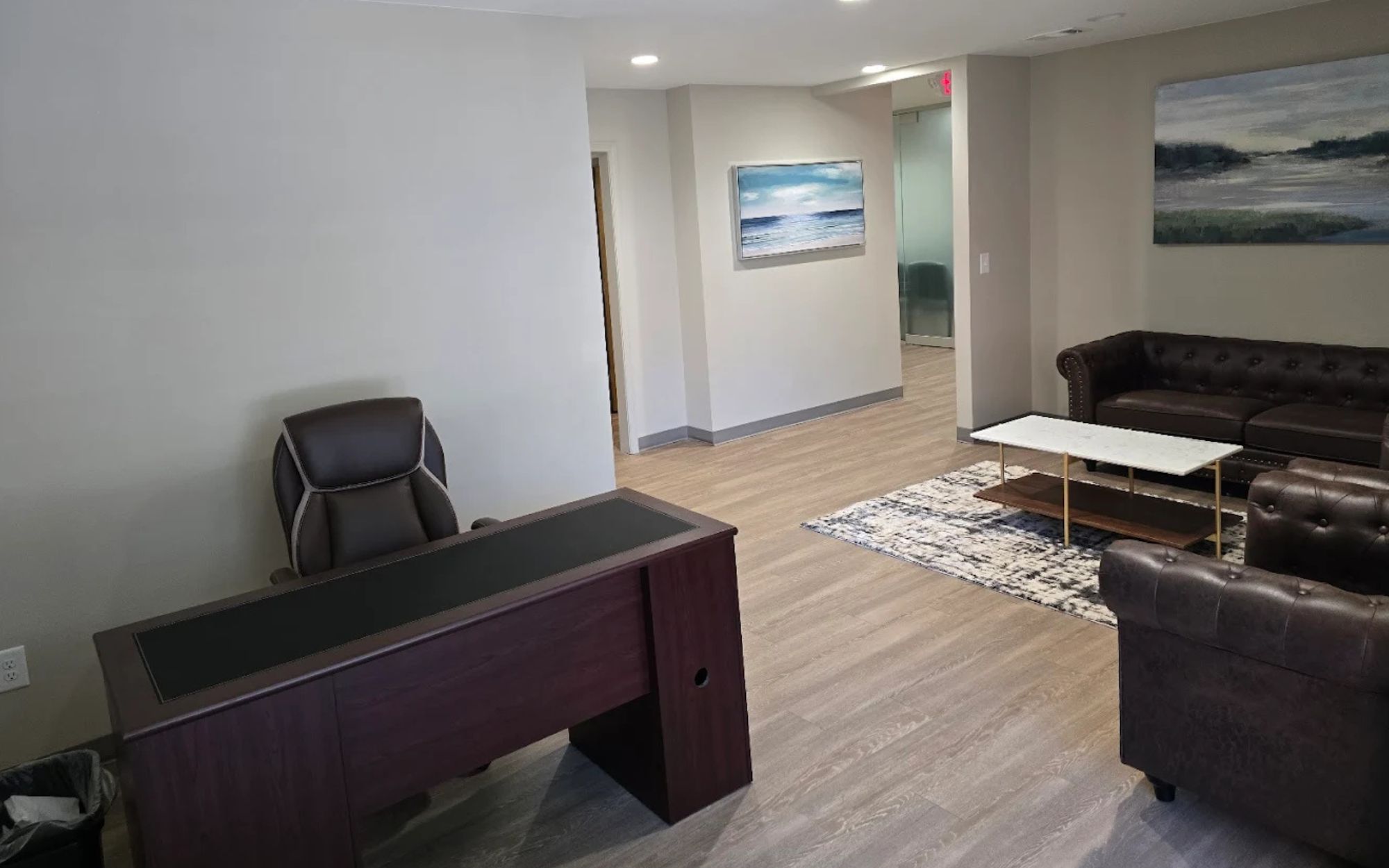
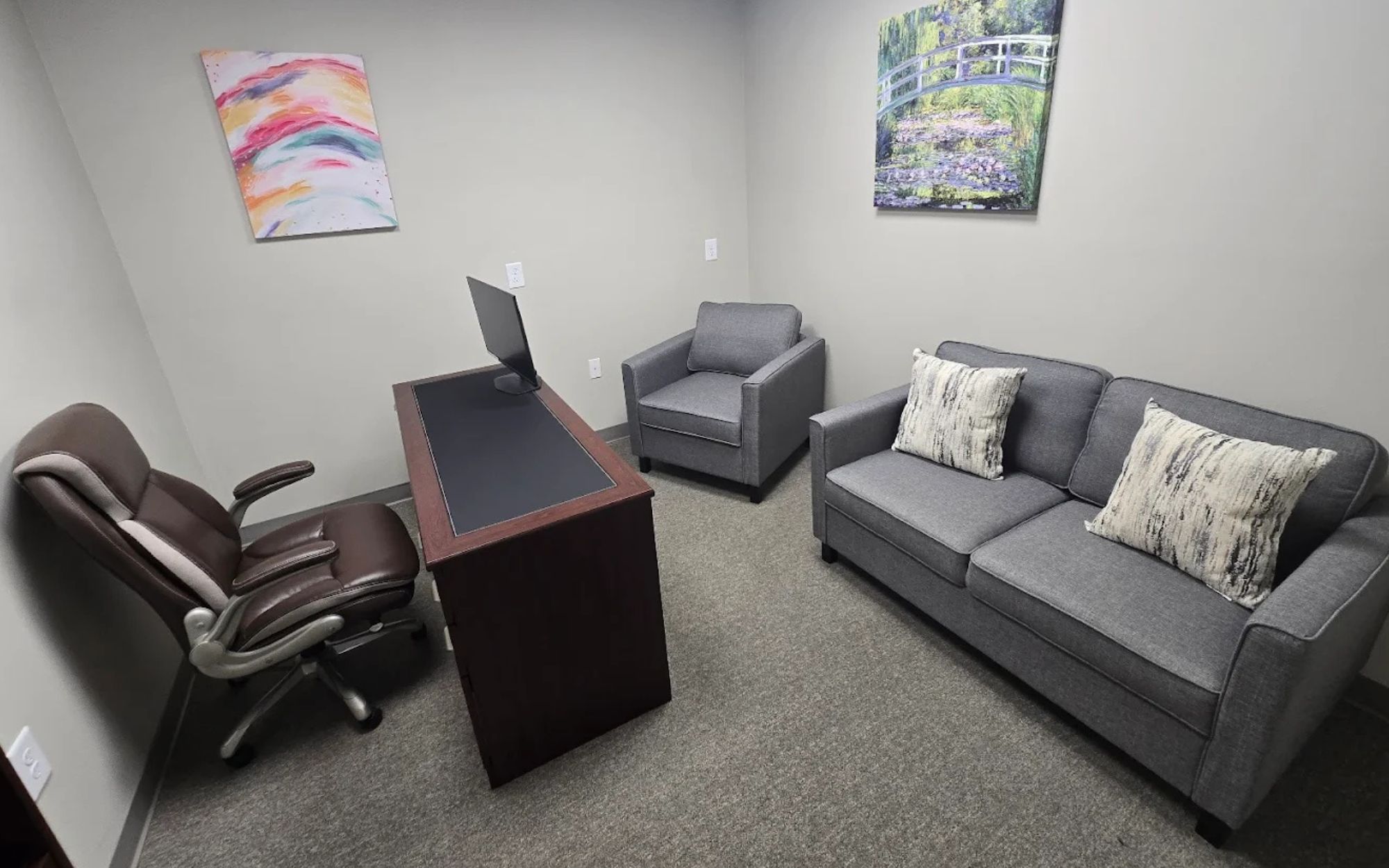
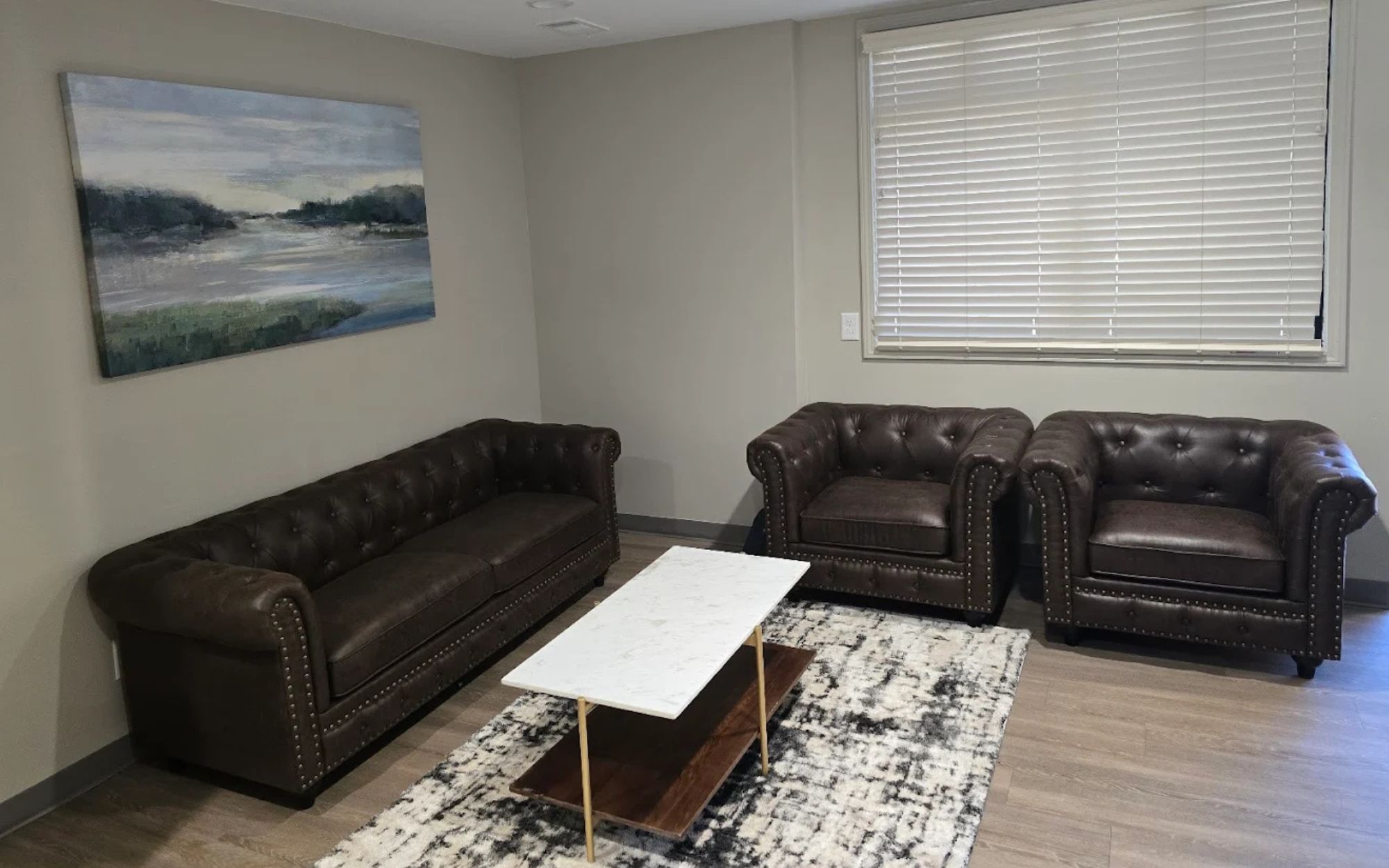
Check out our facility in Atlanta, GA

Discover why our programs are top rated today. Talk with our admissions team about the right treatment plan to bring lasting recovery.

How virtual IOP works: Structure, therapy, and daily support

A virtual intensive outpatient program (IOP) provides structured treatment while allowing clients to remain connected to work, school, family, and other daily routines. The exact schedule can vary based on clinical needs, but the goal is to provide consistent support without requiring inpatient care or residential treatment.

For adults with busy schedules, virtual IOP can make it easier to participate in treatment on a regular basis while still managing everyday responsibilities.

What treatment may include

Depending on the individualized treatment plan, virtual IOP may incorporate:

  • Group therapy sessions for peer support, accountability, process groups, and shared skill building
  • Individual therapy for one-on-one work around triggers, root causes, mental health concerns, and recovery goals
  • Family therapy when family involvement is clinically appropriate
  • Evidence-based approaches that support coping skills, emotional regulation, stress management, and relapse prevention
  • Dual diagnosis support for co-occurring substance use and mental health concerns
  • Ongoing progress reviews so the treatment plan can change as needs evolve

This structure gives clients repeated opportunities to practice new skills between therapy sessions and apply them directly to daily life.

Evidence-based therapy and skill building

Virtual IOP can include evidence-based care such as cognitive behavioral therapy Atlanta to help clients identify unhelpful thought and behavior patterns and develop healthier responses.

Depending on clinical needs, treatment may also incorporate approaches such as DBT skills, motivational interviewing, relapse-prevention work, and other forms of structured skill building. These therapies can support emotional regulation, decision-making, communication, and the ability to manage stressors without returning to substance use.

Technology and privacy for virtual sessions

Participating in online treatment generally requires a reliable internet connection, a smartphone, tablet, or computer with video capability, and a private place where you can speak openly.

Clients can support privacy during sessions by:

  • Choosing a quiet space with limited interruptions
  • Using headphones when appropriate
  • Protecting access to the personal device used for treatment
  • Following any technology or privacy instructions provided by the treatment team

Virtual IOP should still feel like structured clinical care, not casual video chatting. The treatment format may be remote, but the focus remains on meaningful progress, consistent participation, and evidence-based support.

the help you need is here

Recovery starts here

If you or someone you love is struggling with substance use or other mental health issues, Lanier Recovery Center can help. Request a callback below to receive care and support you can trust.

"*" indicates required fields

Mental health and co-occurring substance use concerns

Substance use does not always occur on its own. Anxiety, depression, trauma, and other mental health conditions can overlap with alcohol or drug use, creating co-occurring substance use and mental health concerns that may need to be addressed together.

Depending on the individual assessment and whether virtual IOP is clinically appropriate, treatment may support concerns such as:

  • Substance use disorders involving alcohol or other drugs
  • Anxiety and related mental health symptoms
  • Depression and mood-related concerns
  • Trauma and post-traumatic stress symptoms
  • Other co-occurring mental health conditions identified during assessment

Rather than assuming every diagnosis is appropriate for virtual care, the clinical team considers current symptoms, stability, substance use, safety needs, and the level of support required.

Dual diagnosis treatment for co-occurring disorders

When substance use and mental health concerns overlap, dual diagnosis treatment Atlanta can address both within the same individualized treatment plan.

Integrated care may combine:

This approach allows the treatment team to consider how mental health symptoms and substance use may influence one another instead of treating each concern in isolation.

Georgia addiction treatment center

How to begin your recovery journey

We know beginning treatment can feel intimidating, so weโ€™ve made the process simple and stress-free.

1

Get in touch
with us

Call or complete our contact form to connect with an admissions specialist who takes the time to listen and understand your situation.

2

Complete an assessment
& insurance review

Our team will review your history, discuss your needs, and confirm insurance coverage or explore self-pay options to make things easy.
3

Start your
treatment

Begin a personalized program built around your goals, supported by evidence-based care and a compassionate clinical team.

Benefits of virtual IOP

A virtual IOP can provide structured, evidence-based treatment while reducing some of the practical barriers that make consistent care difficult. For clients who are clinically appropriate for virtual treatment, flexible scheduling can make it easier to balance therapy with work, school, family responsibilities, and other parts of daily life.

Potential benefits may include:

  • Less travel: Virtual sessions reduce routine trips to a treatment facility.
  • Greater scheduling flexibility: Online treatment may fit more naturally around busy schedules and other responsibilities.
  • Real-world skill building: Clients can practice coping strategies and emotional regulation in the same environment where everyday triggers occur.
  • Consistent clinical support: Regular individual and group sessions can provide structure, peer connection, and ongoing contact with mental health professionals.
  • Integrated support: Virtual treatment may address substance use alongside co-occurring mental health concerns when clinically appropriate.

Virtual IOP compared with in-person treatment

Consideration Virtual IOP In-person IOP
Treatment setting Private remote setting Treatment facility
Travel Reduced routine travel Travel required for scheduled sessions
Scheduling May offer greater flexibility Based on facility schedule
Group sessions Delivered virtually when available Conducted face-to-face
Clinical fit Based on assessment, stability, and home environment Based on assessment and treatment needs

Virtual IOP is still an intensive outpatient level of care. Someone who needs inpatient treatment, a partial hospitalization program, or greater medical or psychiatric supervision may require a different treatment setting before virtual IOP is appropriate.

What does research say about virtual treatment?

Research on telehealth for substance use disorder treatment has found encouraging results in specific populations. For example, a National Institutes of Health study found that initiating buprenorphine treatment through telehealth was associated with improved 90-day treatment retention for people with opioid use disorder.

That evidence supports virtual care as a legitimate treatment option for appropriately selected clients, but it does not mean every virtual IOP produces the same results as every in-person program. High-quality care still depends on the individual, the treatment plan, the clinicians involved, consistent participation, and whether the virtual format matches the personโ€™s clinical needs.

How virtual IOP fits into long-term care

Virtual IOP can serve different roles within a broader treatment plan. For some clients, it may be appropriate after a more structured level of care such as PHP Atlanta. For others, virtual IOP may be the primary outpatient level before transitioning to outpatient rehab Atlanta GA or another lower-intensity service.

Treatment does not have to follow a fixed sequence. As clinical needs change, the level of support can be adjusted based on stability, progress, symptoms, and recovery goals.

Ongoing support as needs change

Long-term care may include:

  • Continued individual or group therapy
  • Relapse-prevention planning and coping-skill development
  • Family involvement when clinically appropriate
  • Medication management or psychiatric support when needed
  • Step-down care or other outpatient services as treatment intensity changes

Virtual care can also allow clients to practice new skills within daily routines and relationships while remaining connected to structured support.

When more structure is needed

If symptoms worsen or a client needs a higher level of supervision, the treatment plan may need to change. A partial hospitalization program, inpatient treatment, residential care, or medical detox may be more appropriate depending on the clinical situation.

Lanier Recovery Center does not provide medical detox, inpatient treatment, or residential care on-site. When a higher level of care is clinically recommended, our admissions team can help identify appropriate placement options based on available clinical and insurance information.

Signs it may be time to get help

Professional support may be worth considering if substance use or mental health concerns are beginning to affect your health, relationships, responsibilities, or ability to manage daily life. Signs may include:

  • Difficulty cutting back or stopping alcohol or drug use
  • Increasing cravings, tolerance, or withdrawal symptoms
  • Using substances to cope with anxiety, depression, trauma, or stress
  • Falling behind at work, school, home, or in relationships
  • Returning to substance use despite previous efforts to stop
  • Needing more structured support than occasional therapy provides

Virtual IOP may be appropriate for some clients experiencing these concerns, while others may need in-person or higher-level care based on clinical assessment.

What sets lanier recovery center apart

Our approach to addiction and mental health treatment is built on comprehensive care, compassionate support, and individualized recovery paths that lead to lasting change.

Depth

We go beyond surface-level treatment to address the root causes of addiction and mental health challenges for lasting healing.

Support

Our compassionate team provides steady guidance, encouragement, and care at every stage of the recovery journey.

Strength

Through personalized therapy and skill-building, we help individuals rediscover confidence and inner resilience.

Accountability

We create structured support systems that promote responsibility, consistency, and long-term recovery success.

Aftercare

Our aftercare planning and alumni support ensure continued connection and stability long after treatment ends.

Flexibility

We offer adaptable treatment options that fit real-life responsibilities while maintaining consistent, high-quality care.

Insurance coverage for virtual IOP

Insurance benefits for virtual IOP can vary by plan, network status, medical necessity criteria, authorization requirements, and the specific services included in treatment. Some plans may treat virtual behavioral health services differently from in-person care, so it is important to review the details before treatment begins.

When you verify your insurance, Lanier Recovery Centerโ€™s admissions team can help explain how your benefits may relate to virtual IOP and other outpatient services at Lanier. Insurance verification does not guarantee coverage, authorization, payment, or final cost. Those decisions remain with the insurer or plan administrator.

Lanier Recovery Center can help you
We understand that getting help for addiction can be challenging. Start with a free addiction assessment today.

Frequently asked questions

Individual therapy provides one-on-one time to address substance use, recovery goals, coping strategies, and co-occurring concerns. Depending on the treatment plan, an individual therapist or primary therapist may help clients explore triggers and patterns contributing to addiction or a mental health disorder. Sessions are attended from a private space using virtual technology.

Yes. Virtual IOP can incorporate evidence-based treatment approaches also used in traditional behavioral health care, including Cognitive Behavioral Therapy (CBT) and Dialectical Behavior Therapy (DBT). These approaches can help clients strengthen coping skills, manage emotions, and change behaviors associated with substance use or mental illness.

A VIOP program may combine multiple group sessions with individual counseling and family therapy when clinically appropriate. Group sessions provide structured peer interaction and skill development, while family involvement can address communication, boundaries, and the ways recovery affects family life. The exact number of sessions per week depends on the individualized treatment plan.

Virtual programs may support substance use alongside co-occurring behavioral health concerns. However, a diagnosis such as depression, anxiety, trauma-related symptoms, or bipolar disorder does not automatically mean virtual care is appropriate. Clinical stability, safety, symptoms, and the need for psychiatric services or case management should be considered when determining the right treatment setting.

Coverage varies among major insurance providers, so your insurance provider should be checked before treatment begins. Lanierโ€™s admissions team can review available benefits, including whether Lanier appears in-network, authorization requirements, deductibles, and cost-sharing information. Even when treatment facilities work with many major insurance providers, verification does not guarantee authorization, payment, or final cost.

Lanier Recovery Centerโ€™s top values

Every treatment will be uniquely tailored to you, because youโ€™re unique.

Sober living

Our team is 100% sober, including from Alcohol. We help our clients achieve sobriety and stick to it through thick and thin, because sobriety is the foundation of a fulfilling life.

Integrity

Our team is 100% sober, including from Alcohol. We help our clients achieve sobriety and stick to it through thick and thin, because sobriety is the foundation of a fulfilling life.

Everyone belongs

Our team is 100% sober, including from Alcohol. We help our clients achieve sobriety and stick to it through thick and thin, because sobriety is the foundation of a fulfilling life.

Limitless potential

Our team is 100% sober, including from Alcohol. We help our clients achieve sobriety and stick to it through thick and thin, because sobriety is the foundation of a fulfilling life.

Start virtual IOP with support that fits your life

At Lanier Recovery Center, treatment is individualized around your substance use, mental health needs, current stability, and recovery goals. Our admissions team can help you understand whether virtual IOP, in-person outpatient care, or another level of support may be appropriate and walk you through the next steps in the admissions process. If you are ready to explore virtual intensive outpatient treatment, contact us by calling (470) 470-5697 to speak with our admissions team.

If youโ€™re looking for more information, connect with our team by phone, email, or through our online form. Weโ€™re here to answer your questions, talk through your options, and support you as you begin your path toward lasting recovery.

Sources

Substance Abuse and Mental Health Services Administration. (September 26, 2025). Managing Life with Co-Occurring Disorders. Substance Abuse and Mental Health Services Administration.

National Institute on Drug Abuse. (April 20, 2020). Common Comorbidities with Substance Use Disorders. National Institute on Drug Abuse.

Substance Abuse and Mental Health Services Administration. (July 28, 2025). SAMHSA Releases Annual National Survey on Drug Use and Health. Substance Abuse and Mental Health Services Administration.

we are here for you

Get the help you need today.

Together, we can help you build a brighter future of wellness.

Free & easy insurance check

alliant
care source
multiplan
united healthcare
cigna
beacon
bluecross
tricare

Request a confidential call

"*" indicates required fields

This field is for validation purposes and should be left unchanged.
Preferred method*
Get Treatment For All Your Healthcare Needs

Other treatment programs

Request A Confidential Call

Request a call and a Lanier Recovery Center team member will be in touch.

"*" indicates required fields