Request a call to speak with an admissions specialist. We are here to help you.

"*" indicates required fields

Hydrocodone addiction rehab in Georgia

Hydrocodone often enters your life as a legitimate prescription for pain after an injury or surgery, then quietly becomes something your body demands every day. What began as relief can turn into dependence, leaving you feeling isolated and unsure where to turn. Hydrocodone addiction treatment gives you a medically sound, structured way to stop safely and rebuild stability, with supportive care available close to home in the greater Atlanta area. Recovery is possible, and understanding how dependence develops, what withdrawal involves, and which treatment options exist can help you take the next step with confidence.
Free Insurance Check

Free & Confidential | HIPAA Compliant | No Obligation

"*" indicates required fields

1
2
3
4
This field is for validation purposes and should be left unchanged.
hydrocodone addiction treatment

What is hydrocodone?

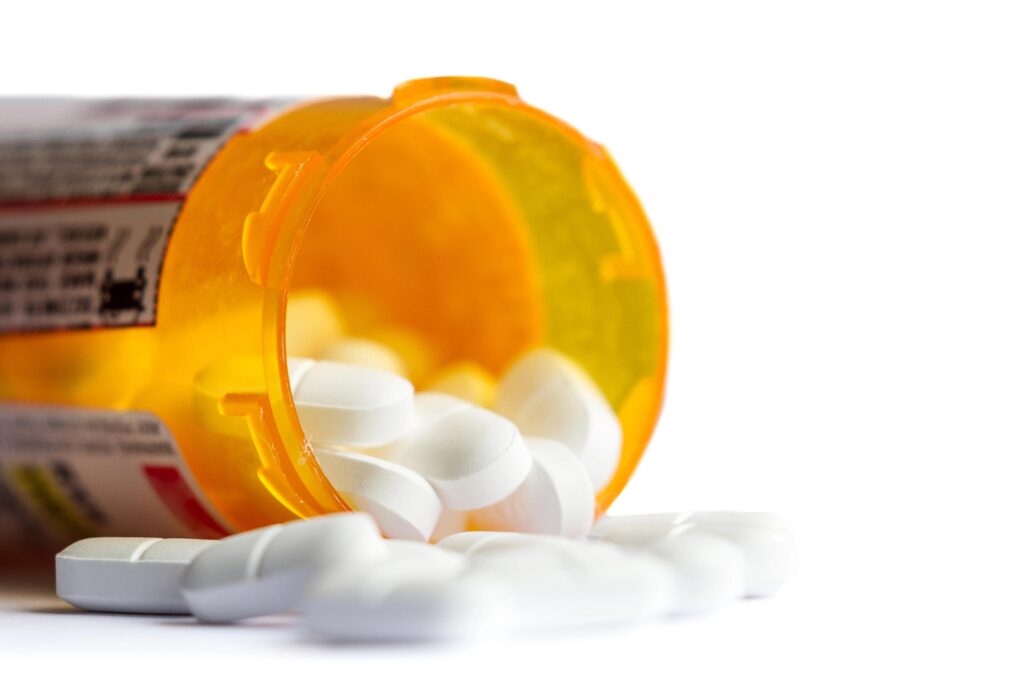
When exploring hydrocodone addiction treatment, it helps to first understand how this specific medication works inside your body. Hydrocodone is a highly regulated, Schedule II prescription opioid. Doctors frequently prescribe it to relieve moderate to severe pain following an injury or surgical procedure. To increase its effectiveness, pharmaceutical companies often combine it with acetaminophen.

You might recognize these combination medications by common brand names like Vicodin and Norco. While these medications are effective for short-term pain relief, they carry a high risk for opioid use disorder, a condition that responds well to professional treatment at a drug rehab Atlanta GA.

Table of Contents

Why is hydrocodone addictive?

Hydrocodone interacts directly with mu-opioid receptors located in your central nervous system. The drug itself is a relatively weak receptor agonist. However, your liver metabolizes it into a much stronger compound called hydromorphone.

When this compound binds to your opioid receptors, it effectively blocks pain signals from reaching your brain. It also triggers an artificial release of dopamine. This chemical rush creates a temporary feeling of intense calm or euphoria.

Over time, your brain adapts to the constant presence of the drug. Your cellular pathways try to compensate for the suppressed pain signals by becoming overactive. This cellular tug-of-war is exactly how tolerance develops. You soon realize that your body needs much larger doses to achieve the same pain relief or euphoric effect.

This progression from a simple medical prescription to a severe substance use disorder happens frequently. You are certainly not alone in this struggle. An estimated 2 million people in the U.S. have faced similar challenges with prescription opioids. This condition is not a moral failing, a character flaw, or a lack of willpower. It is a recognized medical condition that physically alters brain chemistry, and it responds well to targeted clinical care.

The Centers for Disease Control and Prevention outlines specific diagnostic criteria for opioid use disorders. The DSM-5 does not diagnose a problem based purely on the milligram amount you take. Instead, it looks at your pattern of use. Taking them in larger amounts than prescribed is another major warning sign. A structured IOP in Atlanta can help you break this physical and psychological cycle safely.

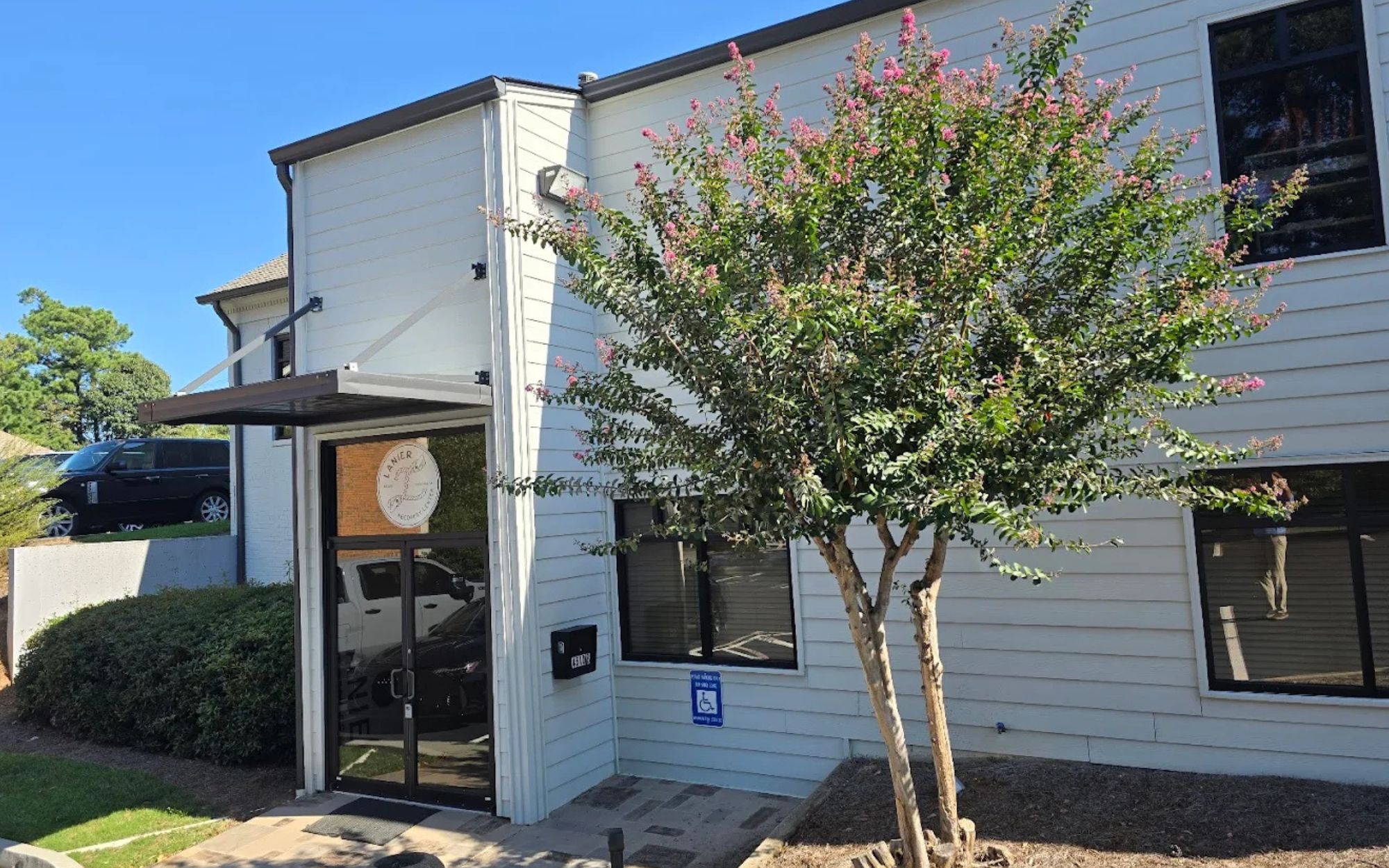
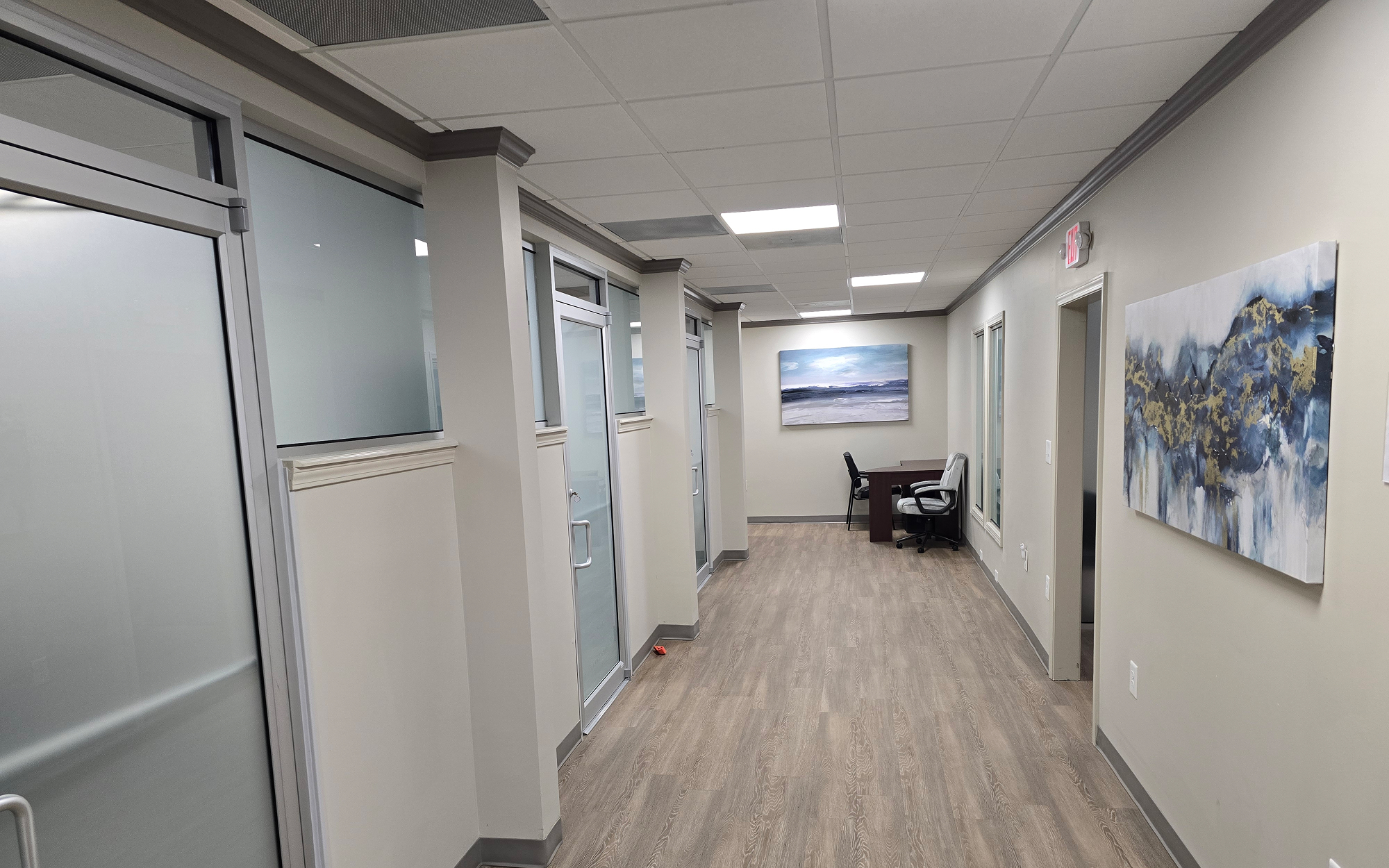
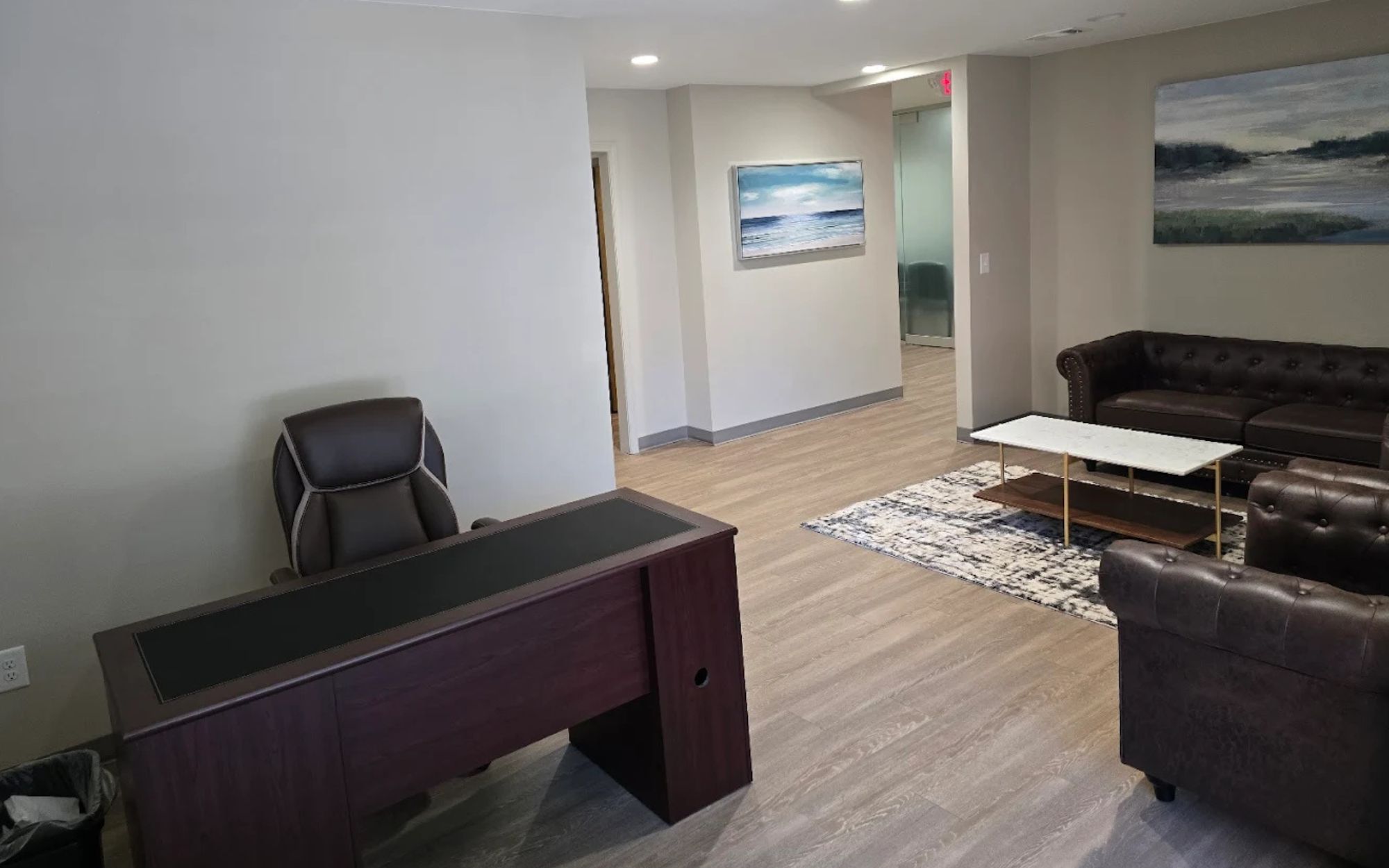
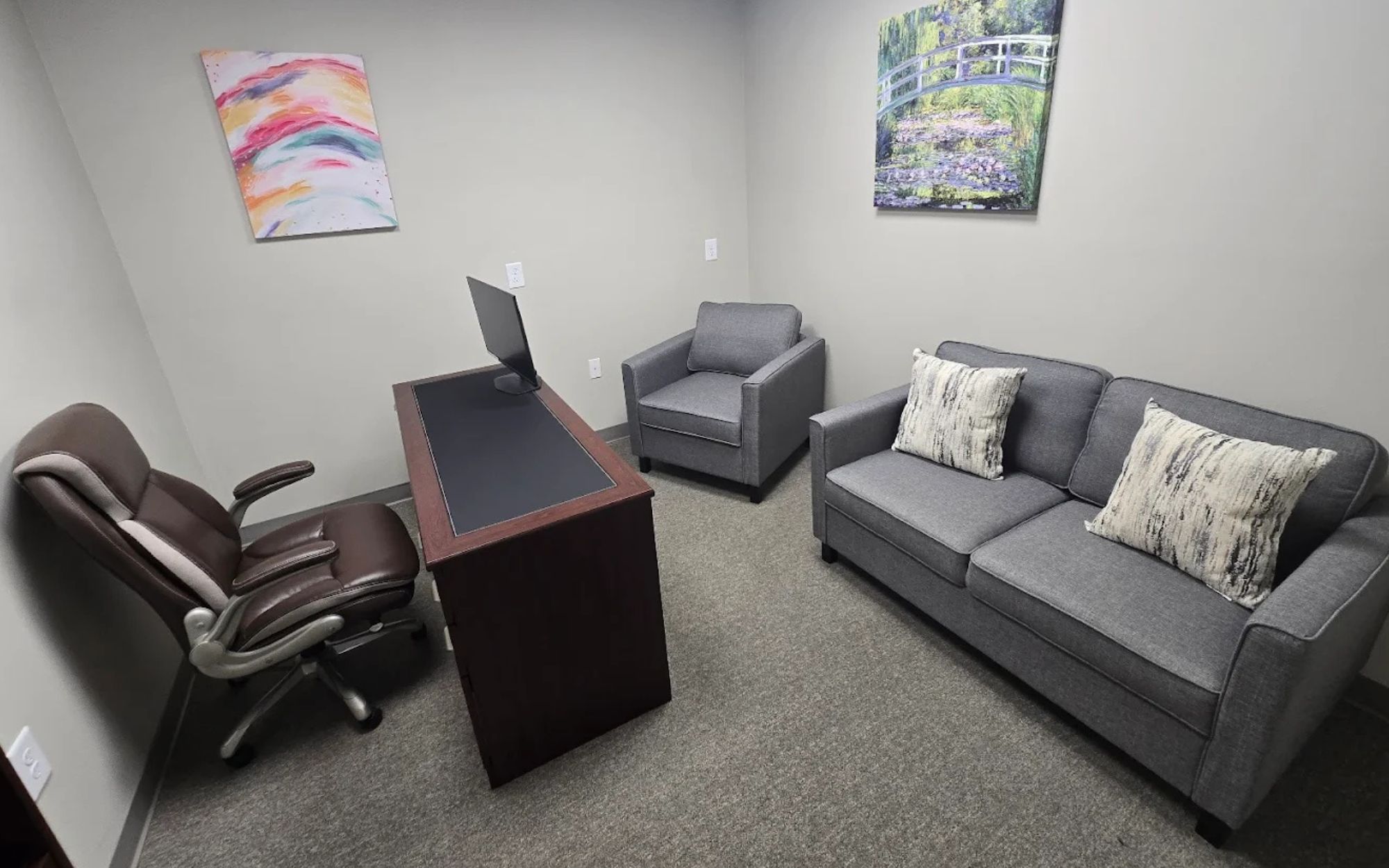
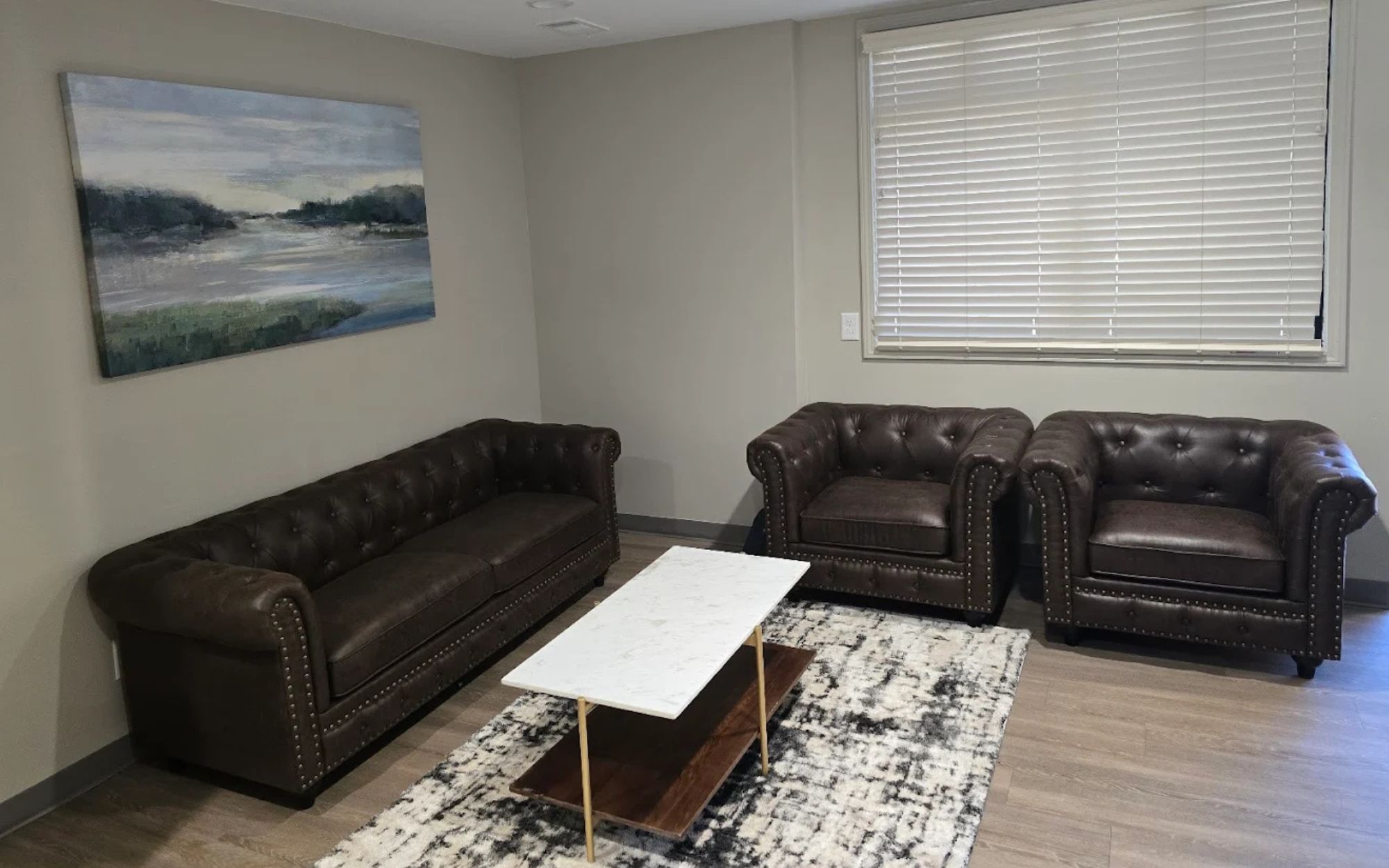
Check out our facility in Atlanta, GA

Discover why our programs are top rated today. Talk with our admissions team about the right treatment plan to bring lasting recovery.

What are the signs of hydrocodone addiction?

Recognizing the signs of hydrocodone abuse can be challenging at first. The symptoms are often very subtle in the early stages of use. Many people start taking a prescription opioid exactly as their doctor directed. Over time, a physical dependence can slowly transition into problematic misuse without the person even realizing it. It’s important to look for a consistent pattern of changes rather than a single event.

Signs and symptoms

  • Physical signs: The central nervous system slows down significantly when someone takes hydrocodone. This can cause severe lethargy, a lack of coordination, and unusual drowsiness. You might notice constricted pupils, which look like tiny pinpoints even in dark rooms. Chronic gastrointestinal issues, like severe constipation or nausea, are also very common. As tolerance builds, these physical side effects often persist and worsen.
  • Behavioral signs: Misuse often leads to noticeable shifts in daily habits and routines. A person might isolate themselves and withdraw from social activities or hobbies they once loved. They may start neglecting basic responsibilities at work, school, or home. You might also notice them visiting multiple doctors or pharmacies to secure more pills. This deceptive practice is commonly known as doctor shopping, and it is a major red flag for dependence.
  • Psychological signs: The psychological impacts are often the most distressing for families to witness. Co-occurring mental health disorders, such as anxiety and depression, frequently emerge or intensify. A person might experience severe mood swings, intense irritability, or unusual aggression. They may also develop an inability to stop thinking about when they will get their next dose. This constant mental preoccupation drives the compulsion to use, making it incredibly hard to focus on anything else. Specialized dual diagnosis treatment in Atlanta can provide the clinical support necessary to address these complex psychological shifts.

These changes usually fall into a few clear categories, affecting the body, mind, and behavior. Knowing what to watch for can help you identify concerns in yourself or a loved one. Because everyone experiences substance use differently, the symptoms can vary significantly from person to person. However, the presence of multiple signs across different areas of life usually indicates a need for support.

the help you need is here

Recovery starts here

If you or someone you love is struggling with substance use or other mental health issues, Lanier Recovery Center can help. Request a callback below to receive care and support you can trust.

"*" indicates required fields

Why is hydrocodone dangerous?

Continued hydrocodone misuse can have severe and potentially fatal consequences. One of the greatest risks is respiratory depression. Hydrocodone suppresses the brain’s drive to breathe, causing breathing to become dangerously slow or shallow. At high doses, breathing can stop completely.

Severe respiratory depression is a leading mechanism of fatal opioid overdose. As breathing slows, oxygen levels fall and carbon dioxide builds up in the blood, potentially causing permanent brain damage, cardiac arrest, and death. Naloxone can rapidly reverse an opioid overdose, but immediate emergency medical attention is still essential.

Factors that increase the risk of hydrocodone complications

Certain people may be more vulnerable to adverse effects. Older adults and people with liver or kidney problems may process medications differently, potentially increasing their exposure to hydrocodone. Underlying respiratory conditions and the use of other medications can further increase the risk of complications.

Combining hydrocodone with alcohol, sleep medications, benzodiazepines, or other central nervous system depressants is particularly dangerous. These substances can compound hydrocodone’s sedative effects and substantially increase the risk of life-threatening respiratory depression.

Getting help for hydrocodone misuse

Hydrocodone dependence can become dangerous quickly, especially when higher doses or multiple substances are involved. If you are struggling to control your use, seeking a professional detox program in Atlanta can provide medical support during the early stages of recovery and connect you with continued addiction treatment.

Georgia addiction treatment center

How to begin your recovery journey

We know beginning treatment can feel intimidating, so weโ€™ve made the process simple and stress-free.

1

Get in touch
with us

Call or complete our contact form to connect with an admissions specialist who takes the time to listen and understand your situation.

2

Complete an assessment
& insurance review

Our team will review your history, discuss your needs, and confirm insurance coverage or explore self-pay options to make things easy.
3

Start your
treatment

Begin a personalized program built around your goals, supported by evidence-based care and a compassionate clinical team.

Hydrocodone withdrawal symptoms and the detox timeline

When you attempt to stop taking hydrocodone, your body must readjust to functioning without the chemical presence of the drug. This adjustment period triggers a highly uncomfortable physiological process known as opioid withdrawal. Withdrawal symptoms typically begin within six to twelve hours after your last dose. The sheer intensity of these symptoms can make quitting on your own incredibly difficult, if not impossible.

Timeframe Typical withdrawal symptoms Clinical support needed
Early (First 24 to 48 Hours) Anxiety, runny nose, heavy sweating, severe muscle aches, and intense cravings. 24/7 monitoring, hydration, and initial symptom management medications.
Peak (Days 3 to 5) Nausea, vomiting, stomach cramps, elevated heart rate, and deep bone pain. Anti-nausea medications, vital sign checks, and continuous emotional support.
Post-Acute (Weeks to Months) Lingering anxiety, depression, sleep disturbances, and sporadic drug cravings. Outpatient counseling, behavioral therapies, and long-term medication management.

Common early signs include severe muscle aches, restless legs, and heavy sweating. You might also feel intense anxiety, irritability, and a strong sense of physical agitation. As the detox process continues, severe gastrointestinal issues usually emerge. Nausea, vomiting, diarrhea, and stomach cramps are very typical during the peak phase of withdrawal. Your heart rate and blood pressure may also spike, causing further physical distress.

A supervised medical setting provides the safety, monitoring, and comfort you need. Doctors can prescribe specific medications to ease your opioid withdrawal symptoms safely. These medications calm your overactive nervous system and drastically reduce painful side effects. Engaging with MAT programs in Georgia allows you to utilize these therapies to stabilize your body. This critical support makes a successful transition into long-term behavioral treatment possible.

What sets lanier recovery center apart

Our approach to addiction and mental health treatment is built on comprehensive care, compassionate support, and individualized recovery paths that lead to lasting change.

Depth

We go beyond surface-level treatment to address the root causes of addiction and mental health challenges for lasting healing.

Support

Our compassionate team provides steady guidance, encouragement, and care at every stage of the recovery journey.

Strength

Through personalized therapy and skill-building, we help individuals rediscover confidence and inner resilience.

Accountability

We create structured support systems that promote responsibility, consistency, and long-term recovery success.

Aftercare

Our aftercare planning and alumni support ensure continued connection and stability long after treatment ends.

Flexibility

We offer adaptable treatment options that fit real-life responsibilities while maintaining consistent, high-quality care.

Hydrocodone addiction treatment in North Atlanta

Recovery from hydrocodone addiction looks different for everyone. The right treatment plan depends on factors such as the severity of your dependence, medical history, previous treatment experiences, co-occurring mental health conditions, and the amount of support available at home. Understanding the different levels of care can help you determine which path offers the structure and support you need.

Finding the right level of care

Effective hydrocodone addiction treatment begins with a comprehensive clinical assessment. During this process, treatment professionals evaluate your substance use history, physical and mental health, withdrawal risk, home environment, and other factors that may influence recovery.

Based on this assessment, you may be referred to detox, residential treatment, or structured outpatient care. Treatment can then adjust as your needs change, allowing you to move toward greater independence while maintaining appropriate clinical support.

Residential treatment for hydrocodone addiction

Residential treatment provides a highly structured environment away from the people, places, and situations that may contribute to continued substance use. Depending on the facility, patients may receive 24-hour supervision, individual and group therapy, medication management, and treatment for co-occurring mental health conditions.

This level of care may be appropriate for people with severe opioid use disorder, an unstable home environment, repeated relapse, or significant mental health concerns. After residential treatment, patients can transition into outpatient services to continue building on the progress they have made.

Outpatient hydrocodone addiction treatment

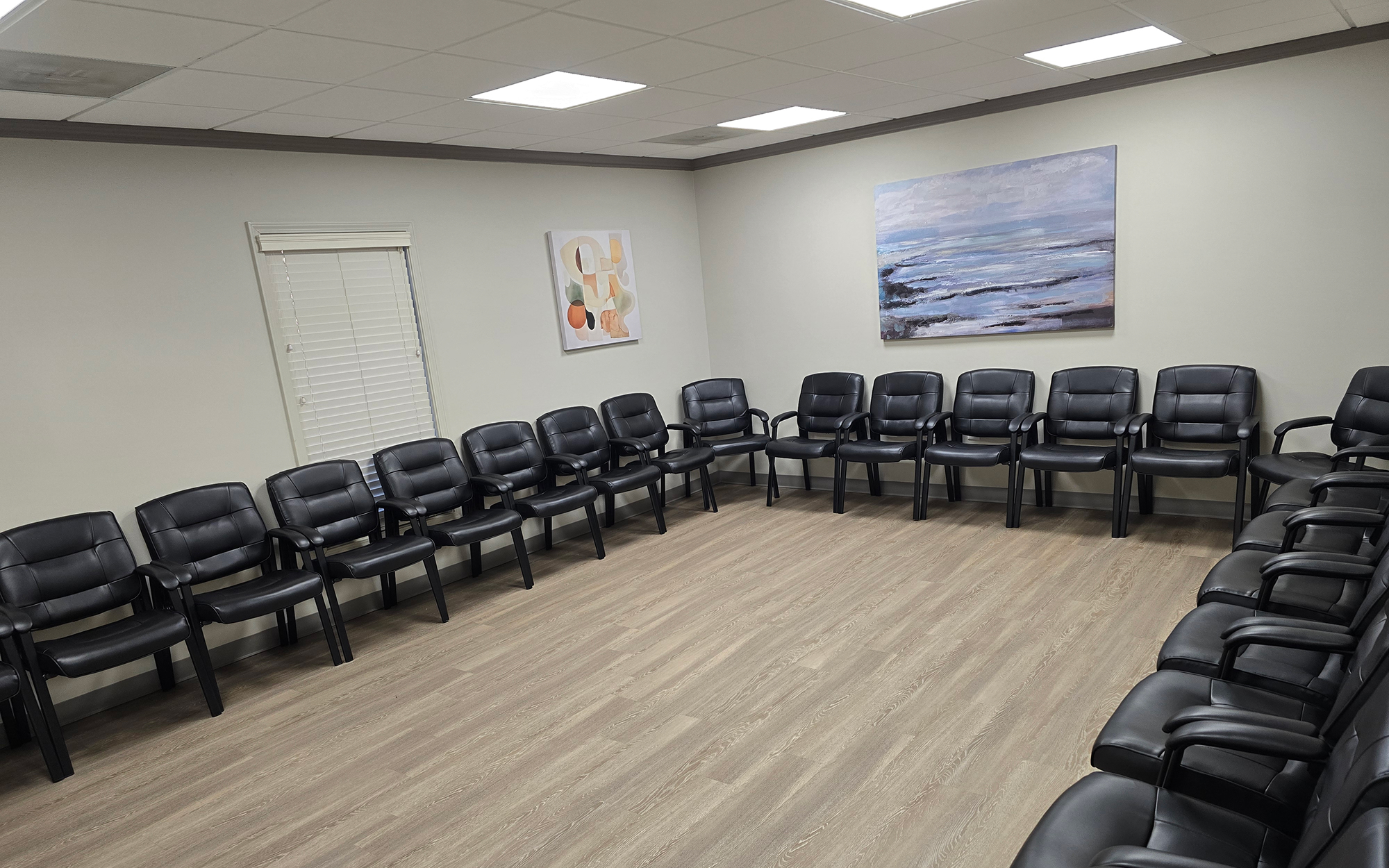
Outpatient treatment provides structured clinical support while allowing you to continue living at home. Depending on the program, you may participate in individual counseling, group therapy, relapse prevention, medication management, and other recovery services several times throughout the week.

This approach can be particularly beneficial for people who have completed detox or a higher level of care and have a stable, supportive living environment. It also allows you to practice new coping strategies while navigating work, school, relationships, and other responsibilities.

Seeking an outpatient rehab in Atlanta, GA can provide this balance between continued clinical support and greater independence.

The benefits of seeking treatment in North Atlanta

For some people, receiving treatment outside the center of a major city provides valuable distance from familiar triggers and daily stress. Communities throughout North Atlanta, including Suwanee, Lawrenceville, Cumming, and the Lake Lanier area, offer access to treatment while keeping individuals within reach of the greater Atlanta region.

Remaining relatively close to home can also make it easier for supportive family members to participate in treatment when appropriate.

Building family support for lasting recovery

Hydrocodone addiction often affects the entire family, which is why family involvement can play an important role in recovery. Family therapy and education can help loved ones better understand opioid addiction, establish healthier boundaries, improve communication, and rebuild trust.

Treatment may also incorporate evidence-based behavioral therapies and medication-assisted treatment when clinically appropriate. Together, these services address both the physical aspects of opioid dependence and the behaviors, emotions, and circumstances that contribute to continued use.

Find hydrocodone addiction treatment in North Atlanta

You do not have to navigate hydrocodone addiction alone. A hydrocodone addiction treatment center in North Atlanta can assess your needs and help determine the appropriate level of care.

The right hydrocodone addiction rehab provides more than short-term stabilization. Through evidence-based treatment, ongoing clinical support, and a strong recovery community, you can develop the skills and resources needed to maintain recovery and build a healthier life.

Lanier Recovery Center can help you
We understand that getting help for addiction can be challenging. Start with a free addiction assessment today.

Frequently asked questions

Hydrocodone addiction treatment typically begins with an assessment of your drug use, physical health, mental health, withdrawal risk, and individual recovery needs. Depending on the severity of the substance use disorder, treatment options may include medical detox, a residential inpatient program, a partial hospitalization program, an intensive outpatient program, or outpatient rehab. Comprehensive treatment may also incorporate behavioral therapies, medication-assisted treatment, family therapy, and ongoing support for long-term recovery.

Hydrocodone withdrawal symptoms can include anxiety, restlessness, sweating, muscle aches, nausea, vomiting, diarrhea, sleep problems, and strong opioid cravings. The severity of physical symptoms can vary depending on factors such as the amount of hydrocodone used, duration of use, and degree of physical dependence. Professional treatment and medical support can help manage withdrawal symptoms and determine whether medical detoxification is appropriate.

Medication-assisted treatment combines FDA-approved medications with counseling and behavioral therapies to treat opioid use disorder. Certain medications can help reduce opioid withdrawal symptoms and cravings while supporting continued recovery. When appropriate, addiction medicine professionals may incorporate medication alongside cognitive behavioral therapy, group counseling, family therapy, and other mental health services.

Hydrocodone addiction treatment programs may use individual and group sessions to address the behavioral and psychological aspects of addiction. Cognitive behavioral therapy can help patients recognize thoughts, emotions, and situations associated with hydrocodone misuse and develop healthier coping strategies. Treatment centers may also offer family therapy, group therapy, relapse prevention, mental health care, and holistic therapies alongside traditional treatment methods.

Many insurance plans provide some coverage for substance abuse treatment, but benefits vary by provider, policy, treatment facility, and level of care. Coverage may include services such as medical detox, inpatient treatment, outpatient rehab, therapy sessions, and medication-assisted treatment when medically necessary. Before beginning hydrocodone addiction rehab, contact your insurance company or the treatment center to verify your benefits and determine what costs you may be responsible for.

Lanier Recovery Centerโ€™s top values

Every treatment will be uniquely tailored to you, because youโ€™re unique.

Sober living

Our team is 100% sober, including from Alcohol. We help our clients achieve sobriety and stick to it through thick and thin, because sobriety is the foundation of a fulfilling life.

Integrity

Our team is 100% sober, including from Alcohol. We help our clients achieve sobriety and stick to it through thick and thin, because sobriety is the foundation of a fulfilling life.

Everyone belongs

Our team is 100% sober, including from Alcohol. We help our clients achieve sobriety and stick to it through thick and thin, because sobriety is the foundation of a fulfilling life.

Limitless potential

Our team is 100% sober, including from Alcohol. We help our clients achieve sobriety and stick to it through thick and thin, because sobriety is the foundation of a fulfilling life.

Reclaim your life with support in North Atlanta

Navigating the heavy physical and emotional challenges of prescription opioid dependence can feel overwhelming. With the right clinical support and a personalized treatment plan, you can regain control of your health and restore balance to your daily life. Compassionate, evidence-based care can help you safely manage painful withdrawal symptoms and build a strong, resilient foundation for the future.

If you are ready to explore your treatment options and verify your insurance coverage, please call us at (470) 470-5697 to speak confidentially with a caring professional. You can also visit Lanier Recovery Center to learn more about our specific programs. Your physical safety matters, and our team is here to help you navigate the logistics of your treatment. Contact us now.

If youโ€™re looking for more information, connect with our team by phone, email, or through our online form. Weโ€™re here to answer your questions, talk through your options, and support you as you begin your path toward lasting recovery.

Sources

Centers for Disease Control and Prevention. (April 16, 2024). Opioid Use Disorder: Diagnosis. Centers for Disease Control and Prevention.

National Center for Biotechnology Information. (February 29, 2024). Hydrocodone. StatPearls.

Substance Abuse and Mental Health Services Administration. (June 9, 2023). National Helpline for Mental Health, Drug, Alcohol Issues. Substance Abuse and Mental Health Services Administration.

Indiana Department of Health. Opioid Use Disorder Diagnostic Criteria. IN.gov.

Washington State Agency Medical Directors’ Group. Differentiating Dependence from Opioid Use Disorder. AMDG.

we are here for you

Get the help you need today.

Together, we can help you build a brighter future of wellness.

Free & easy insurance check

alliant
care source
multiplan
united healthcare
cigna
beacon
bluecross
tricare

Request a confidential call

"*" indicates required fields

This field is for validation purposes and should be left unchanged.
Preferred method*
Get Treatment For All Your Healthcare Needs

Other what we treat

Request A Confidential Call

Request a call and a Lanier Recovery Center team member will be in touch.

"*" indicates required fields