

People often ask this right before a probation appointment. The short answer is 1 to 30 days for most people, and longer than 30 days for chronic heavy users. The detection time depends on how often you use cannabis, how much THC you take in, your body fat, and the cutoff level the lab uses.
That range matters in Georgia because probation drug screens are almost always urine based. THC metabolites stay in urine far longer than the effects of marijuana last. A person can be completely sober and still fail.
This article covers how long marijuana stays detectable by test type, what changes the detection time, and what a positive drug test means on probation in Georgia.
How long does weed stay in your system urine test versus blood tests, hair tests, and saliva
Different drug tests look for cannabis in different places: urine, blood, oral fluid, and hair. Each has its own detection window for cannabis.
- Urine tests: 1 to 30 days, and over 30 days with chronic heavy use.
- Blood tests: 1 to 2 days for most people. Blood tests detect active THC, so they are used in DUI cases. Chronic users can show residual blood THC levels for up to 25 days.
- Saliva tests (oral fluid): 24 to 72 hours. Oral fluid is hard to adulterate and now an authorized federal specimen.
- Hair follicle tests: up to 90 days. Each half inch of hair reflects about 30 days of cannabis use. Hair tests cannot pinpoint when marijuana use happened.
Urine testing is the most common method, and it is the standard for probation in Georgia. Oral fluid screening is growing. Hair follicle tests are rare in probation, and hair follicle results take days to come back. The rest of this article focuses on urine.
How long THC is detectable in urine by use level
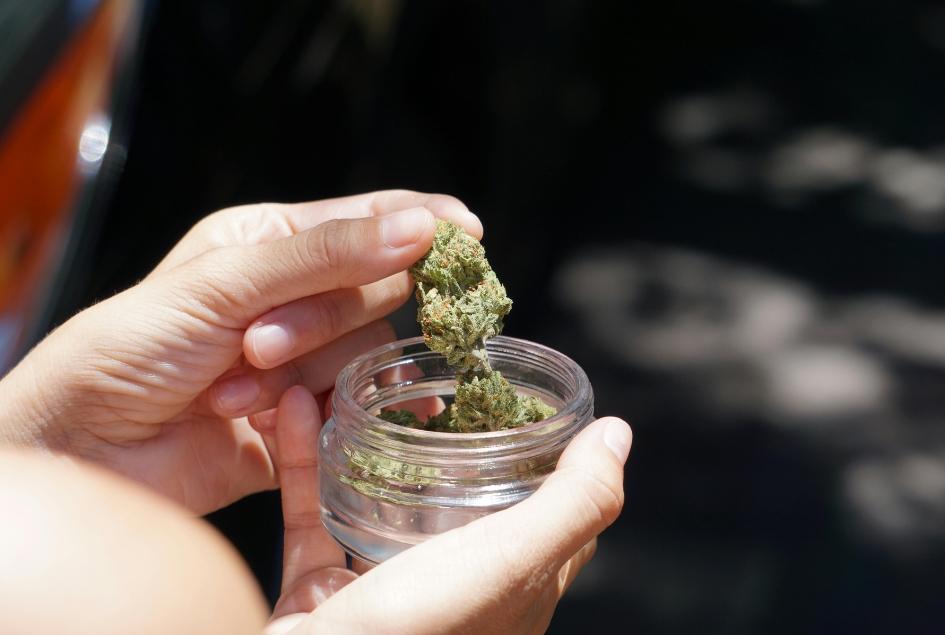
Urine tests do not look for THC itself. They detect THC metabolites, mainly a non active breakdown product called THC-COOH. That compound is what lingers after cannabis leaves the blood.
A 2016 review in Child and Adolescent Psychiatric Clinics of North America puts the urine detection window for cannabis at 1 to 30 days. Within that range, frequency of marijuana use is the biggest factor.
- One time user: typically detectable for 1 to 3 days.
- Occasional use (a few times per month): up to about 5 days.
- Moderate use (several times per week): 5 to 10 days.
- Daily use: 10 to 15 days, sometimes longer.
- Chronic heavy use (multiple times per day for months): 30 days or more.
Mayo Clinic Laboratories notes that THC-COOH can be detected in urine for more than 7 days after a single use, and that chronic use causes THC to accumulate in fat tissue so it keeps showing up for 30 to 60 days after use stops.
Will one puff of weed be detected in a pee test?
Possibly. One puff delivers a small dose, and small doses clear faster. At a standard 50 ng/mL screening cutoff, a single light exposure often falls below the line within a day or two. At a lower cutoff, or with a sensitive lab confirmation test, detection is more likely. Do not assume one puff of weed is safe before a probation screen.
Will one joint show up in a drug test?
Yes, for a few days. A full joint is a meaningful dose. Expect detectable levels for up to three days, and sometimes longer if you rarely use cannabis and your body has not built up a fast clearance pattern. Higher potency flower pushes the detection window out further.
Why THC lingers longer than other drugs
THC is fat soluble. That is the main reason it lingers.
- THC enters the bloodstream within minutes of smoking weed and within 30 to 90 minutes after eating an edible.
- The liver breaks THC down into metabolites, including THC-COOH.
- Because THC binds to fat molecules, some of it moves into fatty tissues instead of leaving right away.
- Stored THC in those fatty tissues is slowly released back into the blood over several weeks. The more that is stored, the longer it takes to eliminate THC.
- The liver processes it again, and the metabolites leave through urine and the digestive system.
That slow release is why chronic users keep testing positive long after the last marijuana use. Water soluble drugs such as alcohol or cocaine clear from blood and urine in hours to a few days. Cannabis does not, and heavy marijuana use stretches the window further.
What factors change the detection time?
Two people can smoke the same amount of cannabis and test differently for weeks. How long weed stays detectable comes down to a few variables.
Frequency of use
Frequent cannabis users build up THC in fat cells. Each smoking session adds to the reserve before the last one has cleared. A one time user has nothing stored, so the window is shorter. A heavy user may have weeks of backlog.
Dose and potency
Higher doses mean more THC metabolites to clear. Modern cannabis flower, concentrates, and vape cartridges deliver far more THC than the weed from twenty years ago. How much cannabis you use per session matters as much as how often.
Body fat percentage
People with higher body fat percentages tend to retain THC longer because there is more tissue for it to bind to. A leaner person with the same cannabis use pattern often clears faster.
Metabolism and overall health
A higher metabolic rate helps the liver and kidneys clear waste products faster. Liver disease slows everything down. Age, activity level, liver health, and overall health all play a role. None of these can be changed quickly enough to matter before a scheduled screen.
Drinking water and hydration
Drinking water dilutes urine, which can lower the concentration of THC metabolites in a single sample. It does not remove THC from fat cells. Labs also flag diluted samples, and a diluted result on probation is often treated as a failed or refused screen.
Method of use
Smoking and vaping send THC into the blood fast, with effects in 1 to 2 minutes. Smoking cannabis is still the most common method. Edibles pass through the digestive system first. The effects take longer to start and can last 4 to 8 hours or longer. Edibles do not give a shorter window in urine, and higher doses from edibles can extend it.
Cannabis use effects versus current impairment on a drug screen
Being high and testing positive run on different clocks.
- Effects from smoking cannabis begin within 1 to 2 minutes of smoking and last 1 to 3 hours.
- Effects from edibles begin within 30 to 90 minutes and can last over four hours.
- THC metabolites remain detectable in urine for days to weeks after the effects wear off.
- Hair tests can reveal cannabis use for up to 90 days, long after urine clears.
- A urine drug test shows past cannabis use. It does not measure current impairment, and no urine screen can. On probation the question is whether you used at all, not whether you were impaired.
What cutoff levels detect THC?
A cutoff is the concentration a sample must reach to count as positive.
- The federal workplace standard set by the Department of Health and Human Services is 50 ng/mL for the initial urine screen and 15 ng/mL for the confirmation test.
- Some labs and probation programs use lower screening cutoffs, such as 20 ng/mL, which extend the detection window for marijuana.
- Confirmation testing by GC-MS or LC-MS/MS is far more specific than an instant cup test and rules out most false positives.
Ask your attorney or supervising officer what cutoff the program uses. A 20 ng/mL cutoff can add a week or more to your detection time.
Probation drug screens for weed in Georgia
Georgia probation drug testing follows the same science. The legal side is what changes.
- Georgia Code § 42-8-35.7 authorizes drug and alcohol screening of probationers under Department of Community Supervision rules, and courts can order more frequent testing.
- The DCS standard conditions allow a supervision officer to require drug testing at any time. Random tests are normal.
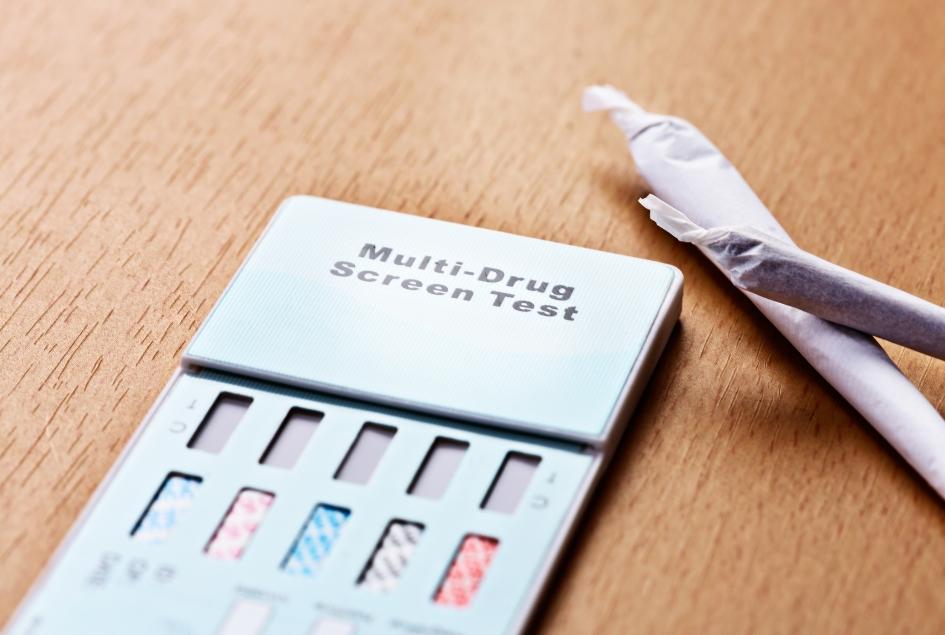
- Most Georgia probation programs use urine testing for cannabis. Instant cup urine testing is common in the field, with lab confirmation for disputed results.
- A positive test can trigger increased supervision, substance abuse treatment, a violation hearing, or jail. Read our guide to what happens if you fail a drug test on probation in Georgia.
What about medical marijuana on probation?
Georgia’s medical cannabis program expanded on July 1, 2026 under the Putting Georgia’s Patients First Act. A registered patient card does not change the chemistry. THC from a licensed dispensary product produces the same THC metabolites as any other cannabis, and a probation drug test cannot tell medical marijuana use from recreational marijuana use. Whether authorized use is allowed depends on your court order, not your card. Read our guide to using medical marijuana while on probation in Georgia.
How long do you need to be clean to pass a weed screen on probation?
Use the cannabis frequency chart above and add a margin.
- One time or rare use: plan on at least 3 to 5 days.
- Weekly use: plan on 7 to 10 days.
- Daily use: plan on 2 to 4 weeks.
- Chronic heavy use: plan on 30 to 45 days, and possibly longer.
These are estimates, not guarantees. The only way to know is to stop using cannabis and get screened.
Can you speed up how fast THC leaves your system?
No product reliably clears stored THC on demand.
- Detox drinks and kits: products claim to flush THC. Most work by diluting urine, which labs detect. They do not eliminate THC from fat cells.
- Exercise: may release THC from fat into the blood in the short term, which can temporarily raise metabolite levels. Not a fix before a screen.
- Synthetic urine or substitution: a crime in some states and a probation violation everywhere. Observed collections make it impractical.
- Time and abstinence: the only method that works.
Trying to beat a probation screen carries legal consequences. A tampered or substituted sample is typically treated as a refusal.
Can secondhand marijuana smoke make you fail?
Rarely. Studies of secondhand marijuana smoke show that a positive urine test at the 50 ng/mL cutoff requires extreme exposure, such as hours in a small, unventilated room with multiple people smoking heavily. Normal exposure at a party does not produce a positive test. Do not rely on secondhand smoke as an explanation at a violation hearing.
When the question is bigger than the screen
If you are counting days until you can pass a screen, the harder question is why stopping weed is difficult. Cannabis use disorder is real. Regular cannabis use changes how the brain handles reward, and the National Institute on Drug Abuse reports that roughly 3 in 10 people who use marijuana meet criteria for it. Withdrawal can bring irritability, sleep problems, and anxiety, and anxiety is often what pushes people back to smoking right before a screen.
Treatment options for cannabis exist that fit around probation. Lanier Recovery Center provides marijuana addiction treatment and outpatient programs in Georgia, including PHP and IOP, with attendance documentation for probation officers and courts. Call (470) 470-5697 or contact our admissions team online to talk through your options confidentially.
Legal information disclaimer: This article provides general information, not legal or medical advice. Detection windows are estimates and vary by person, product, and laboratory. Probation testing rules depend on your court order and supervising agency. Speak with a Georgia criminal defense attorney about your situation.