

Gabapentin withdrawal happens when your body, having adapted to the medication, has to readjust after you lower the dose or stop taking it. If you started gabapentin for nerve pain or seizures, that readjustment can bring symptoms you never expected, from anxiety and nausea to sleep problems and, in some cases, rebound seizures. How intense it feels depends on your dose, how long you took the drug, and your overall health, and the symptoms are far more manageable when you taper under medical guidance instead of stopping abruptly.
What is gabapentin withdrawal like?
Gabapentin is a common prescription medication. Doctors primarily use it as an anticonvulsant to manage seizure disorders. It is also highly effective for treating nerve pain. The drug works by calming your nervous system. It slows down the release of excitatory chemicals in the brain. Over time, your body adapts to this calming effect. This adaptation is called physical dependence.
When people ask their doctor, “tell me about withdrawal symptoms of gabapentin,” they are often surprised by the answer. Physical dependence can happen even when you take your medication exactly as prescribed. It is simply a biological response to the drug. Does gabapentin have a withdrawal syndrome? Yes, it certainly does. When you lower your dose or stop taking it, your nervous system must readjust. This adjustment period creates withdrawal symptoms.
Experiencing this does not mean you have failed. It does not mean you did anything wrong. It just means your brain needs time to find its natural balance again. When looking into a structured detox Atlanta center to aid this transition, grasping the underlying biological process is an essential first step.
Common gabapentin withdrawal symptoms
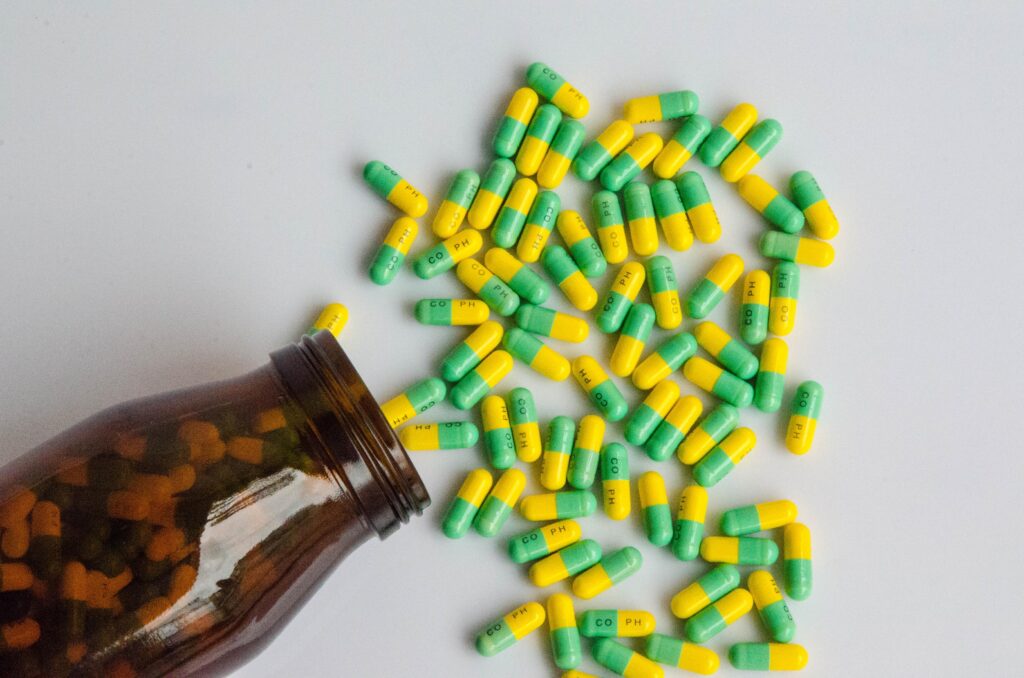
Stopping this medication abruptly shocks your system. This sudden change produces a range of uncomfortable physical and mental reactions. These gabapentin withdrawal side effects can feel confusing and overwhelming at first. However, they are temporary and highly manageable with the right professional care. The severity of your gabapentin withdrawal symptoms depends on a few unique factors. Your daily dose plays a major role in how you feel. The duration of your treatment matters greatly. Your individual kidney function also affects how quickly the drug leaves your body.
Physical symptoms
- Nausea and stomach upset. Many people feel sick to their stomach.
- Sweating and flu-like feelings. You might experience chills, body aches, and heavy sweating.
- Headaches. Frequent or intense headaches are very common.
- Sleep disturbances. Falling asleep or staying asleep often becomes incredibly difficult.
Psychological and cognitive effects
- Heightened anxiety. You might feel extremely nervous, restless, or on edge.
- Irritability. Small frustrations can trigger sudden mood changes.
- Mental status changes. Focusing on daily tasks may feel unusually hard, leading to a sense of brain fog.
If you are currently seeking anxiety treatment Atlanta, safely managing these psychological symptoms is vital for your comfort and recovery.
Seizure risk
The most serious risk involves rebound seizures. This is especially true for individuals who originally took gabapentin for seizure disorders. A sudden halt in medication can trigger dangerous, continuous seizures. This is exactly why medical supervision is absolutely vital. A medical professional will carefully monitor your progress to help you avoid these severe health risks entirely.
Withdrawal timeline and duration
The exact schedule for getting off this medication varies for everyone. However, doctors do see a standard timeline pattern for most patients. Understanding this schedule can help you mentally prepare for the days ahead. The first signs of acute withdrawal typically appear quite quickly. Most people notice changes within 12 to 48 hours after taking their last dose.
Several things shape where you fall within this range. People who took high doses for a long time often have a longer, more gradual timeline, while short-term users at lower doses tend to move through it faster. Immediate-release and extended-release formulations can also affect when symptoms start, since they leave your system at different rates. Knowing the general pattern helps, but your own timeline is best mapped with a clinician who can adjust the plan as you go.
| Withdrawal phase | Timeframe | What to expect |
|---|---|---|
| Onset | 12 to 48 hours | Mild anxiety, sweating, and sleep disruptions begin. |
| Peak symptoms | Days 2 to 3 | Symptoms reach their highest intensity. |
| Gradual resolution | Weeks 1 to 2 | Physical and mental side effects slowly fade. |
The intensity generally peaks around days 2 to 3. During this peak window, you might feel the most uncomfortable. Restlessness and stomach issues often flare up during this specific time. After navigating this difficult stretch, you will likely see gradual improvement over the following 1 to 2 weeks. Your body is incredibly resilient. It just needs a steady, supported environment to heal and restore its natural balance.
For some people, a few symptoms linger past the two-week mark. Occasional insomnia, mild anxiety, or low mood can persist for several weeks as your brain fully recalibrates. These lingering effects are usually mild and continue to fade with time, good sleep, and steady support. If they intensify rather than improve, that is a signal to check back in with your care team.
What influences how hard withdrawal feels
No two people move through gabapentin withdrawal in exactly the same way. Several factors shape how intense your symptoms become and how long they last, which is why a personalized plan works far better than a one-size-fits-all approach.
- Dose and duration. higher daily doses taken over a longer period usually produce stronger symptoms, because your nervous system has adapted more deeply.
- Kidney function. gabapentin leaves the body through the kidneys, so reduced kidney function can slow clearance and change how symptoms unfold.
- Other substances. using alcohol, opioids, or benzodiazepines alongside gabapentin can intensify withdrawal and raise the risk of complications.
- How you stop. quitting cold turkey is far harder on the body than a gradual, supervised taper.
- Overall health. co-occurring medical or mental health conditions can influence both symptom severity and recovery time.
Because these factors interact, the safest way to predict and manage your experience is to review your full history with a medical provider before you make any changes. They can weigh your dose, health, and goals to design a taper that keeps you comfortable and protected.
Long-term recovery considerations
It is deeply important to look at the broader picture of substance use and dependence. Sometimes, a person develops an active gabapentin use disorder. This involves taking more than prescribed or combining it with other substances to enhance effects. A recent public health study highlighted a highly concerning national trend. Recent surveillance data shows that 56% of gabapentin users in fatal overdoses were also taking illicit opioids. This statistic highlights the urgent, non-negotiable need for comprehensive medical oversight.
When opioids or multiple substances are involved, medical withdrawal management becomes absolutely essential. Attempting to stop on your own is simply too dangerous. Professional addiction treatment programs provide the medical safety net you need. They monitor your vital signs, manage your discomfort, and provide deeply supportive care.
Medical oversight also means your team can respond to changes in real time. If your blood pressure climbs, your anxiety spikes, or a symptom points to a bigger problem, a clinician can step in and adjust the plan the same day. That responsiveness is hard to replicate at home, especially when more than one substance is in the picture. Beyond the physical side, structured programs address the reasons the dependence developed, connecting you with therapy, peer support, and a clear plan for the weeks after withdrawal ends.
Outpatient support at Lanier Recovery Center
Once the acute phase passes, ongoing structure helps protect the progress you have made. Our partial hospitalization program offers the most intensive daytime support, with medical oversight and therapy while you return home in the evenings. As you stabilize, an IOP Atlanta steps the commitment down to a few sessions each week, and our outpatient rehab Atlanta GA keeps you connected to care as you rebuild daily routines. Each level treats the whole picture, including any co-occurring anxiety, depression, or substance use that shaped your gabapentin use in the first place.
When to seek immediate help
Some symptoms are a signal to get help right away rather than wait them out. Seek emergency care if you experience a seizure, chest pain, a racing heart, severe confusion, or thoughts of harming yourself. These reactions are uncommon during a properly supervised taper, which is exactly why medical monitoring matters so much. A treatment team can respond quickly and adjust your plan before a manageable symptom becomes a crisis.
Lanier Recovery Center offers exceptional support for adults in the North Atlanta area. We provide a calm, lake-adjacent suburban setting that promotes real healing. Here, you can step away from the stressful city environment and focus on yourself. Our peaceful location near Lake Lanier allows you to rebuild healthy routines without urban distractions. If you need dual diagnosis treatment Atlanta, our facility provides the perfect therapeutic backdrop for your long-term recovery.
Take the next step toward safe gabapentin recovery
Navigating the transition off a prescription medication can feel overwhelming, but you possess the strength to get through it. Understanding the biology behind physical dependence is a powerful step toward reclaiming your health. You do not have to manage these uncomfortable changes in isolation. With proper medical guidance, a personalized tapering plan, and a supportive environment, your body will naturally recalibrate and heal.
If you or a loved one are struggling with substance use or need professional help managing a difficult withdrawal process, we are here for you. Please call us today at (470) 470-5697 to speak with a compassionate care team member. You can also visit Lanier Recovery Center to explore our comprehensive treatment programs. Contacting us for professional support is an act of deep courage, and it is the safest way to protect your long-term well-being.