Request a call to speak with an admissions specialist. We are here to help you.

"*" indicates required fields

Vicodin addiction treatment center

Vicodin dependence often develops in ways that feel nothing like addiction at first. A prescription written for legitimate pain becomes a daily necessity, and by the time the pattern is clear, stopping without help is no longer straightforward. People looking for addiction treatment for Vicodin and other opioids at Lanier Recovery Center will find evidence-based clinical care designed to address both the physical and psychological dimensions of opioid dependence. Vicodin addiction rarely exists in isolation. Co-occurring mental health conditions, chronic pain, and the particular pressures of professional life all shape how dependence develops and what treatment needs to address. Understanding the clinical picture clearly is the first step toward building a recovery plan that actually works.
Free Insurance Check

Free & Confidential | HIPPA Compliant | No Obligation

"*" indicates required fields

1
2
3
4
This field is for validation purposes and should be left unchanged.
White pills scattered on a gray surface, symbolizing medication or substance use.

What is Vicodin?

Vicodin is a prescription opioid analgesic that combines hydrocodone, a strong opioid pain reliever, with acetaminophen. It’s prescribed for moderate to severe pain and works by binding to opioid receptors in the brain and spinal cord, blocking pain signals, and triggering a significant release of dopamine that produces feelings of calm and relief.

The same mechanism that makes Vicodin effective for pain management also drives its high addiction potential. With repeated use, the brain adjusts to the artificial dopamine release and reduces its own natural production, creating a cycle in which higher doses are needed to achieve the same effect, and the person begins to feel unwell without the drug. This is the neurological foundation of physical dependence, and it can develop in people who are taking the medication exactly as prescribed.

Table of Contents

The acetaminophen risk

The acetaminophen component of Vicodin carries its own serious risk that is separate from the opioid dependence concern. High doses of acetaminophen can cause severe and permanent liver damage, a risk that increases significantly when the medication is combined with alcohol. This is one of the reasons that medically supervised detox Atlanta is particularly important for clients withdrawing from Vicodin, since the physical health picture is more complex than opioid dependence alone.

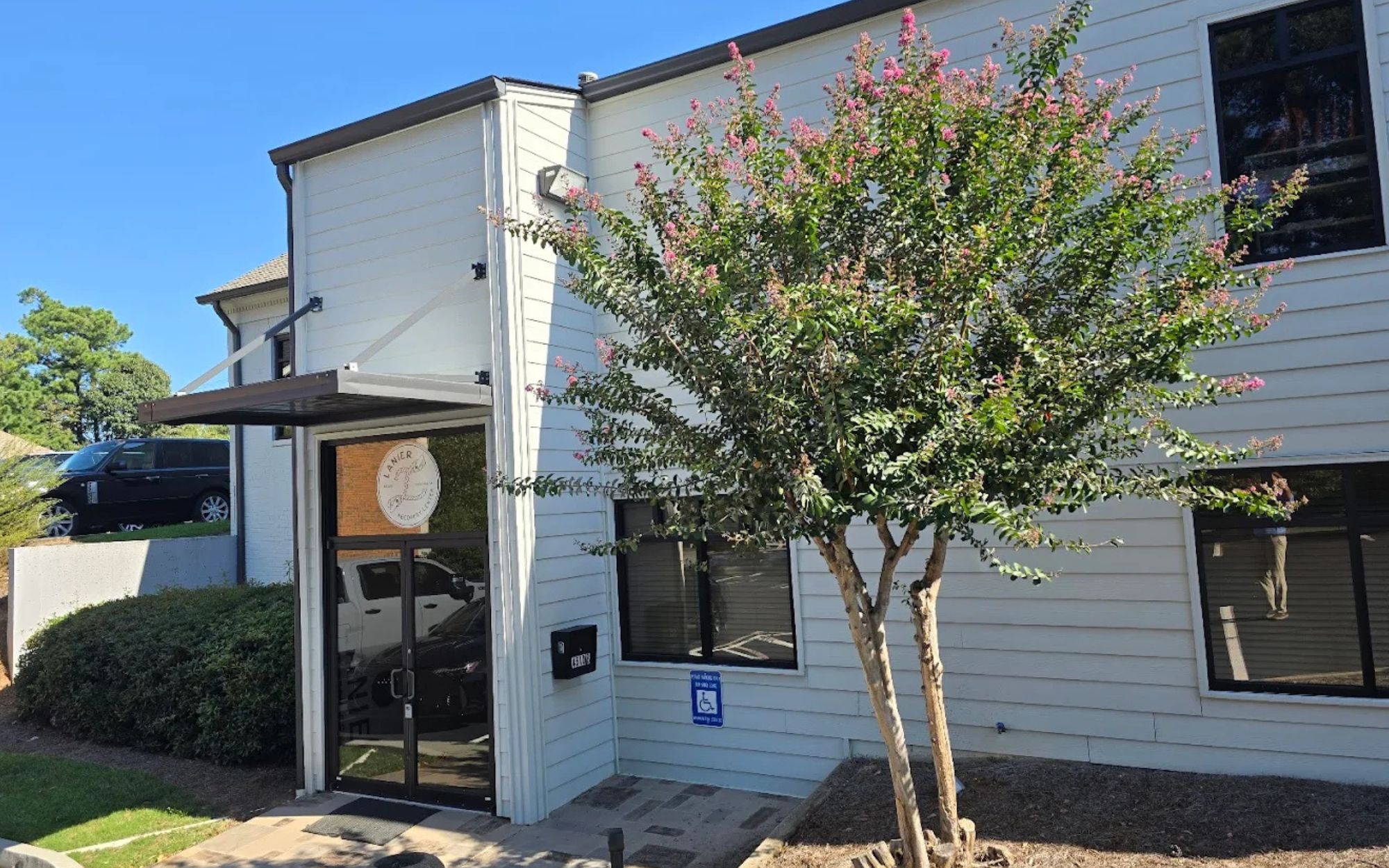
Check out our facility in Atlanta, GA

Discover why our programs are top rated today. Talk with our admissions team about the right treatment plan to bring lasting recovery.

Signs of Vicodin addiction

Recent data from SAMHSA shows that 8 million Americans misused pain relievers in 2024. Most individuals who misuse these medications initially obtain them to relieve physical pain. Because Vicodin use often begins with a legitimate medical need, the signs of addiction can be difficult to distinguish from the ordinary experience of managing pain and taking prescribed medication. The following indicators suggest that use has crossed into dependence.

Taking more than prescribed

Using higher doses than prescribed, taking doses more frequently than directed, or running out of medication before the next refill is due are among the clearest early signs that physical dependence has developed. The person may rationalize the escalation as necessary for adequate pain control while the underlying neurological dependency is driving the increase.

Doctor shopping and supply concerns

Visiting multiple doctors or pharmacies to obtain additional prescriptions, known as doctor shopping, is a behavioral sign that the supply available through a single prescription is no longer sufficient. Significant anxiety about having enough medication on hand, and planning activities and travel around ensuring access to the drug, reflect the same underlying compulsion.

Continued use despite consequences

Continuing to use Vicodin despite negative consequences at work, in relationships, or with physical health is a defining feature of addiction. This may include missing professional obligations, withdrawing from family and social life, or persisting with the medication despite a doctor’s recommendation to taper or stop.

Physical signs

Physical indicators of Vicodin misuse include pinpoint pupils in normally lit environments, excessive drowsiness or nodding off at unusual times, slurred speech, slowed reaction time, persistent nausea, and unexplained weight loss. Over time, chronic use affects liver function, immune response, hormonal balance, and cardiovascular health.

Withdrawal symptoms when stopping

Experiencing flu-like symptoms, intense muscle aching, sweating, nausea, anxiety, irritability, and cravings when a dose is missed or delayed is a clear sign of physical dependence. These withdrawal symptoms reflect the nervous system’s adjustment to the absence of a drug it has come to rely on, and their severity is one of the most common reasons people are unable to stop without professional support.

the help you need is here

Recovery starts here

If you or someone you love is struggling with substance use or other mental health issues, Lanier Recovery Center can help. Request a callback below to receive care and support you can trust.

"*" indicates required fields

Causes and risk factors for Vicodin addiction

Vicodin addiction is a medical condition with identifiable risk factors, not a reflection of personal weakness or poor judgment. Understanding what increases vulnerability helps clarify why some people develop dependence after short-term prescribed use while others do not.

Genetics and family history

A family history of substance use disorder significantly increases the genetic risk of developing dependence on opioids. This biological predisposition does not determine outcomes, but it does mean that some people are neurologically more susceptible to the reinforcing effects of opioids and more likely to develop tolerance and dependence quickly.

Long-term pain management

Chronic pain conditions frequently require prolonged medication use, and extended exposure to opioids substantially increases the risk of physical dependence regardless of whether the prescription is being taken as directed. Many people entering opiate addiction treatment began with entirely legitimate pain management needs and developed dependence over time without ever intending to misuse the medication.

Co-occurring mental health conditions

Unaddressed anxiety, depression, trauma, and other mental health conditions significantly elevate the risk of opioid misuse. People managing these conditions may turn to Vicodin not only for physical pain relief but as a way to quiet psychological distress, a pattern that accelerates the development of dependence and complicates recovery if the underlying condition is not treated alongside the addiction.

Professional pressure and stress

High-demand careers create particular vulnerability to prescription opioid misuse. Working professionals often feel pressure to manage pain and continue functioning at full capacity rather than resting and recovering, which can lead to escalating use and a growing dependency that is easy to rationalize as necessary. Rehab for professionals at Lanier Recovery is specifically designed for clients navigating this dynamic.

Georgia addiction treatment center

How to begin your recovery journey

We know beginning treatment can feel intimidating, so we’ve made the process simple and stress-free.

1

Get in touch
with us

Call or complete our contact form to connect with an admissions specialist who takes the time to listen and understand your situation.

2

Complete an assessment
& insurance review

Our team will review your history, discuss your needs, and confirm insurance coverage or explore self-pay options to make things easy.
3

Start your
treatment

Begin a personalized program built around your goals, supported by evidence-based care and a compassionate clinical team.

Vicodin addiction treatment at Lanier Recovery

Effective Vicodin addiction treatment addresses the physical dependence, the psychological drivers behind the use, and any co-occurring conditions that contributed to or were worsened by opioid use. Lanier Recovery offers multiple levels of clinical care matched to each client’s specific situation.

Program type Best Suited for Schedule & flexibility
Structured residential treatment Individuals needing immersive care away from home stressors 24/7 care in a peaceful, supportive environment
Flexible outpatient programs Working professionals maintaining job and family commitments Flexible daytime or evening sessions in the Atlanta area

Medication-assisted treatment

For opioid use disorder, MAT programs in Georgia combines FDA-approved medications with behavioral therapy to significantly improve treatment outcomes. Medications used in opioid MAT reduce cravings, prevent withdrawal, and block the euphoric effects of opioids, creating a more stable neurological foundation for the psychological work of recovery. MAT is not a substitute for treatment but a clinical tool that makes engaging meaningfully in therapy considerably more achievable for many clients.

Residential treatment

For clients with severe dependence, an unstable home environment, or a history of unsuccessful outpatient attempts, inpatient rehab Atlanta provides immersive clinical structure in a residential setting. Removing access to the substance and replacing daily routines with therapeutic programming gives clients the strongest available foundation for early recovery from Vicodin addiction.

Partial hospitalization

Clients stepping down from residential care or those who need intensive daily clinical support without a residential stay are often well suited for PHP Atlanta. Full-day programming runs several days per week while clients return home each evening, maintaining strong clinical structure while allowing a gradual reintegration into daily life.

Intensive outpatient

For clients who need to maintain employment or family responsibilities during treatment, IOP Atlanta delivers structured vicodin rehab built around a schedule that works, with sessions covering the same evidence-based therapies available at higher levels of care across several days per week.

Outpatient treatment

Outpatient rehab Atlanta GA provides ongoing individual and group therapy for clients transitioning out of more intensive care or those whose dependence is less severe and whose living situation supports recovery without daily clinical programming.

What sets lanier recovery center apart

Our approach to addiction and mental health treatment is built on comprehensive care, compassionate support, and individualized recovery paths that lead to lasting change.

Depth

We go beyond surface-level treatment to address the root causes of addiction and mental health challenges for lasting healing.

Support

Our compassionate team provides steady guidance, encouragement, and care at every stage of the recovery journey.

Strength

Through personalized therapy and skill-building, we help individuals rediscover confidence and inner resilience.

Accountability

We create structured support systems that promote responsibility, consistency, and long-term recovery success.

Aftercare

Our aftercare planning and alumni support ensure continued connection and stability long after treatment ends.

Flexibility

We offer adaptable treatment options that fit real-life responsibilities while maintaining consistent, high-quality care.

Lanier Recovery Center can help you
We understand that getting help for addiction can be challenging. Start with a free addiction assessment today.

Frequently asked questions

Signs of Vicodin abuse may include taking larger doses than prescribed, obsessing over prescription medication, mood changes, withdrawal symptoms, and difficulty functioning without the drug. People battling addiction may also visit multiple healthcare professionals for prescriptions or continue using Vicodin despite problems at work, school, or home. Chronic Vicodin abuse can impact physical health, relationships, and emotional well being while increasing the risk of opioid use disorder and other substance use disorder complications.

Vicodin detox is often the first step in treatment for Vicodin addiction. Withdrawal symptoms may include anxiety, nausea, body aches, sweating, insomnia, irritability, cravings, and flu-like discomfort. Because opioid withdrawal can feel overwhelming, many treatment centers recommend medical care and medication assisted treatment during the recovery process. Professional intervention and medication management can help reduce discomfort, improve safety, and support people as they begin overcoming addiction in a structured environment.

Vicodin addiction treatment programs may include inpatient programs, outpatient programs, intensive outpatient programs, and partial hospitalization programs depending on the severity of the addiction and a person’s treatment needs. A Vicodin addiction treatment center may offer group therapy sessions, individual therapy sessions, family therapy sessions, experiential therapy, holistic therapies, and ongoing support throughout the treatment journey. Many rehab center programs use a holistic approach and personalized care to address both addiction and underlying mental illness or emotional struggles contributing to substance abuse.

Yes. With comprehensive care, intensive support, and a strong treatment plan, many people are able to overcome Vicodin addiction and achieve lasting recovery. Recovery often involves therapy sessions, relapse prevention strategies, family involvement, and continued support after completing a rehab program. Many treatment options also focus on helping people manage pain, stress, and emotions without relying on prescription medication. Through life changing treatment and a supportive recovery journey, individuals and family members can rebuild stability, improve mental health, and move forward in healthier ways.

Lanier Recovery Center’s top values

Every treatment will be uniquely tailored to you, because you’re unique.

Sober living

Our team is 100% sober, including from Alcohol. We help our clients achieve sobriety and stick to it through thick and thin, because sobriety is the foundation of a fulfilling life.

Integrity

Our team is 100% sober, including from Alcohol. We help our clients achieve sobriety and stick to it through thick and thin, because sobriety is the foundation of a fulfilling life.

Everyone belongs

Our team is 100% sober, including from Alcohol. We help our clients achieve sobriety and stick to it through thick and thin, because sobriety is the foundation of a fulfilling life.

Limitless potential

Our team is 100% sober, including from Alcohol. We help our clients achieve sobriety and stick to it through thick and thin, because sobriety is the foundation of a fulfilling life.

Vicodin addiction is treatable with the right clinical support

Finding a clear way out of prescription medication misuse requires practical, compassionate support. The right treatment approach addresses both the physical discomfort of withdrawal and the emotional factors behind the reliance. You can successfully rebuild a stable, healthy routine without the constant worry of finding your next dose. If you need steady guidance on medical detox or flexible outpatient scheduling, our dedicated team is always ready to listen. Contact us or call (470) 470-5697 to speak directly with the supportive admissions staff at Lanier Recovery Center. We can help you review your current insurance coverage and plan a safe, confidential admission today.

If you’re looking for more information, connect with our team by phone, email, or through our online form. We’re here to answer your questions, talk through your options, and support you as you begin your path toward lasting recovery.

Sources

Substance Abuse and Mental Health Services Administration. Results from the 2024 National Survey on Drug Use and Health. SAMHSA.

University of North Carolina School of Medicine. Results from the 2021 to 2024 National Surveys on Drug Use and Health. UNC School of Medicine.

Substance Abuse and Mental Health Services Administration. (August 9, 2025). 2024 National Survey on Drug Use and Health (NSDUH) Releases. SAMHSA.

Substance Abuse and Mental Health Services Administration. (July 28, 2025). SAMHSA Releases Annual National Survey on Drug Use and Health. SAMHSA.

Office of Disease Prevention and Health Promotion. National Survey on Drug Use and Health (NSDUH). U.S. Department of Health and Human Services.

JAMA Network Open. (December 7, 2023). Opioid Prescribing by US Surgeons, 2016-2022. JAMA Network Open.

Agency for Healthcare Research and Quality. STATISTICAL BRIEF #529: Total Expenses, Total Utilization, and Prescription Opioid Use, 2017. AHRQ.

Centers for Disease Control and Prevention. (February 11, 2026). Opioid Dispensing Rate Maps. CDC.

StatPearls Publishing. (October 6, 2024). Hydrocodone and Acetaminophen. StatPearls [Internet].

StatPearls Publishing. (February 29, 2024). Hydrocodone. StatPearls [Internet].

U.S. Food and Drug Administration. NORCO® Hydrocodone Bitartrate and Acetaminophen Tablets, USP. FDA.

Drug Enforcement Administration. HYDROCODONE (Trade Names: Vicodin®, Lortab®, Lorcet-HD®). DEA.

U.S. Food and Drug Administration. Vicodin. FDA.

Bailey CP, Connor M. (2013). Molecular Mechanisms of Opioid Receptor-Dependent Signaling and Tolerance. Annual Review of Pharmacology and Toxicology, 53, 451–471.

Frontiers. (June 23, 2025). Molecular and cellular basis of mu-opioid receptor signaling. Frontiers in Neuroscience. doi:10.3389/fnins.2025.1597922

Williams JT, Christie MJ, Manzoni O. (2005). Opioids: Cellular mechanisms of tolerance and physical dependence. Current Pharmaceutical Design, 11(31), 4099–4116.

University of Maryland School of Medicine. (2023). Structure of Opioid Receptors May Reveal How to Better Design Pain Relievers, Addiction Therapies. University of Maryland School of Medicine.

StatPearls Publishing. (June 8, 2024). Mu Receptors. StatPearls [Internet].

National Institute on Drug Abuse. (June 1, 2021). Prescription Opioids DrugFacts. NIDA.

Substance Abuse and Mental Health Services Administration. (June 9, 2023). SAMHSA’s National Helpline. SAMHSA.

PubMed. Chronic excessive acetaminophen use and liver damage. Annals of Internal Medicine.

University of Florida. Acetaminophen Hepatotoxicity and Acute Liver Failure. University of Florida.

U.S. Food and Drug Administration. (February 1, 2024). Don’t Overuse Acetaminophen. FDA.

StatPearls Publishing. (February 19, 2026). Acetaminophen Toxicity. StatPearls [Internet].

StatPearls Publishing. (January 22, 2025). Opioid Toxicity. StatPearls [Internet].

National Center for Biotechnology Information. Withdrawal Management. NCBI Bookshelf.

National Library of Medicine. (May 4, 2024). Opiate and opioid withdrawal. MedlinePlus.

Collins ED, Kleber HD, Whittington RA, Heitler NE. (August 2003). Newer approaches to opioid detoxification. Yale Journal of Biology and Medicine, 76(1), 51–55.

U.S. Food and Drug Administration. (December 26, 2024). Information about Medications for Opioid Use Disorder (MOUD). FDA.

Centers for Disease Control and Prevention. (August 12, 2024). Treatment of Opioid Use Disorder. CDC.

Blanco C, et al. (June 3, 2021). Therapeutic Approaches to Opioid Use Disorder: What is the Current Landscape?. American Journal of Psychiatry, 178(6), 521–530.

(November 12, 2024). A review of natural interventions in substance abuse treatment and recovery. Journal of Substance Use and Addiction Treatment.

State of Georgia. Subject 111-8-19 RULES AND REGULATIONS FOR DRUG ABUSE TREATMENT AND EDUCATION PROGRAMS. Georgia Secretary of State.

we are here for you

Get the help you need today.

Together, we can help you build a brighter future of wellness.

Free & easy insurance check

alliant
care source
multiplan
united healthcare
cigna
beacon
bluecross
tricare

Request a confidential call

"*" indicates required fields

This field is for validation purposes and should be left unchanged.
Preferred method*
Get Treatment For All Your Healthcare Needs

Other what we treat

Request A Confidential Call

Request a call and a Lanier Recovery Center team member will be in touch.

"*" indicates required fields