Request a call to speak with an admissions specialist. We are here to help you.

"*" indicates required fields

Gambling addiction treatment

Gambling addiction is one of the more isolating behavioral conditions a person can face. The financial consequences accumulate quietly, the shame of hiding the extent of the problem compounds over time, and the cycle of chasing losses creates a kind of psychological trap that is genuinely difficult to break without clinical support. Gambling disorder is a recognized clinical condition that shares many neurological features with substance use disorders, and it responds to the same kinds of structured, evidence-based treatment. Understanding how it develops, what it looks like, and what recovery involves is the starting point for building a plan that actually produces lasting change.
Free Insurance Check

Free & Confidential | HIPPA Compliant | No Obligation

"*" indicates required fields

1
2
3
4
This field is for validation purposes and should be left unchanged.
Two red dice and poker chips on a green felt table for gambling or casino games.

What is gambling addiction and problem gambling?

Gambling disorder is a behavioral addiction in which a person is unable to control their gambling despite significant negative consequences across finances, relationships, work, and mental health. It is classified in the Diagnostic and Statistical Manual of Mental Disorders alongside substance use disorders because of the neurological similarities between the two conditions. People seeking addiction treatment for compulsive gambling at Lanier Recovery will find clinical care built around those neurological realities rather than approaches that treat gambling as simply a bad habit to be corrected through willpower.

The mechanism driving compulsive gambling is well documented. Gambling triggers a significant release of dopamine in the brain, producing a rush of excitement and reward that can be far more intense than natural pleasures. With repeated exposure, the brain adapts by reducing its baseline dopamine production, which means the person needs increasingly high-stakes betting to achieve the same feeling and begins to feel flat, restless, or dysphoric without it. This neurological adaptation is what transforms recreational gambling into compulsive behavior that feels impossible to control.

Not everyone who gambles develops a disorder. Research suggests that roughly 3-4% of the population develops a moderate-to-severe gambling problem, while a larger group engages in problematic gambling that does not yet meet the full clinical threshold. Early intervention produces significantly better outcomes than waiting until the consequences become severe.
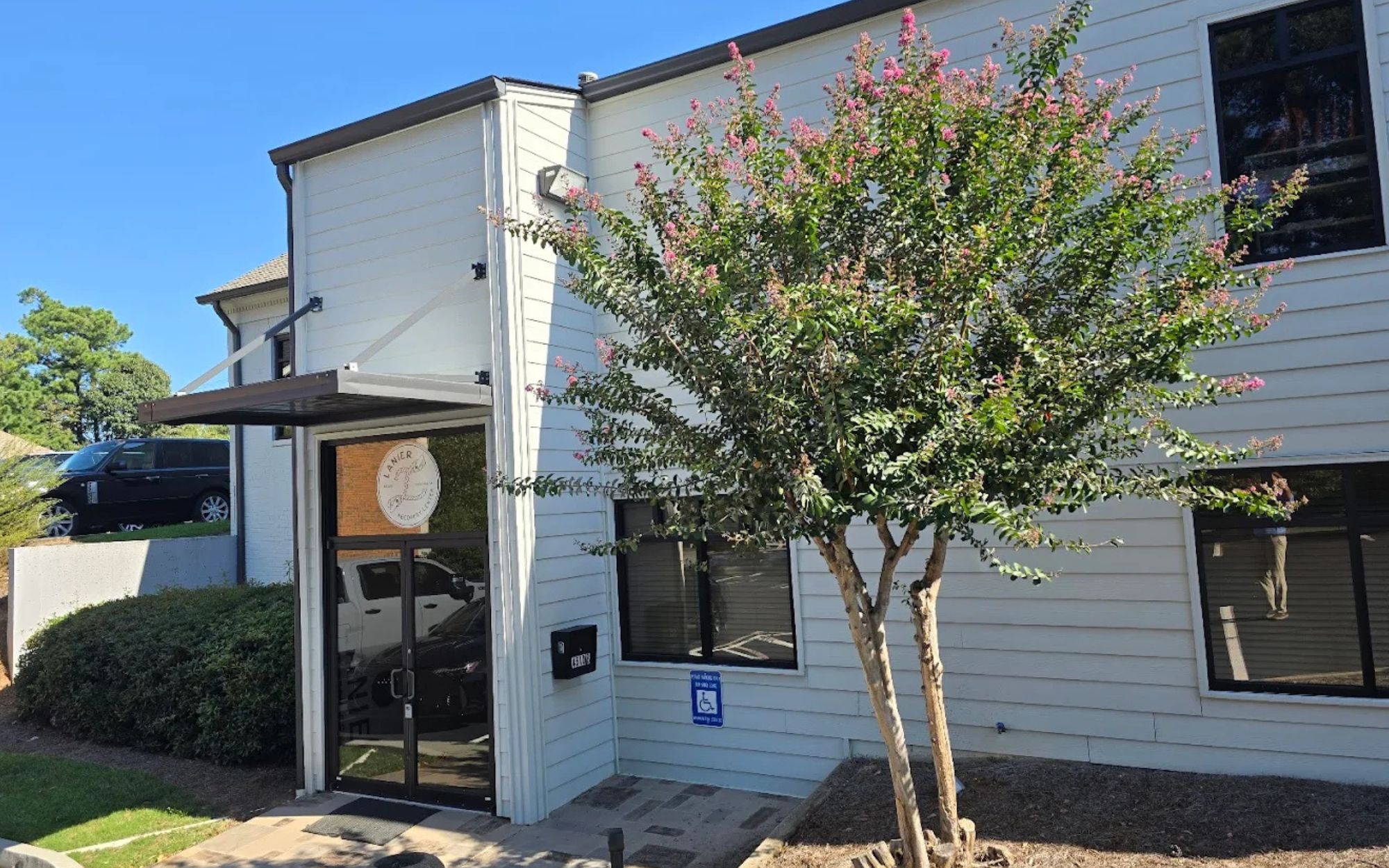
Table of Contents

Causes and risk factors for compulsive gambling

Gambling disorder develops through a combination of neurological, psychological, and environmental factors, and understanding what increases vulnerability is an important part of building an effective treatment plan.

Genetic predisposition

A family history of addiction, whether to substances or behavioral compulsions, increases the neurological risk of developing a gambling disorder. People with this predisposition tend to have reward systems that respond more intensely to gambling-related stimuli and are more susceptible to the cycle of tolerance and escalation that characterizes addiction.

Co-occurring mental health conditions

Gambling disorder frequently co-occurs with other mental health conditions, and in many cases, those conditions are a primary driver of the gambling behavior. People managing bipolar disorder treatment Atlanta may be particularly vulnerable during manic episodes, when impulsivity and risk-taking increase significantly. Anxiety treatment Atlanta and depression treatment Atlanta presentations are also common, with gambling functioning as a way to escape psychological pain or generate artificial emotional stimulation. Adhd treatment Atlanta is another frequent co-occurring condition, as the high stimulation of gambling can temporarily address the underarousal that characterizes ADHD.

Substance use and polyaddiction

Gambling disorder and substance use disorders frequently co-occur, sharing overlapping neurological pathways and often reinforcing each other. Clients managing both conditions require an integrated treatment approach that addresses each simultaneously rather than sequentially. Lanier Recovery’s dual diagnosis treatment atlanta model is built for exactly this kind of complex presentation.

Environmental and situational factors

Early exposure to gambling, a social environment where betting is normalized, significant financial stress, and major life disruptions can all increase the risk of developing a gambling disorder. For working professionals, the particular combination of high-pressure performance expectations and ready access to online gambling platforms creates a specific vulnerability that is worth acknowledging in treatment.

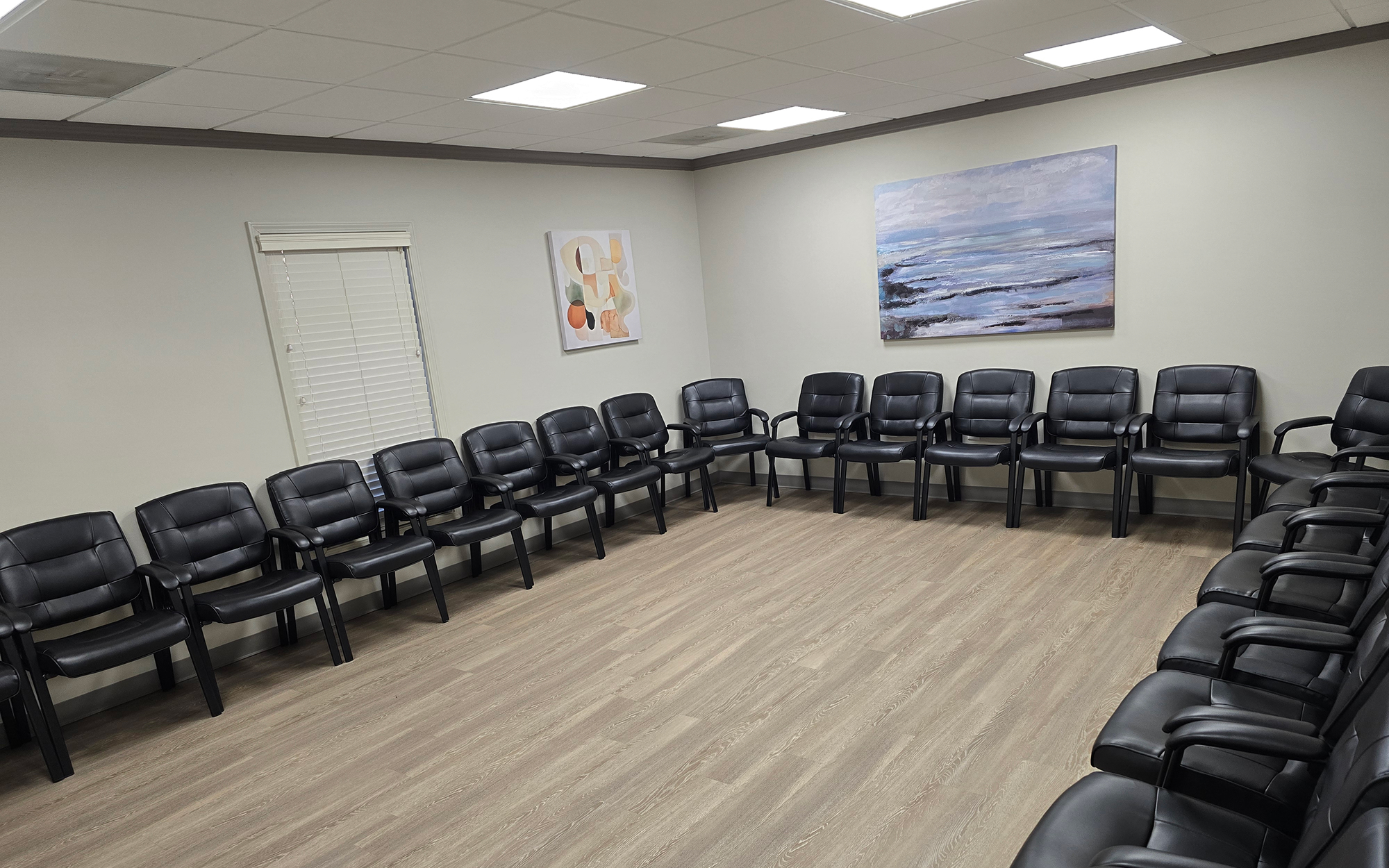
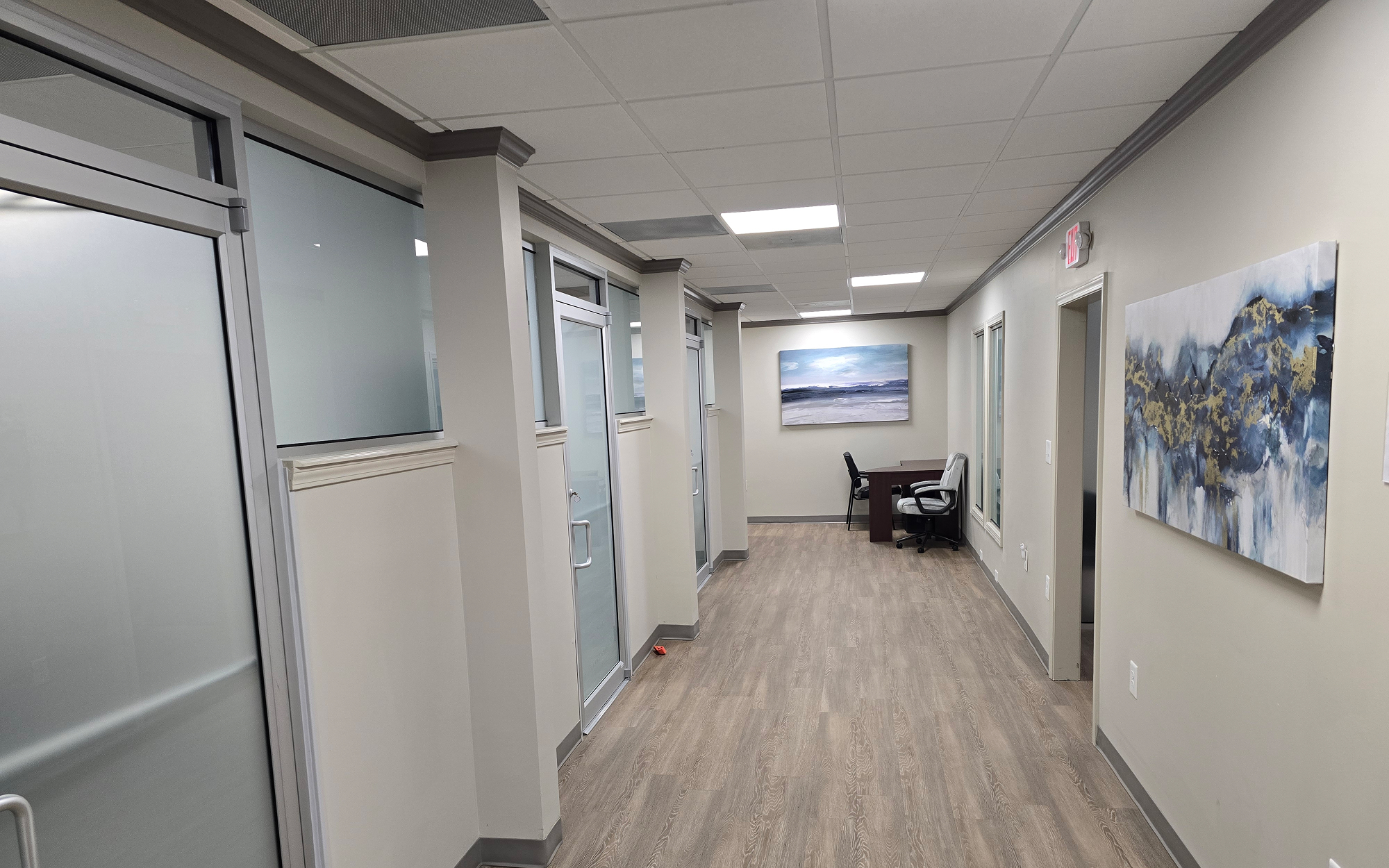
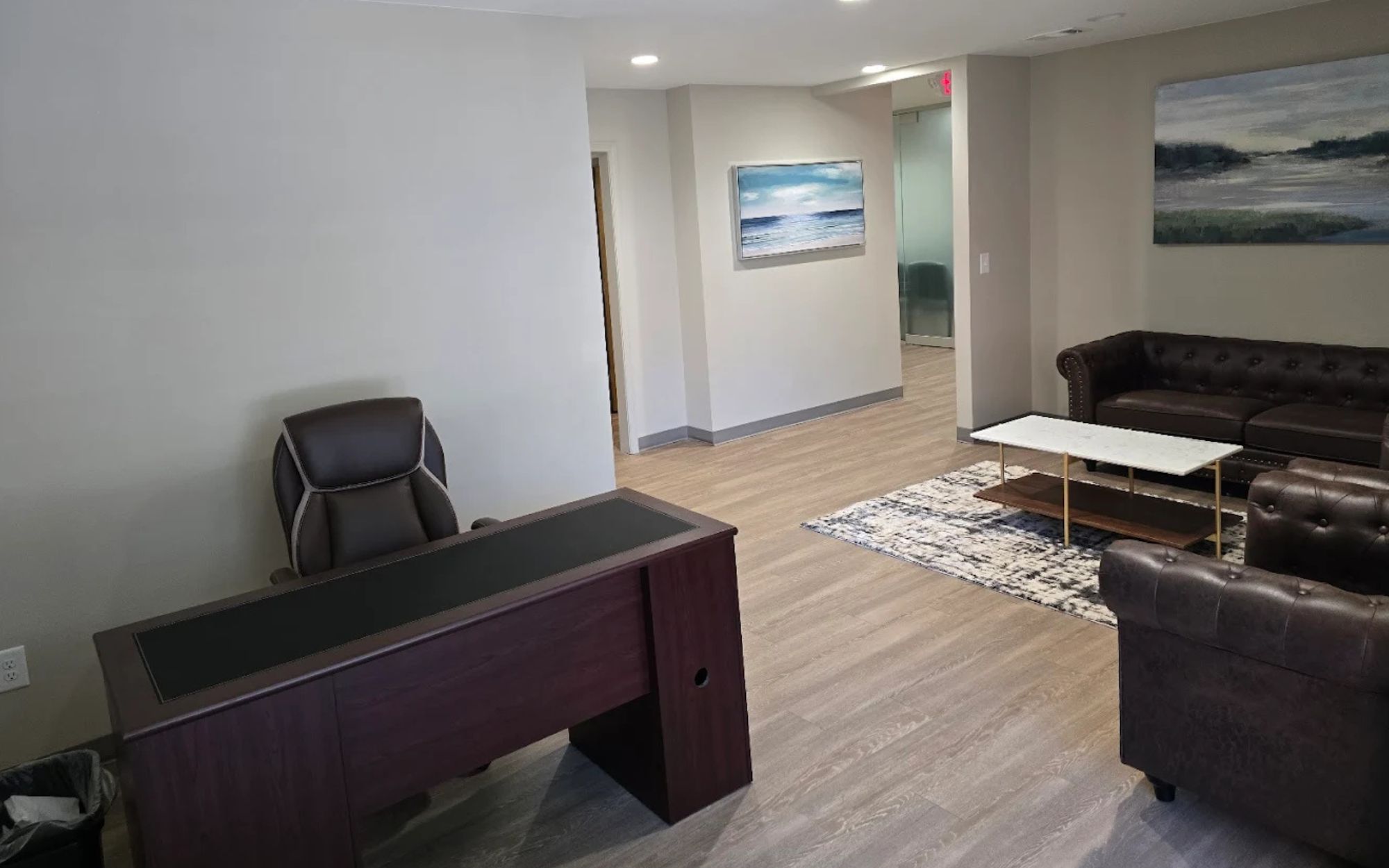
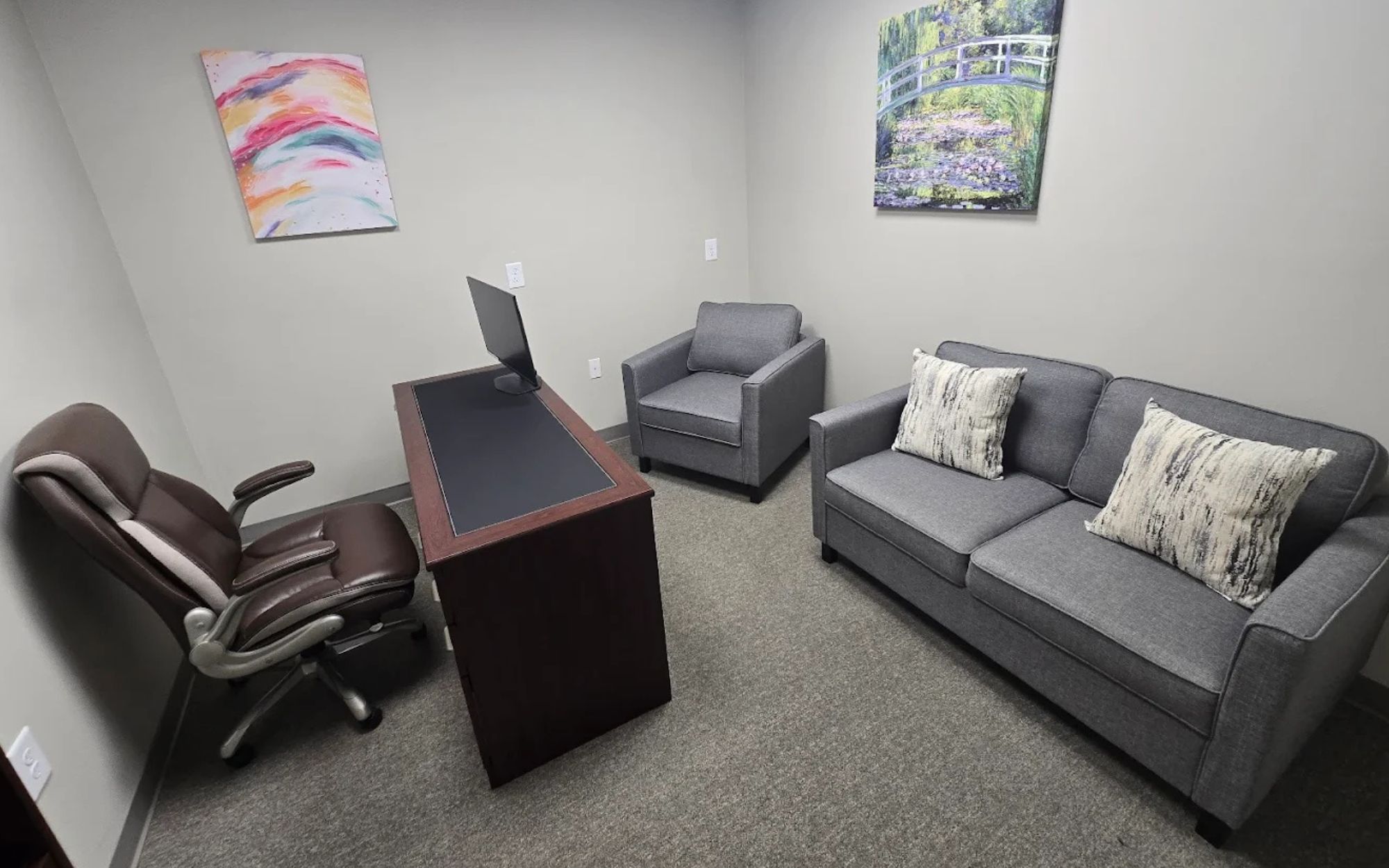
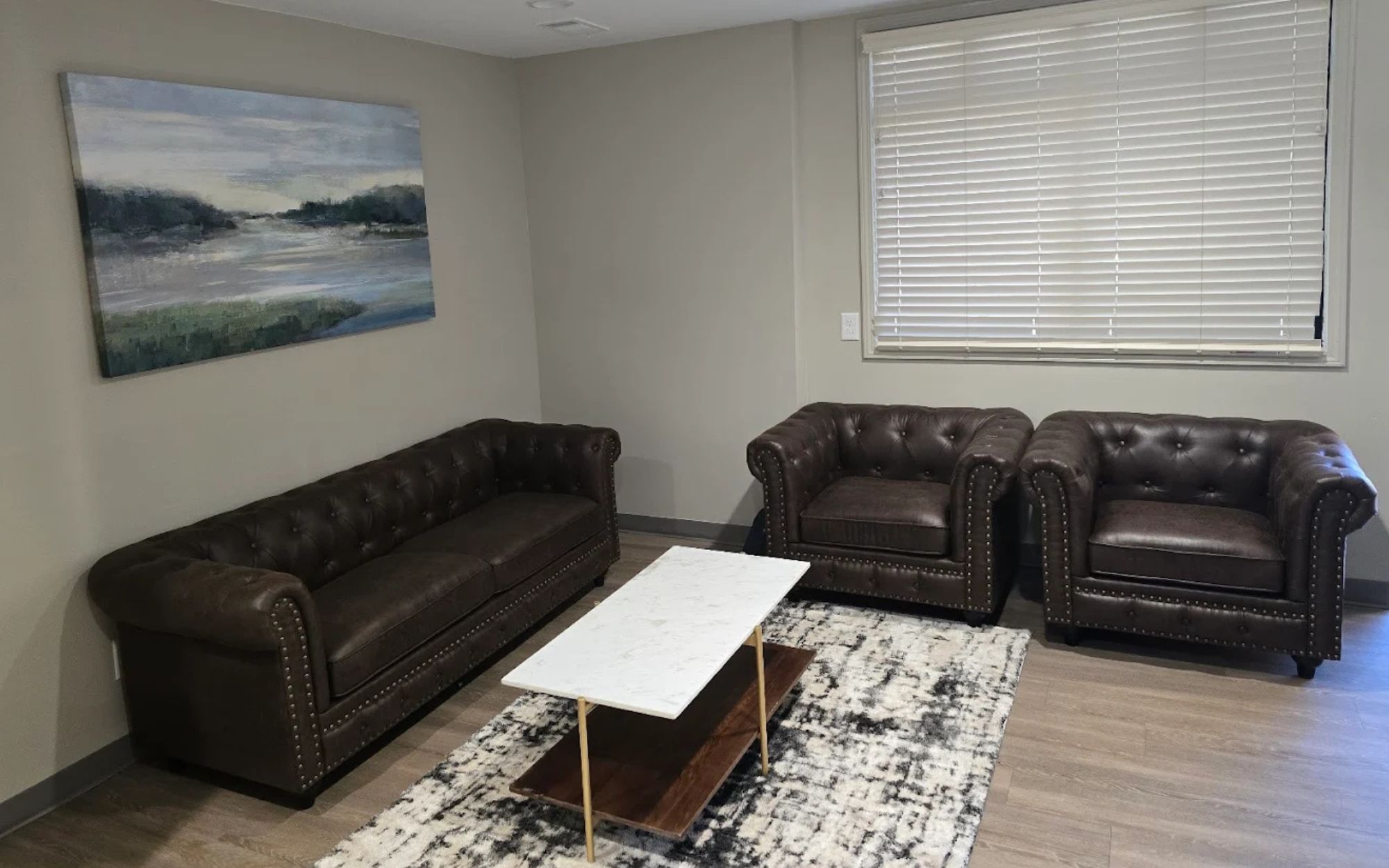
Check out our facility in Atlanta, GA

Discover why our programs are top rated today. Talk with our admissions team about the right treatment plan to bring lasting recovery.

Gambling addiction signs and symptoms

Recognizing the warning signs early can prevent devastating life impacts. Many individuals go to great lengths to hide their habits from loved ones. The most common signs involve drastic changes in behavior, mood, and personal finances.

  • Minimizing losses: Often downplaying how much money was actually lost during a session.
  • Exaggerating wins: Bragging about small victories while hiding the larger financial drain.
  • Chasing losses: Betting larger amounts of money to win back what was already lost.
  • Borrowing: Constantly asking friends or family for money to cover basic living expenses.
  • Stealing money: Taking funds from joint accounts or workplaces to fund the addiction.

These negative consequences take a heavy toll on working adults. Professionals may experience declining performance, poor concentration, and increased absenteeism. The stress of hiding financial ruin often leads to severe mood swings and irritability. Relationships suffer as trust is broken through repeated lies and secrecy. Workplace issues are a common red flag, as noted by state gaming control boards that monitor behavioral changes.

the help you need is here

Recovery starts here

If you or someone you love is struggling with substance use or other mental health issues, Lanier Recovery Center can help. Request a callback below to receive care and support you can trust.

"*" indicates required fields

Gambling addiction treatment options

Finding effective gambling addiction treatment is the most important step toward healing. Structured programs provide the tools needed to overcome deep-rooted compulsions safely. You have several evidence-based options to choose from when seeking care.

Level of Care Best Suited For Atlanta Lifestyle Impact
Residential Treatment Severe addictions, high relapse risk, or unsafe home environments. Requires taking time off work; offers complete separation near Lake Lanier.
Structured Outpatient Mild to moderate addictions with a strong, supportive home environment. Allows professionals in Gwinnett and North Fulton to maintain work schedules.

Intensive outpatient

For clients managing professional or family responsibilities during treatment, IOP atlanta delivers structured gambling addiction treatment built around a schedule that works, covering evidence-based therapies across several sessions per week without requiring a leave of absence.

Outpatient treatment

Outpatient rehab Atlanta GA provides ongoing individual and group therapy for clients transitioning from more intensive care or those whose presentation is less severe and whose living situation supports recovery without daily clinical programming.

Cognitive behavioral therapy

Cognitive behavioral therapy Atlanta is the most extensively researched and clinically supported approach for gambling disorder. It directly targets the distorted thinking patterns that sustain compulsive gambling, including the gambler’s fallacy, magical thinking about wins and losses, and the belief that gambling can solve financial problems. Clients develop practical strategies for identifying triggers, interrupting the urge-to-action cycle, and managing high-risk situations without gambling.

Dialectical behavior therapy

DBT therapy Atlanta is particularly useful for clients who gamble primarily to manage emotional distress, interpersonal conflict, or chronic feelings of emptiness. The core skill sets of mindfulness, distress tolerance, emotional regulation, and interpersonal effectiveness provide a practical alternative framework for navigating the emotional states that previously drove gambling behavior.

Trauma therapy

For clients whose gambling developed in the context of unresolved trauma, trauma therapy atlanta provides a structured, clinically safe process for addressing the underlying experiences that continue to shape current behavior. Addressing trauma directly is often what makes sustained recovery possible after previous attempts have not held.

Individual and group therapy

Individual therapy Atlanta gives clients dedicated time with a licensed clinician to work through the personal history and emotional patterns behind the gambling behavior, develop a relapse prevention plan, and address topics they may not be ready to raise in a shared setting. Group therapy atlanta reduces the isolation that often accompanies gambling disorder and creates peer accountability with others who understand the specific psychological pull of compulsive betting.

Family therapy

Gambling disorder creates serious and lasting damage to family relationships, particularly around trust and finances. Family therapy Atlanta helps repair those relationships, educates loved ones about the clinical reality of behavioral addiction, and helps families establish appropriate boundaries that support recovery without enabling continued gambling.

Georgia addiction treatment center

How to begin your recovery journey

We know beginning treatment can feel intimidating, so we’ve made the process simple and stress-free.

1

Get in touch
with us

Call or complete our contact form to connect with an admissions specialist who takes the time to listen and understand your situation.

2

Complete an assessment
& insurance review

Our team will review your history, discuss your needs, and confirm insurance coverage or explore self-pay options to make things easy.
3

Start your
treatment

Begin a personalized program built around your goals, supported by evidence-based care and a compassionate clinical team.

How to help a loved one with gambling addiction

Watching someone close to you struggle with compulsive gambling is painful, particularly when financial damage is accumulating and the person is minimizing or denying the extent of the problem. There are constructive ways to provide support without enabling the behavior or absorbing consequences that belong to the person struggling.

Approach with empathy rather than accusation

Conversations about gambling are more productive when they are framed around your own observations and concerns rather than accusations or ultimatums. Expressing how the behavior is affecting you and asking genuine questions is more likely to open a dialogue than confrontational approaches that increase shame and defensiveness.

Establish clear financial boundaries

Lending money, covering debts, or otherwise absorbing the financial consequences of someone else’s gambling removes one of the most significant natural motivators for seeking help. Maintaining separate accounts and refusing to fund gambling, directly or indirectly, is not a punishment but a necessary step that protects both parties.

Encourage professional assessment

Suggesting a confidential clinical assessment, rather than a specific treatment program, reduces the pressure of the initial conversation and gives the person a lower-stakes entry point into getting help. Family therapy Atlanta can also help families navigate this process and develop a coordinated approach to supporting recovery.

Watch for signs of crisis

The financial devastation associated with gambling disorder carries a significant risk of depression and suicidal ideation. If someone is expressing hopelessness about their financial situation or their future, take it seriously and seek emergency support immediately. The National Problem Gambling Helpline is available around the clock for crisis support. Families can also find coping strategies through research-backed support groups like Gam-Anon.

What sets lanier recovery center apart

Our approach to addiction and mental health treatment is built on comprehensive care, compassionate support, and individualized recovery paths that lead to lasting change.

Depth

We go beyond surface-level treatment to address the root causes of addiction and mental health challenges for lasting healing.

Support

Our compassionate team provides steady guidance, encouragement, and care at every stage of the recovery journey.

Strength

Through personalized therapy and skill-building, we help individuals rediscover confidence and inner resilience.

Accountability

We create structured support systems that promote responsibility, consistency, and long-term recovery success.

Aftercare

Our aftercare planning and alumni support ensure continued connection and stability long after treatment ends.

Flexibility

We offer adaptable treatment options that fit real-life responsibilities while maintaining consistent, high-quality care.

Lanier Recovery Center can help you
We understand that getting help for addiction can be challenging. Start with a free addiction assessment today.

Frequently asked questions

Common signs of a gambling problem include hiding gambling activity, chasing losses with more money, lying to family members, borrowing money, and feeling unable to stop gambling despite harmful consequences. Some people spend increasing amounts of time gambling online, at casinos, or through sports betting platforms. Gambling behavior may also lead to emotional symptoms such as anxiety, irritability, depression, and loss of interest in healthy activities. In some cases, gambling addiction can become linked to substance misuse, alcohol use, or other addictions.

There are many forms of gambling addiction help available, including therapy, behavioral therapy, addiction services, support groups, inpatient treatment, and outpatient treatment programs. A treatment provider or treatment facility may offer interventions focused on relapse prevention, emotional regulation, financial recovery, and rebuilding healthy coping skills. Some people benefit from self help approaches or self help support groups, while others require more structured care depending on their circumstances and the severity of the addiction.

Yes. Gambling addiction is often connected to mental health conditions such as depression, anxiety, bipolar disorder, and chronic stress. Many people use gambling as a way to escape emotional pain, financial pressure, or difficult life circumstances, but compulsive gambling often worsens those struggles over time. Mental health professionals may recommend therapy, medication, relapse prevention planning, and ongoing support to help individuals regain control and reduce the risk of relapse.

Recovery usually begins by reaching out for professional advice and support. Treatment programs can help people understand the process of addiction, identify triggers, and develop healthier ways to manage stress and urges. Many treatment facilities also involve loved ones and family members in the recovery process because gambling addiction often affects the entire family. With the right resources, support, and prevention strategies, most people can begin rebuilding their finances, relationships, and emotional well being while working toward long-term recovery.

Lanier Recovery Center’s top values

Every treatment will be uniquely tailored to you, because you’re unique.

Sober living

Our team is 100% sober, including from Alcohol. We help our clients achieve sobriety and stick to it through thick and thin, because sobriety is the foundation of a fulfilling life.

Integrity

Our team is 100% sober, including from Alcohol. We help our clients achieve sobriety and stick to it through thick and thin, because sobriety is the foundation of a fulfilling life.

Everyone belongs

Our team is 100% sober, including from Alcohol. We help our clients achieve sobriety and stick to it through thick and thin, because sobriety is the foundation of a fulfilling life.

Limitless potential

Our team is 100% sober, including from Alcohol. We help our clients achieve sobriety and stick to it through thick and thin, because sobriety is the foundation of a fulfilling life.

Recovery from gambling disorder is closer than it feels right now

Seeking gambling addiction help takes immense courage, but it is the most important decision you can make for your future. Whether you are seeking care for yourself or looking to support a loved one, understanding the warning signs is vital. Structured treatment provides the clinical tools to manage impulses, heal broken relationships, and rebuild financial stability. Call Lanier Recovery Center today at (470) 470-5697 to confidentially discuss your treatment options. Visit Lanier Recovery Center online to learn more about our admission process and facility. We’re here to help you. Contact us today.

If you’re looking for more information, connect with our team by phone, email, or through our online form. We’re here to answer your questions, talk through your options, and support you as you begin your path toward lasting recovery.

Sources

Connecticut Department of Mental Health and Addiction Services. Dsm-5 diagnostic criteria: Gambling disorder. Connecticut Department of Mental Health and Addiction Services.

National Academies of Sciences, Engineering, and Medicine. (November 3, 2016). The neurobiology of substance use, misuse, and addiction. National Center for Biotechnology Information.

Pennsylvania Gaming Control Board. (November 19, 2019). Problem gambling in the workplace. Pennsylvania Gaming Control Board.

Rutgers University. (June 3, 2024). Gambling. Rutgers Addiction Research Center.

National Association of Addiction Treatment Providers. Levels of care. National Association of Addiction Treatment Providers.

Massachusetts Department of Public Health. Treatment recommendations for gambling disorders. Mass.gov.

National Center for Biotechnology Information. (September 6, 2019). Coping with a loved one’s substance use disorder or gambling disorder. National Institutes of Health.

University of Nevada, Reno. (June 1, 2022). Gambling addiction: Resources, statistics, and hotlines. University of Nevada, Reno.

we are here for you

Get the help you need today.

Together, we can help you build a brighter future of wellness.

Free & easy insurance check

alliant
care source
multiplan
united healthcare
cigna
beacon
bluecross
tricare

Request a confidential call

"*" indicates required fields

This field is for validation purposes and should be left unchanged.
Preferred method*
Get Treatment For All Your Healthcare Needs

Other what we treat

Request A Confidential Call

Request a call and a Lanier Recovery Center team member will be in touch.

"*" indicates required fields