Request a call to speak with an admissions specialist. We are here to help you.

"*" indicates required fields

Exercise addiction therapy

It can be hard to tell when a strong commitment to exercise crosses the line from healthy habit to something that feels isolating or out of control. If you’re wondering about this gray area, you’re not alone between 3 to 9% of regular exercisers may face risks linked to exercise addiction. Understanding the difference is important because exercise addiction is a real and treatable condition. A person who exercises compulsively may look disciplined, health-conscious, and driven from the outside while experiencing profound anxiety, isolation, and loss of control on the inside. For those seeking addiction treatment that addresses behavioral compulsions alongside mental health conditions, Lanier Recovery Center offers evidence-based clinical care tailored to the individual. With compassionate and professional support, it’s possible to find your way back to a healthier balance with physical activity.
Free Insurance Check

Free & Confidential | HIPPA Compliant | No Obligation

"*" indicates required fields

1
2
3
4
This field is for validation purposes and should be left unchanged.
Running shoes on a gravel path outdoors in a park or natural setting.

What is exercise addiction?

Exercise addiction, sometimes called compulsive exercise or exercise dependence, is a behavioral condition in which physical activity becomes driven by psychological compulsion rather than genuine enjoyment or health goals. The person is not exercising to feel good but to avoid feeling bad, using physical activity to manage anxiety, guilt, or emotional distress in a way that has become unmanageable and self-reinforcing.

Like substance use disorders, exercise addiction involves tolerance and withdrawal. Tolerance means that increasingly longer or more intense workouts are needed to achieve the same emotional relief. Withdrawal refers to the anxiety, irritability, restlessness, or depression that follows a missed session, symptoms that can be severe enough to override injury, illness, or important personal obligations.

Clinical professionals generally divide the condition into two categories. Primary exercise addiction means the compulsive behavior is the central issue, with the person using physical activity primarily to regulate mood or escape daily stressors. Secondary exercise addiction is driven by an underlying eating disorder or body image condition, with excessive exercise functioning as a compensatory or controlling behavior.

Table of Contents

Exercise addiction vs. healthy exercise

The distinction between dedicated training and compulsive exercise is not primarily about volume or intensity. Elite athletes may train for hours each day without meeting the clinical threshold for addiction. What separates healthy exercise from compulsive exercise is the motivation behind it, the emotional response when it is disrupted, and the degree to which it impairs functioning in other areas of life.

While maintaining a regular fitness routine is generally a very good thing, it becomes a problem when it starts causing physical injury, deep isolation, or severe emotional distress. Sports psychologists closely evaluate motivation, functional impact, and psychological phases to determine if someone has crossed the line into compulsive exercise. It is not just about the volume or intensity of the workout. Elite athletes, for example, train rigorously to improve performance. However, someone struggling with behavioral addiction exercises primarily to avoid negative feelings, such as profound anxiety or guilt.

Behavior Category Healthy Exercise Exercise Addiction
Primary Motivation Enjoyment, fitness goals, and positive reinforcement. Relief from intense anxiety, guilt, or emotional distress.
Response to Missed Workouts Mild disappointment, but easy adaptation. Severe withdrawal symptoms, irritability, and panic.
Handling Illness or Injury Resting appropriately to allow the body to heal. Continuing to work out despite pain or medical advice.
Impact on Daily Life Balanced with family, work, and social activities. Disrupts relationships, isolates the person, and dominates schedules.

According to diagnostic criteria based on impaired functioning, a dependence on exercise often mimics substance use disorders. It involves building a tolerance, meaning you need increasingly longer or harder workouts to get the same emotional relief. It also involves true withdrawal. If you miss a scheduled session at the gym, you might feel an overwhelming sense of restlessness or depression.

If you are questioning your own habits, a simple self-assessment can provide clarity. Ask yourself these questions. Do you prioritize your workout over important family events or work deadlines? Have you lied to loved ones about how much time you spend exercising? Do you push through severe pain or sickness just to complete a routine? If you answer yes to several of these, you might be dealing with exercise dependence.

The progression often happens slowly. What begins as a healthy coping mechanism for daily stress can shift into a problematic phase where you lose control over the behavior. Eventually, it becomes the central organizing principle of your life. Recognizing these signs is the first crucial step toward getting your life back.

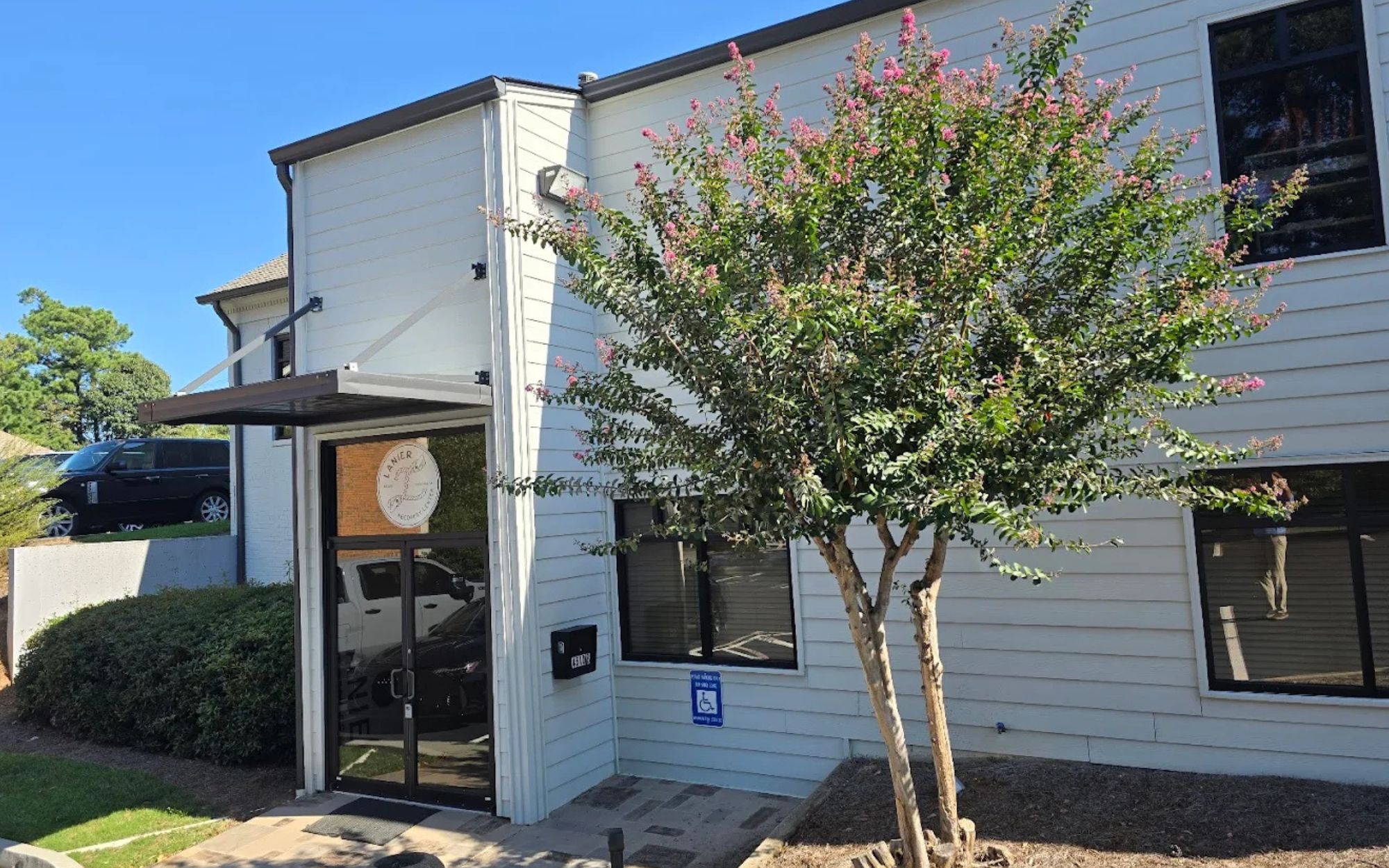
Check out our facility in Atlanta, GA

Discover why our programs are top rated today. Talk with our admissions team about the right treatment plan to bring lasting recovery.

Signs of exercise addiction

Because compulsive exercise can masquerade as discipline or health consciousness, the warning signs are often overlooked or rationalized until significant damage has been done. The following indicators suggest that exercise has shifted from a healthy habit to a behavioral addiction.

Exercising to manage emotional distress

The clearest sign of exercise addiction is that workouts are motivated primarily by the need to escape or suppress negative emotions rather than by enjoyment or performance goals. The gym becomes a coping mechanism, and the relief it provides becomes increasingly necessary for basic emotional functioning.

Severe distress when exercise is disrupted

A missed or shortened workout produces a response that is disproportionate to the circumstances, including intense anxiety, irritability, guilt, or a sense of catastrophic failure. This emotional reaction is qualitatively different from the mild disappointment a healthy exerciser might feel and reflects genuine withdrawal from a behavioral dependency.

Continuing despite injury or illness

Exercising through pain, injury, or illness is one of the most physically dangerous signs of compulsive exercise. The psychological compulsion overrides the body’s signals, leading to stress fractures, joint damage, suppressed immune function, and other serious physical consequences that accumulate over time.

Exercise dominating daily life

When scheduling, social decisions, and daily priorities are organized primarily around the exercise routine, the behavior has taken on a disproportionate role. Relationships, professional responsibilities, and personal enjoyment are progressively sacrificed to maintain the workout schedule.

Increasing duration and intensity

Tolerance develops in exercise addiction just as it does in substance use disorders. Over time, the same workout no longer produces the same emotional relief, and the person is driven to exercise longer, harder, or more frequently to achieve the same effect, creating a self-escalating cycle.

Isolation and withdrawal from relationships

As exercise addiction progresses, social withdrawal is common. Relationships are strained by the time demands of the compulsive routine, the emotional volatility associated with missed workouts, and the difficulty of prioritizing anything that competes with exercise. Over time, the person may become increasingly isolated, with the exercise routine functioning as a substitute for genuine connection.

Dishonesty about exercise habits

Minimizing or concealing the extent of exercise, the time spent at the gym, or the degree to which workouts are affecting health and relationships is a behavioral sign that the person is aware, on some level, that the habit has become problematic. This concealment mirrors the pattern seen in substance use disorders and reflects the same underlying dynamic of shame and loss of control.

the help you need is here

Recovery starts here

If you or someone you love is struggling with substance use or other mental health issues, Lanier Recovery Center can help. Request a callback below to receive care and support you can trust.

"*" indicates required fields

What causes exercise addiction?

The root causes of compulsive exercise are psychological and often intersect with other clinical conditions. Understanding the underlying drivers is essential to building a treatment plan that addresses the condition rather than just the behavior.

Co-occurring eating disorders

Secondary exercise addiction is driven by an underlying eating disorder or body image condition. Research indicates that individuals with eating disorders are significantly more likely to develop exercise dependency, with compulsive workouts functioning as a way to control weight, compensate for eating, or manage distorted perceptions of the body. Anorexia nervosa, bulimia, and body dysmorphia are particularly common co-occurring conditions. Because these issues are so deeply intertwined, dual diagnosis treatment Atlanta is essential for clients in this group, since treating the exercise behavior while leaving the eating disorder unaddressed rarely produces lasting recovery.

Trauma and childhood experiences

Experiences of past abuse, neglect, or chronic stress can significantly affect a person’s relationship with their body and their sense of control. Compulsive exercise can become a way to reclaim agency over the physical self, to numb emotional pain, or to maintain a sense of structure in the aftermath of destabilizing experiences. Trauma therapy Atlanta is frequently a central component of exercise addiction recovery for clients in this group.

Anxiety and depression

Exercise produces genuine neurochemical effects that temporarily relieve anxiety and elevate mood, which means it can become a self-medicating behavior for people managing anxiety treatment Atlanta or depression treatment Atlanta. When the exercise behavior becomes the primary management strategy for these conditions, and when stopping it causes the underlying symptoms to resurface acutely, the dependency has become clinically significant.

Perfectionism and achievement culture

Perfectionism is one of the strongest psychological predictors of exercise addiction, particularly in high-achieving professionals who apply the same relentless standards to their physical performance that they apply to their careers. In environments where productivity and physical appearance are closely tied to self-worth, compulsive exercise can develop as an extension of an already-demanding internal standard. Rehab for professionals at Lanier Recovery is designed with this specific profile in mind.

Georgia addiction treatment center

How to begin your recovery journey

We know beginning treatment can feel intimidating, so we’ve made the process simple and stress-free.

1

Get in touch
with us

Call or complete our contact form to connect with an admissions specialist who takes the time to listen and understand your situation.

2

Complete an assessment
& insurance review

Our team will review your history, discuss your needs, and confirm insurance coverage or explore self-pay options to make things easy.
3

Start your
treatment

Begin a personalized program built around your goals, supported by evidence-based care and a compassionate clinical team.

Exercise addiction therapy and treatment

Effective exercise addiction therapy addresses the psychological drivers of compulsive behavior, not just the behavior itself. Lanier Recovery uses a combination of evidence-based and holistic approaches, and treatment is tailored to each client’s specific history, co-occurring conditions, and clinical needs.

Cognitive behavioral therapy

Cognitive behavioral therapy Atlanta is a primary modality in exercise addiction counseling because it directly targets the thought patterns that sustain compulsive behavior. Clients learn to identify the automatic thoughts that drive the compulsion, challenge the beliefs that equate exercise with worth or safety, and develop healthier responses to the emotional states that previously triggered compulsive workouts.

Dialectical behavior therapy

DBT therapy Atlanta is particularly valuable for clients who use exercise primarily to regulate intense emotions. The skills of distress tolerance and emotional regulation give clients alternative frameworks for managing anxiety, guilt, and discomfort without relying on physical activity as the primary coping mechanism.

Trauma therapy

For clients whose compulsive exercise is rooted in trauma or adverse childhood experiences, trauma therapy Atlanta provides a structured, clinically safe process for working through the underlying experiences that are driving the behavior. Addressing trauma directly is often what makes lasting recovery possible for clients who have attempted to change their exercise habits without success.

Individual therapy

Individual therapy Atlanta provides dedicated one-on-one time with a licensed clinician to work through the personal history and emotional patterns underlying the addiction, set meaningful recovery goals, and develop a relapse prevention plan that accounts for the specific triggers and vulnerabilities relevant to each client.

Group therapy

Group therapy atlanta reduces the isolation that often accompanies exercise addiction and creates a peer community where clients can share experiences, challenge distorted thinking, and build accountability with others who genuinely understand the condition. For clients accustomed to using exercise as a solitary escape, the relational dimension of group therapy is itself an important part of recovery.

Family therapy

Exercise addiction affects the people closest to the person struggling with it, straining relationships through the time demands of the compulsion, the emotional volatility associated with disrupted routines, and the difficulty of being present in family life. Family therapy Atlanta helps repair these relationships, educates loved ones about the nature of the condition, and prepares families to provide meaningful support during and after treatment.

Holistic and experiential therapies

Holistic therapy Atlanta and experiential therapy Atlanta play an important role in exercise addiction recovery by helping clients rediscover a relationship with their body that is grounded in pleasure and presence rather than compulsion and performance. Gentle movement practices, mindfulness, and time in natural settings help reframe physical activity as something that can be genuinely restorative.

Psychiatric services

Psychiatric services Atlanta ensure that co-occurring mental health conditions are properly assessed and managed throughout treatment. For clients whose compulsive exercise is closely tied to anxiety, depression, OCD, or an eating disorder, psychiatric care is an essential component of a complete treatment plan.

What sets lanier recovery center apart

Our approach to addiction and mental health treatment is built on comprehensive care, compassionate support, and individualized recovery paths that lead to lasting change.

Depth

We go beyond surface-level treatment to address the root causes of addiction and mental health challenges for lasting healing.

Support

Our compassionate team provides steady guidance, encouragement, and care at every stage of the recovery journey.

Strength

Through personalized therapy and skill-building, we help individuals rediscover confidence and inner resilience.

Accountability

We create structured support systems that promote responsibility, consistency, and long-term recovery success.

Aftercare

Our aftercare planning and alumni support ensure continued connection and stability long after treatment ends.

Flexibility

We offer adaptable treatment options that fit real-life responsibilities while maintaining consistent, high-quality care.

Exercise addiction recovery: what life looks like after treatment

A common concern for people entering exercise addiction treatment is whether they will ever be able to engage in physical activity again. The answer is yes. Exercise addiction recovery does not require permanent abstinence from movement. The goal is to rebuild a relationship with physical activity that is grounded in genuine enjoyment, physical health, and personal choice rather than compulsion, anxiety, or punishment.

The reintegration of movement into daily life is gradual and intentional. In early recovery, clients typically work with their clinical team to reintroduce low-to-moderate intensity activities with a focus on how the body feels rather than on performance metrics or caloric output. Many clients find that practices like gentle yoga, walking outdoors, or tai chi offer a genuinely different experience of physical movement, one that supports rather than undermines emotional wellbeing.

Longer-term recovery involves building a broader foundation for emotional regulation so that movement is no longer the primary or sole coping mechanism. The skills developed through cognitive behavioral therapy Atlanta, DBT therapy Atlanta, and holistic therapy Atlanta remain available long after formal treatment ends, and the connections built through alumni program for addiction provide ongoing community and accountability.

Lanier Recovery Center can help you
We understand that getting help for addiction can be challenging. Start with a free addiction assessment today.

Frequently asked questions

Exercise addiction is often linked to eating disorders such as anorexia nervosa, binge eating disorder, and other forms of disordered eating. In many cases, secondary exercise addiction develops alongside body image issues or an intense focus on losing weight and controlling food intake. A person may use excessive exercise as a coping mechanism to manage emotions, anxiety, or self esteem struggles tied to body image. Because exercise addiction and eating disorder behaviors commonly overlap, dual diagnosis treatment is often recommended to address both mental health conditions together.

Common signs of compulsive exercise include feeling anxious when unable to work out, prioritizing fitness over friends or responsibilities, exercising through pain or injury, and constantly increasing how much exercise is needed to feel satisfied. Some people may organize their entire life around exercise, fitness goals, or maintaining a specific body shape. Frequent exercise becomes concerning when it leads to physical harm, emotional distress, or loss of control. Addiction experts also note that problematic exercise may interfere with recovery from injury, relationships, work, or emotional health.

Exercise addiction treatment typically focuses on helping individuals rebuild a healthy relationship with movement, fitness, and their body. Treatment may include therapy, group therapy, support, and education about healthy lifestyle habits and balanced physical activity. Many treatment programs also explore underlying factors such as anxiety, stress, body image concerns, trauma, or other mental health conditions that may contribute to compulsive behavior. Professional help from addiction experts and mental health professionals can help people regain control while developing healthier coping skills during the recovery journey.

Yes. Recovery does not always mean giving up exercise completely. The goal of exercise addiction treatment is often to help people develop a healthier mindset around fitness, movement, and overall health rather than avoiding exercise entirely. Many people learn how to enjoy yoga, recreational fitness, or moderate exercise without the compulsive behavior and emotional distress that once controlled their lives. With the right treatment, support, and recovery tools, individuals can achieve balance and improve both physical and mental health over time.

Lanier Recovery Center’s top values

Every treatment will be uniquely tailored to you, because you’re unique.

Sober living

Our team is 100% sober, including from Alcohol. We help our clients achieve sobriety and stick to it through thick and thin, because sobriety is the foundation of a fulfilling life.

Integrity

Our team is 100% sober, including from Alcohol. We help our clients achieve sobriety and stick to it through thick and thin, because sobriety is the foundation of a fulfilling life.

Everyone belongs

Our team is 100% sober, including from Alcohol. We help our clients achieve sobriety and stick to it through thick and thin, because sobriety is the foundation of a fulfilling life.

Limitless potential

Our team is 100% sober, including from Alcohol. We help our clients achieve sobriety and stick to it through thick and thin, because sobriety is the foundation of a fulfilling life.

Recovery from exercise addiction is possible with the right support

Healing from a behavioral compulsion takes immense courage, but it is a necessary step toward reclaiming your freedom and peace of mind. By recognizing the signs early, understanding the psychological roots, and participating in evidence-based therapy, you can rebuild a healthy, balanced relationship with your body. You do not have to navigate this overwhelming gray area by yourself. The clinical team at Lanier Recovery Center is here to provide the structured, compassionate care you need in a peaceful North Atlanta setting. If you or a loved one are struggling to find balance, please call us at (470) 470-5697 to discuss how our customized outpatient and residential programs can help you heal. Let us help you rediscover a life where movement is a joy, not an obligation.

If you’re looking for more information, connect with our team by phone, email, or through our online form. We’re here to answer your questions, talk through your options, and support you as you begin your path toward lasting recovery.

Sources

PubMed. (January 1, 2003). Diagnostic criteria for exercise dependence in women. PubMed.

National Center for Biotechnology Information. (October 21, 2011). Clarifying Exercise Addiction: Differential Diagnosis, Co-occurring …. PMC.

National Center for Biotechnology Information. (March 30, 2017). Compulsive exercise: links, risks and challenges faced. PMC.

National Center for Biotechnology Information. (February 10, 2021). Treatment of compulsive exercise in eating disorders and muscle …. PMC.

National Center for Biotechnology Information. (January 20, 2023). Exercise addiction: A narrative overview of research issues. PMC.

National Center for Biotechnology Information. (April 26, 2016). Exercise addiction and rehabilitation. PMC.

National Center for Biotechnology Information. (November 14, 2014). Exercise-based treatments for substance use disorders. PMC.

National Center for Biotechnology Information. (February 6, 2025). Body image and risk of exercise addiction in adults. PMC.

National Center for Biotechnology Information. (June 20, 2025). Eating Attitudes, Body Appreciation, Perfectionism, and the Risk of …. PMC.

National Center for Biotechnology Information. (July 21, 2023). Addiction Relapse Prevention. StatPearls.

MedlinePlus. (September 15, 2025). Health Risks of an Inactive Lifestyle. MedlinePlus.

MedlinePlus. (September 4, 2024). Are you getting too much exercise?. MedlinePlus.

Substance Abuse and Mental Health Services Administration. (June 9, 2023). National Helpline for Mental Health, Drug, Alcohol Issues. SAMHSA.

National Center for Biotechnology Information. Dual diagnosis capability in mental health and addiction treatment …. PMC.

we are here for you

Get the help you need today.

Together, we can help you build a brighter future of wellness.

Free & easy insurance check

alliant
care source
multiplan
united healthcare
cigna
beacon
bluecross
tricare

Request a confidential call

"*" indicates required fields

This field is for validation purposes and should be left unchanged.
Preferred method*
Get Treatment For All Your Healthcare Needs

Other what we treat

Request A Confidential Call

Request a call and a Lanier Recovery Center team member will be in touch.

"*" indicates required fields