Request a call to speak with an admissions specialist. We are here to help you.

"*" indicates required fields

Fentanyl addiction support and treatment

Fentanyl addiction has become one of the most urgent public health crises facing communities across the United States, and accessing the right fentanyl addiction treatment can mean the difference between life and death. Local treatment resources in Atlanta, GA provide individuals and families with evidence-based care, compassionate support, and a strong foundation for long-term recovery. Whether you are seeking help for yourself or a loved one, finding treatment early is one of the most important steps you can take.
Free Insurance Check

Free & Confidential | HIPPA Compliant | No Obligation

"*" indicates required fields

1
2
3
4
This field is for validation purposes and should be left unchanged.
fentanyl addiction treatment

Why fentanyl addiction treatment has become so necessary

Fentanyl is now a leading driver of overdose deaths in the United States, and its presence in the drug supply continues to grow at an alarming rate. Synthetic opioids like fentanyl are increasingly found in counterfeit pills and other substances, putting anyone who uses drugs at serious risk, often without their knowledge.

With the addiction treatment offered at Lanier Recovery Center, we are committed to providing compassionate, evidence-based treatment for fentanyl addiction to individuals and families across the Atlanta, GA area who are ready to take the first step toward lasting recovery. Opioid use disorder is a chronic disease that can affect anyone, and early professional treatment can save lives.

Table of Contents

What fentanyl is and how fentanyl use leads to addiction

Fentanyl is a powerful synthetic opioid used as a prescription medication to treat severe pain, typically administered in highly controlled clinic settings by medical professionals. Pharmaceutical fentanyl is approximately 50 to 100 times more potent than morphine, making even a small amount capable of causing serious harm or death if misused. Illicitly manufactured fentanyl, now found throughout the drug supply in pill and powder form, carries even greater risk because its potency is entirely unpredictable.

Fentanyl produces intense euphoric effects by binding to opioid receptors in the brain, but these effects are short-lived, driving repeated use and rapid physical dependence. As tolerance builds, higher doses are needed to achieve the same effects, creating a cycle that quickly escalates into full opioid use disorder and serious substance abuse.

Fentanyl addiction can develop even in individuals initially prescribed the medication for legitimate purposes. Illicit use often begins when individuals seek other opioids and unknowingly consume substances laced with fentanyl. According to the Centers for Disease Control and Prevention, synthetic opioids, including fentanyl, are now involved in the vast majority of opioid overdose deaths in the United States. Understanding the risks is the first step to protecting yourself or a loved one and prioritizing safety before the disorder progresses further.

How to spot the signs of fentanyl use and opioid use disorder

Recognizing the signs of fentanyl use and opioid use disorder early can be lifesaving. Because fentanyl is so potent, the window between use and overdose can be extremely narrow, making early intervention critical. Signs of fentanyl use and opioid use disorder include:

  • Using fentanyl in larger amounts or for longer than intended, or using it outside of a prescription
  • Strong cravings for fentanyl or other opioids between doses
  • Continued fentanyl use despite negative consequences to health, relationships, or responsibilities
  • Spending significant time obtaining, using, or recovering from fentanyl use
  • Withdrawal from family members, friends, and previously enjoyed activities
  • Pinpoint pupils, excessive drowsiness, or nodding off at inappropriate times
  • Slowed or shallow breathing, which requires immediate medical attention
  • Confusion, impaired coordination, or slurred speech
  • Seeking multiple prescriptions from different doctors or obtaining pills from other sources
  • Possession of counterfeit pills, drug paraphernalia, or naloxone (Narcan)
  • Mood swings, increased anxiety, or signs of depression
  • Neglecting personal hygiene, responsibilities, or obligations due to substance use

If you notice several of these signs in yourself or a loved one, it is important to seek professional help as soon as possible. Opioid addiction is a chronic disease, and without treatment, the risks of overdose and even death increase significantly over time. Recovery from fentanyl addiction is possible with the right support, and every person’s journey to recovery is different.

Fentanyl withdrawal and substance use complications

Fentanyl withdrawal is one of the most physically and psychologically demanding aspects of overcoming opioid addiction. Because fentanyl is so potent and acts so quickly on the brain, physical dependence develops rapidly, and withdrawal symptoms can begin within hours of the last dose. Attempting to stop fentanyl use without medical supervision is not only extremely difficult, but it can also be dangerous. Common fentanyl withdrawal symptoms and substance use complications include:

  • Intense cravings for fentanyl or other opioids
  • Nausea, vomiting, and diarrhea
  • Muscle aches and severe pain throughout the body
  • Sweating, chills, and goosebumps
  • Insomnia and restlessness
  • Anxiety and extreme irritability
  • Rapid heart rate and elevated blood pressure
  • Respiratory depression in cases of relapse during withdrawal
  • Seizures in severe cases
  • Opioid overdose risk, which is significantly elevated during and after withdrawal due to reduced tolerance
  • Even death in cases of unsupported withdrawal or relapse

Detoxification is often the first step in the treatment process for fentanyl addiction, and it should always occur under medical supervision. With proper medical attention and support, withdrawal can be managed safely, setting the stage for meaningful, lasting recovery.

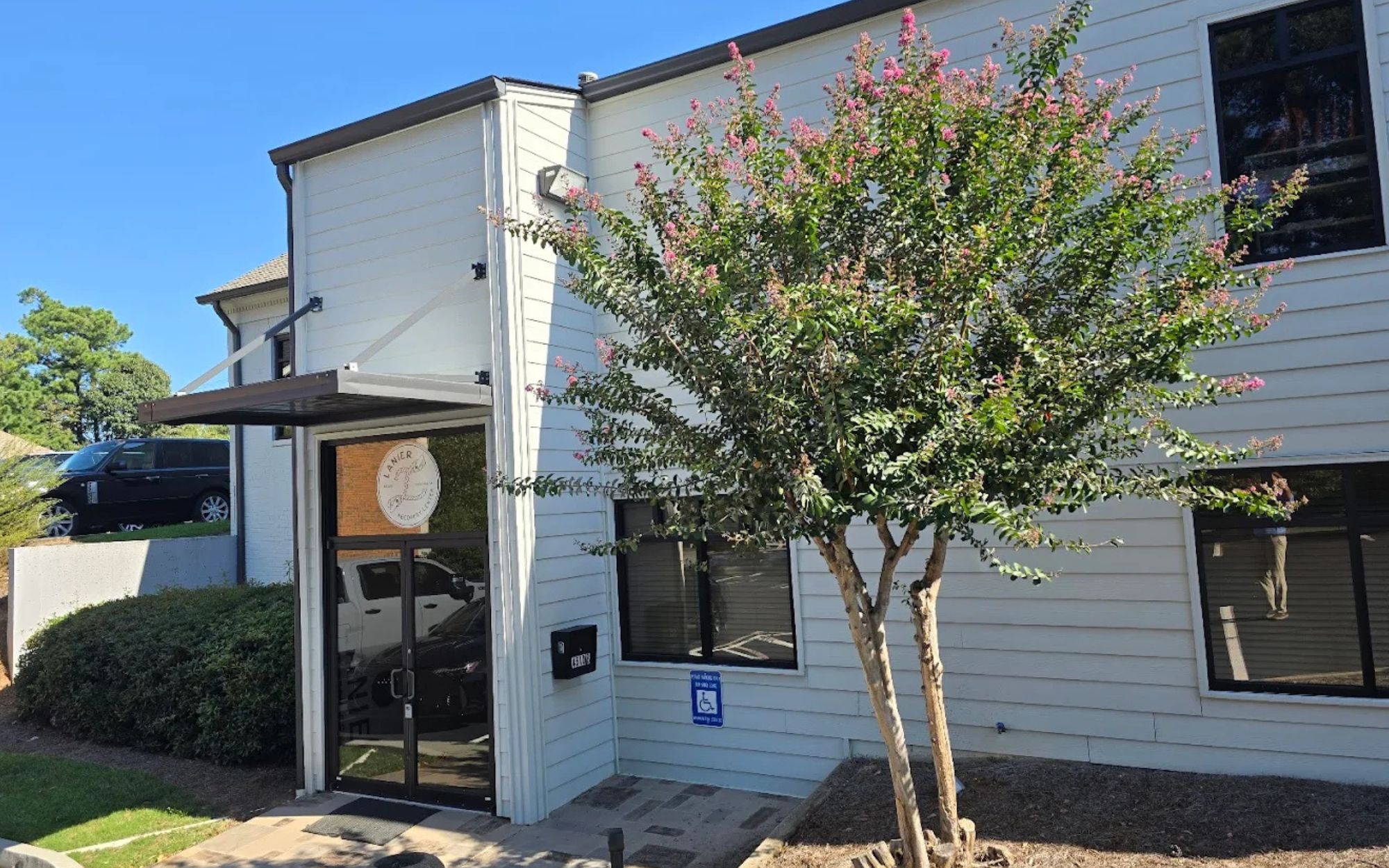
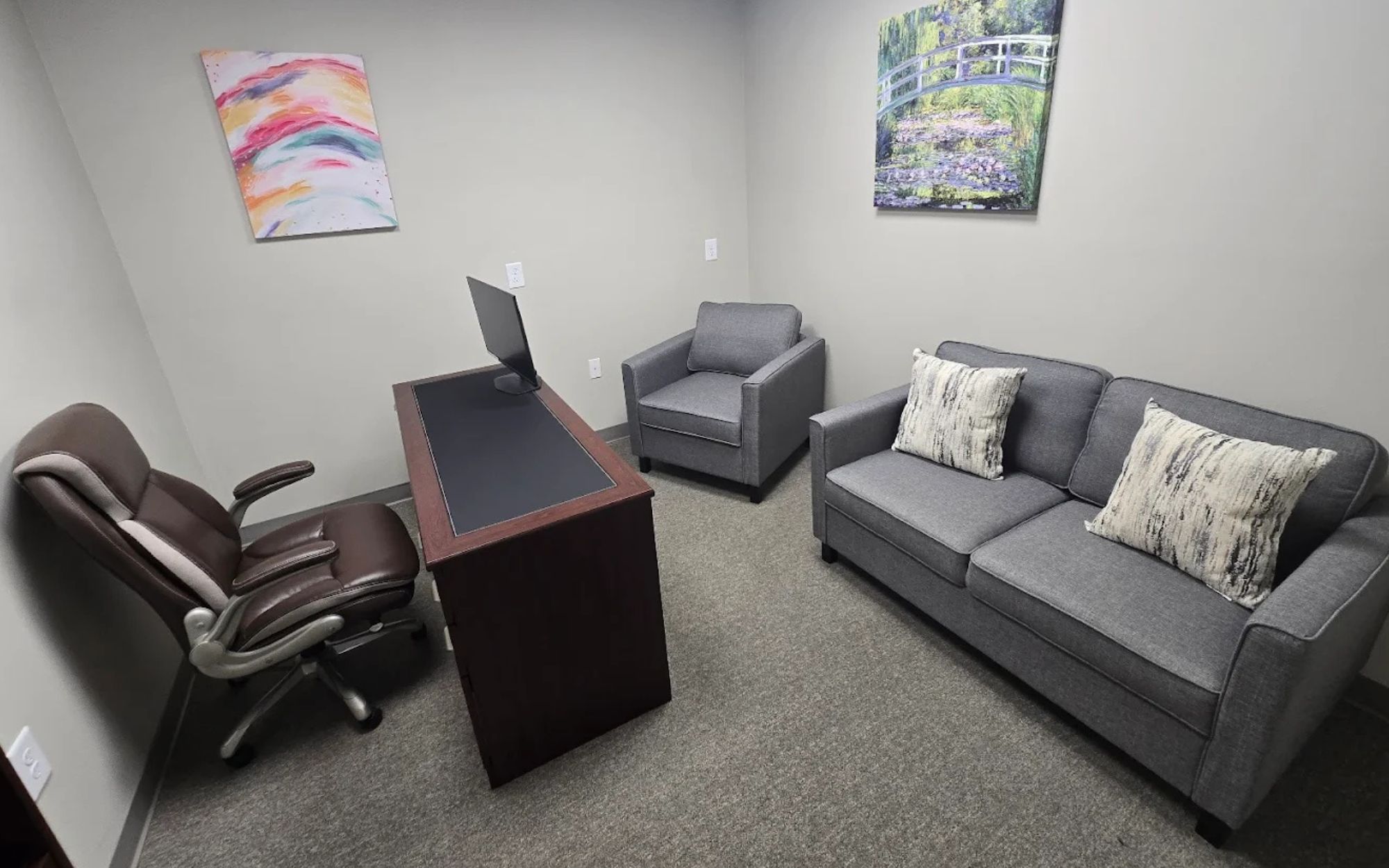
Check out our facility in Atlanta, GA

Discover why our programs are top rated today. Talk with our admissions team about the right treatment plan to bring lasting recovery.

Treatment options at our fentanyl addiction treatment center

Lanier Recovery Center specializes in outpatient services and does not offer on-site detox or residential treatment, but we can connect clients with trusted providers for those levels of care before they transition to our programs. Some fentanyl addiction treatment programs may include:

  • Medical detox is the critical first step for most individuals beginning recovery from fentanyl addiction. Detox Atlanta services provide medically supervised withdrawal management to ease symptoms safely. Lanier Recovery Center does not provide detox on-site but can refer clients to appropriate facilities.
  • For those requiring 24-hour structure in early recovery, inpatient rehab Atlanta offers an immersive environment focused on stabilization and healing. Lanier does not offer residential treatment directly but can connect clients with a trusted facility.
  • A step down from residential care, PHP Atlanta provides intensive daytime programming while allowing clients to return home each evening, ideal for those needing significant support without round-the-clock supervision.
  • The iop Atlanta level of care delivers structured group therapy, individual therapy, and skill-building sessions multiple times per week, allowing individuals to maintain work, school, or family obligations while in recovery.
  • General outpatient rehab Atlanta GA services are designed for individuals transitioning from a higher level of care, including individual therapy, group therapy, medication management, and ongoing support.
  • Because fentanyl addiction frequently co-occurs with depression, anxiety, and trauma, dual diagnosis treatment Atlanta addresses both the substance use disorder and co-occurring mental health conditions simultaneously for more complete recovery outcomes.

No matter where you are in your recovery journey, there is a level of care designed to meet your needs. With the right combination of medical support, therapy, and ongoing connection to a recovery community, individuals struggling with fentanyl addiction can build a strong foundation for a healthier, substance-free life.

the help you need is here

Recovery starts here

If you or someone you love is struggling with substance use or other mental health issues, Lanier Recovery Center can help. Request a callback below to receive care and support you can trust.

"*" indicates required fields

Georgia addiction treatment center

How to begin your recovery journey

We know beginning treatment can feel intimidating, so we’ve made the process simple and stress-free.

1

Get in touch
with us

Call or complete our contact form to connect with an admissions specialist who takes the time to listen and understand your situation.

2

Complete an assessment
& insurance review

Our team will review your history, discuss your needs, and confirm insurance coverage or explore self-pay options to make things easy.
3

Start your
treatment

Begin a personalized program built around your goals, supported by evidence-based care and a compassionate clinical team.

What sets lanier recovery center apart

Our approach to addiction and mental health treatment is built on comprehensive care, compassionate support, and individualized recovery paths that lead to lasting change.

Depth

We go beyond surface-level treatment to address the root causes of addiction and mental health challenges for lasting healing.

Support

Our compassionate team provides steady guidance, encouragement, and care at every stage of the recovery journey.

Strength

Through personalized therapy and skill-building, we help individuals rediscover confidence and inner resilience.

Accountability

We create structured support systems that promote responsibility, consistency, and long-term recovery success.

Aftercare

Our aftercare planning and alumni support ensure continued connection and stability long after treatment ends.

Flexibility

We offer adaptable treatment options that fit real-life responsibilities while maintaining consistent, high-quality care.

Lanier Recovery Center can help you
We understand that getting help for addiction can be challenging. Start with a free addiction assessment today.

Frequently asked questions

Medication-assisted treatment combined with behavioral therapy is widely considered the most effective approach for treating fentanyl addiction. Medications such as buprenorphine, methadone, and naltrexone help normalize brain chemistry, reduce cravings, and prevent withdrawal symptoms, while therapies like CBT and group therapy help individuals develop the coping skills needed for long-term recovery. The right combination of treatment options will depend on the severity of the addiction and each individual’s unique circumstances.

If a loved one is struggling with fentanyl addiction, the most important step is to encourage them to seek professional help as soon as possible. You can contact a treatment center like Lanier Recovery Center on their behalf to learn about available programs, insurance verification, and the admissions process. SAMHSA’s National Helpline (1-800-662-4357) is also a free, confidential resource available 24 hours a day to help families find treatment and support.

Fentanyl addiction treatment follows many of the same evidence-based principles used for other opioids, including medication-assisted treatment and behavioral therapy. However, because fentanyl is significantly more potent than other opioids like heroin or prescription pain pills, withdrawal can be more intense and the risk of relapse-related overdose is extremely high. Treatment plans for fentanyl use disorder are typically tailored to address these heightened risks, with a strong emphasis on medication management and close medical supervision.

Lanier Recovery Center’s top values

Every treatment will be uniquely tailored to you, because you’re unique.

Sober living

Our team is 100% sober, including from Alcohol. We help our clients achieve sobriety and stick to it through thick and thin, because sobriety is the foundation of a fulfilling life.

Integrity

Our team is 100% sober, including from Alcohol. We help our clients achieve sobriety and stick to it through thick and thin, because sobriety is the foundation of a fulfilling life.

Everyone belongs

Our team is 100% sober, including from Alcohol. We help our clients achieve sobriety and stick to it through thick and thin, because sobriety is the foundation of a fulfilling life.

Limitless potential

Our team is 100% sober, including from Alcohol. We help our clients achieve sobriety and stick to it through thick and thin, because sobriety is the foundation of a fulfilling life.

Help Your Loved One, or Yourself, Find Fentanyl Addiction Treatment at Lanier Recovery Center

At Lanier Recovery Center, our compassionate clinical team works closely with each client to develop individualized treatment plans that address the full scope of fentanyl addiction. As a trusted fentanyl addiction treatment center in Atlanta, we are here to help you or your loved one build a strong foundation for lasting recovery through evidence-based outpatient care.

Search for Lanier Recovery Center on Google to read reviews from clients and families we have supported, or to get directions to our Atlanta, GA location. Contact us online or call (470) 470-5697 to begin the insurance verification process and connect with our admissions team about the right program for your situation.

If you’re looking for more information, connect with our team by phone, email, or through our online form. We’re here to answer your questions, talk through your options, and support you as you begin your path toward lasting recovery.

Sources

Centers for Disease Control and Prevention. (August 2, 2024). Drug overdose deaths – Health, United States. CDC.

Centers for Disease Control and Prevention. (February 25, 2025). CDC Reports Nearly 24% Decline in U.S. Drug Overdose Deaths. CDC.

Centers for Disease Control and Prevention. (June 9, 2025). Understanding the Opioid Overdose Epidemic. CDC.

Centers for Disease Control and Prevention. (January 29, 2026). Drug Overdose Deaths in the United States, 2023–2024. CDC.

Centers for Disease Control and Prevention. (March 3, 2026). Vital Statistics Rapid Release – Provisional Drug Overdose Data. CDC.

National Institute on Drug Abuse. (August 21, 2024). Drug Overdose Deaths: Facts and Figures. NIDA.

JAMA. (June 6, 2025). US Drug Overdose Deaths Dropped Nearly 27% Last Year. JAMA.

National Library of Medicine. (December 6, 2024). Synaptic Structure and Transcriptomic Profiling of Reward Circuitry After Exposure to Fentanyl. PMC.

Texas A&M University. (February 20, 2023). Researchers Identify Breakthrough In Understanding Fentanyl Abuse. Texas A&M University.

Frontiers in Psychiatry. (January 16, 2024). Brain oxygen responses induced by opioids: focus on heroin and fentanyl. Frontiers in Psychiatry.

Penn State University. (January 12, 2021). Circuit-specific molecular mechanisms in fentanyl use and relapse. Penn State University.

StatPearls Publishing. (July 24, 2023). Physiology, Opioid Receptor. StatPearls – NCBI Bookshelf.

National Institute on Drug Abuse. (June 6, 2025). Fentanyl. NIDA.

Substance Abuse and Mental Health Services Administration. (June 9, 2023). SAMHSA’s National Helpline. SAMHSA.

New York State Office of Addiction Services and Supports. Warning Signs. New York State Office of Addiction Services and Supports.

StatPearls Publishing. (July 21, 2023). Opioid Withdrawal. StatPearls – NCBI Bookshelf.

JAMA Network Open. (September 27, 2024). Precipitated Withdrawal in the Era of Street Fentanyl. JAMA Network Open.

Substance Abuse and Mental Health Services Administration. (December 24, 2025). Evidence-Based Resources About Opioid Overdose. SAMHSA.

National Institute on Drug Abuse. (March 20, 2025). Medications for Opioid Use Disorder. NIDA.

American Academy of Family Physicians. (October 1, 2019). Opioid Use Disorder: Medical Treatment Options. American Family Physician.

National Academy of Medicine. (April 27, 2020). Improving Access to Evidence-Based Medical Treatment for Opioid Use Disorder. National Academy of Medicine.

National Library of Medicine. (November 12, 2024). Management of opioid use disorder: 2024 update to the national guidelines. PMC.

University of Arizona Health Sciences. (May 2, 2024). Normalizing opioid use disorder treatments to improve care. University of Arizona Health Sciences.

National Library of Medicine. (March 13, 2020). Recovery From Opioid Use Disorder (OUD) After Monthly Long-Acting Buprenorphine Treatment. PMC.

National Library of Medicine. Recovery from Opioid Problems in the U.S. Population. PMC.

Sage Publications. (June 6, 2023). Understanding the Process of Drug Addiction Recovery Through Qualitative Modeling. Qualitative Health Research.

Illinois Criminal Justice Information Authority. An Overview of Medication-Assisted Treatment for Opioid Use Disorders for Criminal Justice-Involved Individuals. ICJIA.

National Library of Medicine. (February 11, 2023). Habits and Routines of Adults in Early Recovery From Substance Use Disorder. PMC.

National Library of Medicine. (March 21, 2025). Debate: Urban versus rural environments – which is better for mental health?. PMC.

National Library of Medicine. (February 28, 2023). The Importance of Social Support in Recovery Populations. PMC.

we are here for you

Get the help you need today.

Together, we can help you build a brighter future of wellness.

Free & easy insurance check

alliant
care source
multiplan
united healthcare
cigna
beacon
bluecross
tricare

Request a confidential call

"*" indicates required fields

This field is for validation purposes and should be left unchanged.
Preferred method*
Get Treatment For All Your Healthcare Needs

Other what we treat

Request A Confidential Call

Request a call and a Lanier Recovery Center team member will be in touch.

"*" indicates required fields