Request a call to speak with an admissions specialist. We are here to help you.

"*" indicates required fields

Treatment for marijuana addiction

Marijuana addiction treatment is essential for individuals struggling with marijuana addiction, especially as cannabis use becomes more common and widely accepted. Effective marijuana addiction treatment addresses both the mental health condition and substance use disorder underlying marijuana abuse, helping each person begin a sustainable path toward recovery and improved overall health. There’s a way forward, and with the right support, you can reclaim balance and build the kind of life you truly want.
Free Insurance Check

Free & Confidential | HIPPA Compliant | No Obligation

"*" indicates required fields

1
2
3
4
This field is for validation purposes and should be left unchanged.
Marijuana abuse continues to grow, leading to finding help at a marijuana addiction treatment center. Treat abuse marijuana and existing mental health conditions.

What is cannabis use disorder?

When we talk about struggling with marijuana use, professionals use a specific clinical term. This term is cannabis use disorder. It is the medical diagnosis for what many people simply call marijuana addiction. According to the DSM-5, which is the standard guide for diagnosing a mental health condition, this disorder is defined by a problematic pattern of use. This pattern causes significant distress or impairment in your daily life.

Recognizing this condition as a medical issue is the first step toward healing. Official sources like the Centers for Disease Control and Prevention provide guidelines to help understand your risk. By defining the problem clearly, we can find the right solutions. For individuals experiencing co-occurring mental health conditions alongside substance use, seeking dual diagnosis treatment Atlanta can provide integrated care that addresses both challenges at the same time. In recent years, the perceived risk of using marijuana has dropped significantly among the public. However, treating the condition with the medical seriousness it deserves remains vital. With the right care and understanding, you can manage these symptoms and begin moving forward.

Table of Contents

Signs and symptoms of marijuana addiction

Taking an honest look at your habits can feel intimidating. It takes courage to evaluate how your marijuana use fits into your life. Reading through the signs of marijuana addiction is not about diagnosing yourself. Instead, it is a helpful tool for self-reflection. If you find yourself nodding along to several of these points, it might be time to seek support.

Medical professionals use specific criteria to identify the symptoms of cannabis use disorder. You might recognize a few of these behavioral and psychological signs:

  • Taking the substance in larger amounts or over a longer period than you originally intended.
  • Experiencing a persistent desire to cut down, or making unsuccessful attempts to control your use.
  • Spending a large amount of time obtaining, using, or recovering from the effects of marijuana.
  • Feeling strong cravings or an intense urge to use the drug throughout the day.
  • Failing to meet obligations at work, school, or home because of your substance use.
  • Continuing to use despite persistent social or relationship problems caused by the habit.
  • Giving up important social, occupational, or recreational activities in favor of using.
  • Using marijuana in situations where it is physically hazardous, such as driving.
  • Developing a tolerance, meaning you need more of the substance to achieve the desired effect.

Another major indicator of cannabis dependence involves what happens when you try to stop. Many people believe that stopping marijuana use is easy and consequence-free. However, true marijuana withdrawal is a documented medical reality. When you cut back or quit completely, your body needs time to adjust.

Timeline of marijuana withdrawal

Common withdrawal symptoms often begin within a day or two of stopping. You might notice heightened irritability, anger, or sudden mood swings. Sleep difficulties, such as insomnia or unusually vivid dreams, are also very common. Many individuals experience physical restlessness, decreased appetite, and an overall depressed mood. You might even feel physical discomfort like sweating, headaches, or stomach pain.

These withdrawal symptoms can make quitting on your own incredibly difficult. The discomfort often drives people to start using again just to find relief. Understanding that these reactions are temporary can help you stay grounded. Your brain and body are simply working hard to find their natural balance again.

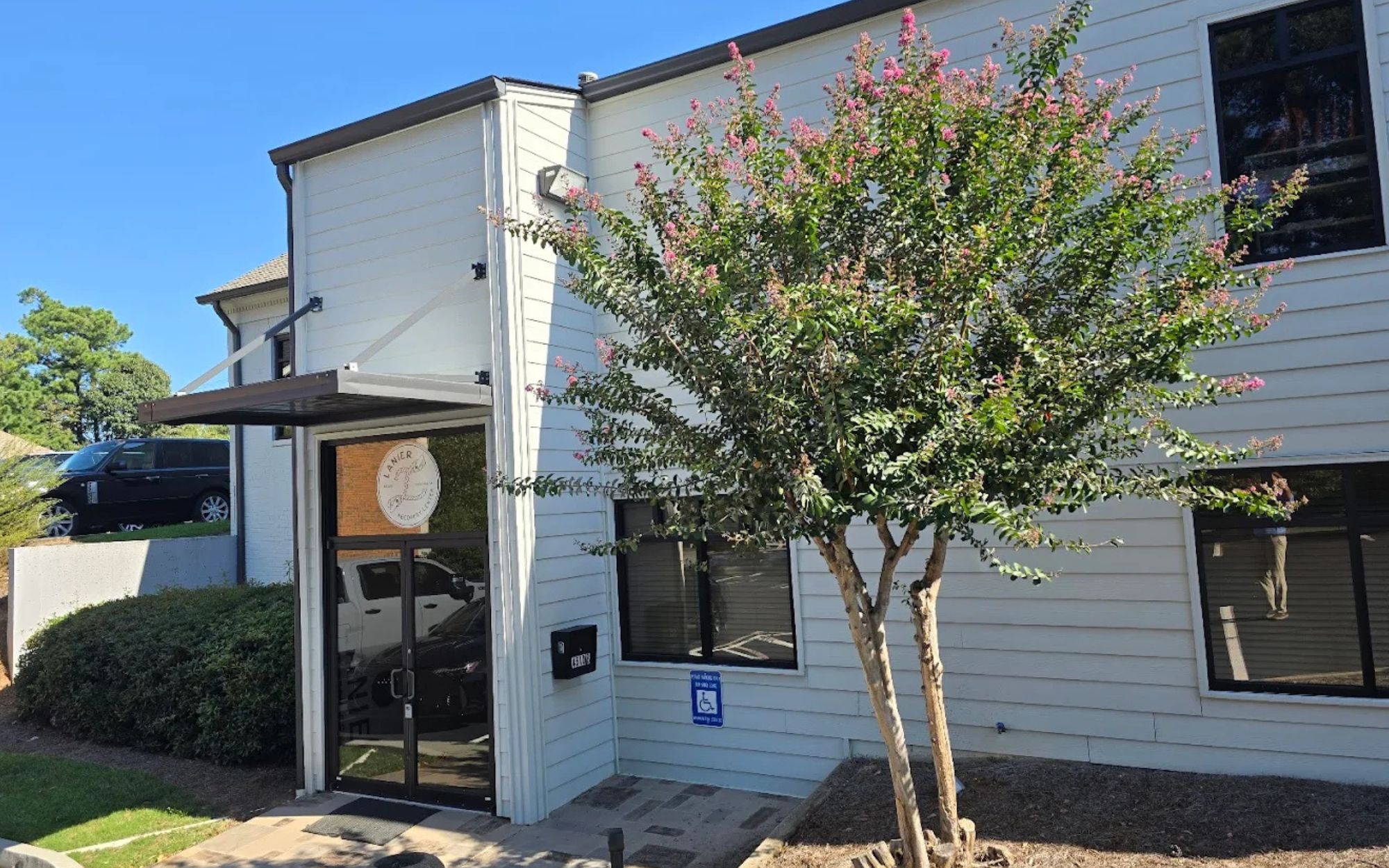
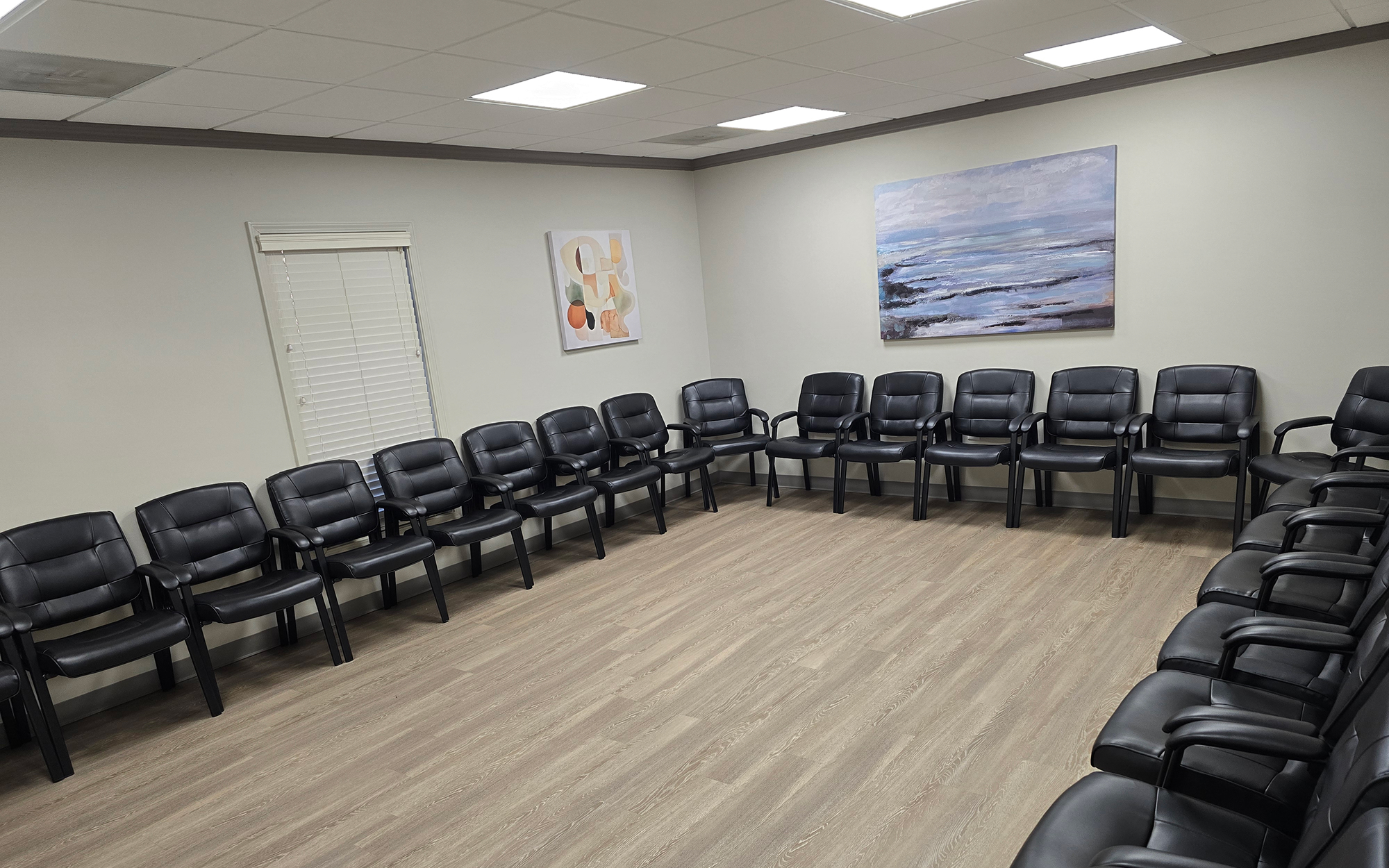
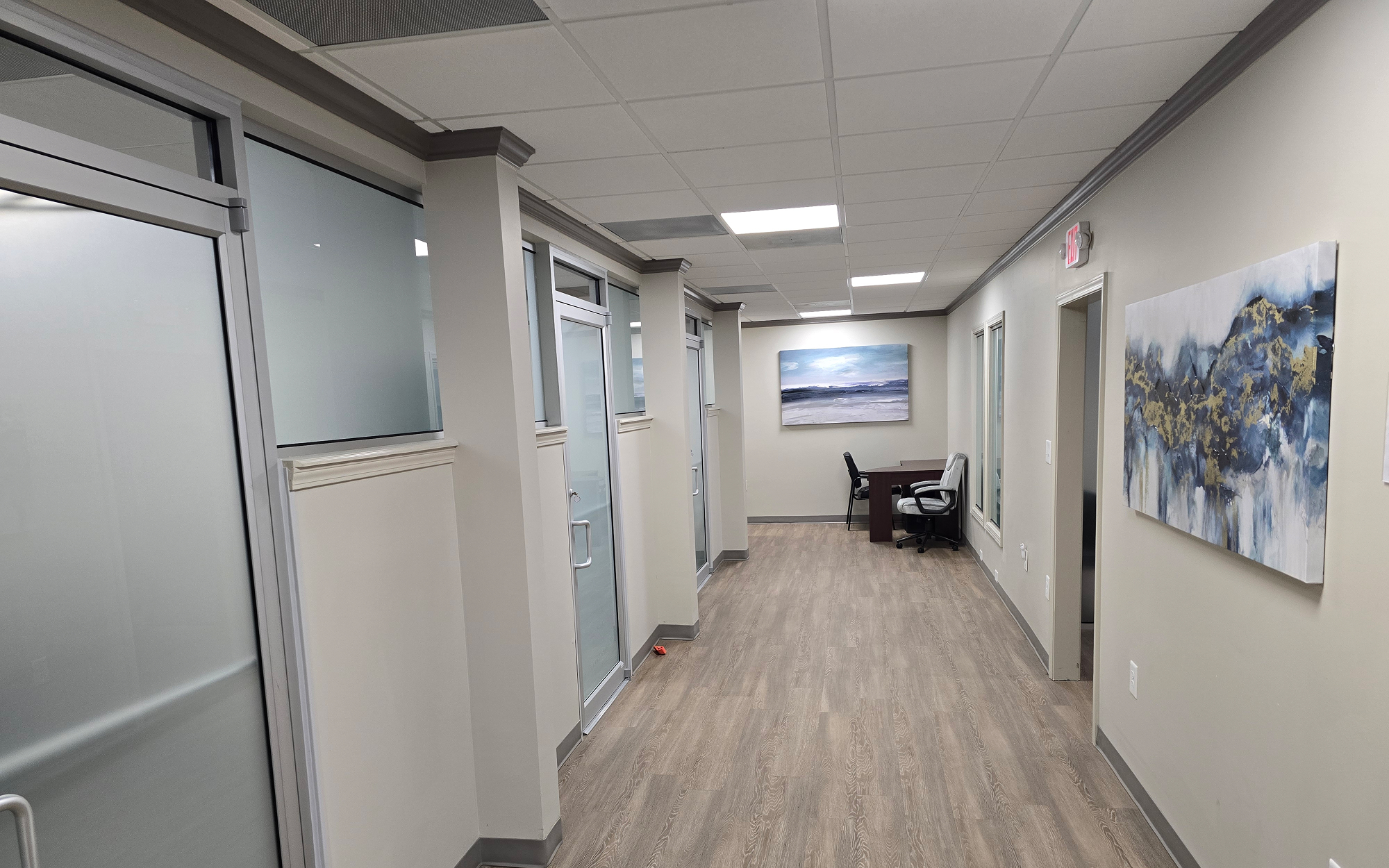
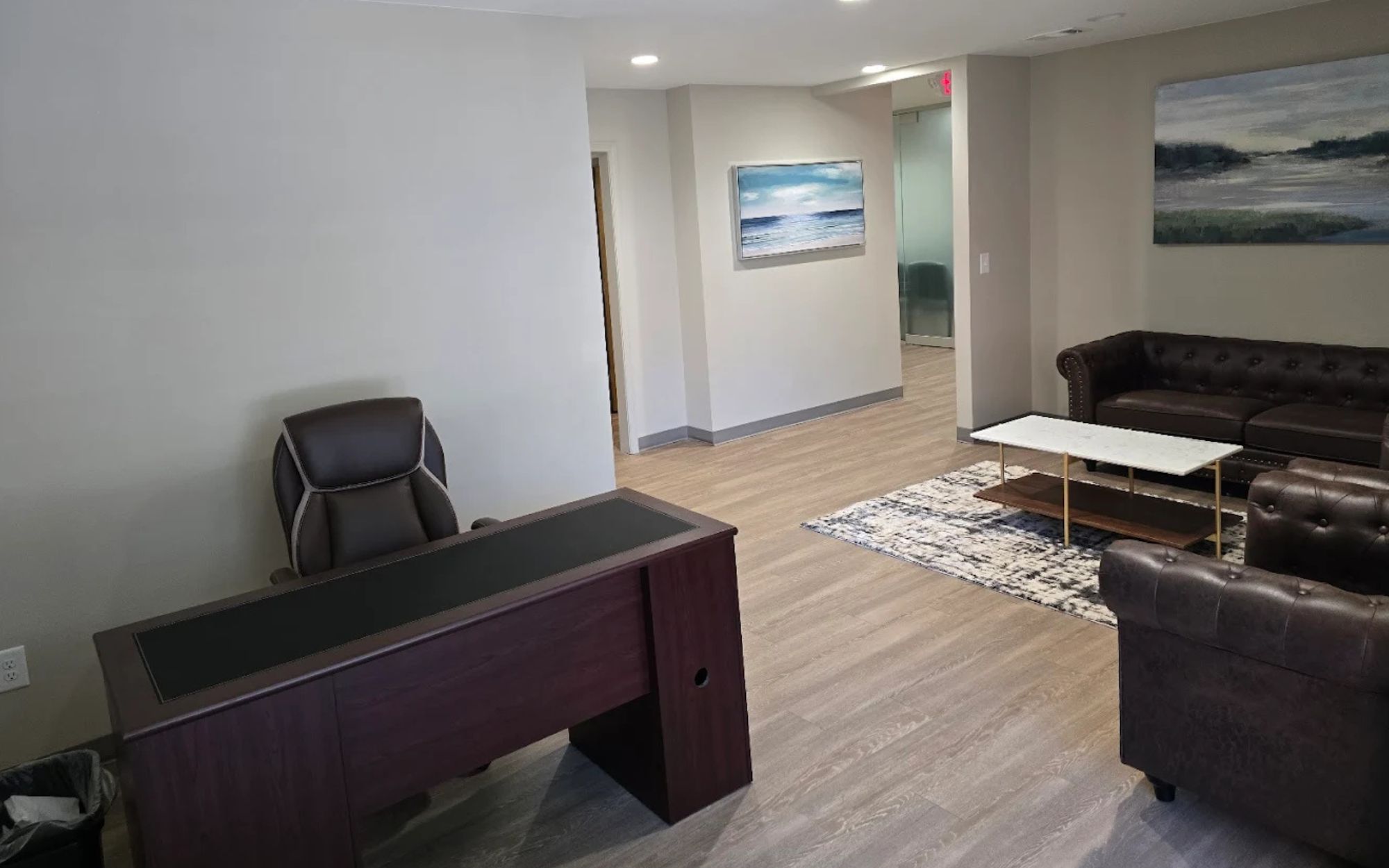
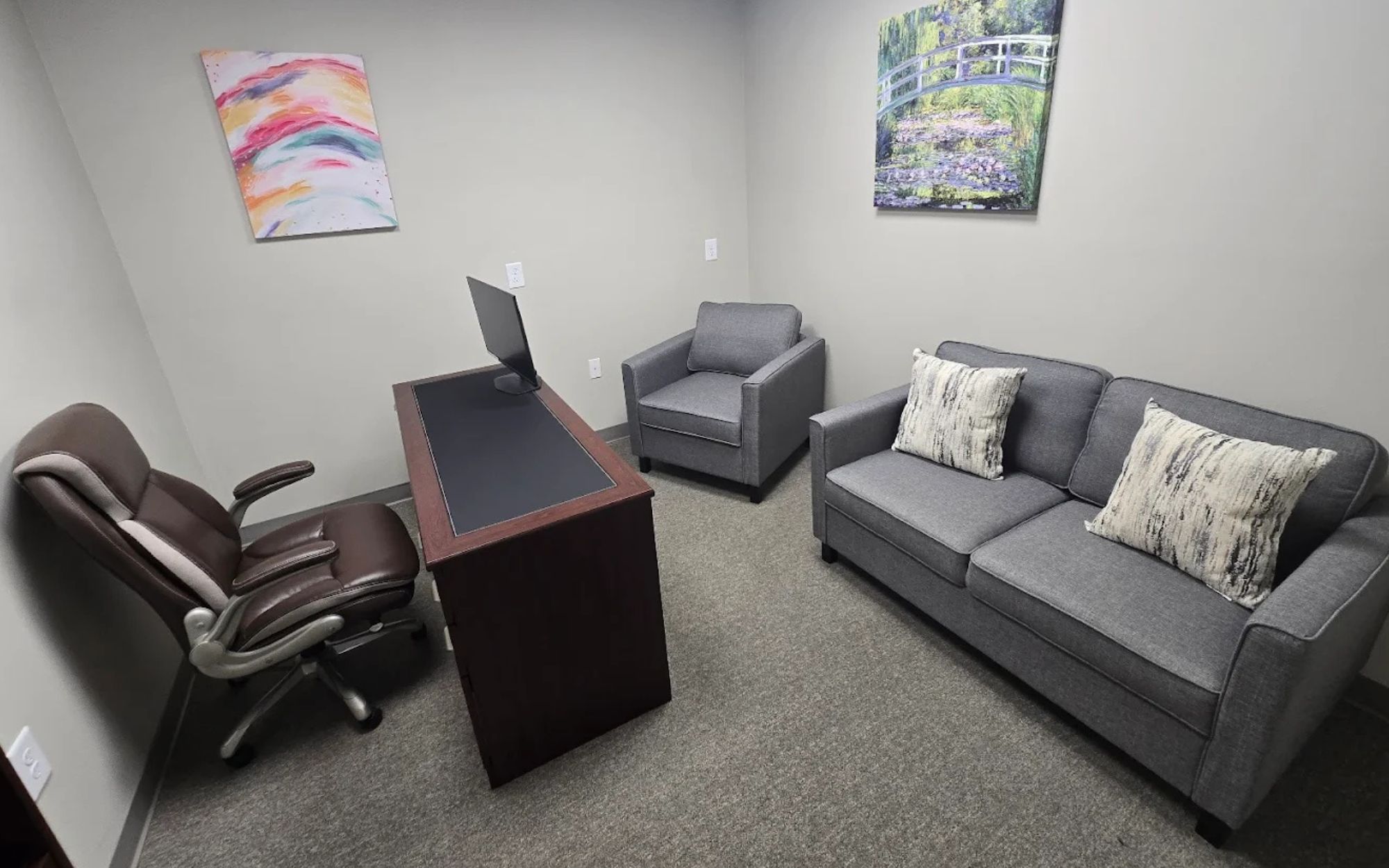
Check out our facility in Atlanta, GA

Discover why our programs are top rated today. Talk with our admissions team about the right treatment plan to bring lasting recovery.

Causes and risk factors for marijuana addiction

When trying to understand the causes of cannabis use disorder, it’s important to know that there is no single reason why someone develops an addiction. Instead, it results from a complex combination of biological, environmental, and psychological factors.

The frequency of your marijuana use also matters greatly, as daily consumption dramatically increases the odds of developing a problem. Having certain risk factors does not guarantee that you will struggle with addiction. They simply mean you might be more vulnerable. Understanding these influences can help you approach your recovery with self-compassion instead of judgment.

Genetics and family history of marijuana use

Your DNA plays a significant role in how your body responds to substances. Research shows that genetics accounts for roughly forty to sixty percent of a person’s vulnerability to a substance use disorder. This means that overall brain chemistry and inherited traits heavily influence your addiction risk. If you have a family history of addiction, your personal risk naturally increases. It is not a matter of willpower, but rather a biological predisposition that requires specialized care.

Early age of first use

The age at which a person first tries marijuana is a critical factor. Developing brains are especially sensitive to the effects of substances. Studies indicate that individuals who begin using marijuana before the age of eighteen are four to seven times more likely to develop cannabis dependence later in life. Furthermore, the frequency of use plays a massive role. Daily or near-daily use is strongly linked to higher dependence rates compared to occasional use.

Co-occurring mental health conditions

Many people turn to substances as a way to cope with emotional pain or distress. Having co-occurring mental health conditions, such as depression, anxiety, or post-traumatic stress, significantly increases your risk. In these cases, marijuana is often used to self-medicate uncomfortable symptoms.

Unfortunately, this can alter your brain chemistry further and quickly lead to a cycle of dependence. In some severe instances, heavy use has even been linked to episodes of psychosis. Because these issues are so deeply intertwined, finding a dual diagnosis treatment Atlanta is essential.

This integrated approach ensures that both the addiction and the underlying mental health struggles are treated at the exact same time. Treating the addiction without addressing the root cause often leads to relapse. You deserve a treatment plan that honors your entire experience. Healing your mind and your body together creates a much stronger foundation for lasting wellness.

the help you need is here

Recovery starts here

If you or someone you love is struggling with substance use or other mental health issues, Lanier Recovery Center can help. Request a callback below to receive care and support you can trust.

"*" indicates required fields

Effective marijuana addiction treatment therapies

When you decide to seek help, finding the right approach is vital for your success. Treatment for marijuana addiction is not a one-size-fits-all process. Because everyone experiences addiction differently, clinical professionals use a variety of proven methods to help you heal. The most effective programs rely on evidence-based psychotherapy to change deep-rooted habits and thoughts. By addressing both the mind and the behavior, these therapies create a comprehensive path to recovery.

Therapy Type Core Principle Best For Individuals Who…
Cognitive-Behavioral Therapy (CBT) Identifying and changing negative thought patterns and behaviors. Need practical skills to cope with triggers and cravings.
Motivational Enhancement Therapy (MET) Resolving ambivalence and building internal drive to change. Are unsure about quitting or need to strengthen their motivation.
Contingency Management (CM) Providing tangible rewards to reinforce positive behaviors and abstinence. Respond well to concrete goals, structured accountability, and positive reinforcement.

One of the most trusted methods in marijuana addiction treatment is cognitive behavioral therapy Atlanta. This practical approach teaches you to identify the specific circumstances and feelings that trigger your cannabis use. Once you understand your triggers, your therapist helps you develop healthier coping skills. You learn how to manage stress, avoid high-risk situations, and build effective strategies for relapse prevention. This therapy empowers you to take back control of your reactions and choices.

Motivational enhancement therapy is another powerful tool used in many rehab settings. It is completely normal to feel torn about giving up marijuana. You might want to stop, but part of you might still feel attached to the habit. This therapy involves nonjudgmental, compassionate discussions to help you resolve those mixed feelings. The goal is to build your own internal motivation to change. Instead of telling you what to do, the therapist helps you find your own personal reasons for wanting a healthier life.

Contingency management offers a different, highly structured approach to recovery. This behavioral intervention uses positive reinforcement to encourage abstinence. Often, clients receive small rewards or vouchers for passing drug tests or attending therapy sessions consistently. This method leverages the brain’s reward system, replacing the high of drug use with the satisfaction of achieving concrete goals. It is especially useful in the early stages of recovery when motivation might naturally fluctuate.

According to the National Institute on Drug Abuse, combining these behavioral therapies yields the best results. Often, a treatment plan will blend cognitive techniques with motivational support. Relapse prevention is a core focus across all these modalities. Therapists work with you to create a detailed plan for when old cravings return. You will learn to recognize warning signs before a relapse happens.

Family therapy Atlanta also plays a critical role. Addiction affects the entire household, altering communication and breaking trust. Bringing family members into the sessions helps heal these relationships. It educates your loved ones, turning them into a strong support system. When families learn how to set healthy boundaries, your chances of long-term success increase dramatically. Your care team will work closely with you to design a plan that meets your specific needs. Understanding how cannabis addiction is treated gives you a clear roadmap for the work ahead.

Georgia addiction treatment center

How to begin your recovery journey

We know beginning treatment can feel intimidating, so we’ve made the process simple and stress-free.

1

Get in touch
with us

Call or complete our contact form to connect with an admissions specialist who takes the time to listen and understand your situation.

2

Complete an assessment
& insurance review

Our team will review your history, discuss your needs, and confirm insurance coverage or explore self-pay options to make things easy.
3

Start your
treatment

Begin a personalized program built around your goals, supported by evidence-based care and a compassionate clinical team.

What to expect in marijuana rehab

Entering a treatment program can feel overwhelming, especially if you do not know what lies ahead. Demystifying the process of marijuana addiction rehab can help ease your anxieties. The journey usually follows a structured path designed to provide safety, healing, and long-term stability.

The first step is a comprehensive intake assessment. During this phase, medical professionals evaluate your physical health, mental well-being, and history of substance use. This allows them to build a personalized treatment plan tailored specifically to your needs.

Marijuana detox process

Following the assessment, you will likely begin the detoxification process at a trusted partner facility. Alcohol and drug detox Atlanta focuses on safely managing withdrawal symptoms as the marijuana leaves your body. Having medical supervision during this time ensures you remain comfortable and safe when cravings and irritability peak.

Group therapy for marijuana addiction treatment

After detox, the core of your rehab for weed addiction begins. This involves intensive individual and group therapy sessions. You will spend time uncovering the root causes of your addiction and learning new ways to cope with stress. Group therapy Atlanta provides a space to connect with peers who truly understand your struggles. Together, you will practice vital skills for relapse prevention, ensuring you are prepared for life after treatment. Finally, aftercare planning sets you up with ongoing support, such as alumni groups and continued counseling, to maintain your progress.

Treatment options for cannabis addiction help

When exploring your options, you will encounter different levels of care. Inpatient rehab Atlanta, also known as residential care, requires you to live at the facility full-time. It provides twenty-four-hour supervision and removes you entirely from daily triggers. This immersive environment is ideal for those with severe dependencies or co-occurring disorders.

On the other hand, our outpatient rehab Atlanta GA or IOP Atlanta allows you to live at home while attending scheduled therapy sessions several times a week. This flexible option works well if you have a strong support system at home and need to maintain work or school responsibilities.

At Lanier Recovery Center, we believe that your environment deeply impacts your healing. Choosing a suburban location for your care offers unique psychological benefits. The natural surroundings near Lake Lanier provide a calming backdrop for reflection and outdoor therapeutic activities.

What sets lanier recovery center apart

Our approach to addiction and mental health treatment is built on comprehensive care, compassionate support, and individualized recovery paths that lead to lasting change.

Depth

We go beyond surface-level treatment to address the root causes of addiction and mental health challenges for lasting healing.

Support

Our compassionate team provides steady guidance, encouragement, and care at every stage of the recovery journey.

Strength

Through personalized therapy and skill-building, we help individuals rediscover confidence and inner resilience.

Accountability

We create structured support systems that promote responsibility, consistency, and long-term recovery success.

Aftercare

Our aftercare planning and alumni support ensure continued connection and stability long after treatment ends.

Flexibility

We offer adaptable treatment options that fit real-life responsibilities while maintaining consistent, high-quality care.

Lanier Recovery Center can help you
We understand that getting help for addiction can be challenging. Start with a free addiction assessment today.

Frequently asked questions

Marijuana addiction treatment is a structured approach to treating marijuana addiction and cannabis addiction, often involving a combination of therapy, group therapy, and personalized treatment plans. These programs address both mental health conditions and substance use disorder, helping individuals understand their marijuana use, identify risk factors, and develop healthy coping mechanisms for long-term recovery.

Common signs of marijuana addiction include increased tolerance, ongoing cannabis use despite negative consequences, and difficulty managing daily life responsibilities. Individuals may also experience withdrawal symptoms, changes in motivation, and worsening mental health symptoms such as depression, especially if they use marijuana to self medicate.

People going through cannabis addiction or marijuana addiction may experience withdrawal symptoms such as irritability, stress, sleep disturbances, and increased appetite changes. These uncomfortable symptoms can make it difficult to stop marijuana use without professional addiction treatment, which is why many individuals benefit from structured treatment for marijuana addiction.

Effective marijuana addiction rehab often includes individual therapy, group therapy, and evidence-based therapy approaches designed to treat both substance abuse and mental health challenges. These programs help individuals build coping skills, navigate stressful situations, repair relationships, and replace marijuana use with healthier recreational activities and habits.

Several risk factors can increase the likelihood of developing marijuana addiction or substance use disorder, including genetics (such as having a first degree relative with addiction), early exposure to drug abuse, and underlying mental health conditions. Research shows that frequent cannabis use, especially alongside other substances like alcohol, can increase the risk of long-term health effects and the need for comprehensive addiction treatment.

Lanier Recovery Center’s top values

Every treatment will be uniquely tailored to you, because you’re unique.

Sober living

Our team is 100% sober, including from Alcohol. We help our clients achieve sobriety and stick to it through thick and thin, because sobriety is the foundation of a fulfilling life.

Integrity

Our team is 100% sober, including from Alcohol. We help our clients achieve sobriety and stick to it through thick and thin, because sobriety is the foundation of a fulfilling life.

Everyone belongs

Our team is 100% sober, including from Alcohol. We help our clients achieve sobriety and stick to it through thick and thin, because sobriety is the foundation of a fulfilling life.

Limitless potential

Our team is 100% sober, including from Alcohol. We help our clients achieve sobriety and stick to it through thick and thin, because sobriety is the foundation of a fulfilling life.

Find help at our marijuana addiction rehab

Overcoming marijuana addiction requires structured, evidence-based addiction treatment that addresses both mental health and substance use disorder. Whether someone is dealing with long-term cannabis use, increasing tolerance, or difficult withdrawal symptoms, professional marijuana addiction treatment can help individuals safely cope with challenges and rebuild a healthier life.

If you are ready to explore your treatment options, reach out to Lanier Recovery Center today. You can discuss your situation confidentially by calling (470) 470-5697 or contacting us online. Visit our Google page to read reviews and gain more insight about how we can help. Begin building a stable, substance-free life in your home community.

If you’re looking for more information, connect with our team by phone, email, or through our online form. We’re here to answer your questions, talk through your options, and support you as you begin your path toward lasting recovery.

Sources

Centers for Disease Control and Prevention. (December 5, 2024). Understanding Your Risk for Cannabis Use Disorder. Centers for Disease Control and Prevention.

National Center for Biotechnology Information. (September 21, 2022). Construct validity of DSM-5 cannabis use disorder diagnosis and …. National Institutes of Health.

Flinders University. What are the diagnostic criteria for mental health disorders due to …. Flinders University.

Drexel University. A. Substance Use Disorders Criteria. Drexel University.

Substance Abuse and Mental Health Services Administration. Key Substance Use and Mental Health Indicators in the United States. Substance Abuse and Mental Health Services Administration.

National Center for Biotechnology Information. (August 1, 2013). DSM-5 Criteria for Substance Use Disorders. National Institutes of Health.

National Center for Biotechnology Information. (June 5, 2014). Adverse Health Effects of Marijuana Use. National Institutes of Health.

National Institute on Drug Abuse. (March 22, 2023). New NIH study reveals shared genetic markers underlying …. National Institute on Drug Abuse.

Washington University School of Medicine. (March 22, 2023). Multiple substance use disorders may share inherited genetic …. Washington University School of Medicine.

Boston University School of Medicine. (March 9, 2022). Substance Use Disorders. Boston University School of Medicine.

Substance Abuse and Mental Health Services Administration. (September 9, 2025). Know the Effects, Risks and Side Effects of Marijuana. Substance Abuse and Mental Health Services Administration.

National Center for Biotechnology Information. (September 20, 2007). Likelihood of developing an alcohol and cannabis use disorder …. National Institutes of Health.

National Institute on Drug Abuse. (July 6, 2020). Treatment and Recovery. National Institute on Drug Abuse.

National Center for Biotechnology Information. (September 30, 2016). Evidence-based Treatment Options in Cannabis Dependency. National Institutes of Health.

National Center for Biotechnology Information. (March 24, 2017). Family-focused practice within a recovery framework. National Institutes of Health.

Substance Abuse and Mental Health Services Administration. (June 9, 2023). National Helpline for Mental Health, Drug, Alcohol Issues. Substance Abuse and Mental Health Services Administration.

Centers for Disease Control and Prevention. (March 7, 2025). Cannabis Facts and Stats. Centers for Disease Control and Prevention

we are here for you

Get the help you need today.

Together, we can help you build a brighter future of wellness.

Free & easy insurance check

alliant
care source
multiplan
united healthcare
cigna
beacon
bluecross
tricare

Request a confidential call

"*" indicates required fields

This field is for validation purposes and should be left unchanged.
Preferred method*
Get Treatment For All Your Healthcare Needs

Other what we treat

Request A Confidential Call

Request a call and a Lanier Recovery Center team member will be in touch.

"*" indicates required fields