

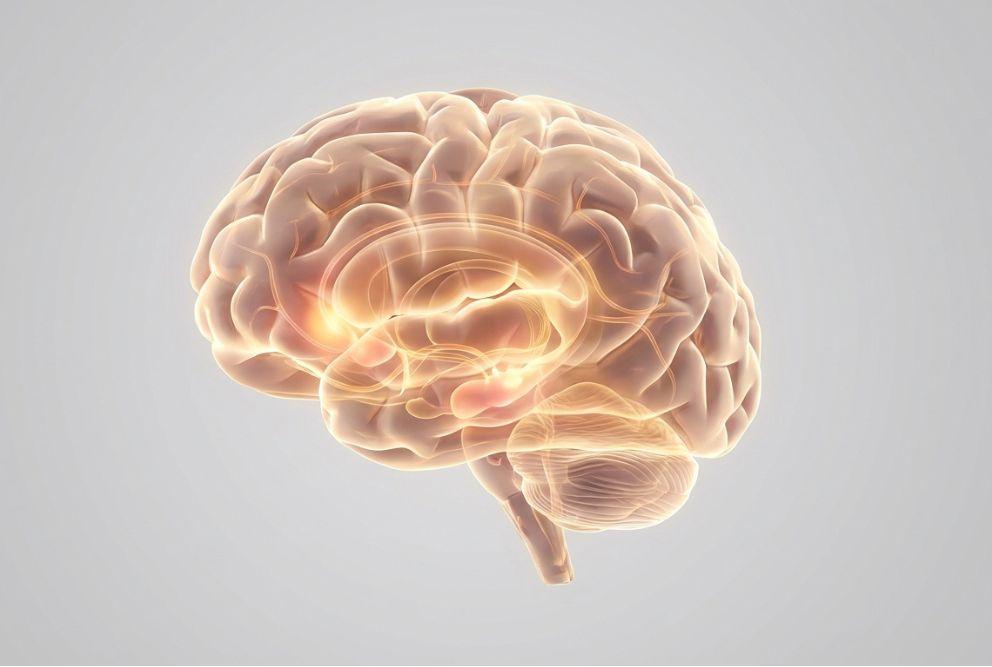
The disease model of addiction explains how addiction affects the brain, behavior, and long-term health. This perspective helps shift the focus from blame to care, highlighting the need for effective treatment and ongoing support. When it feels like addiction is tearing apart your family or weighing you down with guilt, you’re not alone and you’re not to blame. Come to know that addiction is a chronic brain condition, not a matter of weakness or character. By understanding the science behind addiction, you can let go of some of that self-blame and see that real, compassionate help is possible. You’ll learn how this perspective can open the door to support, healing, and a sense of hope for the future.
Is addiction a disease?
The disease model of addiction describes addiction as a chronic disease that changes how the brain functions and responds to substance use. This model of addiction shows how repeated substance use can lead to lasting brain changes that affect self-control, decision-making, and behavior. Many experts recognize addiction as a brain disease, similar to other chronic conditions like diabetes, where long-term care is often needed. The brain disease model highlights how addiction develops over time, influenced by family history, risk factors, and repeated exposure to drugs or alcohol. We have the tools to help you find lasting recovery. Explore what we treat and take the first step toward getting help.
What is the brain disease model of addiction?
Major medical groups view substance use disorder as a chronic brain condition. The disease model of addiction explains that substance use fundamentally changes the brain. It deeply alters your motivation, memory, and behavior circuits.
This model removes the heavy burden of seeing your struggles as a simple lack of willpower. It validates your emotional experience. It also points you directly toward real, scientific help.
We can easily compare addiction to other chronic illnesses. Think about Type II diabetes or cardiovascular disease. All of these conditions require lifelong management. They all carry known risks for relapse. None of them is magically cured overnight. However, they all respond incredibly well to structured medical care.
By seeking dual diagnosis treatment Atlanta, you can address both your addiction and any underlying mental health factors. The Centers for Disease Control and Prevention provides clear guidelines on what is addiction? They officially frame it as a highly treatable medical issue.
Evolution of the disease concept of addiction
The disease concept of addiction has changed greatly over the years. Historically, society viewed addiction strictly as a moral failing. People incorrectly believed that those who struggled simply lacked personal discipline. They faced intense public stigma and harsh judgments.
Today, we follow a compassionate medical model instead. Leading medical institutions recognize this framework. The American Society of Addiction Medicine formally defines addiction as a primary illness. It is a disease of brain reward and memory circuits.
This major shift has changed everything in the recovery field. It entirely replaces public judgment with deep compassion. It also paves the way for highly effective medical interventions.
The disease model, brain activity, and reward pathways
To fully grasp this condition, we must look closely at the neurobiology of addiction. Psychoactive substances directly hijack the brain’s delicate reward system. This rapid process turns voluntary substance use into compulsive drug seeking over time. Your brain physically adapts to the constant presence of the drug.
| Neurotransmitter | Role in the brain | How addiction alters it |
|---|---|---|
| Dopamine | Drives motivation and signals reward. | Creates intense cravings and reduces natural joy. |
| Glutamate | Helps with learning and creating memories. | Links drug use to strong environmental triggers. |
| Serotonin | Regulates mood and emotional stability. | Causes mood swings and deep depressive feelings. |
When you use a substance, your brain releases massive amounts of dopamine. This chemical surge happens deep inside the basal ganglia. It teaches your brain to prioritize the drug above all natural rewards.
Over time, your prefrontal cortex becomes severely impaired. This is the crucial area responsible for logic and self-control. You lose the physical ability to simply say no.
At the same time, the extended amygdala becomes highly sensitive. This specific region controls your feelings of stress and anxiety. When the drug wears off, you feel deep emotional pain. You end up seeking the substance just to feel normal again. The cycle becomes completely automatic.
However, the human brain is highly adaptable. This powerful biological adaptability is called neuroplasticity. Because your brain can change, it can also fully heal.
Specialized care
Through specialized care like brain mapping therapy, doctors can literally track this healing process. With sustained recovery, your brain chemistry can return to a healthy, natural balance. For deeper insights, you can read more about Drugs, Brains, and Behavior: The Science of Addiction from the National Institute on Drug Abuse.
Additional treatment programs pave the path to a lasting recovery.
Evidence-based treatment options
Alcohol and drug rehab Atlanta GA programs often include cognitive behavioral therapy Atlanta and dialectical behavior therapy (DBT therapy Atlanta) to address substance use disorder and related mental health concerns.
These approaches help individuals change harmful behavior patterns tied to substance abuse and build coping mechanisms that support recovery. Experiential therapy Atlanta and holistic therapy Atlanta can also help address emotional and physical aspects of addiction while promoting balance.
Individual and group support
Individual therapy Atlanta and group therapy Atlanta provide structured support for people working through addiction and substance use challenges. These therapy settings help individuals explore the impact of drug use, substance abuse, and addiction on their daily lives. Group settings also offer connection through support groups, helping reduce isolation and reinforce long-term recovery support.
Family and psychiatric care
Family therapy Atlanta helps repair relationships that may be affected by addiction and substance use disorder. Psychiatric services Atlanta can address co-occurring mental health disorders and provide medication support when needed. MAT programs in Georgia may be included as part of addiction medicine, helping manage cravings and support ongoing treatment.

How genetics play a Role
Many people wonder if they are destined to struggle because of their family history of addiction. Research suggests heritability of addiction is estimated at ~50%. This means your genes do play a very significant role in your life. Your DNA sets a baseline for how your body processes certain chemicals.
However, this genetic risk is just one piece of the complex puzzle. Having a family history does not guarantee you will develop a substance use disorder. Genetic traits simply mean your brain might react differently to addictive substances. It is a vulnerability, not an inescapable fate.
Your surrounding environment matters just as much as your DNA. The environmental origin of your early childhood experiences shapes your physical responses.
High stress, trauma, or early exposure to drugs can activate these specific genetic risks. Conversely, growing up in a safe and supportive environment can fully protect you.
Social determinants of health also play critical roles in this interplay. Factors like your local community, access to quality healthcare, and income level influence your overall risk.
You are never doomed by your biology. Understanding your genetic makeup simply helps doctors build a better, more personalized treatment plan for you.
Explaining relapse through the disease model
When we view addiction as a chronic disease, we must rethink how we view relapse. Relapse is a common, expected symptom of a chronic illness. It is never a moral failure or a sign of weakness. It simply shows that the disease is currently active.
If a patient with high blood pressure sees their symptoms return, doctors do not blame them. Instead, they carefully adjust the medication or suggest new lifestyle changes.
We must treat a recurrence of addiction symptoms with the exact same logic. A slip means your support system needs immediate strengthening.
A setback simply means you need to adjust your current treatment plan. Relapse rates for addiction are very similar to those for asthma or diabetes. The physical triggers and intense drug craving can sometimes overpower your best intentions. The physical brain changes make resisting these cravings incredibly difficult.
Thankfully, you can learn to manage these triggers over time. Through evidence-based practices, you can develop a strong relapse prevention strategy. You learn to spot warning signs early. You build healthy, practical coping skills. With the right adjustments to your treatment, you can regain control and get back on track.
Alternative views on addiction
While the medical model is widely accepted, some experts hold alternative views on addiction. It is completely natural to ask, “Is substance use a choice?” You might also wonder, “Why do some people say addiction is not a disease?” These questions are valid and deserve honest answers.
Some critics argue that behavioral science proves addiction involves active decision-making. They point out that people make conscious choices to seek out drugs. It is true that the initial use is typically a free choice. However, prolonged use deeply impairs your self-control and motivation systems. The conscious choice quickly becomes a desperate physiological demand.
Other experts view addiction primarily through the lens of trauma and mental health disorders. From this clinical perspective, substance use is a coping mechanism for deep emotional pain. People use drugs to numb untreated psychological wounds. They are simply trying to survive their distress. This is exactly why trauma-based therapies are so vital in modern addiction care.
These alternative views do not erase the brain disease model. Instead, they perfectly complement it. By combining these ideas, we see the whole, complex person. Finding trauma therapy Atlanta can help you address both the physical brain changes and the emotional roots of your pain.
Healing always requires the right environment. At our alcohol and drug rehab Atlanta GA, we provide a serene, suburban setting in Suwanee. Our location near Lake Lanier serves the broader North Atlanta area perfectly.
It allows working adults to step away from heavy city stressors. You can focus entirely on healing while staying close enough to maintain healthy family connections. Proper medical care in a peaceful, natural space gives you the absolute best chance at lasting recovery.
Using the disease model of addiction to support recovery
The disease model of addiction highlights how addiction affects the brain, behavior, and overall health, making professional treatment an important step toward recovery. With the right support, individuals can address substance use, build healthier coping skills, and regain control over their lives.
This condition is not a reflection of your character or your worth. It is a highly treatable medical issue. You can rewrite your personal story. Real healing requires the right guidance, a compassionate community, and a willingness to accept help.
If you or a loved one needs help, Lanier Recovery Center offers care tailored to each person’s needs. Contact us or call (470) 470-5697 to speak with a member of the team. Visit the Google Business page to learn more and get started.
Frequently asked questions
The disease model of addiction views addiction as a chronic condition that affects the brain and behavior. It explains how repeated substance use can change brain function and reduce self control. This model supports the need for long-term treatment and ongoing care.
Yes, many experts describe addiction as a brain disease because it alters how the brain processes reward and decision making. These brain changes can make it difficult to stop substance use without support. Treatment focuses on helping the brain recover while building healthier habits.
Addiction can develop due to a mix of risk factors, including family history, environment, and repeated substance use. Drug use over time can lead to changes in brain function and behavior. These changes increase the likelihood of developing a substance use disorder.
Yes, addiction treatment can be effective when it includes a combination of therapy, support, and medical care. Many programs focus on both the physical and psychological aspects of addiction. Long-term recovery often includes continued support and follow-up care.
Addiction is a chronic condition, so long-term treatment helps maintain progress and prevent relapse. Ongoing care allows individuals to strengthen coping mechanisms and adjust to life without substance use. Continued support improves outcomes and helps sustain recovery over time.
Sources
- Substance Abuse and Mental Health Services Administration (SAMHSA). “Why Addiction is a “Disease”, and Why It’s Important”. SAMHSA.
- Centers for Disease Control and Prevention (CDC). (May 27, 2021). What is Addiction?. Centers for Disease Control and Prevention.
- National Institute on Drug Abuse (NIDA). (July 6, 2020). Drugs, Brains, and Behavior: The Science of Addiction. National Institute on Drug Abuse.
- U.S. National Library of Medicine. (September 11, 2019). The Neuroscience of Drug Reward and Addiction. PubMed Central.
- U.S. National Library of Medicine. (August 29, 2014). The heritability of alcohol use disorders: a meta-analysis of twin and adoption studies. PubMed Central.
- Rutgers University. (November 2, 2022). Rutgers Researchers Delve Deep Into the Genetics of Addiction. Rutgers University.
- National Center for Biotechnology Information. (July 21, 2023). Addiction Relapse Prevention. StatPearls.
- U.S. National Library of Medicine. (July 8, 2013). Addiction: Current Criticism of the Brain Disease Paradigm. PubMed Central.
- U.S. National Library of Medicine. (May 24, 2021). Articulating the Trauma-Informed Theory of Behavior. PubMed Central.
- National Association of Addiction Treatment Providers (NAATP). Addiction Treatment Methods | Evidence-Based Practices. National Association of Addiction Treatment Providers.
- U.S. National Library of Medicine. (February 28, 2023). The Importance of Social Support in Recovery Populations. PubMed Central.