

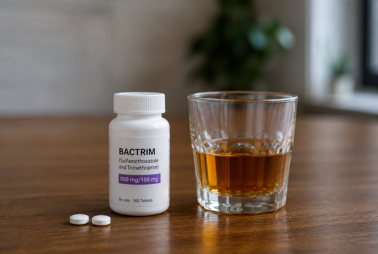
When you are prescribed Bactrim, it’s normal to wonder how much your daily routine needs to change. Questions about whether it’s safe to combine Bactrim and alcohol are common. Even a single glass of wine at dinner or a drink with friends can feel like a small choice, but it can carry risks that are worth understanding. Taking the time to consider how alcohol might interact with your medication is an important step in supporting your recovery and overall health.
For those looking for guidance, resources such as alcohol treatment Atlanta can provide practical support and education around safe alcohol use.
Bactrim treatment: adverse reactions and effects
Bactrim is the brand name for a combination antibiotic containing sulfamethoxazole and trimethoprim. These two ingredients work together to treat bacterial infections by interfering with bacterial enzyme systems involved in the synthesis of folic acid, which bacteria need in order to grow and multiply. In simple terms, Bactrim helps stop bacterial growth so your body can clear the infection more effectively.
This medication is commonly prescribed to treat bacterial infections such as urinary tract infections, bronchitis, ear infections, and certain forms of traveler’s diarrhea. It may also be used for other conditions when a healthcare provider determines it is appropriate.
That matters because antibiotic treatment is not just about taking a pill on schedule. It is also about giving the medication the best chance to work, and for some people, that may include getting guidance through resources, like outpatient rehab Atlanta GA, when drinking alcohol feels difficult to pause during treatment. When you are undergoing treatment for an infection, your immune system is already working overtime. Drinking alcohol during that same window can make recovery harder, not easier. It can increase irritation, affect hydration, worsen side effects, and, in some situations, interfere with medication efficacy.
Bactrim and alcohol: why combining Bactrim and alcohol is not recommended
The concern with Bactrim and alcohol is not just theoretical. Healthcare providers typically recommend that patients avoid alcohol during the entire course of treatment with Bactrim because of the potential for harmful interactions and avoidable side effects.
Both Bactrim and alcoholic beverages are processed through the body in ways that can put strain on the liver and kidneys. If someone is taking Bactrim while consuming alcohol, the body has to manage both substances at once. That can increase liver stress, raise the risk of stomach pain and dehydration, and contribute to a more difficult recovery.
There is also the issue of how alcohol affects the immune system. Alcohol can weaken immune function, which makes it harder for the body to fight infection effectively. If you are prescribed Bactrim because you need to treat bacterial infections, that is the exact opposite of what you want during recovery.
Even when the alcohol consumption seems modest, mixing alcohol with antibiotics can still create a rougher treatment experience. The question is not just whether you can do it, but whether there is any real benefit to taking that risk while your body is healing.
Adverse effects, alcohol interactions, and disulfiram-like reactions
One of the more serious concerns related to alcohol and Bactrim is the possibility of a disulfiram-like reaction. This is a reaction in which the body has trouble processing alcohol normally, leading to a buildup of compounds that can trigger immediate and unpleasant symptoms. Reports suggest that symptoms can begin within 5 to 15 minutes of drinking alcohol while taking Bactrim.
These adverse reactions may include:
- Flushing
- Severe nausea
- Vomiting
- Headache
- Rapid heartbeat
- Low blood pressure
- Chest pain
- Difficulty breathing
In more severe cases, the person may need immediate medical attention. If you experience chest pain, trouble breathing, severe dizziness, or signs of low blood pressure after mixing alcohol and Bactrim, you should contact a healthcare provider immediately or seek urgent medical care.
Not every person who combines Bactrim and alcohol will experience the same reaction, but that uncertainty is exactly why mixing Bactrim is not recommended. The risk is unnecessary, especially when the safer option is simply to eliminate alcohol temporarily.

Alcohol, while taking Bactrim, can worsen common side effects
Even apart from a disulfiram-like reaction, alcohol while taking Bactrim can intensify common medication side effects.
Bactrim by itself may cause:
- Stomach upset
- Nausea
- Dizziness
- Drowsiness
- Loss of appetite
- Diarrhea
Alcohol can produce many of those same effects. When they are combined, the overlap can make the experience much worse. Some people notice intensified dizziness and drowsiness. Others deal with more severe stomach pain, nausea, or severe diarrhea. In certain cases, people may also experience watery or bloody diarrhea, which should always be taken seriously and reported to a healthcare professional.
That overlap matters because people sometimes underestimate how disruptive these symptoms can become. What might have been manageable side effects during Bactrim treatment can quickly turn into a miserable evening or a more serious health issue when alcohol is added.
Alcohol consumption can reduce effective treatment
Another reason to avoid alcohol during Bactrim treatment is that alcohol can work against recovery itself.
When you are taking antibiotics, the goal is not just symptom relief. The goal is to fully clear the infection. Alcohol consumption can interfere with that process in a few ways. First, it can weaken the immune system, making it harder for the body to fight infection. Second, it can contribute to dehydration and poor sleep, both of which slow recovery. Third, alcohol may impair the liver’s ability to process Bactrim efficiently, which can affect the medication’s effectiveness or increase the risk of side effects.
The medication needs the body’s support to produce the best results. If someone is taking Bactrim for urinary tract infections, ear infections, or another bacterial illness, mixing alcohol during treatment may lead to a decreased therapeutic effect or at least a more difficult recovery period. That is why most healthcare providers advise patients to avoid alcohol until the course is complete and enough time has passed afterward.
Bactrim interaction risks beyond alcohol consumption
The topic of Bactrim interaction goes beyond alcohol alone. Bactrim can also interact with certain medications, supplements, and underlying health conditions.
For example, some drug interactions may increase the risk of:
- Blood disorders
- Elevated potassium
- Kidney damage
- Liver toxicity
- Dangerous medication buildup
This is especially important for people taking potassium supplements, certain blood pressure medications, such as angiotensin-converting enzyme inhibitors, blood thinners, diabetes medications, or methotrexate. People with existing kidney health concerns or liver disease may also face greater risks while taking Bactrim.
That is why it is important to tell your healthcare provider about all other medications, supplements, and health conditions before starting Bactrim treatment. Even something that seems minor, like a vitamin, herbal supplement, or other prescription, may change the safety picture.
If you are prescribed oral Bactrim or another form of the medication, do not assume all combinations are harmless just because the medication is common. Drug interactions with sulfamethoxazole trimethoprim can be clinically significant, and they are one more reason to be cautious about combining alcohol or other substances during treatment.
How long after taking Bactrim can you drink alcohol?
For most people, the general guidance is to wait at least 48 hours after the last dose before consuming alcohol. Some clinicians may suggest waiting longer depending on your age, liver function, kidney function, dosage, and any other medications you are taking.
The reason for the 48-hour guideline is straightforward. Your body needs time to process and clear the medication. Drinking alcohol too soon after finishing Bactrim can still increase the risk of side effects because the drug may still be active in your system.
If you have a history of kidney disease, liver problems, medication sensitivity, or if you are taking other medications that affect metabolism, it is best to ask your healthcare professional for personalized guidance. A blanket answer is useful, but it is not a substitute for individual medical advice.

Alcohol and Bactrim: other safety considerations during antibiotic treatment
When people ask about combining Bactrim and alcohol, they are often really asking a broader question: What else should I avoid while taking this medication?
In addition to alcohol, it is wise to be thoughtful about anything that may worsen gastrointestinal irritation or place added strain on the body. For example, some people find that acidic foods aggravate nausea or stomach upset while on antibiotics. If Bactrim is already making your stomach sensitive, large amounts of spicy or acidic foods may make you feel worse, even if they are not formally prohibited.
You should also watch for unusual symptoms that could point to a more serious issue, such as:
- Rash or signs of allergic reaction
- Severe or persistent diarrhea
- Unusual bruising or signs of blood disorders
- Marked fatigue
- Worsening dizziness
- Fever that does not improve
- Severe stomach pain
If any of those occur, contact your healthcare provider. If symptoms include difficulty breathing, chest pain, severe weakness, or signs of a serious allergic reaction, seek medical attention right away.
Can mixing antibiotics and alcohol signal a bigger concern?
Sometimes the question about mixing alcohol and antibiotics is just a medication safety question. Sometimes it points to something more personal.
If the idea of avoiding alcohol for a few days feels unusually difficult, frustrating, or impossible, that may be worth paying attention to. Needing alcohol even during antibiotic treatment, or continuing to drink alcohol despite knowing it could cause adverse effects, can be a sign that your relationship with alcohol deserves a closer look.
That does not automatically mean someone has an alcohol use disorder. It does mean the question is worth asking honestly. Are you able to pause without distress? Do you find yourself minimizing the risk? Are you drinking despite a doctor’s instructions? Has alcohol started to feel less optional than it used to?
When drinking becomes hard to stop, even temporarily, support may help. For people who need guidance around alcohol use, structured care through alcohol treatment Atlanta can provide a clearer path forward.
When professional support may be the right next step
If alcohol has become difficult to manage, it does not have to mean jumping into something overwhelming or extreme. The right level of support looks different for everyone. It depends on your daily responsibilities, your health, and how much structure feels helpful right now. In situations like this, having access to informed, compassionate guidance from a team like Lanier Recovery can help you better understand your options without pressure.
Flexible outpatient support
For some people, the most helpful starting point is support that fits into everyday life. Options like outpatient rehab Atlanta GA allow for individuals to continue working, caring for family, and maintaining routines while still getting guidance around alcohol use and overall health. This kind of approach can feel more approachable, especially for those who are beginning to notice patterns but are not ready for a major disruption to their schedule.
Structured day and evening programs
Others may benefit from more consistency and accountability during this time. Structured options such as IOP Atlanta or PHP Atlanta provide a higher level of support without requiring a full residential stay. These programs can be especially helpful when alcohol use is starting to impact physical health, decision-making, or the body’s ability to recover while taking antibiotics or managing other medical needs.
A more immersive reset
For individuals who feel overwhelmed or who are experiencing repeated alcohol interactions, stronger cravings, or ongoing health concerns, a more immersive setting, like inpatient rehab Atlanta, may offer the space needed to step back and fully focus on recovery. This kind of environment can help stabilize routines, support the immune system, and create distance from the patterns that make it harder to stop.
Therapy and deeper support
Alcohol use is often connected to something deeper, whether that is stress, anxiety, depression, or unresolved experiences. In those situations, support may go beyond substance use alone. The goal is to better understand what is driving the behavior and build healthier ways to respond.
Lanier Recovery offers support for those in recovery with a mix of therapeutic approaches, depending on what feels most relevant to the individual:
- Individual therapy Atlanta. One-on-one conversations that create space to explore personal patterns, triggers, and goals in a more private setting.
- Group therapy Atlanta. A supportive environment where people can connect with others, reduce isolation, and build accountability through shared experiences.
- Family therapy Atlanta. Helps repair communication, rebuild trust, and strengthen relationships that may have been affected by alcohol use.
- Cognitive behavioral therapy Atlanta. A structured, evidence-based approach that focuses on identifying unhelpful thought patterns and replacing them with healthier, more balanced responses.
- Dual diagnosis treatment Atlanta. An integrated approach for individuals navigating both mental health challenges and alcohol use, helping address the full picture rather than treating each issue separately.
Each of these approaches can be part of a broader, supportive path through Lanier Recovery, where the focus stays on understanding the person as a whole, not just the behavior.

A clearer bottom line on combining Bactrim and alcohol
If you are trying to make sense of Bactrim and alcohol, or noticing that stepping away from drinking feels harder than it should, you are not alone in that experience. Moments like this are often less about a single decision and more about what your body is asking for underneath it all. Whether it is stress, routine, or something that has slowly become more difficult to manage, paying attention to it matters. You do not have to have everything figured out to take a step toward feeling better. Sometimes it starts with simply asking questions and giving yourself permission to slow down and look at what is going on without judgment.
If it would help to talk things through, we are here. You can reach out through our confidential contact form or call us directly at (470) 470-5697 to have a real conversation with someone who understands what you are navigating. You can also explore our Google Business Profile to hear from others who have taken that step before you. Whether you are looking for clarity, reassurance, or just a place to start, reaching out can be a steady, supportive first step.
FAQ
Mixing alcohol with Bactrim and alcohol is not recommended. Even small amounts of alcohol consumption can increase the risk of adverse effects and make symptoms harder to manage. Because Bactrim medication is processed through the liver, alcohol can interfere with the body’s ability to metabolize both alcohol and medication at the same time. This can increase the risk of liver damage, worsen side effects, and reduce how well the medication works.
Mixing alcohol with Bactrim can lead to uncomfortable or even dangerous reactions. In some cases, it may trigger symptoms similar to a disulfiram reaction. These severe symptoms can include flushing, nausea, rapid heartbeat, low blood pressure, and difficulty breathing. Combining alcohol can also increase the risk of dehydration, worsen stomach irritation, and put added strain on the body’s systems.
Yes, Bactrim medication can cause allergic reactions in some individuals. Signs of an allergic reaction may include a rash, itching, swelling, or difficulty breathing. In more serious cases, symptoms may affect the skin, blood, or organs, including changes in red blood cells or signs of infection that do not improve. If you notice severe or unusual symptoms, contact a healthcare provider right away.
While there are no strict rules about avoiding acidic foods, some people find that certain foods can worsen stomach irritation while taking antibiotics. Since Bactrim interferes with bacterial processes like folic acid synthesis, your body may already be under stress during treatment. Limiting foods or substances that irritate your stomach, along with avoiding alcohol, can help support recovery and reduce discomfort.
You should speak with a healthcare provider if you are taking certain medications, have existing health conditions, or notice any unusual symptoms. A Bactrim interaction can occur when the medication is combined with other prescriptions, supplements, or alcohol. These interactions may increase the risk of kidney damage when mixing Bactrim, affect the liver’s ability to process substances, or lead to other complications. Getting guidance early can help prevent more serious issues and keep your treatment on track.
Sources
- National Center for Biotechnology Information. (November 28, 2022). Trimethoprim sulfamethoxazole. StatPearls – NCBI Bookshelf.
- National Library of Medicine. (October 26, 2025). Intravenous sulfamethoxazole-trimethoprim. PubMed.
- National Library of Medicine. (July 20, 2025). Trimethoprim-sulfamethoxazole. PubMed.
- National Library of Medicine. (March 2, 2026). Trimethoprim: mechanisms of action, antimicrobial activity, bacterial resistance. PubMed.
- National Library of Medicine. (October 26, 2025). Trimethoprim-sulfamethoxazole. PubMed.
- National Library of Medicine. (November 21, 2026). Trimethoprim sulfamethoxazole. PubMed.
- National Library of Medicine. (February 28, 2026). The role of trimethoprim/sulfamethoxazole in the treatment of infections caused by carbapenem-resistant enterobacteriaceae. PMC.
- National Library of Medicine. (October 24, 2025). A systematic review and meta-analysis with active comparator of the safety of outpatient sulfamethoxazole-trimethoprim for treatment of bacterial infections. PubMed.
- National Library of Medicine. (September 7, 2025). Trimethoprim-sulfamethoxazole in the treatment of bacterial infections: report of clinical trials in Japan. PubMed.
- U.S. Food and Drug Administration. (December 30, 2025). BACTRIM™ sulfamethoxazole and trimethoprim DS (double strength) tablets; BACTRIM™ sulfamethoxazole and trimethoprim pediatric suspension. FDA.
- National Center for Biotechnology Information. (January 15, 2026). Trimethoprim-sulfamethoxazole. LiverTox – NCBI Bookshelf.
- University of California, San Francisco. (November 29, 2023). VASF urinary tract infections (UTI) treatment guidelines. UCSF.
- National Library of Medicine. (March 21, 2026). Three-day ceftriaxone versus longer durations of therapy for children with serious bacterial infections. PMC.
- University of Illinois at Chicago. (June 2, 2023). What is the optimal duration of antibiotics for complicated UTI in a male patient?. UIC Drug Information Group.
- National Library of Medicine. (March 21, 2026). Optimal duration of antibiotic therapy for uncomplicated urinary tract infection in women. PMC.
- National Library of Medicine. (March 1, 2026). Effect of UTI treatment guideline implementation on antibiotic days of therapy and acute kidney injury. PMC.
- National Library of Medicine. (January 1, 1998). Disulfiram-cotrimoxazole reaction. PubMed.
- National Library of Medicine. (December 23, 2019). Fact versus fiction: a review of the evidence behind alcohol and antibiotic interactions. PMC.
- National Library of Medicine. (September 14, 2015). Opposing effects of alcohol on the immune system. PMC.
- National Library of Medicine. (September 7, 2025). Trimethoprim-sulfamethoxazole pharmacokinetics in trauma patients. PubMed.
- U.S. Food and Drug Administration. (August 15, 2024). Population pharmacokinetics of trimethoprim/sulfamethoxazole in critically ill patients on renal replacement therapy. PMC.
- National Library of Medicine. (October 7, 2022). Trimethoprim-sulfamethoxazole and the risk of a hospital encounter with hyperkalemia. PMC.
- U.S. Food and Drug Administration. (March 20, 2026). SULFATRIM™ – sulfamethoxazole and trimethoprim suspension. FDA.
- U.S. Food and Drug Administration. (October 8, 2024). Rx only BACTRIM™ sulfamethoxazole and trimethoprim injection. FDA.
- U.S. Food and Drug Administration. (June 22, 2026). Rx only BACTRIM™ sulfamethoxazole and trimethoprim pediatric suspension. FDA.
- National Library of Medicine. (December 24, 2025). Fatal flaw in the folate pathway: methotrexate-Bactrim interaction in rheumatoid arthritis. PubMed.
- National Library of Medicine. (June 14, 2023). Gut microbiota-mediated pharmacokinetic drug-drug interactions between trimethoprim-sulfamethoxazole and mycophenolate mofetil in rats. PubMed.
- National Library of Medicine. (April 18, 2011). Trimethoprim/sulfamethoxazole-induced phenytoin toxicity in the older adult population. PubMed.
- National Library of Medicine. (November 8, 2011). Considerations when prescribing trimethoprim–sulfamethoxazole. PMC.
- National Library of Medicine. (January 1, 2013). Interaction of vitamin K antagonists and trimethoprim-sulfamethoxazole. PubMed.
- National Library of Medicine. (August 28, 2024). The drug interaction between trimethoprim-sulfamethoxazole and folic acid/folinic acid. PubMed.
- National Library of Medicine. (June 27, 2002). Trimethoprim and sulfamethoxazole are selective inhibitors of matrix metalloproteinases in rat liver and J774A.1 macrophages. PubMed.
- National Library of Medicine. (April 5, 2025). Trimethoprim-sulfamethoxazole. PubMed.
- National Library of Medicine. (January 11, 2013). Trimethoprim–metformin interaction and its genetic modulation by oct2. PMC.
- National Library of Medicine. (March 29, 2022). A framework of evidence-based decision-making in health system management: an integrative review. PMC.
- National Library of Medicine. (December 22, 2022). Using evidence-based medicine to support clinical decision making in veterinary surgery. PMC.
- National Library of Medicine. (March 28, 2024). Interventions to enhance the use of evidence based decision making in mental health: a scoping review. PMC.
- Substance Abuse and Mental Health Services Administration. (June 9, 2023). National helpline for mental health, drug, alcohol issues. SAMHSA.
- North Carolina Department of Health and Human Services. (February 4, 2026). Alcohol and drug abuse treatment centers. NCDHHS.
- Georgia Department of Behavioral Health and Developmental Disabilities. (October 16, 2025). Alcohol use in Georgia. GASPS Data Warehouse.
- Georgia Department of Behavioral Health and Developmental Disabilities. (November 6, 2014). Substance abuse prevention. DBHDD Georgia.
- Georgia Department of Behavioral Health and Developmental Disabilities. Alcohol use in Georgia 2020. GASPS Data Warehouse.
- U.S. Bureau of Labor Statistics. (March 20, 2026). Employment by industry, monthly changes. BLS.
- National Institute on Alcohol Abuse and Alcoholism. Surveillance report #122. NIAAA.