Request a call to speak with an admissions specialist. We are here to help you.

"*" indicates required fields

Is there treatment for shopping addiction?

You know the feeling, a rush of excitement when you buy something new, quickly followed by that sinking worry when the bills start stacking up in your inbox. For many working professionals, this cycle can spiral until managing money or relationships starts to feel almost impossible. Shopping addiction isn’t just about overspending; it can quietly disrupt every part of your life. If you’re looking for shopping addiction treatment, there is real help available. With the right kind of support and evidence-based care, you can rebuild healthier habits and take back control.
Free Insurance Check

Free & Confidential | HIPPA Compliant | No Obligation

"*" indicates required fields

1
2
3
4
This field is for validation purposes and should be left unchanged.
shopping addiction treatment

What is shopping addiction?

What exactly is a shopping addiction? It is a serious condition that goes far beyond simply loving to buy new things. Medical professionals often call it compulsive buying disorder, or B/SD for short.

This condition is categorized as a process addictions issue. Process addictions involve a compulsion to engage in a behavior despite severe negative consequences.

Finding effective shopping addiction treatment early is vital for lasting recovery. Many working adults in the Metro Atlanta area struggle with this specific behavior. High-pressure careers, long commutes, and constant urban stressors take a heavy toll.

People often turn to compulsive shopping for temporary relief. Over time, this coping mechanism quietly disrupts daily life and damages personal relationships.

The statistics surrounding this disorder reveal how common it truly is. Compulsive shopping affects an estimated 2 to 8 percent of American adults. Furthermore, 80 to 94 percent of reported cases are female. However, recent research shows men also struggle with these behavioral addictions just as deeply.

A person dealing with this issue experiences intense, irresistible urges to spend money. The cycle usually begins with obsessive anticipation of a future purchase. Next comes the preparation and the actual physical act of shopping.

Finally, the person feels a deep, crushing sense of guilt after spending. We want you to know that you can find professional help to break this pattern today.
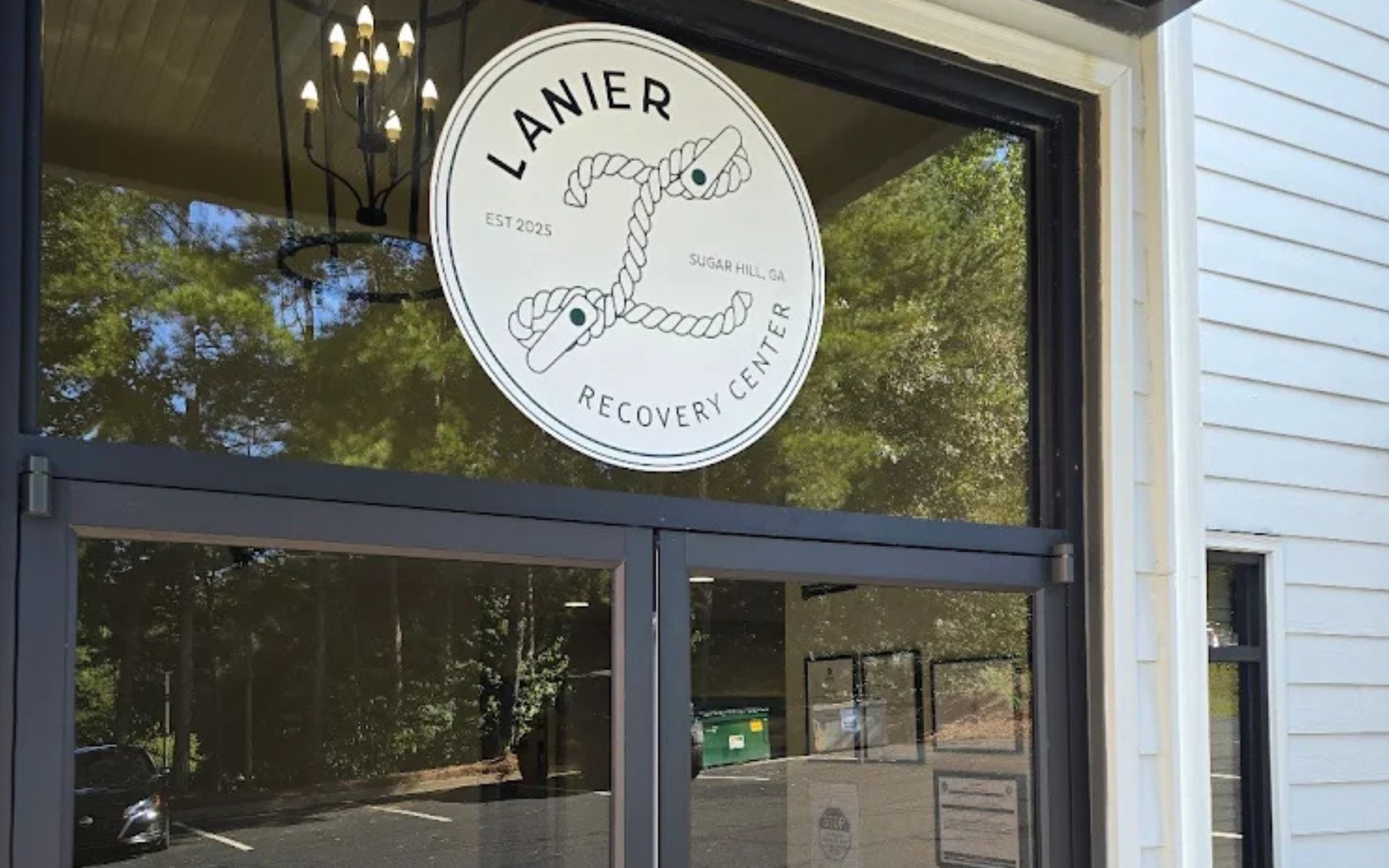
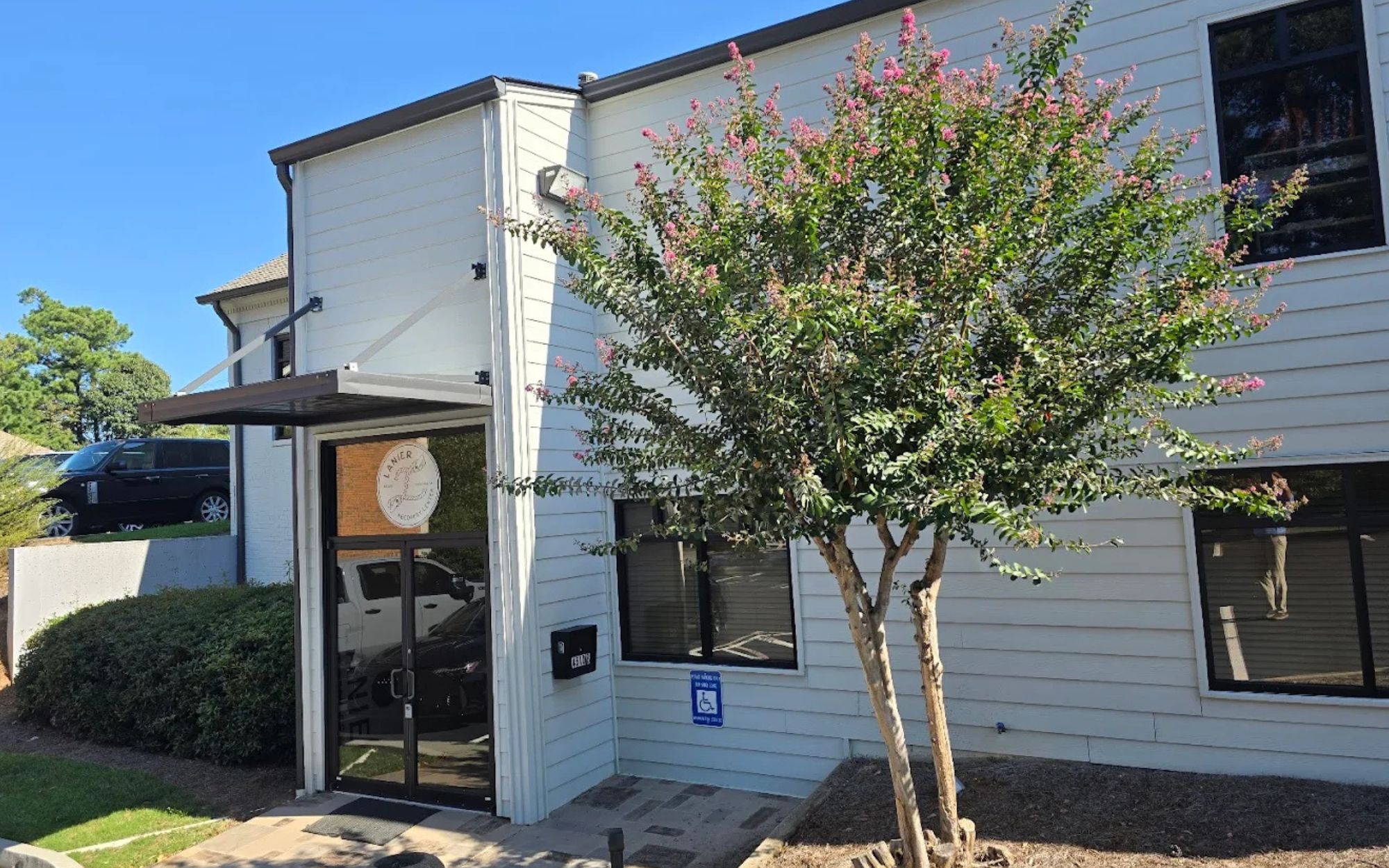
Table of Contents

Signs of shopping addiction

Recognizing the signs of a spending problem is a brave first step. Compulsive shopping often creates severe financial problems that feel impossible to solve. People frequently rely on credit cards when they lack available cash funds.

This behavior quickly leads to maxed-out credit limits and overwhelming personal debt. Acknowledging these issues requires incredible courage, and feeling ashamed is completely normal.

You might notice a distinct emotional rollercoaster attached to your daily purchases. A person will often experience a euphoric high during massive shopping sprees. Unfortunately, this temporary joy is rapidly followed by crushing guilt and deep regret.

To cope with the shame, individuals typically begin hiding their spending. You might find yourself hiding purchases from a family member to avoid a conflict.

If you are wondering whether your habits have crossed a line, look closely. Review this self-assessment checklist of common warning signs:

  • Routinely spending over your budget and neglecting essential monthly bills.
  • Constantly juggling finances or opening secret accounts to fund your purchases.
  • Hiding shopping bags, receipts, or online delivery boxes from your loved ones.
  • Using shopping as a primary way to numb feelings of sadness or anxiety.
  • Trying repeatedly to stop your spending but failing to maintain control.

If these red flags look familiar, professional individual therapy Atlanta can offer true relief. You don’t have to carry the heavy burden of financial secrecy alone. Therapy provides a safe, supportive space to untangle the emotions driving your habits.

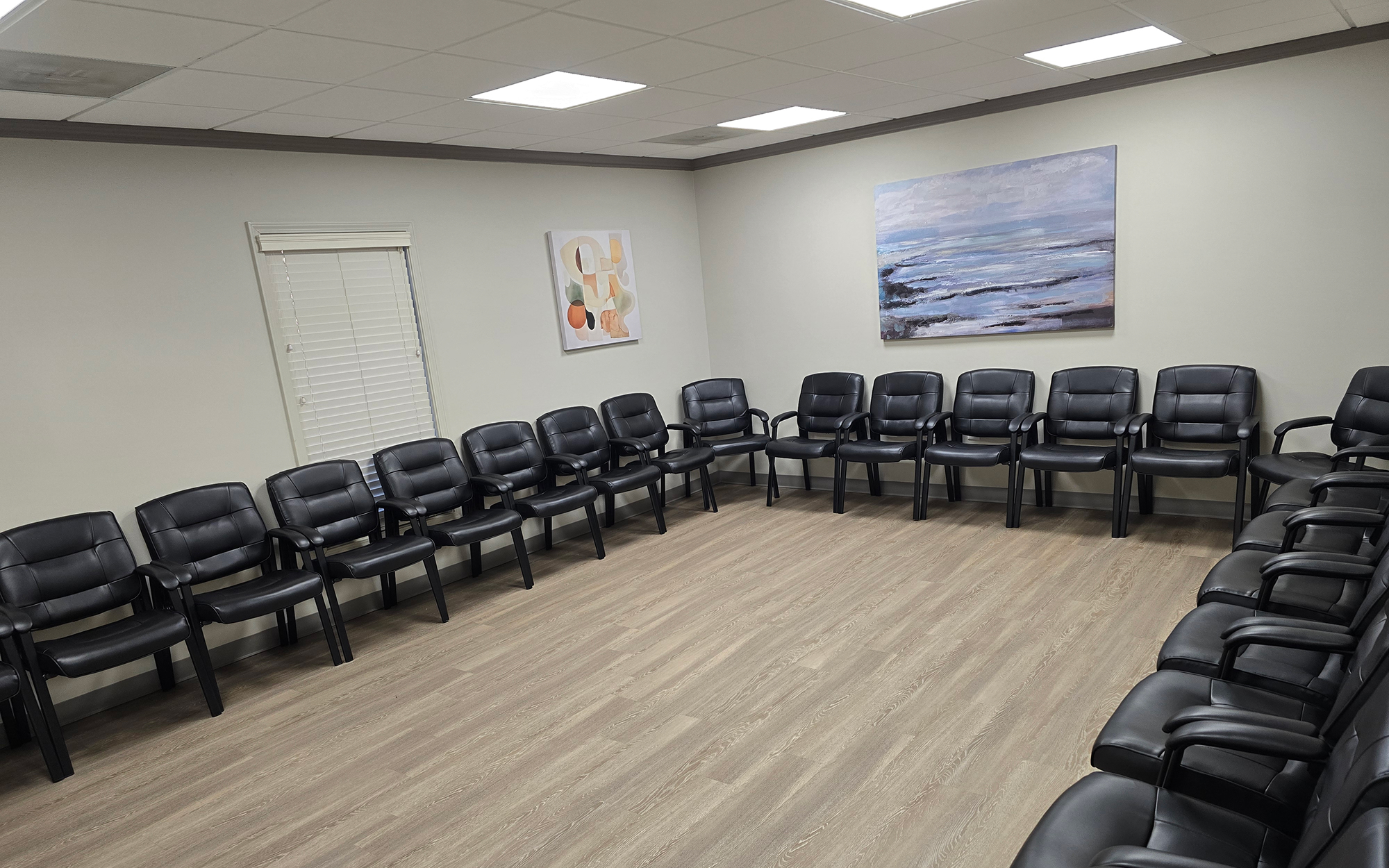
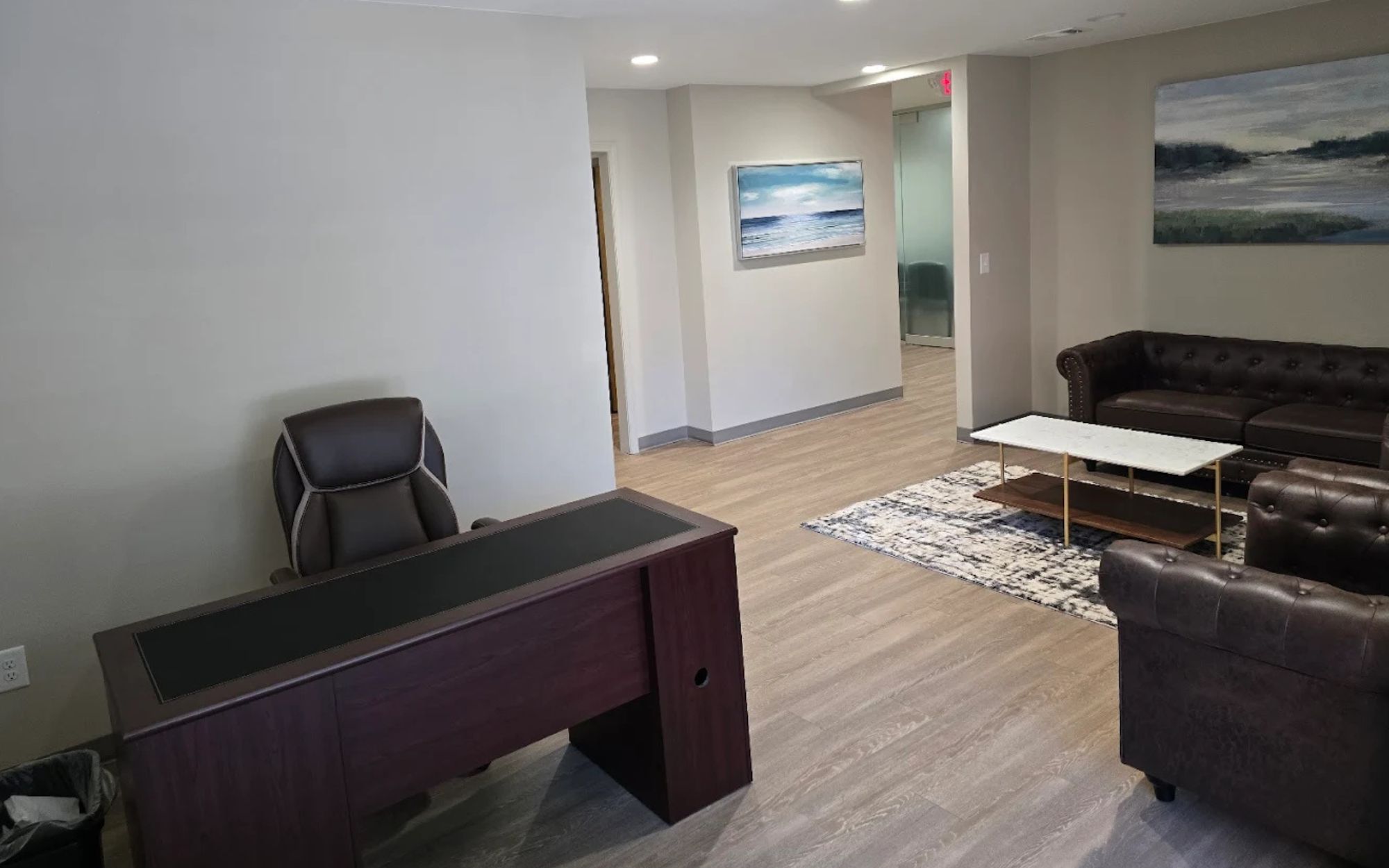
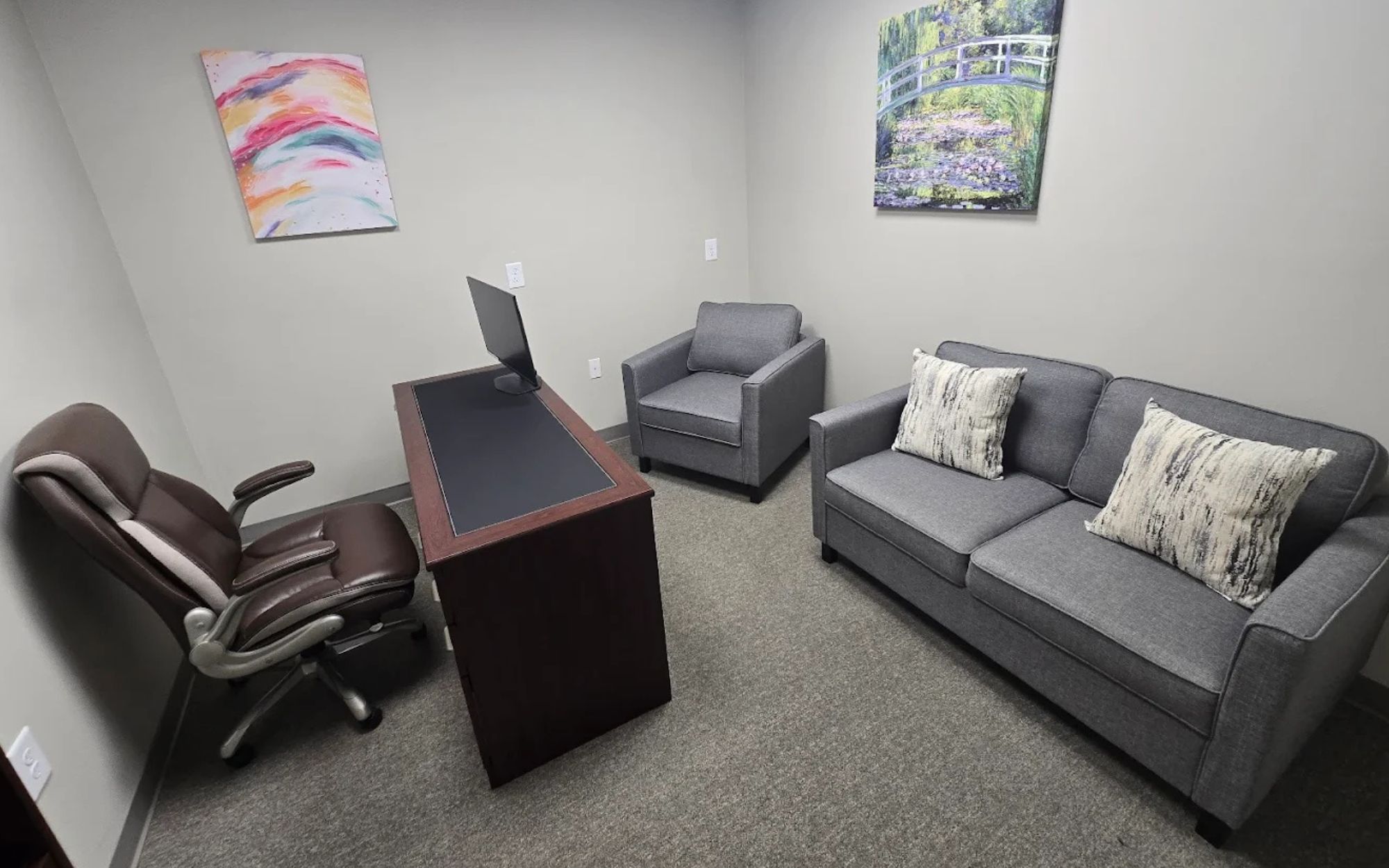
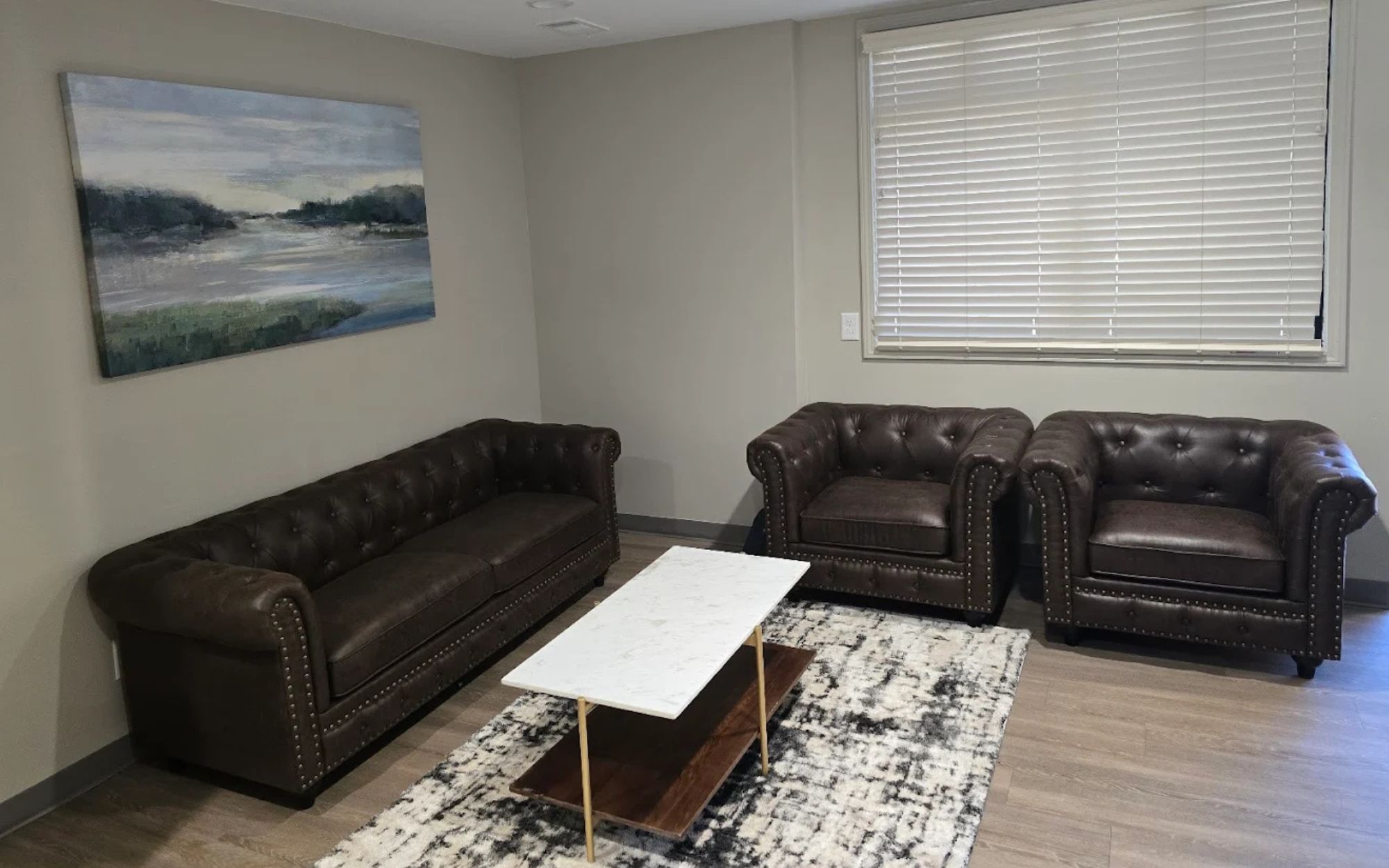
Check out our facility in Atlanta, GA

Discover why our programs are top rated today. Talk with our admissions team about the right treatment plan to bring lasting recovery.

Causes of compulsive shopping

Many people wonder why they develop such a strong, undeniable urge to shop. It is important to understand that a shopping addiction rarely happens by choice. Several deep-rooted biological and environmental factors combine to fuel these urges.

Current research indicates that 10-15% of people may be genetically predisposed. These individuals are naturally more vulnerable to behavioral addictions and impulse control issues. Often, underlying psychiatric comorbidities like anxiety or depression actively fuel these compulsive behaviors. A person might feel deeply overwhelmed by the pressures of their daily life. Buying something new creates a temporary distraction from those uncomfortable emotional feelings. Understanding these personal triggers is a crucial part of the long-term healing process.

Biological factors

The human brain heavily influences how and why we naturally choose to shop. When you anticipate a reward, your brain releases feel-good chemicals like dopamine. Dopamine and endorphins create a powerful shopper’s high that feels incredibly rewarding initially.

This surge of chemicals strongly reinforces the intense desire to keep buying. Over time, the brain’s release of these neurotransmitters becomes a powerful driving force. This process is very similar to what happens in serious substance use disorders. Your brain starts to hyperstimulate its own internal reward system entirely. The unpredictable nature of sales and discounts makes the dopamine spike even higher.

Eventually, poor impulse control takes over as the brain chases that initial euphoria. Behavioral therapy can help you safely retrain these complex neurological pathways.

Environmental factors

Our modern world is essentially designed to encourage constant, daily consumption. Environmental factors play a massive role in triggering compulsive buying behaviors everywhere. Online stores like Amazon make it totally effortless to buy items instantly.

You no longer have to leave your house to experience the emotional rush. One-click purchasing removes any natural delay between the sudden impulse and the action.

Furthermore, cultural pressures strongly push us to buy more things every day. Social media influencers and targeted advertisements constantly remind us of what we lack. Easy access to credit allows people to spend money they do not actually have. This combination of digital convenience and social pressure creates a perfect storm. It makes breaking the cycle of shopping addiction incredibly challenging without professional support.

the help you need is here

Recovery starts here

If you or someone you love is struggling with substance use or other mental health issues, Inner Voyage Recovery can help. Request a callback below to receive care and support you can trust.

"*" indicates required fields

How to stop a shopping addiction: recovery strategies

Many people desperately want to know how to stop shopping addiction behaviors entirely. Recovery takes daily commitment and a real willingness to change your routines, but small, intentional steps can make a big difference.

Create space between impulse and action

One of the most effective ways to reduce compulsive spending is by implementing a mandatory 24-hour wait rule for all purchases. This pause helps separate a genuine need from a fleeting impulse. Over time, this simple habit can disrupt automatic spending patterns and restore a sense of control.

Set clear financial boundaries

Setting firm financial limits is an essential part of long-term recovery. Try shopping only with a pre-made list and a set amount of physical cash. Leaving your credit cards at home can remove the temptation to overspend. Some individuals also find relief by temporarily handing over financial control to a trusted family member while they rebuild healthier habits.

Replace shopping with healthier coping strategies

Shopping often becomes a way to cope with stress, anxiety, or other negative emotions. That’s why it’s so important to find alternative outlets. Activities like walking outside, exercising, journaling, or calling a friend can help regulate your mood in a healthier way. Over time, your brain can begin to crave these positive experiences instead of the temporary high of making purchases.

Build a support system that keeps you grounded

Recovery isn’t something you have to do alone. Building a strong support network can help prevent relapse and reduce feelings of guilt or shame. Support groups like Spenders Anonymous offer accountability and connection with others who understand what you’re going through. Having people to lean on, especially during difficult moments, can make the healing process feel much more manageable.

Stay consistent through the ups and downs

Recovery is rarely a straight path. There will be setbacks, and that’s okay. What matters most is staying committed and continuing to show up for yourself. With consistency, support, and the right strategies in place, it is possible to rebuild control and create a healthier relationship with money and spending.

Georgia addiction treatment center

How to begin your recovery journey

We know beginning treatment can feel intimidating, so we’ve made the process simple and stress-free.

1

Get in touch
with us

Call or complete our contact form to connect with an admissions specialist who takes the time to listen and understand your situation.

2

Complete an assessment
& insurance review

Our team will review your history, discuss your needs, and confirm insurance coverage or explore self-pay options to make things easy.
3

Start your
treatment

Begin a personalized program built around your goals, supported by evidence-based care and a compassionate clinical team.

Treatment for shopping addiction

Finding the right treatment for shopping addiction can feel overwhelming at first glance. However, evidence-based care has helped many individuals regain control of their daily lives. Cognitive behavioral therapy is currently the most effective, proven treatment for shopping addiction.

This specific behavioral therapy helps you identify the negative thoughts driving your actions. It empowers you to understand your triggers and restructure your habits safely.

Therapy Method How it works Primary benefit
Cognitive behavioral therapy (CBT) Targets distorted thoughts and emotional triggers driving impulse purchases. Builds practical coping skills and reduces overall buying urges.
Support groups with peers facing similar financial and emotional struggles. Reduces shame and provides essential real-time accountability.
Individual counseling Explores deep-rooted trauma, anxiety, or depression in a private setting. Uncovers the root causes of compulsive behaviors safely.
Medication management Uses prescribed medications to treat underlying co-occurring mental health issues. Stabilizes mood to make therapy sessions more effective.

It’s important to note that individual adherence and personal recovery results vary. Cognitive behavioral therapy in Atlanta may help you achieve lasting, meaningful change. Group therapy Atlanta formats are especially beneficial for building accountability and reducing social isolation.

Participating in these programs allows you to practice new skills with other people. Peer support often makes the difficult moments of recovery feel much more manageable. Currently, there is no FDA-approved medication designed specifically for shopping addiction recovery. Despite this, medical professionals sometimes utilize pharmacological options to assist the healing process. Doctors may prescribe medications like antidepressants or mood stabilizers during your care.

These prescriptions are typically used to treat underlying conditions like severe anxiety. Research from the National Institutes of Health supports combining therapy with comprehensive care. Treating the whole person always yields the best long-term outcomes for behavioral addictions.

What sets lanier recovery center apart

Our approach to addiction and mental health treatment is built on comprehensive care, compassionate support, and individualized recovery paths that lead to lasting change.

Depth

We go beyond surface-level treatment to address the root causes of addiction and mental health challenges for lasting healing.

Support

Our compassionate team provides steady guidance, encouragement, and care at every stage of the recovery journey.

Strength

Through personalized therapy and skill-building, we help individuals rediscover confidence and inner resilience.

Accountability

We create structured support systems that promote responsibility, consistency, and long-term recovery success.

Aftercare

Our aftercare planning and alumni support ensure continued connection and stability long after treatment ends.

Flexibility

We offer adaptable treatment options that fit real-life responsibilities while maintaining consistent, high-quality care.

Rehab for shopping addiction: outpatient vs. residential care

When exploring rehab for shopping addiction, you generally have two main, proven paths. You can choose a highly structured outpatient program or a residential treatment facility. Outpatient programs allow you to live at home while attending therapy sessions weekly.

Residential treatment: a fully immersive environment

Residential care requires you to stay at a facility for around-the-clock medical support. Both options aim to help you heal, but they serve very different needs. A residential program is excellent for those needing a completely controlled, safe environment if dealing with a dual diagnosis. It removes you from daily triggers and provides intensive daily therapies. However, an intensive outpatient program is often perfect for busy, working adults.

Outpatient rehab: flexibility for daily life

Outpatient rehab Atlanta GA lets you maintain your career while recovering safely. You can practice your new coping skills in real-world situations every single day. The setting of your shopping addiction treatment center matters greatly for your success. Lanier Recovery Center is beautifully located in Suwanee, near the peaceful Lake Lanier. This location offers North Atlanta professionals a vital separation from stressful urban triggers.

The natural environment provides a quiet, calming space to focus entirely on healing. Yet, it remains close enough to Atlanta to allow for vital family involvement. Choosing a suburban facility gives you the best of both recovery worlds. You avoid the city’s chaotic triggers during your sensitive early recovery. At the same time, your loved ones can easily attend family therapy sessions.

Sometimes, a professional intervention is needed to help a loved one accept help. A calming environment makes taking that difficult first step feel much safer.

Lanier Recovery Center can help you
We understand that getting help for addiction can be challenging. Start with a free addiction assessment today.

Frequently asked questions

Shopping addiction, also called compulsive buying disorder, is a recognized mental health condition where a person feels an uncontrollable urge to spend money, often despite negative consequences. While many people enjoy shopping as a recreational activity, compulsive shopping goes beyond that. It can lead to credit card debt, strained personal relationships, and emotional distress tied to guilt and shame after making purchases.

Common signs of shopping addiction include excessive shopping, hiding purchases from family members, spending money you don’t have, and using online stores or online shopping as a way to cope with negative emotions like anxiety or depression. Over time, these shopping behaviors can disrupt everyday life, leading to financial problems and deeper emotional struggles.

Shopping addiction treatment typically involves a personalized treatment plan that includes individual therapy, group therapy, and sometimes family involvement. Therapy focuses on improving impulse control, addressing addictive behaviors, and developing healthier coping strategies. In many cases, treatment also addresses co occurring disorders such as anxiety, depression, or even substance use disorder, since these conditions often overlap.

While compulsive buying disorder is not formally listed as its own diagnosis in the Diagnostic and Statistical Manual of Mental Disorders by the American Psychiatric Association, it is widely acknowledged in clinical psychiatry and research, including discussions in journals like World Psychiatry. It is often categorized under behavioral addictions or impulse control issues, and many professionals treat it using similar approaches to other addictions.

Yes, with the right addiction treatment and support, recovery is absolutely possible. Many people learn to manage compulsive spending, rebuild healthier spending habits, and repair relationships with loved ones. Through therapy, support groups, and ongoing care, individuals can move in the right direction, reduce negative feelings, and create a more stable and balanced life.

Lanier Recovery Center’s top values

Every treatment will be uniquely tailored to you, because you’re unique.

Sober living

Our team is 100% sober, including from Alcohol. We help our clients achieve sobriety and stick to it through thick and thin, because sobriety is the foundation of a fulfilling life.

Integrity

Our team is 100% sober, including from Alcohol. We help our clients achieve sobriety and stick to it through thick and thin, because sobriety is the foundation of a fulfilling life.

Everyone belongs

Our team is 100% sober, including from Alcohol. We help our clients achieve sobriety and stick to it through thick and thin, because sobriety is the foundation of a fulfilling life.

Limitless potential

Our team is 100% sober, including from Alcohol. We help our clients achieve sobriety and stick to it through thick and thin, because sobriety is the foundation of a fulfilling life.

Shopping addiction treatment is available

Healing from a behavioral addiction is a courageous and deeply personal process. You do not have to let financial worry and emotional distress define your future. With compassionate professional support, you can learn to manage your triggers effectively. Rebuilding healthy habits takes time, but the peace of mind is truly worth it. If you are ready to reclaim your life, contact us for guidance. Our suburban Atlanta team is here to listen without any judgment. Call us today at (470) 470-5697 to discuss your options confidentially. Find out how Lanier Recovery Center can help you step toward lasting stability.

If you’re looking for more information, connect with our team by phone, email, or through our online form. We’re here to answer your questions, talk through your options, and support you as you begin your path toward lasting recovery.

Sources

National Institutes of Health. A review of compulsive buying disorder – PMC – NIH. PubMed Central.

University of North Carolina. [PDF] Compulsive Shopping Disorder: Is It Real And Can It Be Measured?. UNC Digital Repository.

National Institutes of Health. (March 8, 2022). Compulsive buying gradually increased during the first six months of …. PubMed Central.

National Institutes of Health. (August 17, 2025). The relationship between compulsive shopping behavior, family …. PubMed Central.

National Institutes of Health. (January 1, 2012). The case for compulsive shopping as an addiction – PubMed. PubMed.

Baylor College of Medicine. (November 24, 2025). Ease your shopping addiction this holiday season | BCM. Baylor College of Medicine.

National Institutes of Health. (February 27, 2024). Psychosocial Functioning of Individuals at Risk of Developing … – PMC. PubMed Central.

National Institutes of Health. (September 17, 2016). Treatments for compulsive buying: A systematic review of the quality …. PubMed Central.

National Institutes of Health. (November 3, 2022). Therapeutic management of buying/shopping disorder: A systematic …. PubMed Central.

Substance Abuse and Mental Health Services Administration. (June 9, 2023). National Helpline for Mental Health, Drug, Alcohol Issues – SAMHSA. SAMHSA.

National Center for Biotechnology Information. (November 7, 2017). Summary of Evidence – Inpatient and Outpatient Treatment … – NCBI. NCBI Bookshelf.

Centers for Medicare & Medicaid Services. Mental health & substance use disorders – Medicare. Medicare.gov.

National Institutes of Health. (December 18, 2019). Access to specialty healthcare in urban versus rural US populations. PubMed Central.

University of Colorado Boulder. (May 29, 2024). 4 ways to avoid overspending | Health & Well-Being. University of Colorado Boulder.

Harvard Health Publishing. (February 13, 2021). Five action steps for quitting an addiction – Harvard Health. Harvard Health.

Pepperdine University. (March 2, 2019). Behavioral Addiction Recovery: A Guide for Families, Friends …. Pepperdine University.

National Institute on Drug Abuse. (July 6, 2020). Treatment and Recovery | National Institute on Drug Abuse (NIDA). National Institute on Drug Abuse.

City of Marietta, GA. Active Substance Support Intervention Solution Team (A.S.S.I.S.T. …. City of Marietta, GA.

Georgia Department of Behavioral Health and Developmental Disabilities. (July 8, 2021). Georgia Recovery Project. Georgia DBHDD.

Centers for Disease Control and Prevention. Recovery Consultants of Atlanta Incorporated. CDC.

Georgia Department of Behavioral Health and Developmental Disabilities. (November 10, 2014). Achieving a Life of Recovery | Georgia Department of Behavioral …. Georgia DBHDD.

Fulton County Government. Behavioral Health and Developmental Disabilities. Fulton County, GA.

we are here for you

Get the help you need today.

Together, we can help you build a brighter future of wellness.

Free & easy insurance check

alliant
care source
multiplan
united healthcare
cigna
beacon
bluecross
tricare

Request a confidential call

"*" indicates required fields

This field is for validation purposes and should be left unchanged.
Preferred method*
Get Treatment For All Your Healthcare Needs

Other what we treat

Request A Confidential Call

Request a call and an Lanier Recovery Center team member will be in touch.

"*" indicates required fields