Request a call to speak with an admissions specialist. We are here to help you.

"*" indicates required fields

Process addiction therapy and treatment

If you’ve ever found yourself stuck in a loop, knowing a habit is hurting you but feeling powerless to stop, you’re not alone. Compulsive behaviors like gambling, gaming, or shopping can be as overwhelming as any substance addiction, and the struggle to break free is real. The good news is that process addiction is a recognized mental health condition, and with the right support and evidence-based treatment, steady and lasting change is within reach. Here, you’ll learn what process addiction is, why it happens, and how compassionate care can help you or your loved one start a healthier, more hopeful chapter.
Free Insurance Check

Free & Confidential | HIPPA Compliant | No Obligation

"*" indicates required fields

1
2
3
4
This field is for validation purposes and should be left unchanged.
process addiction treatment

What is a process addiction?

A process addiction is a severe mental health condition where a person feels an intense compulsion to repeat a specific behavior. These behavioral addictions often continue even when they cause significant harm to a person’s relationships, finances, or career. People suffering from this condition often feel a deep sense of shame. However, this struggle is absolutely a chronic brain disorder and not a moral failing.

Many people wonder how these conditions differ from typical substance abuse issues. When a person uses drugs or alcohol, they introduce external chemicals into their body. Process addictions work differently by triggering the brain’s internal reward circuitry. The simple act of gambling, gaming, or shopping releases a massive flood of dopamine. Over time, the brain requires more of that behavior to feel the same level of satisfaction.

This neural pathway disruption mimics what happens in severe substance use disorders. Because the symptoms overlap so closely, proper clinical assessment is vital. The DSM-5 officially recognizes gambling disorder under its addiction category. If you suspect an issue, seeking dual diagnosis treatment Atlanta professionals can provide you with a clear path forward. Medical research detailing the Expanding the Definition of Addiction: DSM-5 vs. ICD-11 confirms that these behaviors require serious, compassionate care.

Table of Contents

Common types of process addictions

Process addictions can take many different forms in everyday life. Almost any highly rewarding behavior can become compulsive for a vulnerable individual. The most widely recognized types include gambling addiction, internet addiction, sex addiction, eating disorders, and exercise addiction. While these activities are normal in moderation, they become dangerous when they take over your daily routine.

Addiction type Core compulsive behavior Potential life impacts
Gambling Addiction Uncontrollable urge to bet money despite losses. Severe financial ruin, legal issues, and broken trust.
Internet and Gaming Spending excessive hours online or gaming. Social isolation, job loss, and poor physical health.
Sex Addiction Compulsive sexual thoughts and risky acts. Damaged relationships, health risks, and deep shame.
Compulsive Shopping Buying items excessively to cope with stress. Crushing debt, hoarding, and marital conflicts.
Exercise Addiction Working out past the point of physical injury. Joint damage, exhaustion, and neglecting daily duties.

Current studies estimate that gambling and internet addictions affect roughly two percent of the general population. This means millions of adults struggle silently with these burdens every single day. The impact of these disorders extends far beyond the individual, often creating a ripple effect that damages family bonds. Identifying the specific type of addiction is the first step toward effective healing.

It’s important to remember that having an intense hobby does not automatically equal an addiction. A clinical diagnosis looks at the negative consequences and the inability to stop. Professionals look for patterns of distress and functional impairment. Treatment plans are then tailored to the specific behavior and the underlying emotional pain.

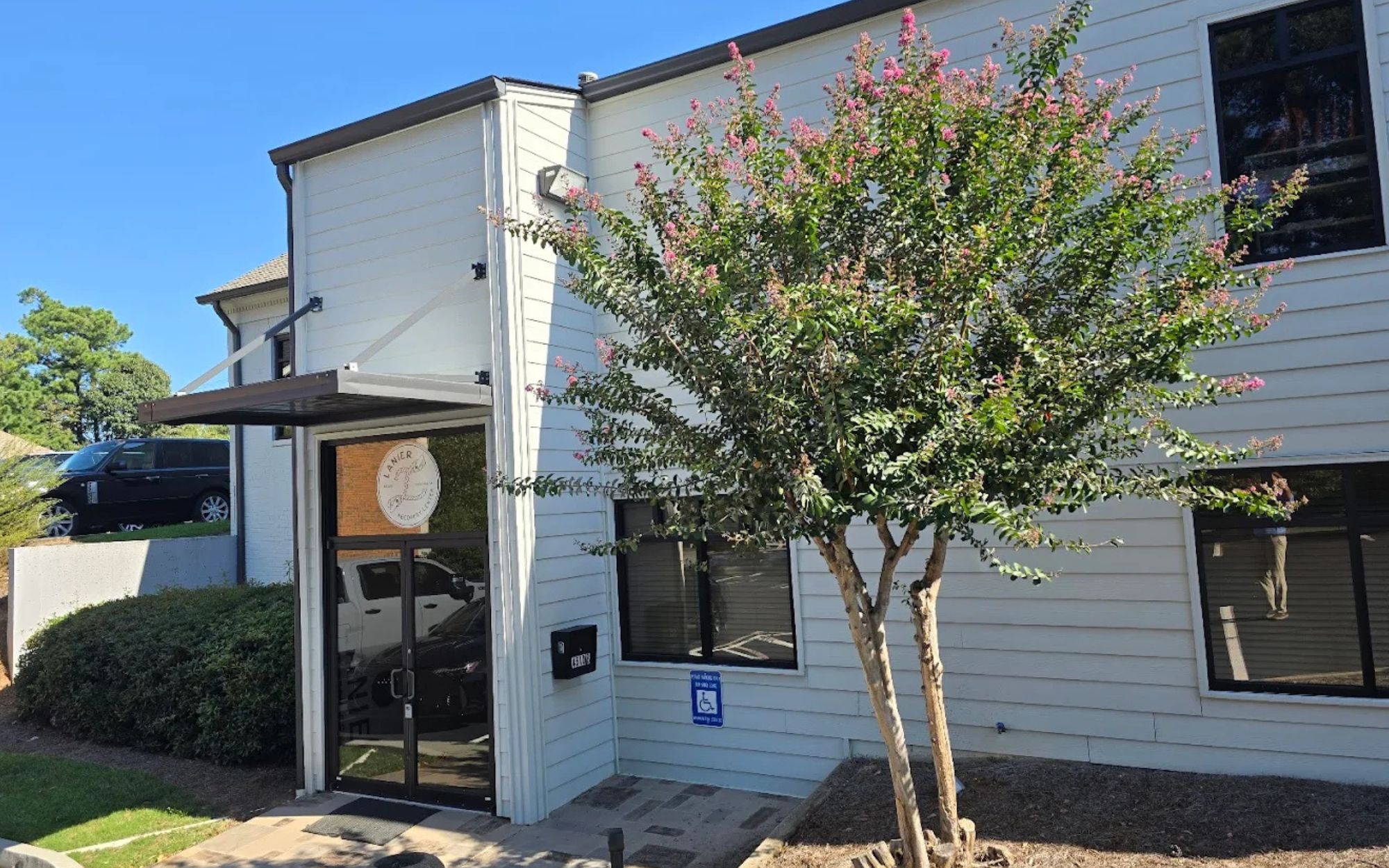
Check out our facility in Atlanta, GA

Discover why our programs are top rated today. Talk with our admissions team about the right treatment plan to bring lasting recovery.

Signs and symptoms of process addiction

Recognizing the problem is always the most important first step toward getting help. Process addictions share a strong behavioral component with chemical dependency. A comprehensive clinical assessment can determine if a habit has crossed the line into a formal disorder.

Please review this checklist of universal warning signs gently and honestly:

  • Loss of control: Trying repeatedly to quit or cut back on the behavior without success.
  • Neglecting responsibilities: Missing work, skipping school, or failing to care for children.
  • Hiding behaviors: Lying to loved ones or sneaking around to engage in the activity.
  • Continuing despite harm: Keeping up the behavior even after facing financial or legal trouble.
  • Preoccupation: Experiencing obsessive thoughts or an overwhelming impulse to act out.
  • Withdrawal symptoms: Feeling intense irritability, anxiety, or depression when unable to participate.
  • Tolerance building: Needing to spend more time or money to get the same emotional relief.

If you recognize these Signs and Symptoms in yourself or a loved one, please do not panic. Admitting there is a struggle takes incredible courage. Acknowledging the truth allows you to break the cycle of secrecy. Compassionate professionals are ready to help you navigate this complex behavioral component. Healing is entirely possible once you take that brave first step.

the help you need is here

Recovery starts here

If you or someone you love is struggling with substance use or other mental health issues, Inner Voyage Recovery can help. Request a callback below to receive care and support you can trust.

"*" indicates required fields

Causes and risk factors for behavioral addiction

What exactly causes a process addiction to develop in the first place? There is never one single cause, but rather a complex blend of genetics, environment, and psychology. Many people have a genetic predisposition that makes their brains more vulnerable to addiction. When this biological risk is triggered by environmental factors, compulsive behaviors often emerge.

Underlying stress and emotional trauma play massive roles in the development of these disorders. When someone experiences deep psychological pain, their brain actively searches for relief. Highly rewarding behaviors provide a temporary escape from that distress. Unfortunately, this escape mechanism quickly hijacks the brain’s dopamine reward pathways.

For many working professionals, the relentless pace of urban life and its stressors can be overwhelming. Coping with long commutes, financial pressure, and career demands can push someone toward unhealthy habits. A behavior that starts as a simple distraction can quickly evolve into a primary coping mechanism. The brain learns that this behavior guarantees a quick dopamine rush.

Understanding these causes removes the stigma of weakness or moral failure. A person with a behavioral addiction is often just trying to survive heavy emotional burdens. Identifying the root causes, especially unhealed trauma, is vital for long-term recovery. By addressing the core pain, individuals can learn healthier ways to manage their daily stress.

Georgia addiction treatment center

How to begin your recovery journey

We know beginning treatment can feel intimidating, so we’ve made the process simple and stress-free.

1

Get in touch
with us

Call or complete our contact form to connect with an admissions specialist who takes the time to listen and understand your situation.

2

Complete an assessment
& insurance review

Our team will review your history, discuss your needs, and confirm insurance coverage or explore self-pay options to make things easy.
3

Start your
treatment

Begin a personalized program built around your goals, supported by evidence-based care and a compassionate clinical team.

Co-occurring disorders with substance abuse

Process addictions frequently co-occur with drug and alcohol addictions. It’s very common for someone struggling with compulsive gambling to also battle a substance use disorder. In fact, clinical studies suggest co-occurrence rates can reach up to 40 percent with other addictions, though individual experiences differ. This overlap happens because both types of addiction exploit the exact same neural pathways.

Treating a behavioral disorder while ignoring a substance addiction is a recipe for failure. If only one issue is addressed, the untreated condition acts as a massive relapse trigger. For instance, alcohol can lower inhibitions and send someone right back to compulsive gaming or shopping. A comprehensive dual diagnosis treatment approach is absolutely essential for lasting success.

By treating the whole person simultaneously, care teams can stabilize brain chemistry and build better coping skills. If you are struggling with a complex case, finding specialized alcohol treatment Atlanta professionals can provide integrated support. Addressing a substance addiction alongside a process addiction ensures a much stronger foundation for recovery. Healing from co-occurring disorders takes time, but it offers the most durable path to reclaiming your life.

What sets lanier recovery center apart

Our approach to addiction and mental health treatment is built on comprehensive care, compassionate support, and individualized recovery paths that lead to lasting change.

Depth

We go beyond surface-level treatment to address the root causes of addiction and mental health challenges for lasting healing.

Support

Our compassionate team provides steady guidance, encouragement, and care at every stage of the recovery journey.

Strength

Through personalized therapy and skill-building, we help individuals rediscover confidence and inner resilience.

Accountability

We create structured support systems that promote responsibility, consistency, and long-term recovery success.

Aftercare

Our aftercare planning and alumni support ensure continued connection and stability long after treatment ends.

Flexibility

We offer adaptable treatment options that fit real-life responsibilities while maintaining consistent, high-quality care.

Process addiction treatment options

Effective treatment for behavioral disorders requires a holistic and deeply personalized approach. There are no guaranteed quick cures for addiction, but there are highly effective methods for managing it. A quality treatment program views recovery as a continuous journey of healing and self-discovery. By treating the underlying causes, individuals can rebuild their lives on a solid foundation.

Stepping away from the chaos of the city can be incredibly beneficial for this journey. Utilizing a structured suburban treatment environment provides crucial separation from daily triggers. It allows you to focus entirely on your mental health without the constant noise of urban life. This physical distance often brings mental clarity, making addiction treatment much more effective.

Therapy approaches

The core of behavioral recovery relies heavily on evidence-based psychotherapy. These structured methods help individuals understand the connection between their thoughts, feelings, and actions. Therapists work collaboratively with clients to untangle years of deeply ingrained habits.

Cognitive-behavioral therapy is often considered the gold standard for process addiction therapy. This approach helps individuals rewire their responses to environmental triggers and intense cravings. By challenging irrational thoughts, clients build much healthier coping mechanisms. If you are looking for local support, connecting with cognitive behavioral therapy Atlanta specialists can provide excellent guidance.

Group therapy Atlanta is another incredibly powerful tool in the healing process. Sharing experiences with peers breaks the terrible isolation that addiction creates. Additionally, trauma-focused therapy addresses the painful root causes that drive compulsive behaviors. Together, these therapy approaches create a comprehensive safety net for sustained, long-term recovery.

Lanier Recovery Center can help you
We understand that getting help for addiction can be challenging. Start with a free addiction assessment today.

Frequently asked questions

Process addiction, also called behavioral addiction, refers to compulsive behaviors that don’t involve substances but still create an emotional high. Unlike substance use disorder, which involves drugs or alcohol, process addiction centers around certain behaviors like gambling, shopping, sexual activity, or internet use. Even though no substance is involved, the brain responds in a similar way—chasing pleasurable feelings while ignoring negative consequences. Over time, these addictive behaviors can impact mental health, relationships, and daily life just as seriously as substance addictions.

Common process addictions include gambling addiction, shopping addiction, sex addiction, internet addiction, exercise addiction, and even food addiction or binge eating. These behaviors may start as coping mechanisms or ways to deal with difficult emotions, but they can become compulsive over time. Many individuals find themselves going to great lengths to continue the behavior, even when it begins to negatively affect their social life, finances, or mental health.

There isn’t just one cause; process addiction is usually linked to a mix of risk factors. Childhood trauma, past trauma, mental health disorders like depression or anxiety, and other co-occurring conditions can all play a role. For many people, these behaviors become a way to cope with negative emotions or escape negative thoughts. Over time, the brain starts to associate these actions with relief or positive feelings, reinforcing the cycle and making it harder to stop.

Some common symptoms include a strong impulse to engage in the behavior, unsuccessful attempts to stop, and continuing despite negative consequences. You might notice that the behavior is taking up more of your time, affecting your responsibilities, or interfering with your relationships. People struggling with process addiction often feel stuck in a cycle of chasing an emotional high while also dealing with shame, anxiety, or depression afterward.

Treatment for behavioral addictions often involves therapy, especially cognitive behavioral therapy (CBT), which helps identify and change unhealthy thought patterns. Treatment plans may also include counseling, support for co-occurring mental health conditions, and learning healthy coping skills to manage difficult emotions. Addiction treatment programs that address both substance abuse and behavioral addictions can be especially helpful, providing a structured path toward long-term recovery and emotional balance.

Lanier Recovery Center’s top values

Every treatment will be uniquely tailored to you, because you’re unique.

Sober living

Our team is 100% sober, including from Alcohol. We help our clients achieve sobriety and stick to it through thick and thin, because sobriety is the foundation of a fulfilling life.

Integrity

Our team is 100% sober, including from Alcohol. We help our clients achieve sobriety and stick to it through thick and thin, because sobriety is the foundation of a fulfilling life.

Everyone belongs

Our team is 100% sober, including from Alcohol. We help our clients achieve sobriety and stick to it through thick and thin, because sobriety is the foundation of a fulfilling life.

Limitless potential

Our team is 100% sober, including from Alcohol. We help our clients achieve sobriety and stick to it through thick and thin, because sobriety is the foundation of a fulfilling life.

Help is available for process addiction with Lanier Recovery

If you are an Atlanta resident looking to transition back into daily life, structured support is available. Engaging with outpatient rehab Atlanta GA programs can help you safely practice your new coping skills. A comprehensive clinical assessment will help determine exactly which level of care fits your unique situation.

Living with a process addiction can feel incredibly isolating, but real healing is always possible. By understanding the underlying causes and recognizing the signs early, you can break the cycle of compulsion. Integrated care addresses both the behavioral patterns and any co-occurring mental health struggles simultaneously. Please reach out to Lanier Recovery Center today by calling (470) 470-5697. Our compassionate team is ready to provide a confidential assessment and build a personalized care plan that supports your family’s specific needs.

If you’re looking for more information, connect with our team by phone, email, or through our online form. We’re here to answer your questions, talk through your options, and support you as you begin your path toward lasting recovery.

Sources

National Institutes of Health. (May 6, 2016). Expanding the Definition of Addiction: DSM-5 vs. ICD-11. PMC.

Old Dominion University. [No date]. The Emergence of Behavioral Addiction in DSM-5. Old Dominion University.

National Institutes of Health. (September 29, 2013). Non-substance addictive behaviors in the context of DSM-5. PMC.

National Center for Biotechnology Information. (1996). Neuroscience – Pathways of Addiction. NCBI Bookshelf – NIH.

National Center for Biotechnology Information. (November 3, 2016). THE NEUROBIOLOGY OF SUBSTANCE USE, MISUSE, AND ADDICTION. NCBI.

[No author]. [No date]. Introduction to Behavioral Addictions. PMC – NIH.

National Institutes of Health. (February 1, 2025). Current Advances in Behavioral Addictions. PubMed.

National Center for Biotechnology Information. (January 1, 1999). Pathological and Problem Gamblers in the United States. NCBI – NIH.

National Institutes of Health. (March 8, 2023). Risk Factors for Gambling Disorder: A Systematic Review. PMC.

National Institutes of Health. (October 26, 2016). Problem gambling worldwide: An update and systematic review of empirical research. PMC.

National Center for Biotechnology Information. (April 25, 2020). Common Comorbidities with Substance Use Disorders. NCBI.

National Institutes of Health. (September 3, 2016). Cumulative burden of comorbid mental disorders, substance use disorders, chronic medical conditions, and poverty on health among adults in the USA. PMC.

National Institutes of Health. (March 9, 2019). How Social Relationships Influence Substance Use Disorder Recovery: A Collaborative Narrative Study. PMC.

National Center for Biotechnology Information. (January 1, 2019). Chapter 2—Influence of Substance Misuse on Families. NCBI.

National Institutes of Health. (January 13, 2021). The Relationship between the Family Functioning of Individuals with Substance Use Disorders and Relapse Tendency. PMC.

National Institutes of Health. (March 1, 2007). Exploring the relationship between genetic and environmental influences on initiation and progression of substance use. PMC.

National Institutes of Health. (March 23, 2021). Understanding the genetics and neurobiological pathways behind addiction. PMC.

National Institute on Drug Abuse. (March 22, 2023). New NIH study reveals shared genetic markers underlying substance use disorders. National Institute on Drug Abuse.

National Institutes of Health. (March 6, 2026). Trauma‐Related Compulsions in Obsessive‐Compulsive Disorder. PMC.

Philadelphia College of Osteopathic Medicine. [No date]. THE IMPACT OF TRAUMA ON EXPOSURE AND RESPONSE PREVENTION FOR OCD. Philadelphia College of Osteopathic Medicine.

National Institutes of Health. (December 9, 2024). Impact of traumatic experiences on obsessive-compulsive disorder. PMC.

National Center for Biotechnology Information. (November 17, 2016). EARLY INTERVENTION, TREATMENT, AND MANAGEMENT OF SUBSTANCE USE DISORDERS. NCBI.

Substance Abuse and Mental Health Services Administration. (June 9, 2023). National Helpline for Mental Health, Drug, Alcohol Issues. SAMHSA.

National Institutes of Health. (September 14, 2019). Adolescent Substance Use Disorder Treatment. PMC.

National Institutes of Health. (June 1, 2014). Substance Abuse Intensive Outpatient Programs: Assessing the Evidence. PMC.

National Institutes of Health. [No date]. Evidence Based Psychosocial Interventions in Substance Use. PMC.

we are here for you

Get the help you need today.

Together, we can help you build a brighter future of wellness.

Free & easy insurance check

alliant
care source
multiplan
united healthcare
cigna
beacon
bluecross
tricare

Request a confidential call

"*" indicates required fields

This field is for validation purposes and should be left unchanged.
Preferred method*
Get Treatment For All Your Healthcare Needs

Other what we treat

Request A Confidential Call

Request a call and an Lanier Recovery Center team member will be in touch.

"*" indicates required fields