

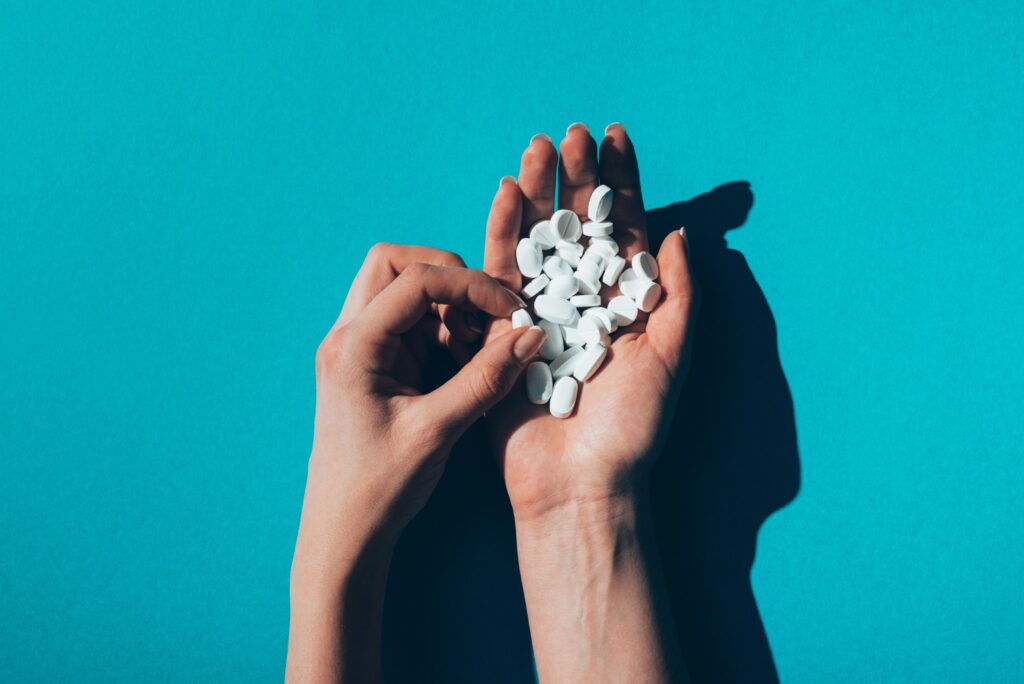
You may have heard the name Captagon in the news, often linked to conflict zones, but you might not know what it actually is or why it’s so dangerous. It’s easy to feel overwhelmed or confused by the headlines. If you’re worried that Captagon addiction is affecting you or someone you care about, getting clear, straightforward information is the first step.
What are Captagon and Fenethylline?
Captagon is the original brand name for fenethylline, a synthetic stimulant developed in Germany in the 1960s. Initially, it was prescribed for conditions like narcolepsy and hyperactivity. What makes fenethylline unique is how it works in the body. After someone takes it, it metabolizes into two other substances: amphetamine (about 24.5% of the dose) and theophylline (about 13.7% of the dose).
This combination creates a powerful stimulant effect. While it started as a legitimate medication, its potential for abuse led to it being banned in most countries by the 1980s. Since then, it has become an illicit drug, with counterfeit Captagon pills produced and trafficked on a massive scale. Its history shows a clear shift from a medical tool to a substance associated with widespread amphetamine abuse.
Side Effects and the Impact of Captagon on Health
As a powerful stimulant, Captagon creates significant changes in both the mind and body. The effects can be felt almost immediately, but with continued use, the drug abuse can cause lasting damage. Understanding the difference between the short-term feelings it produces and the long-term health risks is crucial for recognizing the dangers of Captagon addiction.
Short-Term Side Effects
So, what does Captagon feel like? People who use it are often seeking a specific set of effects. These can include feelings of euphoria, a major boost in energy and alertness, and becoming much more talkative. It also strongly suppresses appetite. However, these desired effects come with a list of negative ones that can be just as immediate and intense.
- Increased heart rate and blood pressure
- Anxiety and irritability
- Insomnia and sleep disturbances
- Restlessness and agitation
The lack of sleep is particularly common. In one survey of people who use Captagon, an overwhelming 92.9% reported experiencing insomnia. This inability to rest can quickly worsen other side effects like anxiety and paranoia.
Long-Term Health Consequences of the Drug Captagon
Over time, consistent Captagon abuse leads to severe health consequences. The risk of developing a psychological dependence is high, pulling a person into a cycle of drug addiction that becomes harder and harder to break. The brain adapts to the drug, requiring more of it to achieve the same effect, which increases the risk of overdose. Long-term use is also linked to serious mental health issues, including intense paranoia, hallucinations, and psychosis.
One study found that over a quarter of men in treatment for Captagon addiction developed delusions. The physical toll is just as serious. Chronic use of stimulants like Captagon puts immense strain on the cardiovascular system and is associated with a higher risk of myocardial infarction, or heart attack, according to the National Institutes of Health’s article on the cardiovascular complications of amphetamine use.
Sign Someone Is Struggling with Captagon Pills
It can be tough to watch someone you care about change, especially when you suspect substance abuse might be the cause. Recognizing the signs of addiction is the first step toward helping them, and yourself. The changes are often subtle at first but become more obvious over time. These signs of Captagon use can generally be grouped into three categories:
- Behavioral Signs: You might notice the person withdrawing from friends and family or losing interest in hobbies they once loved. They may struggle with money, neglect responsibilities at work or home, and become secretive about where they’re going or who they’re with.
- Physical Signs: Captagon abuse often causes dramatic weight loss due to appetite suppression. A person might go for long periods without sleeping, leading to exhaustion and a disheveled appearance. Other physical symptoms include dental problems, excessive energy, and visible restlessness.
- Psychological Signs: One of the most noticeable changes is in their mood. You might see extreme mood swings, from euphoria to deep irritability or anger. Agitation, paranoia, and confusion are also common psychological red flags indicating a struggle with substance abuse.
If you recognize these signs in yourself or a loved one, know that compassionate help is available. The journey to recovery often starts with a single, brave conversation.
Treatment Options for Captagon Addiction and Other Prescription Drugs
If you or someone you love is struggling with Captagon addiction, it’s important to know that recovery is absolutely possible. The idea of treatment can feel intimidating, but it’s a path built on support, compassion, and proven methods. Captagon overuse can be treated successfully, and the process is designed to help you regain control of your life.
It typically begins with managing the physical aspects of dependence and then moves into addressing the psychological roots of the addiction through therapies like cognitive behavioral therapy and dialectical behavioral therapy, which are effective for stimulant recovery.
Medically Supervised Detoxification
The first step in the treatment journey is often drug detoxification. This process allows the body to safely clear the stimulant from its system. Withdrawal from a powerful substance like Captagon can be incredibly challenging, with symptoms like extreme fatigue, deep depression, and intense cravings.
Going through this in a medically supervised environment is critical. Professional care ensures you are safe and as comfortable as possible during this phase. Medical supervision helps manage the physical and emotional symptoms of withdrawal, setting a stable foundation for the next stage of recovery. Safely navigating this period is a key part of our detox programs.
Comprehensive Rehabilitation Programs
After detox, the real work of healing begins. Comprehensive rehabilitation programs focus on therapy to address the underlying reasons for the addiction. One of the most effective approaches is cognitive behavioral therapy (CBT), which helps you identify and change the negative thought patterns and behaviors that fuel substance use.
But treatment doesn’t stop there. It often includes other forms of support, like group counseling, family therapy, and holistic approaches that treat the whole person, not just the addiction. People often ask, “How long does treatment take?” The truth is, it’s different for everyone. The length of a program is tailored to your unique needs, ensuring you have the time and support necessary to build a strong foundation for lasting recovery.
Frequently Asked Questions
Captagon is the brand name once used for fenethylline, a central nervous system stimulant that was briefly approved decades ago for conditions like attention deficit disorder. It is now classified as a controlled substance in most countries due to its high potential for abuse and addiction. Today’s Captagon pills are not pharmaceutical products. They are counterfeit Captagon tablets produced illegally in clandestine labs using varying mixtures of amphetamines and other psychoactive substances. Because of inconsistent chemical synthesis and poor chemical stability, the effects are unpredictable and dangerous, contributing to rising public-health concerns worldwide.
Counterfeit Captagon is dangerous because users have no way of knowing what they are ingesting. These tablets may contain other amphetamines, unknown psychoactive drugs, or combinations of other substances that dramatically raise the risk of overdose. Effects can include dangerously high blood pressure, severe sleep deprivation, paranoia, and extreme depression once the stimulant effects wear off. Reports of counterfeit Captagon tablets seized by customs officials highlight how widely sold and chemically inconsistent these pills are, making them far more dangerous than prescription drugs.
Captagon addiction alters the central nervous system, overstimulating dopamine pathways in ways similar to amphetamine use. Over time, Captagon users may experience anxiety, aggression, impaired judgment, and long-term damage to mental health and well-being. As tolerance builds, drug users often increase their dose or frequency, raising the risk of cardiovascular complications and psychological collapse. Health agencies like the World Health Organization classify these patterns as a growing public health threat tied to emerging trends in illicit substances and stimulant misuse.
Help for Captagon Addiction is Available
Understanding the risks of Captagon, from its effects as a combined amphetamine and theophylline stimulant to the signs of dependence, is a critical first step. Acknowledging that you or a loved one needs help is an act of strength. Recovery is built on a foundation of medically supervised detoxification to manage withdrawal, followed by therapeutic work to heal.
If you’re ready to take the next step, please don’t hesitate to reach out. You can call us at (470) 470-5697 to speak with someone who understands what you’re going through. The team at Lanier Recovery is here to help you find your way forward. You can also contact us to begin the healing process today.
Sources
- National Institutes of Health. (February 27, 2024). The Emergence of the Old Drug Captagon as a New Illicit Drug. PubMed Central.
- University of Tennessee. (March 15, 2024). What is the Risk of “Captagon” and Other Pill-Pressed Stimulants in Tennessee. Institute for Public Service.
- National Institutes of Health. (October 22, 2024). Captagon: A comprehensive bibliometric analysis (1962–2024) of its clinical and societal implications. PubMed Central.
- National Institutes of Health. (January 13, 2016). Cardiovascular complications among individuals with amphetamine-associated psychosis. PubMed Central.
- Substance Abuse and Mental Health Services Administration. (June 9, 2023). National Helpline for Mental Health, Drug, Alcohol Issues. SAMHSA.
- National Institutes of Health. (June 18, 2020). Treatment of stimulant use disorder: A systematic review of reviews. PubMed Central.
- National Institute on Drug Abuse. Quick Guide For Clinicians Based on TIP 45—Detoxification and Substance Abuse Treatment. NIDA.
- National Institutes of Health. (September 29, 2016). Benefits of peer support groups in the treatment of addiction. PubMed Central.
- National Institutes of Health. (January 1, 2018). Relapse prevention. PubMed Central.