Request a call to speak with an admissions specialist. We are here to help you.

"*" indicates required fields

Methamphetamine addiction treatment

Meth addiction treatment Atlanta residents can rely on is critical for those struggling with meth addiction, as methamphetamine use continues to impact individuals, families, and overall health. Effective meth addiction treatment addresses both methamphetamine addiction and co-occurring mental health concerns, supporting a safer recovery process and long-term stability. It often starts quietly, but soon, methamphetamine can feel like it’s taken over every part of your world. Real support is closer than you might think. Recovery isn’t an empty promise; it’s a possibility.
Free Insurance Check

Free & Confidential | HIPPA Compliant | No Obligation

"*" indicates required fields

1
2
3
4
This field is for validation purposes and should be left unchanged.
Visit a meth addiction treatment center to find out all that meth addiction treatment offered. With meth addiction treatment Atlanta, you can find hope and lasting recovery.

Understanding the need for meth addiction rehab

When looking for detox Atlanta, it helps to first understand the substance itself. Methamphetamine is a highly potent central nervous system stimulant. It forces an intense release of dopamine. Dopamine is a chemical messenger that signals pleasure and motivation. Normally, your brain releases it in small, manageable amounts. Methamphetamine floods your brain with it, creating a brief, intense euphoria.

However, this flood quickly damages the delicate dopamine pathways. Once the drug wears off, your brain struggles to produce dopamine naturally. This creates a painful cycle of severe cravings. You are not weak for struggling to stop. A substance use disorder physically changes your brain chemistry. Understanding this is the foundation of healing.

Table of Contents

Recognizing the signs of meth addiction

It is common to overlook the early signs of meth addiction, especially in high-functioning working professionals. You might notice sudden bursts of extreme productivity that quickly end in deep burnout and exhaustion. These signs are not meant for a strict medical diagnosis. They are simply a guide to help you understand what you or your loved one might be experiencing right now.

If these signs sound familiar, a professional assessment can offer clarity. Watch for these common changes:

  • Physical signs. Severe dental decay, known as meth mouth, is very common. You might also notice sudden, extreme weight loss. Skin sores and long periods without sleep are frequent physical red flags.
  • Behavioral signs. Professionals might talk excessively fast while staying highly focused on tasks. You might see increased secrecy about money or whereabouts. Hiding withdrawal symptoms often leads to isolation from family and friends.
  • Psychological signs. Meth strongly impacts mental health issues. Many people experience sudden paranoia, deep depression, or intense anxiety. Memory gaps and unpredictable mood swings are also frequent emotional signs.

Acknowledging these changes takes deep courage. It is a powerful action toward finding relief. Reaching out for an assessment can help you map a safe way forward.

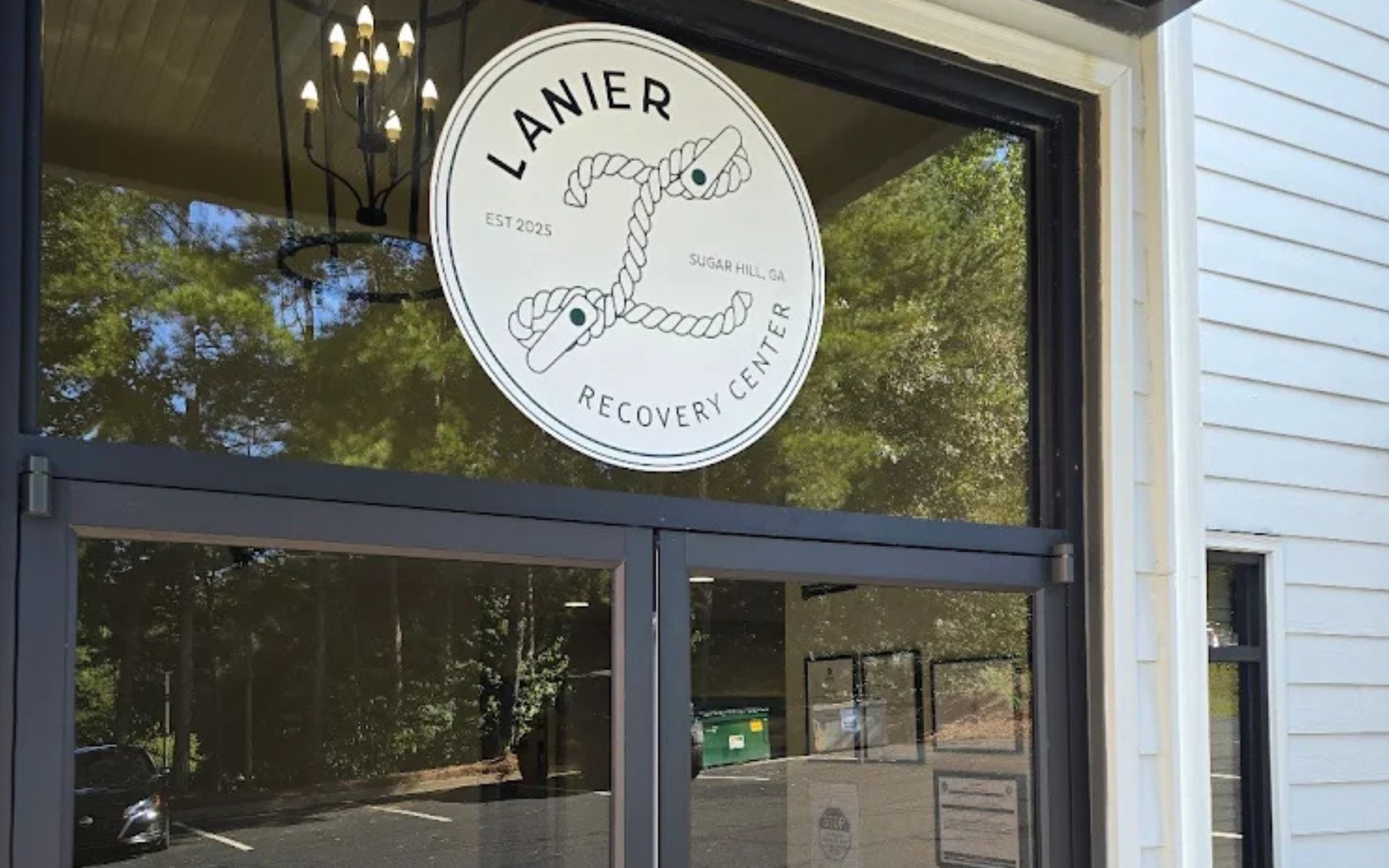
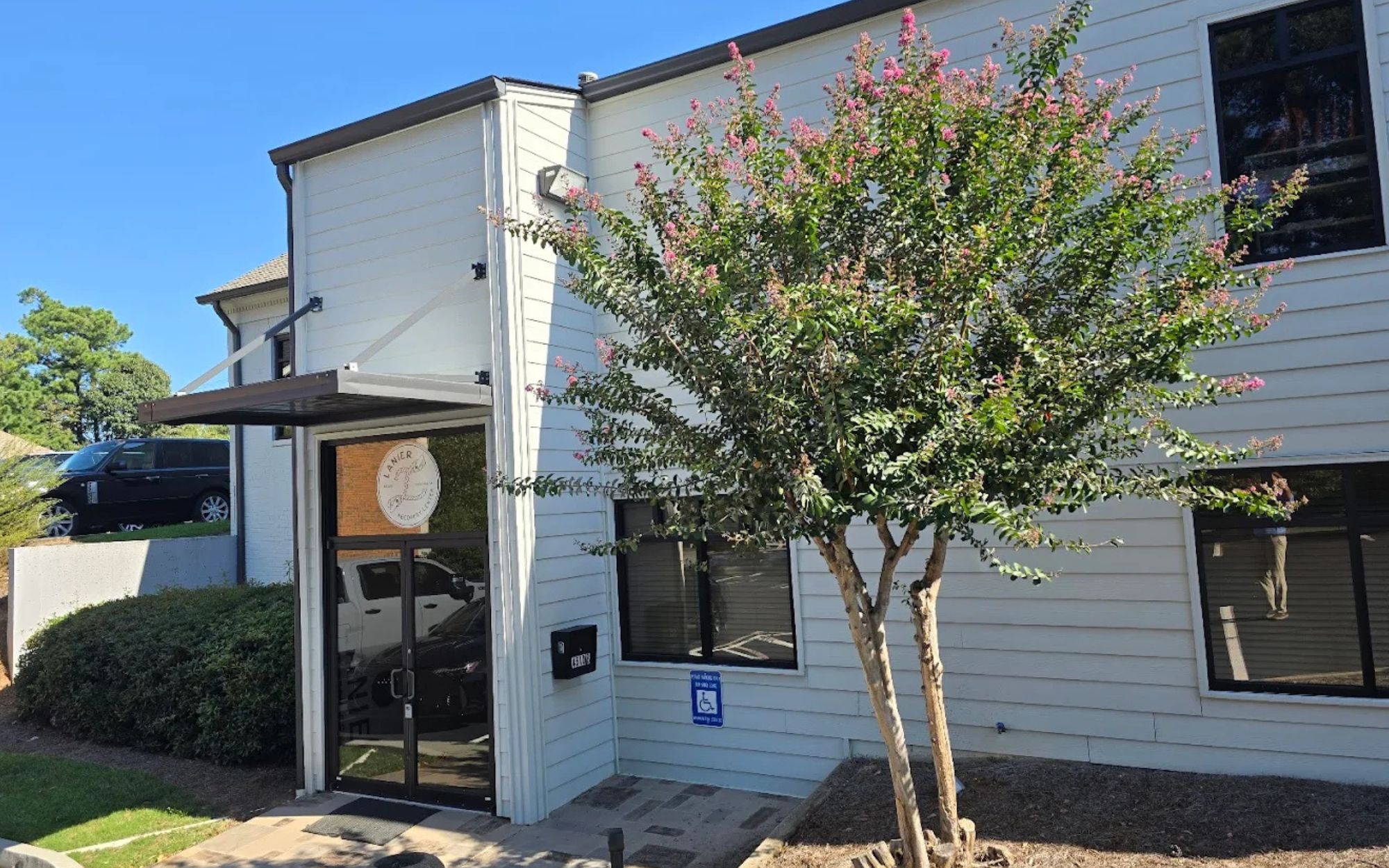
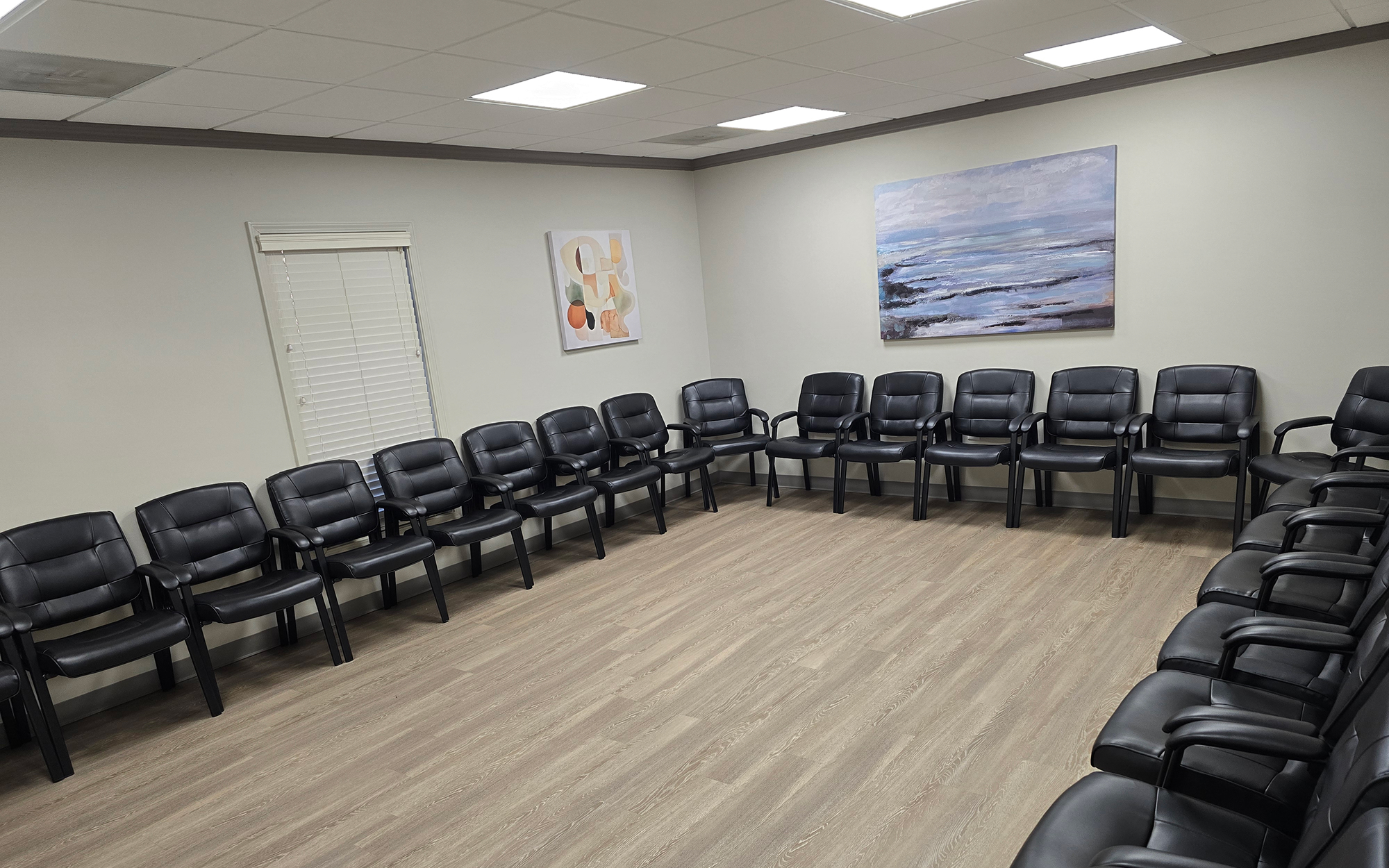
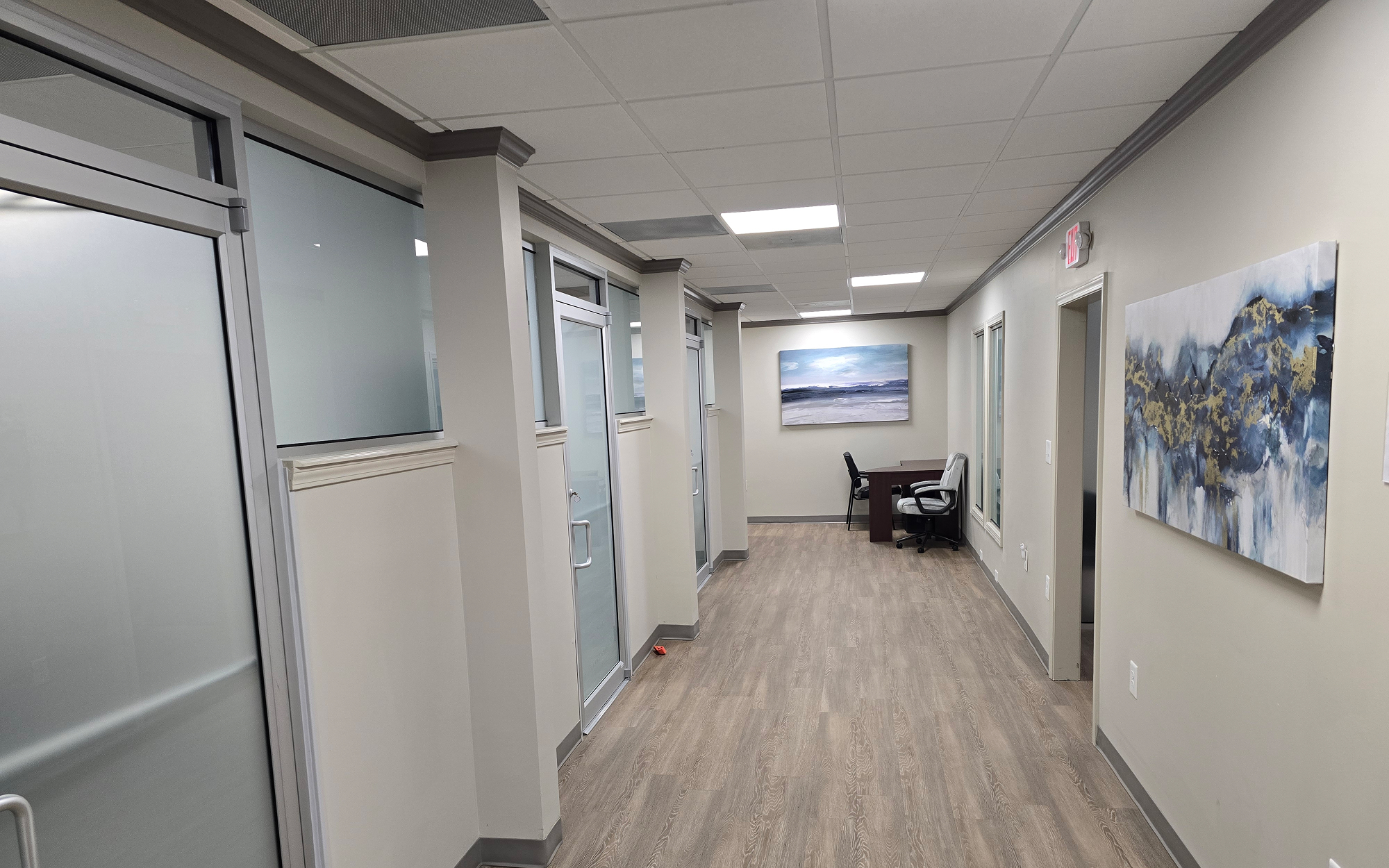
Check out our facility in Atlanta, GA

Discover why our programs are top rated today. Talk with our admissions team about the right treatment plan to bring lasting recovery.

Long-term effects of methamphetamine abuse

Prolonged methamphetamine use takes a heavy toll on the body and mind. It is important to know these facts not to feel fear, but to understand the urgency of healing. The Long-Term Health Risks are serious, but many are treatable with professional care.

Physically, chronic use puts immense strain on your heart. It can lead to an enlarged heart, severe high blood pressure, and advanced dental decay. Your skin may also struggle to heal from persistent sores.

The psychological impacts are equally heavy. Extended use often causes cognitive changes and brain damage that affect memory and daily decision-making. You might also face co-occurring disorders like severe depression, chronic anxiety, or prolonged paranoia. According to the Centers for Disease Control and Prevention, methamphetamine use is strongly linked to these complex mental health conditions.

The social consequences can also feel overwhelming. Strained family relationships, job loss, and financial stress are incredibly common. However, the brain and body are remarkably resilient. Entering a supportive treatment program can help mitigate these long-term risks. With the right care, you can manage these health challenges and rebuild your life.

the help you need is here

Recovery starts here

If you or someone you love is struggling with substance use or other mental health issues, Inner Voyage Recovery can help. Request a callback below to receive care and support you can trust.

"*" indicates required fields

Evidence-based methamphetamine addiction treatment

People often ask how meth addiction is treated. The truth is that recovery is a layered process. Effective treatment for meth addiction involves comprehensive care that supports your mind, body, and spirit.

Medical detox: the first step to safety

Before deep therapeutic work can begin, the body must safely clear the substance. A medically supervised detox Atlanta manages withdrawal symptoms securely and comfortably. Methamphetamine withdrawal often brings extreme fatigue, deep depression, and intense drug cravings. Medical professionals provide crucial oversight during this vulnerable time. They monitor your physical stability and ensure you are safe, comfortable, and ready for the next phase of care.

Core therapies for lasting recovery

Once detox is complete, therapy becomes the foundation of methamphetamine addiction treatment. Cognitive behavioral therapy Atlanta helps you identify and change the thought patterns that lead to substance use. Dialectical behavior therapy (DBT therapy Atlanta) focuses on emotional regulation and stress management.

Individual therapy Atlanta offers a private, safe space to explore the root causes of addiction. Meanwhile, group therapy Atlanta connects you with peers who truly understand your struggles. This peer support system reminds you that you are never walking this path alone.

Treating the whole person: dual diagnosis and holistic care

Addiction rarely exists in a vacuum. Dual diagnosis treatment Atlanta is vital because it addresses co-occurring disorders like anxiety or depression alongside the addiction. Treating both conditions simultaneously is essential for lasting recovery.

Comprehensive programs also incorporate holistic therapies to support your overall well-being. Practices like mindfulness, yoga, and art therapy offer new ways to process emotions and reduce stress. These complementary approaches help you reconnect with yourself and find joy in a substance-free life.

Georgia addiction treatment center

How to begin your recovery journey

We know beginning treatment can feel intimidating, so we’ve made the process simple and stress-free.

1

Get in touch
with us

Call or complete our contact form to connect with an admissions specialist who takes the time to listen and understand your situation.

2

Complete an assessment
& insurance review

Our team will review your history, discuss your needs, and confirm insurance coverage or explore self-pay options to make things easy.
3

Start your
treatment

Begin a personalized program built around your goals, supported by evidence-based care and a compassionate clinical team.

Finding the right level of care for meth addiction in Atlanta

Choosing the right recovery path is deeply personal. Addiction treatment is never one-size-fits-all. When exploring treatment programs in Atlanta, GA, you will find several different levels of care. The goal is to match your clinical needs with your daily life responsibilities.

Level of care Ideal for Key features
Residential/inpatient People needing 24/7 support away from daily triggers. Immersive healing environment, round-the-clock medical care, structured daily therapy.
Partial hospitalization program (PHP) Individuals needing strong daily structure who have a safe home environment. 5 days of intensive daytime therapy per week, medical oversight, nightly return home.
Intensive outpatient program (IOP) Working professionals and parents balancing recovery with daily life. Flexible morning or evening sessions, 3 to 5 days a week, peer support groups.

Many working professionals need support that allows them to maintain their careers. Others need a completely separate environment to focus entirely on healing. Residential rehab at a trusted partner facility offers an immersive experience away from daily stress.

A partial hospitalization program (PHP Atlanta) provides highly structured daytime care. An intensive outpatient program (IOP Atlanta) offers flexible evening schedules for those actively working or caring for their families. Understanding these options empowers you to make the best choice for your specific situation.

What sets lanier recovery center apart

Our approach to addiction and mental health treatment is built on comprehensive care, compassionate support, and individualized recovery paths that lead to lasting change.

Depth

We go beyond surface-level treatment to address the root causes of addiction and mental health challenges for lasting healing.

Support

Our compassionate team provides steady guidance, encouragement, and care at every stage of the recovery journey.

Strength

Through personalized therapy and skill-building, we help individuals rediscover confidence and inner resilience.

Accountability

We create structured support systems that promote responsibility, consistency, and long-term recovery success.

Aftercare

Our aftercare planning and alumni support ensure continued connection and stability long after treatment ends.

Flexibility

We offer adaptable treatment options that fit real-life responsibilities while maintaining consistent, high-quality care.

Lanier Recovery Center can help you
We understand that getting help for addiction can be challenging. Start with a free addiction assessment today.

Frequently asked questions

Meth addiction treatment typically includes a structured combination of detox, therapy, and ongoing support to address both meth addiction and methamphetamine addiction. A complete treatment program may involve group therapy, clinical oversight from nurses, and guidance aligned with the Mental Health Services Administration standards to support the full recovery process.

Methamphetamine is a powerful stimulant that can significantly impact health, especially with long-term abuse. Individuals struggling with meth addiction may experience physical and psychological symptoms, including anxiety, sleep disruption, and increased risk of disease, particularly when meth or crystal meth use continues without treatment.

Common withdrawal symptoms from meth addiction include fatigue, depression, anxiety, and strong cravings for the drug. These symptoms can make the early stages of recovery difficult, which is why supervised detox and structured addiction treatment are often recommended to help individuals stabilize safely.

Meth addiction rehab programs may include inpatient care at a treatment center, outpatient options, and therapy-based approaches. Many programs use a combination of group therapy, individualized care, and ongoing support to address both substance abuse and any co occurring disorder, helping individuals build a foundation for long term recovery.

A person should seek treatment for meth addiction when meth use begins to interfere with daily life, relationships, or overall health. If a loved one is struggling with methamphetamine addiction, early professional help through a structured treatment program can improve outcomes and support a safer, more sustainable path to recovery.

Lanier Recovery Center’s top values

Every treatment will be uniquely tailored to you, because you’re unique.

Sober living

Our team is 100% sober, including from Alcohol. We help our clients achieve sobriety and stick to it through thick and thin, because sobriety is the foundation of a fulfilling life.

Integrity

Our team is 100% sober, including from Alcohol. We help our clients achieve sobriety and stick to it through thick and thin, because sobriety is the foundation of a fulfilling life.

Everyone belongs

Our team is 100% sober, including from Alcohol. We help our clients achieve sobriety and stick to it through thick and thin, because sobriety is the foundation of a fulfilling life.

Limitless potential

Our team is 100% sober, including from Alcohol. We help our clients achieve sobriety and stick to it through thick and thin, because sobriety is the foundation of a fulfilling life.

Why choose Lanier Recovery Center for meth rehab near Atlanta

Living with meth addiction can affect every part of a person’s life, from physical health to relationships and daily functioning. Without proper treatment, methamphetamine addiction and ongoing substance abuse can lead to worsening symptoms, increased risk of co occurring disorder, and long-term complications tied to substance use disorders.

Structured addiction treatment that includes detox, a tailored treatment program, and consistent support can help individuals manage withdrawal symptoms, reduce reliance on meth, and begin rebuilding stability through a guided recovery process.

Please call (470) 470-5697 to speak directly with the admissions team at Lanier Recovery Center. They can review our treatment programs, answer your specific questions about insurance, and help you schedule a clinical assessment this week. Contact us to learn more or check out our Google page.

If you’re looking for more information, connect with our team by phone, email, or through our online form. We’re here to answer your questions, talk through your options, and support you as you begin your path toward lasting recovery.

Sources

Georgia Department of Corrections. (January 2, 2026). Profile of inmates admitted during CY2025 for methamphetamine. Georgia Department of Corrections.

South Carolina Department of Alcohol and Other Drug Abuse Services. (Unknown). 2026 AC HIDTA Threat Assessment. South Carolina Department of Alcohol and Other Drug Abuse Services.

Georgia Department of Behavioral Health and Developmental Disabilities. (September 1, 2025). The 2025 Georgia Social Indicator Study—Overall. Georgia Department of Behavioral Health and Developmental Disabilities.

Georgia Department of Public Health. (February 18, 2026). Drug Surveillance. Georgia Department of Public Health.

Centers for Disease Control and Prevention. (March 3, 2026). Vital Statistics Rapid Release – Provisional Drug Overdose Data. Centers for Disease Control and Prevention.

Drug Enforcement Administration. (Unknown). 2025 National Drug Threat Assessment. Drug Enforcement Administration.

Vanderbilt University School of Nursing. (November 15, 2012). How Meth Impacts Brain Chemistry. Vanderbilt University School of Nursing.

National Center for Biotechnology Information. (June 11, 2023). The Neurobiology of Methamphetamine Addiction and the Potential. National Center for Biotechnology Information.

Center for Substance Abuse Research, University of Maryland. (Unknown). Methamphetamine Highlights. Center for Substance Abuse Research, University of Maryland.

City of Clarkston, GA. (April 1, 2025). Methamphetamine. City of Clarkston, GA.

National Institute of Justice. (Unknown). Methamphetamine and Other Substance Use Trends among Street. National Institute of Justice.

National Criminal Justice Reference Service. (Unknown). MIDl~®. National Criminal Justice Reference Service.

U.S. Department of Justice. (Unknown). Georgia Drug Threat Assessment. U.S. Department of Justice.

Office of Justice Programs. (Unknown). Methamphetamine Use Among Adult Arrestees. Office of Justice Programs.

National Center for Biotechnology Information. (September 15, 2022). Methamphetamine Use: A Narrative Review of Adverse Effects and. National Center for Biotechnology Information.

National Center for Biotechnology Information. (June 24, 2011). Neurologic manifestations of chronic methamphetamine abuse. National Center for Biotechnology Information.

Centers for Disease Control and Prevention. (March 27, 2020). Patterns and Characteristics of Methamphetamine Use Among Adults. Centers for Disease Control and Prevention.

National Center for Biotechnology Information. (Unknown). Methamphetamine-associated heart failure: Clinical characteristics. National Center for Biotechnology Information.

National Center for Biotechnology Information. (April 11, 2013). Neurologic Manifestations of Chronic Methamphetamine Abuse. National Center for Biotechnology Information.

National Center for Biotechnology Information. (February 25, 2024). Treatment Disparities in Georgia: Methamphetamine Use Disorder. National Center for Biotechnology Information.

JAMA Network. (September 22, 2021). Methamphetamine Use, Use Disorder, and Overdose Deaths. JAMA Network.

Centers for Disease Control and Prevention. (March 27, 2020). Patterns and Characteristics of Methamphetamine Use Among Adults. Centers for Disease Control and Prevention.

Substance Abuse and Mental Health Services Administration. (April 30, 2011). Psychiatric comorbidity in methamphetamine dependence. Substance Abuse and Mental Health Services Administration.

National Center for Biotechnology Information. (Unknown). Methamphetamine Psychosis: Epidemiology and Management. National Center for Biotechnology Information.

National Center for Biotechnology Information. (August 6, 2018). Methamphetamine psychosis: insights from the past. National Center for Biotechnology Information.

National Institutes of Health. (Unknown). Methamphetamine. National Institutes of Health.

National Center for Biotechnology Information. (December 13, 2021). Current and Emerging Treatments for Methamphetamine Use Disorder. National Center for Biotechnology Information.

National Center for Biotechnology Information. (November 10, 2025). Efficacy of cognitive behavioral therapy for stimulant use disorders. National Center for Biotechnology Information.

National Center for Biotechnology Information. (Unknown). A systematic review of cognitive and/or behavioural therapies. National Center for Biotechnology Information.

Substance Abuse and Mental Health Services Administration. (June 9, 2023). National Helpline for Mental Health, Drug, Alcohol Issues. Substance Abuse and Mental Health Services Administration.

U.S. Food and Drug Administration. (Unknown). Desoxyn (methamphetamine hydrochloride tablets, USP) Rx only. U.S. Food and Drug Administration.

U.S. Food and Drug Administration. (October 4, 2023). FDA Takes Steps to Advance the Development of Novel Therapies. U.S. Food and Drug Administration.

Department of Veterans Affairs. (Unknown). Army Veteran declares victory on a 50-year battle. Department of Veterans Affairs.

we are here for you

Get the help you need today.

Together, we can help you build a brighter future of wellness.

Free & easy insurance check

alliant
care source
multiplan
united healthcare
cigna
beacon
bluecross
tricare

Request a confidential call

"*" indicates required fields

This field is for validation purposes and should be left unchanged.
Preferred method*
Get Treatment For All Your Healthcare Needs

Other what we treat

Request A Confidential Call

Request a call and an Lanier Recovery Center team member will be in touch.

"*" indicates required fields